If you’ve ever stepped outside only to see your smooth blowout turn into a puff of frizz, you know the struggle. The good news is that frizz isn’t something you have to live with. It happens when your hair’s outer cuticle lifts, letting humidity in and swelling the strands. This article breaks down exactly why that happens and gives you a practical, step-by-step routine to smooth it at home.

Key Takeaways
- Always style on thoroughly wet hair so products absorb evenly and don’t feel greasy.
- Use a leave-in conditioner to add moisture, especially if your hair is dry, coarse, or color-treated.
- Gently scrunch and hold sections to encourage wave formation without creating friction.
- Apply a lightweight gel or mousse to hold your style and make it last longer.
- Dry your hair with a cotton t-shirt or a diffuser on low heat to reduce frizz and speed up drying.
The Quick Fix for Frizzy Hair
Frizzy hair happens when your hair’s outer layer, the cuticle, lifts up. This lets moisture from the air sneak in and swell the strands, making them rough and puffy. The main cause is a lack of moisture in your hair. To fix it, you need to add moisture back in, seal the cuticle down, and protect your hair from humidity. The best results come from using the right products and techniques on soaking wet hair, which helps everything absorb better and leaves your hair noticeably smoother.
Why Your Hair Gets Frizzy
What Actually Causes Frizz
Think of your hair cuticle like roof shingles. When those shingles lie flat, your hair looks smooth and shiny. But when they’re raised, moisture from the air gets in and swells the hair shaft, creating that rough, frizzy texture.
Dry hair is especially prone to this because the cuticle is already lifted, desperately searching for moisture. High humidity makes it worse, your hair literally drinks up the extra water in the air.
Other common culprits:
- Heat styling without protection: Damages the cuticle, making it more porous and frizz-prone.
- Rough towel-drying: Rubbing with a terry cloth towel disrupts the cuticle and creates friction.
- Naturally porous hair: Curly and wavy textures have a more open cuticle structure, so they’re naturally more susceptible to frizz.
Your Frizz-Fighting Arsenal

Having the right tools and products on hand makes a real difference. Here’s what I keep in my frizz-fighting kit:
- Moisturizing shampoo and conditioner: Hydrate your hair without stripping natural oils.
- Leave-in conditioner: Adds a crucial layer of moisture and preps hair for styling.
- Hair serum or oil (argan, coconut, jojoba): Seals the cuticle and creates a barrier against humidity.
- Deep conditioning mask: For a weekly intensive moisture treatment.
- Microfiber towel or cotton t-shirt: Gently dries hair without friction.
- Diffuser attachment for your blow dryer: Dries hair gently and encourages natural texture without frizz.
- Silk or satin pillowcase: Reduces friction while you sleep, preventing breakage and frizz.
Step-by-Step: How to Smooth Frizzy Hair
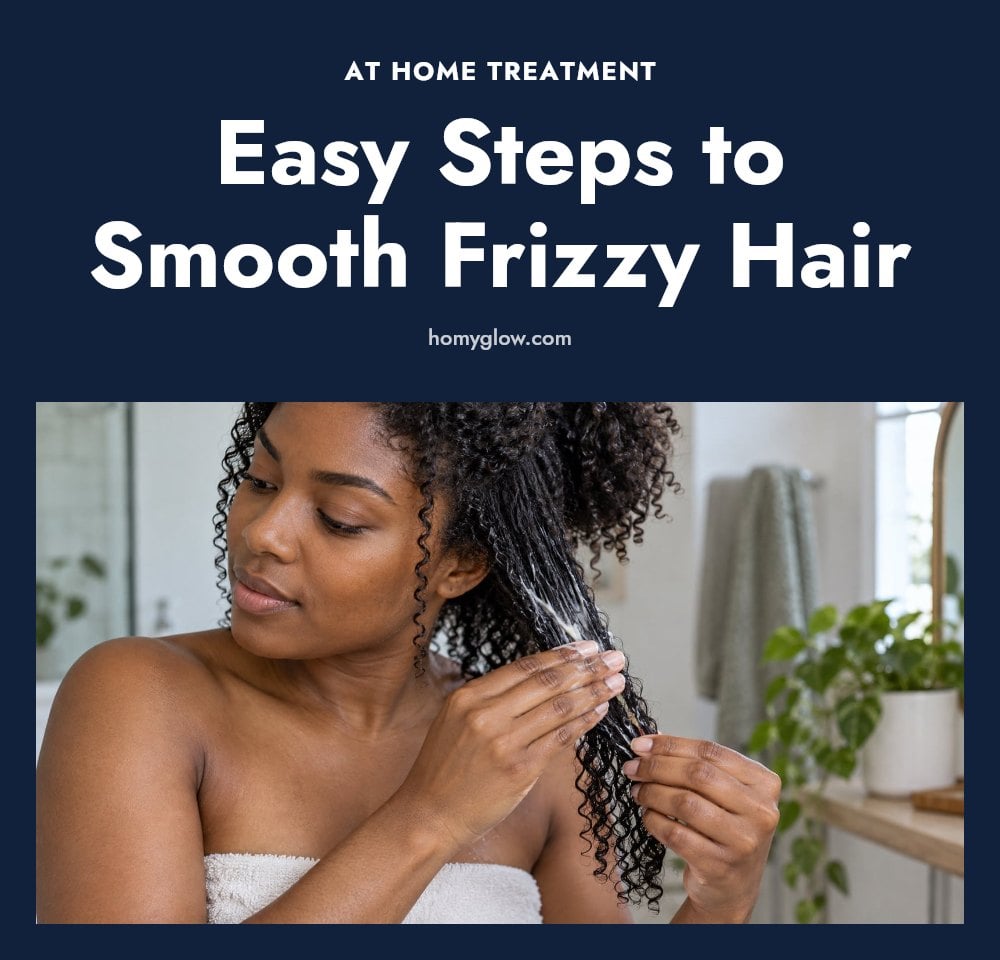
Styling on wet hair is the key to fighting frizz. Products absorb better when your hair is soaked, so they work harder and leave your hair smoother, not greasy. Here’s my go-to routine:
- Wet your hair thoroughly: Keep adding water until you hear a squishing sound when you squeeze a section. This ensures your hair is saturated enough for product absorption.
- Apply leave-in conditioner: Work it into soaking wet hair, squishing it in so it really penetrates. This step is especially important for dry, coarse, color-treated, or damaged hair.
- Add a small amount of curl cream: Rub a pea-sized amount between your palms and scrunch it into your hair to enhance your natural waves without weighing them down.
- Brush your hair: Use a wide-tooth comb or wet brush to distribute the products evenly from roots to ends.
- Scrunch and hold: Gently scrunch sections of hair upward toward your scalp and hold for a few seconds to encourage wave formation. For more defined waves, brush a section, twirl the ends around the brush to create a barrel curl, then scrunch and hold.
- Apply a lightweight gel or mousse: Spray or scrunch a lightweight gel or mousse all over your hair to hold the style and make it last longer.
- Scrunch again lightly: This helps the gel penetrate without causing frizz from aggressive handling.
- Remove excess water with a cotton t-shirt: Gently scrunch your hair with a soft cotton t-shirt towel to soak up extra water and speed up drying.
- Diffuse on low heat and low air: If you use a blow dryer, attach the diffuser and set it to the lowest heat and air settings. Gently cup sections of your hair with the diffuser and move it slowly, avoid aggressive movements that create frizz.
Here is the method in action: Hang demonstrates it in about 4 minutes.
Common Frizz-Causing Mistakes to Avoid
Not styling on wet hair: Products need water to spread and absorb. Applying them to dry or damp hair leaves them sitting on the surface, which can feel greasy and does nothing to fight frizz.
Skipping leave-in conditioner: This step adds a layer of moisture that dry, coarse, or damaged hair desperately needs. Without it, your cuticle stays lifted and vulnerable to humidity.
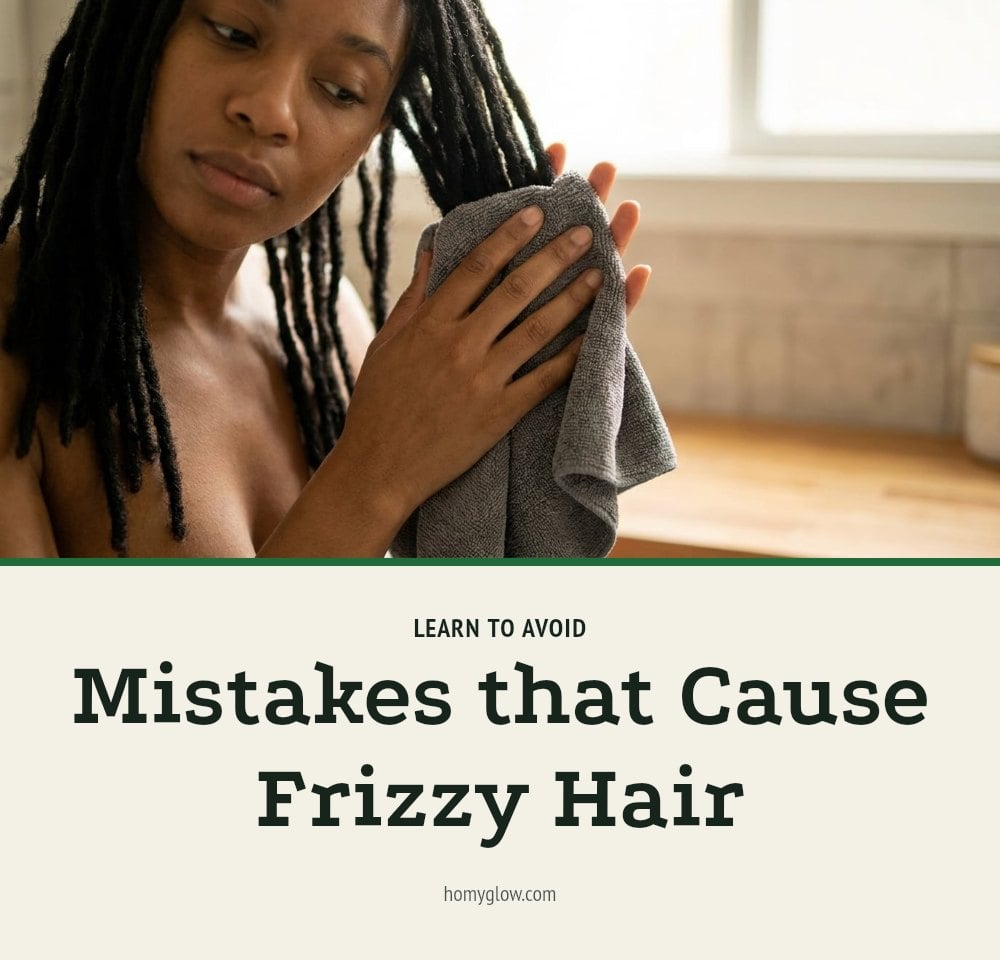
Aggressive towel drying: Rubbing your hair with a terry cloth towel creates friction that lifts the cuticle. Blot or scrunch gently with a microfiber towel or cotton t-shirt instead.
Brushing dry hair: For wavy or curly hair, brushing when dry breaks up your natural pattern and turns it into a frizzy cloud. Only brush when your hair is wet and full of product.
Over-washing hair: Washing too often strips natural oils, leaving your hair drier and more prone to frizz. Aim for 2-3 times a week if your scalp allows.
Using high heat without protection: Heat damages the cuticle, making it more porous and likely to absorb humidity. Always use a heat protectant before any hot tool.
Long-Term Strategies for Frizz Prevention

Moisturizing shampoo and conditioner: Stick with hydrating formulas that replace moisture rather than stripping it. This keeps your cuticle flat and smooth over time.
Regular deep conditioning: Use a hair mask at least once a week. It replenishes lost moisture and strengthens the hair shaft, reducing frizz at the source.
Cold water rinse: After conditioning, rinse with cool water. The temperature helps seal the cuticle, locking in moisture and adding shine.
Silk or satin pillowcase: Cotton creates friction that roughs up the cuticle while you sleep. Switching to silk or satin reduces friction and prevents breakage.
Regular trims: Split ends travel up the hair shaft and make hair look frizzy and dull. A trim every 6-8 weeks keeps ends healthy and smooth.
Heat protectant: Before any heat styling, spray on a protectant. It forms a barrier that shields the cuticle from damage and keeps moisture locked in.
When to Consult a Professional
If your frizz comes with noticeable hair breakage or thinning, see a dermatologist. It could signal an underlying health issue that needs medical attention.
When consistent at-home care doesn’t improve your frizz, a professional stylist can recommend targeted treatments or products you haven’t tried.
For chemical treatments like keratin or smoothing services, always go to a licensed professional. DIY kits can damage your hair and scalp.
Frequently Asked Questions
Can humidity cause frizzy hair?
Yes, high humidity is a major cause of frizz. When the air is full of moisture, your hair absorbs it through the raised cuticle, which makes the strands swell and appear rough. Using a leave-in conditioner and a sealing serum or oil helps create a barrier against humidity.
How often should I deep condition for frizz?
Aim for a deep conditioning treatment or hair mask at least once a week. If your hair is very dry, porous, or damaged, you can do it twice a week. Regular deep conditioning replenishes lost moisture and strengthens the hair shaft, which helps keep the cuticle flat and smooth over time.
What ingredients should I avoid in hair products for frizz?
Avoid products with high amounts of drying alcohols, as they strip moisture from your hair and make frizz worse. Also, skip harsh sulfates in shampoos, which can remove natural oils and leave your hair dry. Look for moisturizing ingredients instead.
Does brushing dry hair make it frizzier?
Yes, especially if you have curly or wavy hair. Brushing dry hair disrupts your natural curl pattern and breaks up the clumps, which creates frizz and a lack of definition. Always brush your hair when it’s wet and coated with conditioner or styling products.
Is frizz a sign of damaged hair?
Not always, but it can be. Frizz is often just a sign that your hair is dry or reacting to humidity. However, if your frizz comes with noticeable breakage, thinning, or split ends, it may indicate damage from heat styling, chemical treatments, or an underlying health issue. In that case, consult a professional.
Final Thoughts
My tip: stick with this routine for at least a few weeks to see real improvement. You’ll likely notice smoother hair immediately after your first wash day, but consistent moisture and gentle handling make the biggest difference over time. Frizz is normal, but with the right steps, you can keep it under control and enjoy more defined, manageable waves.