If you’re running on empty, feeling detached from the things you used to enjoy, and wondering if a long weekend will fix it, you might be dealing with more than just tiredness. Burnout is a state of deep exhaustion that takes deliberate effort to recover from. This article walks you through what burnout really is, why it happens, and practical steps you can take to rebuild your energy and sense of purpose.
Key Takeaways
- Recognize burnout’s three signs: exhaustion, cynicism, and feeling ineffective.
- Prioritize 7-9 hours of sleep nightly with a consistent schedule.
- Schedule short breaks daily, even five minutes away from your desk.
- Set clear boundaries between work and personal time to prevent recurrence.
- Seek professional help if symptoms persist or include thoughts of self-harm.
What is Burnout and How Can You Recover?
Burnout is a state of emotional, physical, and mental exhaustion caused by prolonged or excessive stress. It goes beyond simple tiredness, bringing feelings of cynicism, detachment, and a reduced sense of personal accomplishment. Recovery requires more than a weekend off: it calls for deliberate rest, self-care, setting firm boundaries, and sometimes professional support. The goal is to restore your energy, motivation, and sense of purpose, and it starts with acknowledging that you’re running on empty.
Why Burnout Happens: Understanding the Root Causes
Why Burnout Happens
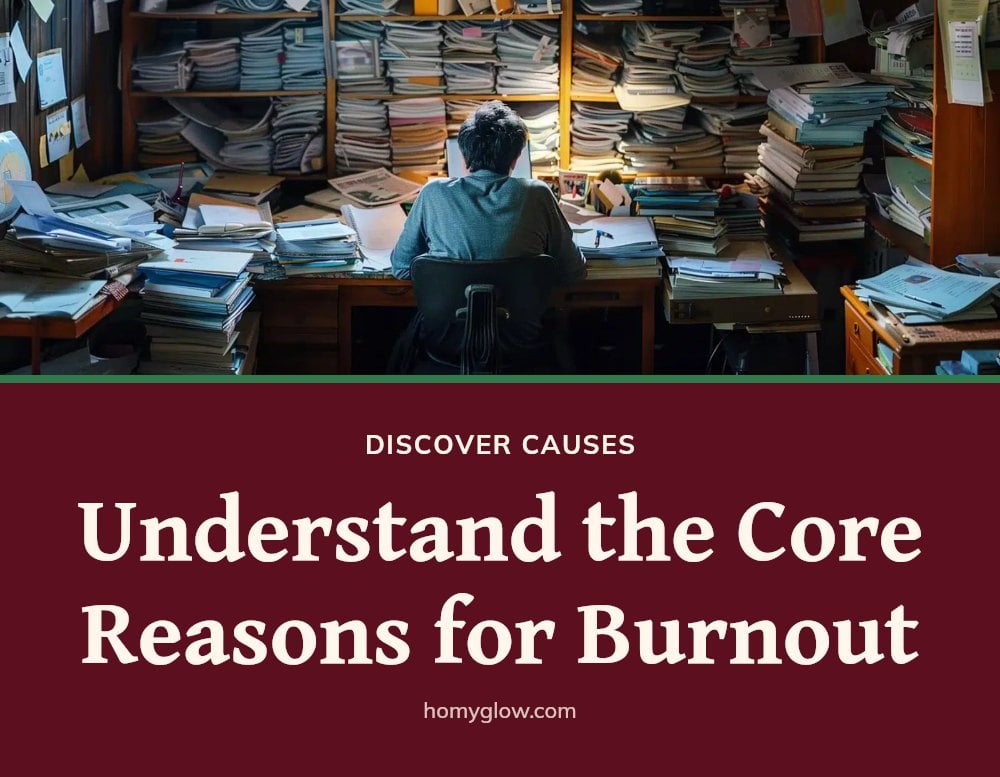
Burnout is characterized by three main dimensions: overwhelming exhaustion, cynicism or detachment from your activities, and a sense of ineffectiveness. It’s not just about feeling tired; it’s a profound disconnection from what you do and a belief that your efforts don’t matter.
Chronic stress is the underlying driver, often fueled by factors like:
- Lack of control over your schedule or decisions.
- Insufficient rewards for your effort, whether financial, social, or intrinsic.
- Unfair treatment at work or in other settings.
- Conflicting values between your personal beliefs and your role.
- Community breakdown, when you feel isolated or unsupported.
While burnout is often linked to work, it can also stem from demanding roles like caregiving or intense academic pressure. The World Health Organization recognizes burnout as an occupational phenomenon, but it’s not officially a medical diagnosis. That said, its impact is real and can affect your physical health, emotional well-being, and behavior.
Practical Strategies to Start Your Burnout Recovery
Practical Strategies to Start Your Burnout Recovery
Recovery from burnout isn’t a one-size-fits-all plan, but these strategies can help you rebuild your energy and sense of purpose.
Prioritize sleep. Aim for 7-9 hours per night and keep a consistent schedule, even on weekends. Sleep allows your body and mind to repair, which is non-negotiable for recovery.
Reconnect with joy. Set aside time for activities that have nothing to do with work or obligations. Whether it’s reading, gardening, or painting, these moments can rekindle your sense of identity and accomplishment.
Set boundaries. Define clear work hours and stick to them. Turn off notifications after a certain time, and communicate your availability to colleagues and family. Constant availability drains your reserves.
Practice mindfulness. Even 5-10 minutes of meditation or deep breathing daily can help reduce stress and improve emotional regulation. Apps or guided sessions can get you started.
Move your body. Moderate exercise like walking, yoga, or swimming can manage stress and boost your mood. The key is consistency, not intensity.
Lean on your people. Connect with friends, family, or support groups. Sharing your experience with others who understand can provide emotional validation and reduce isolation.
Common Mistakes to Avoid When Recovering From Burnout
Recovering from burnout is as much about what you stop doing as what you start. Avoid these common pitfalls:
- Don’t confuse burnout with simple stress. Stress is a response to pressure; burnout is a state of depletion. It requires significant lifestyle changes, not just a short break.
- Avoid pushing through. Ignoring the signs and continuing at the same pace will only deepen the exhaustion. Address the underlying causes, not just the symptoms.
- Don’t treat self-care as a luxury. It’s essential for recovery. Skipping rest, healthy meals, and downtime prolongs the healing process.
- Resist overcommitting. While healing, say no to new responsibilities. Your energy is limited, and taking on more will set you back.
- Don’t expect instant results. Recovery is gradual. It can take weeks or months, and that’s normal. Be patient with yourself.
- Avoid self-medicating. Alcohol, drugs, or excessive caffeine can worsen symptoms and interfere with restful sleep and emotional stability.
Best Tips for Sustained Well-being and Preventing Recurrence
My tip: Schedule short, regular breaks throughout your day, even five minutes to step away from your desk can reset your focus. Delegate tasks when you can, both at work and at home; you don’t have to do everything yourself. Keep your diet balanced with whole foods and drink enough water; dehydration can worsen fatigue. Don’t feel guilty about taking time for yourself. It’s a necessity, not a luxury. Actively disengage from work during personal hours: turn off notifications, avoid checking email, and let your mind fully rest.
Understanding the Recovery Timeline for Burnout
Recovery from burnout is gradual, not instant. It can take weeks to several months, depending on how severe the exhaustion is and how consistently you apply self-care. You’ll likely notice small improvements first, better sleep, more energy during the day, before deeper changes take hold. The main cost is your time and commitment to new habits, not money. Be patient with yourself; healing doesn’t happen overnight.
When to Seek Professional Help for Burnout
If your symptoms are severe, persistent, or include thoughts of self-harm, consult a healthcare professional immediately. Burnout can mask or co-occur with depression or anxiety, so a professional evaluation is important. If self-care strategies aren’t helping you recover, it’s time to seek tailored guidance. A therapist or doctor can help you address underlying issues and create a recovery plan that works for your situation.
Frequently Asked Questions
What are the early signs of burnout?
Early signs often include feeling tired even after rest, irritability, and a growing sense of cynicism about your work or daily activities. You might also notice headaches, stomach issues, or changes in your sleep patterns. Recognizing these early can help you take action before burnout deepens.
Can burnout be a medical condition?
Burnout is not officially a medical diagnosis, but the World Health Organization recognizes it as an occupational phenomenon. It’s a state of exhaustion that can affect your health, and it can sometimes co-occur with conditions like depression or anxiety. If you’re unsure, a professional evaluation can help clarify what you’re experiencing.
How long does it take to recover from burnout?
Recovery typically takes weeks to several months, depending on how severe the exhaustion is and how consistently you apply self-care practices. You may notice small improvements, like better sleep or more daytime energy, within a few weeks, but deeper healing takes time. Patience and consistency are key.
Is burnout only related to work?
No, burnout can also stem from other demanding roles, such as caregiving or intense academic pressure. It arises from prolonged stress in any area of life where you feel overwhelmed and lack control. The same recovery strategies apply regardless of the source.
What is the difference between stress and burnout?
Stress is a response to pressure, and it usually fades when the pressure is removed. Burnout is a state of depletion that persists even after the stressor is gone, leaving you feeling exhausted, cynical, and ineffective. Recovering from burnout requires significant lifestyle changes, not just a break.
Final Thoughts
Recovery from burnout is a gradual process, not a quick fix. Start by prioritizing sleep and setting one clear boundary this week, such as turning off work notifications after a certain hour. Expect small improvements in your sleep and energy over the first few weeks, with deeper changes taking a few months. Be patient with yourself, and remember that taking time to rest is not a luxury; it’s a necessary part of healing.
This article is for general informational purposes only and is not a substitute for professional medical or mental health advice. If you are experiencing severe or persistent symptoms, or if you have thoughts of self-harm, please consult a qualified healthcare provider. They can help you determine the best course of action for your situation.