You probably already know that good hygiene helps you smell fresh and feel confident, but it can be hard to know where to start or which habits really matter. I’ve gathered 12 simple, science-backed tips that cover the basics of personal cleanliness and keeping your space clean, so you can build a routine that works for you.

Key Takeaways
- Wash your hands with soap and water for at least 20 seconds to prevent germ spread.
- Bathe or shower daily or every other day to remove dirt, sweat, and dead skin cells.
- Brush teeth twice a day for two minutes and floss daily for oral health.
- Change clothes, especially underwear and socks, every day to reduce bacteria buildup.
- Wash bedding once a week to remove dust mites, sweat, and dead skin cells.
What is Hygiene and Why Does it Matter?
Hygiene is the set of practices that help maintain health and prevent the spread of disease. It covers personal cleanliness, like bathing and handwashing, and environmental upkeep, such as cleaning your home. Good hygiene reduces germ transmission, which supports your physical health. It also contributes to social comfort, helping you feel fresh and confident in daily interactions.
1. Wash Your Hands Frequently and Thoroughly
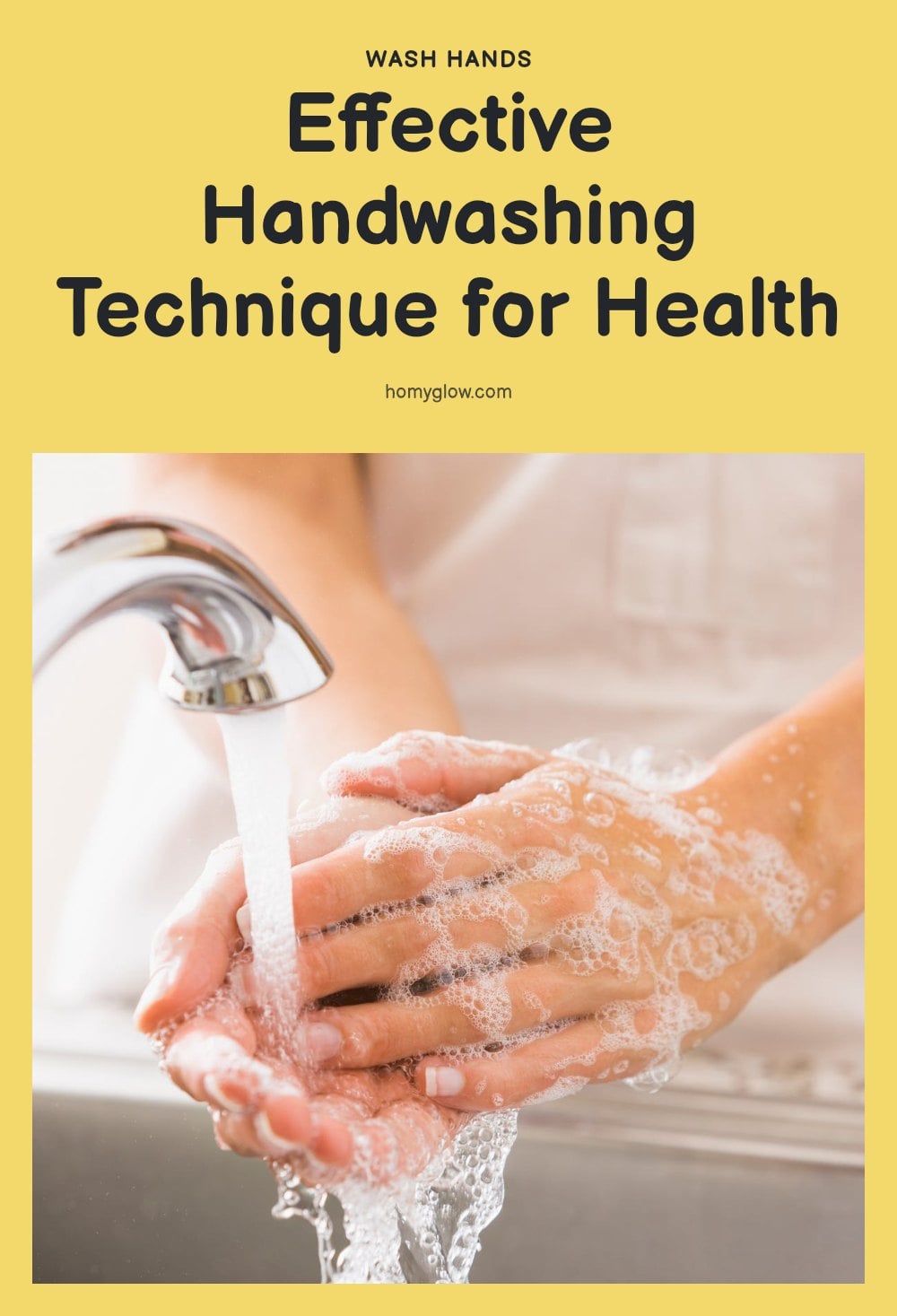
Washing your hands with soap and water for at least 20 seconds is one of the most effective ways to prevent the spread of germs and illnesses. Make it a habit to wash before eating, after using the restroom, and after coughing or sneezing.
- Time it: Sing “Happy Birthday” twice to hit 20 seconds.
- Don’t rush: Scrub all surfaces, including between fingers and under nails.
2. Bathe or Shower Regularly

Bathing or showering daily or every other day removes dirt, sweat, and dead skin cells, which helps prevent body odor. Use a gentle soap or body wash that cleanses without stripping your skin’s natural oils.
- Choose wisely: Look for fragrance-free or mild formulas if your skin is sensitive.
- Focus on problem areas: Pay extra attention to underarms, feet, and the groin area.
3. Practice Daily Oral Care
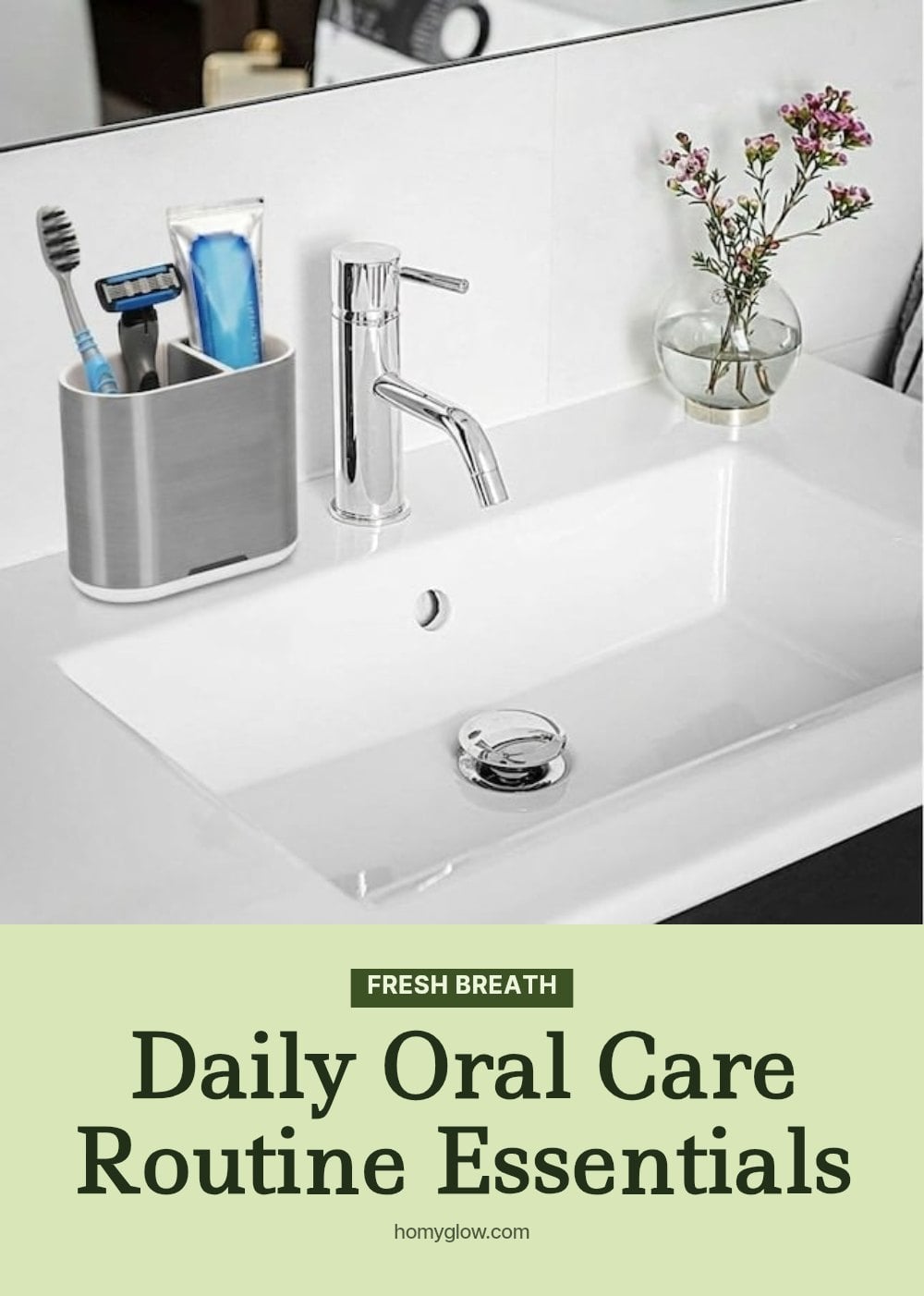
Brush your teeth twice a day for two minutes with fluoride toothpaste and floss daily to prevent cavities and gum disease. Mouthwash can add extra freshness, but it doesn’t replace brushing and flossing.
- Set a timer: Use a timer or a toothbrush with a built-in timer to ensure two full minutes.
- Floss first or after: Either order works, as long as you do both consistently.
4. Wear Clean Clothes Daily

Change your clothes, especially underwear and socks, every day to keep bacteria and odor in check. Sweat and dead skin cells build up fast on fabrics, and wearing them again gives germs a place to multiply.
After any workout, swap into clean athletic wear right away. Damp, sweaty clothes against your skin can lead to irritation or breakouts. A fresh set keeps your skin happy and your day feeling cleaner.
5. Manage Underarm Sweat and Odor

Using an antiperspirant or deodorant is an easy way to manage underarm sweat and odor throughout the day. Antiperspirants reduce sweating by blocking sweat glands temporarily, while deodorants neutralize odor-causing bacteria. Tip: Apply it to clean, dry skin right after your shower for the best results. If you shave your underarms, wait a few minutes afterward to avoid stinging.
6. Keep Nails Trimmed and Clean
Short, clean nails trap less dirt and germs under the edges. Trim them regularly with clippers or scissors, and smooth rough spots with a file. My tip: Use a nail brush with soap and water to scrub under the nail beds during handwashing. It reaches places a cloth can’t.
7. Wash Your Hair Regularly
Washing your hair regularly removes oil, product buildup, and flakes, which supports scalp health and prevents greasiness. The right frequency depends on your hair type, so there is no single schedule that works for everyone. My tip: for fine hair, every 2 to 3 days often works well, while oily hair may need more frequent washing. Dry or curly hair can often go longer between shampoos. Adjust based on how your scalp and hair feel.
8. Maintain a Clean Living Environment

Cleaning household surfaces, especially in the kitchen and bathroom, cuts down on the number of pathogens you come into contact with. Focus on high-touch areas like doorknobs, light switches, countertops, and faucet handles. A quick daily wipe with an all-purpose cleaner is usually enough to keep these spots from becoming germ hot spots.
9. Wash Bedding Weekly
Wash your sheets, pillowcases, and blankets once a week to remove the dust mites, sweat, and dead skin cells that build up while you sleep. This simple habit can lead to clearer skin and better sleep quality. Use the hottest water temperature recommended on the care label for best results.
10. Cover Coughs and Sneezes
Cover your mouth and nose with a tissue or the inside of your elbow when you cough or sneeze. This traps respiratory droplets and helps keep germs from spreading to people or surfaces around you. Dispose of the tissue right away, then wash your hands with soap and water for at least 20 seconds.
11. Avoid Sharing Personal Items
Keep personal items like razors, toothbrushes, towels, and nail clippers to yourself. Sharing these can transfer bacteria, viruses, and even blood-borne pathogens from one person to another. Each member of your household should have their own set of hygiene tools stored separately.
12. Prioritize Foot Hygiene
Wearing clean shoes and socks every day can prevent foot odor and fungal infections. Sweat and bacteria build up inside footwear, so changing socks daily and letting shoes dry completely between wears is key. My tip: Let your shoes air out for at least 24 hours, and rotate between two or more pairs if possible to keep them fresh longer.
When to Consult a Healthcare Professional
If a hygiene product causes skin irritation, redness, or an allergic reaction, stop using it right away and check with a dermatologist. For persistent body odor, skin rashes, unusual discharge, or other hygiene-related concerns that don’t improve with routine care, see a healthcare professional. These symptoms may point to an underlying condition that needs proper diagnosis. Don’t put it off, early attention can prevent more serious problems.
Frequently Asked Questions
How often should I wash my hair?
The right frequency depends on your hair type. Oily hair may need washing every day or every other day, while dry or curly hair can go longer, like once a week. Pay attention to how your scalp feels and adjust from there.
Can poor hygiene cause health problems?
Yes, neglecting hygiene can increase your risk of infections, skin issues, and dental problems. For example, not washing hands regularly can spread germs that cause colds or stomach bugs. Consistent hygiene helps keep you healthier overall.
What is the best way to prevent body odor?
Bathing or showering daily removes sweat and bacteria that cause odor. Using an antiperspirant or deodorant on clean, dry skin helps manage underarm smell. Wearing clean clothes, especially underwear and socks, also makes a big difference.
Is hand sanitizer as good as washing hands?
Hand sanitizer with at least 60% alcohol can kill many germs, but it doesn’t remove dirt and grease. Washing with soap and water for 20 seconds is more effective, especially when hands are visibly dirty. Use sanitizer when soap isn’t available.
How often should I change my bedding?
Wash your sheets, pillowcases, and blankets once a week to remove dust mites, sweat, and dead skin cells. This can help with clearer skin and better sleep. Use the hottest water recommended for the fabric to get the best clean.
When should I see a doctor about a hygiene issue?
If you have persistent body odor, a skin rash, unusual discharge, or irritation that doesn’t improve with routine care, see a healthcare professional. These symptoms could point to an underlying health issue that needs medical attention.
Final Thoughts
My tip: Focus on the habits that have the biggest impact for you, like handwashing and daily oral care, and build from there. With consistent practice, you’ll notice fewer illnesses, less body odor, and a general sense of freshness that lasts. Keep it simple and stick with it, your body and those around you will thank you.
This article provides general information about hygiene practices and is not a substitute for professional medical advice. If you have a persistent or serious health concern, such as an infection or skin condition, consult a doctor or dermatologist for personalized guidance.