When the days get shorter and the temperatures drop, it’s common to feel a bit off. You might notice your energy dipping, your mood feeling heavier, or a lack of motivation to do the things you usually enjoy. These feelings, often called the winter blues, are a temporary response to less sunlight and colder weather, and they affect many people each year.
In this article, I’ll walk you through eight practical ways to lift your mood and boost your energy during the colder months, from maximizing natural light to staying connected with loved ones. You’ll also learn when it’s important to seek professional help if symptoms become more serious.

Key Takeaways
- Maximize natural light exposure by opening blinds and spending time outdoors daily.
- Aim for at least 30 minutes of moderate exercise on most days.
- Keep a consistent sleep schedule, going to bed and waking at the same time.
- Focus on whole foods like fruits, vegetables, and whole grains for steady energy.
- If symptoms persist or worsen, consult a doctor or mental health professional.
What Are the Winter Blues?
The winter blues is a non-clinical term for that temporary dip in mood and energy many of us feel when days get shorter and colder. It’s not the same as Seasonal Affective Disorder (SAD), which is a more severe clinical depression that needs a professional diagnosis. The main culprit is reduced sunlight exposure, which can throw off your circadian rhythm and lower serotonin levels. That often shows up as low mood, extra sleepiness, and a general lack of get-up-and-go.
1. Maximize Your Natural Light Exposure

Start your day by opening blinds and curtains wide to let in as much natural light as possible. That first dose of brightness signals your brain to wake up and can help regulate your internal clock. Even on cloudy days, outdoor light is far stronger than indoor light, so step outside for a few minutes if you can.
Rearrange your workspace or living areas to sit closer to windows. If you work from home, move your desk near a window or set up a reading chair by the brightest spot. Every little bit of daylight counts.
2. Get Moving with Regular Exercise
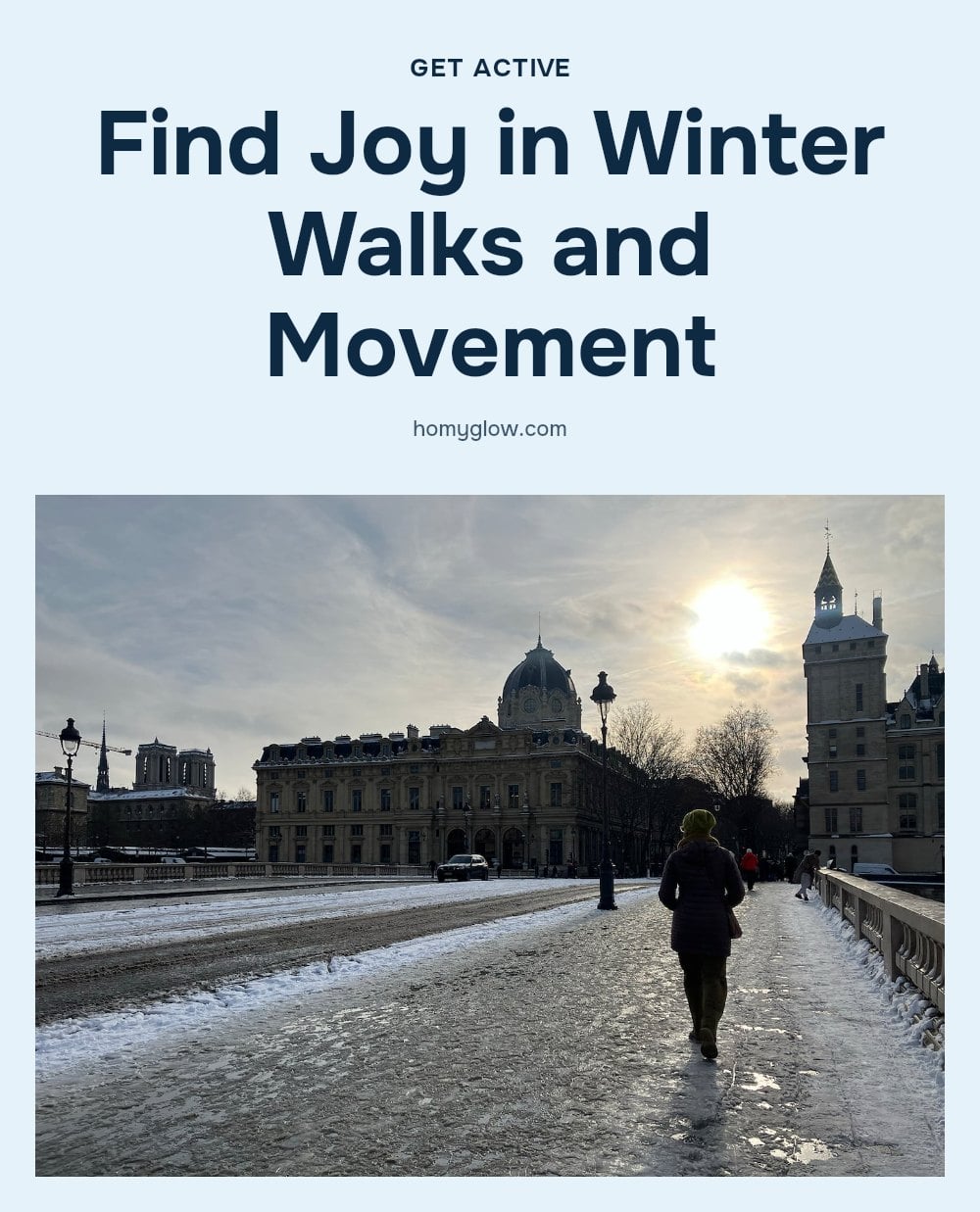
Aim for at least 30 minutes of moderate physical activity on most days. Exercise releases endorphins, your body’s natural mood boosters, which can directly counteract the winter slump. It also helps regulate sleep and stress, both of which take a hit in darker months.
Try outdoor activities like walking or jogging to combine movement with light exposure. Even a brisk walk around the block at lunchtime can make a difference. If the weather is truly awful, an indoor workout video works too, just pair it with a bright room.
3. Maintain a Consistent Sleep Schedule
Go to bed and wake up at roughly the same time every day, even on weekends. This consistency supports your circadian rhythm, which is already disrupted by less daylight. Aim for 7-9 hours of quality sleep per night, and you’ll give your body the rest it needs to regulate mood.
A steady schedule also helps control melatonin production. With less light, your brain may produce more melatonin, making you feel sleepy during the day. Sticking to a routine keeps that hormone in check, so you stay alert when you need to be.
4. Nourish Your Body with a Balanced Diet

Focus your meals on whole foods like fruits, vegetables, lean proteins, and whole grains. They provide steady energy and nutrients that support your brain and body. Limit processed foods, sugary snacks, and too much caffeine, which can cause energy crashes and worsen your mood.
My tip: Add foods rich in Omega-3 fatty acids, such as salmon or walnuts, to your weekly menu. Omega-3s are known to support brain health and may help stabilize mood during the darker months.
5. Stay Connected with Loved Ones
Make it a point to reach out to friends and family regularly, even if it’s just a quick call or video chat. Social interaction directly fights feelings of isolation and can give your mood a real lift. Don’t wait for others to contact you, take the first step.
My tip: Schedule a standing weekly virtual coffee date or a short game night. Having it on the calendar ensures you get that crucial connection even when you don’t feel like socializing.
6. Engage in Enjoyable Hobbies

Set aside time each week for an activity that genuinely brings you joy and a sense of accomplishment. It could be reading, painting, knitting, learning a new skill, or anything else you love. Having something to look forward to gives your mind a positive focus and can counteract the low mood that often comes with winter.
7. Consider Light Therapy Lamps
For persistent symptoms, a light therapy lamp can make a real difference. Look for a full-spectrum lamp that provides 10,000 lux of light. These are specifically designed for seasonal mood changes, not just general brightness.
Tip: Use the lamp first thing in the morning for about 20-30 minutes. Follow the manufacturer’s instructions carefully for distance and duration to avoid eye strain or other side effects.
8. Practice Mindfulness and Relaxation
Add 5 to 10 minutes of mindfulness or meditation to your day. Even a short session helps manage stress, improves emotional regulation, and builds self-awareness, all of which can counter the winter blues. Good to know: Start with a free app or a guided meditation video. You don’t need any special equipment, just a quiet spot and a few minutes. Consistency matters more than length, so keep it simple and doable.
When to Seek Professional Help
If your symptoms feel severe, last for weeks, or make it hard to function at work or home, talk to a doctor or mental health professional. These signs could point to Seasonal Affective Disorder (SAD) or another condition that needs a proper diagnosis and treatment plan. Reaching out is a sign of strength, and effective help is available. Don’t wait until things get worse.
Frequently Asked Questions
How long do the winter blues typically last?
The winter blues usually last for the duration of the colder, darker months, generally from late fall to early spring. For many people, symptoms ease as daylight increases and the weather warms up. If your symptoms persist beyond the winter or become more severe, it’s worth discussing with a doctor to rule out other causes.
Can diet really impact winter blues?
Yes, what you eat can influence your mood and energy. A balanced diet rich in fruits, vegetables, lean proteins, and whole grains provides steady nutrients that support brain function. Limiting processed foods, sugary snacks, and excessive caffeine can help avoid energy crashes that worsen feelings of low mood.
Is light therapy safe for everyone?
Light therapy is generally safe for most people, but it’s not suitable for everyone. If you have certain eye conditions, are taking medications that increase light sensitivity, or have bipolar disorder, you should consult a healthcare professional before using a light therapy lamp. Always follow the manufacturer’s instructions for distance and duration to avoid eye strain.
What’s the difference between winter blues and regular depression?
Winter blues is a temporary, non-clinical condition tied to seasonal changes, while regular depression is a clinical mental health condition that can occur at any time of year. Winter blues symptoms are milder and usually lift when spring arrives. Depression often involves persistent sadness, loss of interest, and functional impairment that requires professional treatment.
Can children experience winter blues?
Yes, children can also experience a dip in mood or energy during the winter months. They may seem more irritable, tired, or less interested in activities. Encouraging outdoor play, maintaining a consistent sleep schedule, and keeping a balanced diet can help. If symptoms are severe or last a long time, a pediatrician should be consulted.
Final Thoughts
Making small, consistent changes to your daily routine can genuinely help ease the winter blues. Start with one or two of the strategies above, like getting outside in the morning or scheduling a call with a friend, and build from there. Many people notice improvements within a few days to a couple of weeks, but the key is to stick with these habits throughout the season.
If you find that your symptoms are severe, last for weeks, or make it hard to function, don’t hesitate to reach out to a healthcare professional. You don’t have to navigate this alone, and getting the right support can make a world of difference.
This article is for general informational purposes only and is not a substitute for professional medical or mental health advice. If you’re experiencing persistent, severe, or worsening symptoms, please consult a qualified healthcare provider. They can offer a proper diagnosis and recommend appropriate treatment options for your individual needs.