If stress has been messing with your sleep, mood, or energy, you might be wondering if your diet can help. While no single food can magically lower cortisol, certain nutrients and eating patterns can support your body’s ability to manage stress. This article covers the foods and habits that may help keep your stress response in check.

Key Takeaways
- Focus on a balanced diet rich in whole foods, fiber, and key nutrients rather than any single ‘superfood.’
- Include omega-3s from fatty fish, magnesium from leafy greens and nuts, and B vitamins from whole grains and legumes.
- Limit caffeine and alcohol, both of which can stimulate the stress response and raise cortisol.
- Stay hydrated and eat consistent meals to help stabilize blood sugar and prevent cortisol spikes.
- Diet changes support stress management over weeks to months; pair them with sleep, exercise, and stress techniques.
The Role of Food in Managing Cortisol Levels
No single food can eliminate stress or drastically lower cortisol. A balanced diet rich in whole foods, fiber, and specific nutrients supports your body’s ability to manage stress and regulate hormone production. Focus on overall well-being to help your body cope with stressors more effectively.
Understanding Cortisol and Its Impact on Your Body
What Cortisol Is and Why It Matters
Cortisol is often called the ‘stress hormone’ because your adrenal glands release it when you’re under pressure. In short bursts, that’s normal and helpful. But chronic stress can keep cortisol levels elevated, which may interfere with sleep, mood, digestion, and immune function.
Supporting your body through diet can help it better respond to stressors. You’re not aiming to eliminate cortisol. You’re giving your system the tools it needs to regulate itself.
1. Omega-3 Rich Foods for Brain and Mood Support
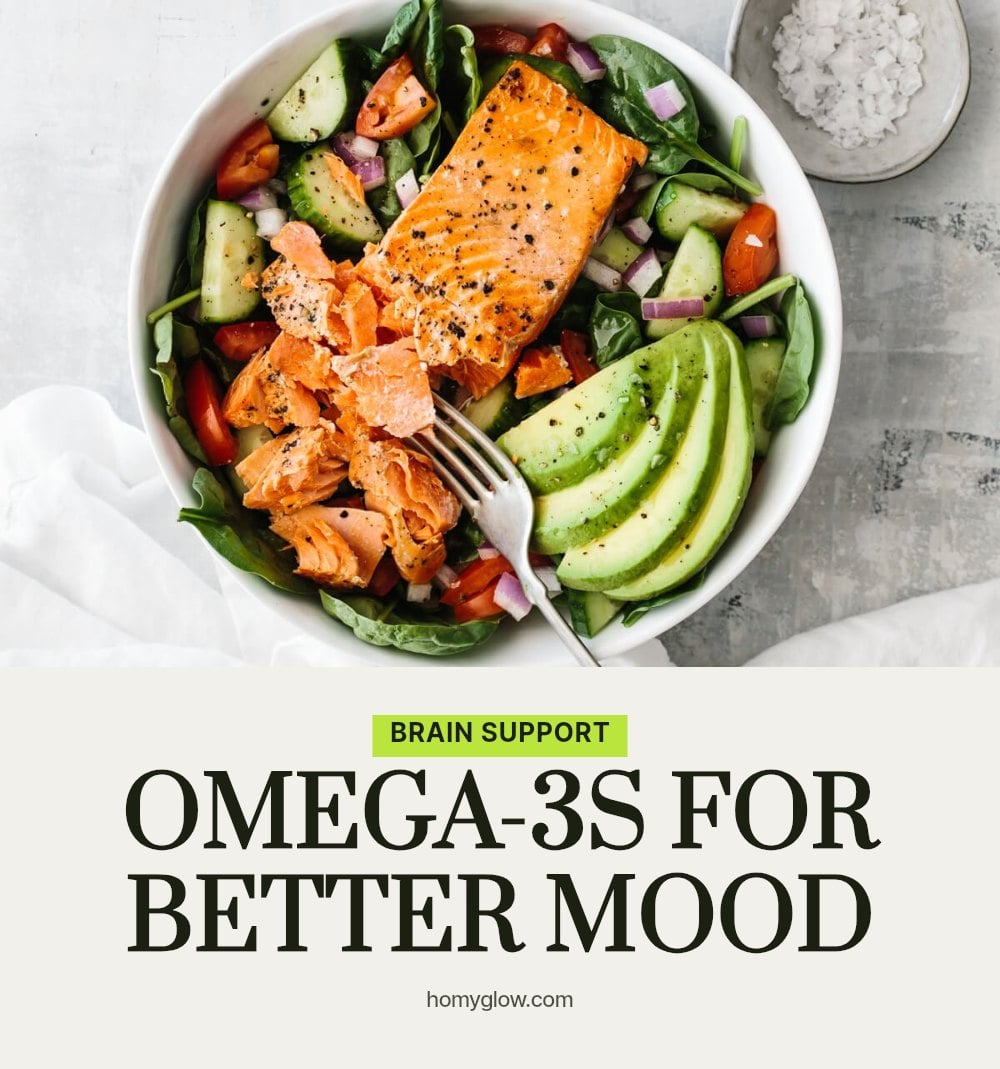
Omega-3 fatty acids, found in fatty fish, may help reduce inflammation and support brain health, potentially influencing your stress response and mood. Include sources like salmon, mackerel, chia seeds, and walnuts a few times per week.
- Salmon or mackerel, aim for two servings per week
- Chia seeds, sprinkle on oatmeal or yogurt
- Walnuts, a handful makes an easy snack
2. Magnesium-Rich Foods for Relaxation and Sleep
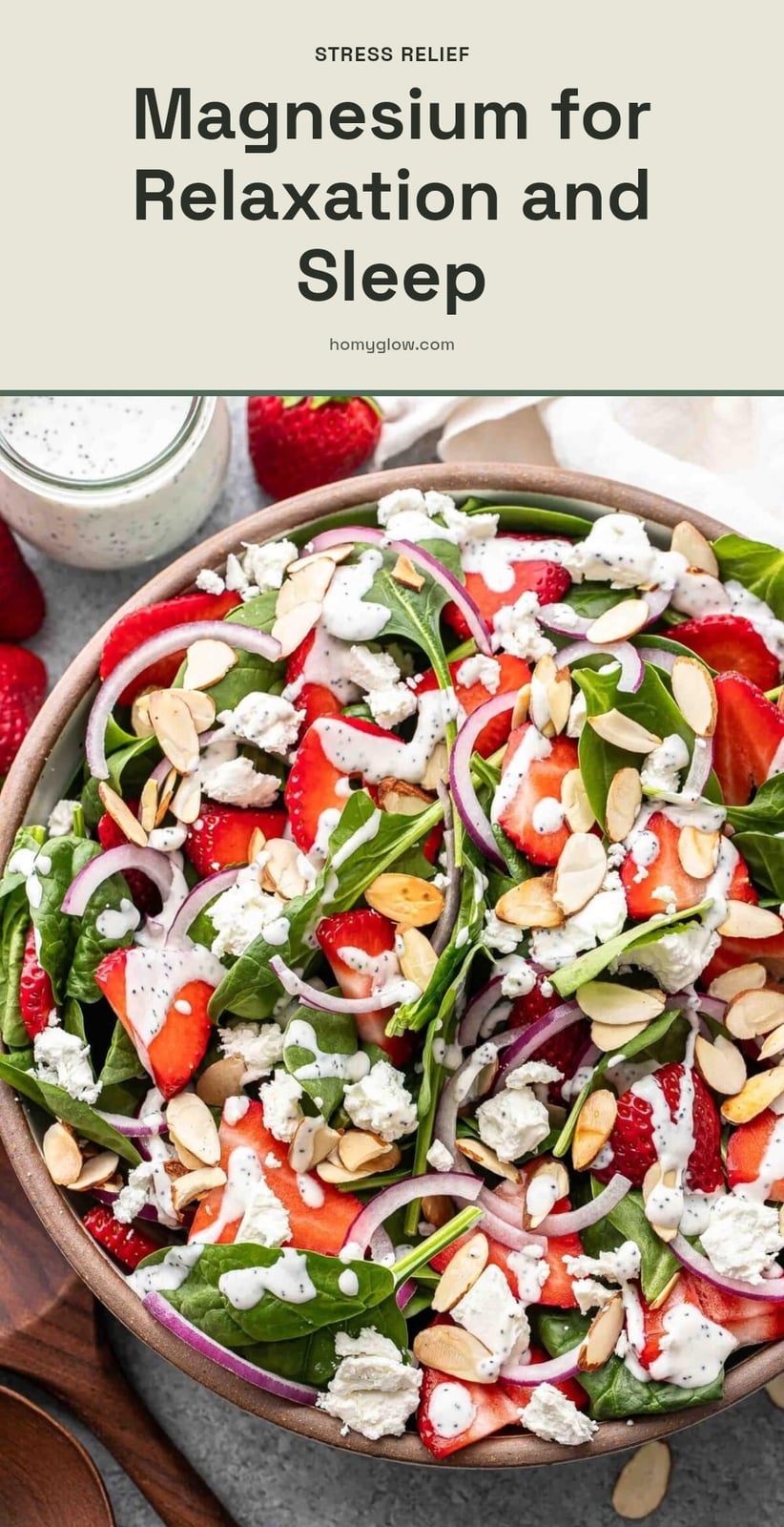
Magnesium plays a crucial role in muscle relaxation, nerve function, and sleep regulation, all of which stress can disrupt. Stress itself can deplete magnesium, so replenishing it matters. Good sources include leafy greens, nuts, seeds, and dark chocolate.
- Spinach or kale, add to salads or smoothies
- Almonds or pumpkin seeds, a magnesium-rich snack
- Dark chocolate (70% cacao or higher), a small square counts
3. B Vitamins for Adrenal and Neurotransmitter Support
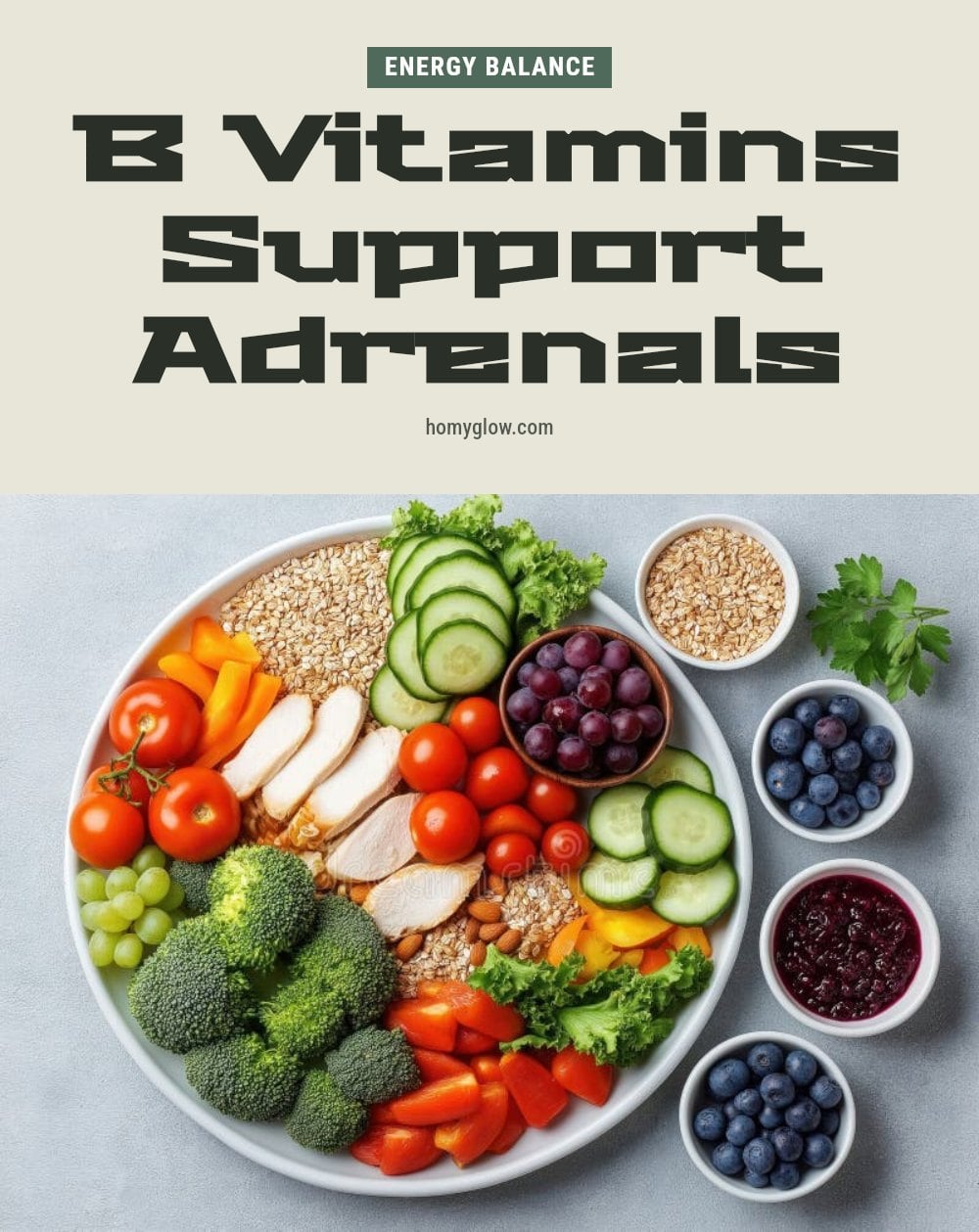
B vitamins, particularly B5, B6, B9, and B12, help your adrenal glands function properly and support neurotransmitter production. Neurotransmitters directly influence your mood and how your body handles stress. I usually keep whole grains like oats and quinoa in rotation, plus legumes and eggs for a steady supply. Leafy greens are another easy addition to salads or smoothies.
4. Probiotic Foods for a Healthy Gut-Brain Connection

The gut-brain axis links your digestive health to your mood and stress levels. A healthy gut microbiome, supported by probiotic-rich foods, can positively influence how you feel. Fermented options like yogurt, kefir, kimchi, and sauerkraut are simple to add to meals. My tip: Start with a small serving of plain yogurt or a spoonful of sauerkraut a few times a week to let your gut adjust.
5. Vitamin C and Antioxidants to Combat Oxidative Stress
Vitamin C is a powerful antioxidant that protects your body from oxidative stress, which often increases when cortisol is high. Including citrus fruits, berries, and bell peppers in your diet can help counter that effect. I toss berries into oatmeal and add sliced bell peppers to lunch bowls for a steady vitamin C boost throughout the day.
Common Dietary Mistakes That Can Raise Cortisol
Relying on ‘Superfoods’ Alone: No single food is a magic bullet. Focusing on overall dietary patterns matters far more than chasing one ingredient.
Excessive Caffeine and Alcohol: Both can stimulate the stress response and elevate cortisol. If you’re feeling stressed, try cutting back to one cup of coffee and limiting alcohol to special occasions.
Skipping Meals: Going too long without eating can cause blood sugar crashes, which trigger cortisol spikes. Consistent meal times help keep your blood sugar stable.
Too Much Processed Food and Sugar: Refined carbohydrates and sugary snacks worsen blood sugar imbalances, putting extra strain on your stress response system. Stick to whole foods as much as possible.
When to Talk to a Doctor About Cortisol Levels
Diet changes support stress management, but they don’t replace medical care. If you suspect chronically high cortisol or an underlying health condition, consult a doctor or an endocrinologist. A healthcare provider can order proper testing and rule out conditions like adrenal fatigue or thyroid disorders.
My tip: Always discuss significant dietary changes or new supplements with your healthcare provider, especially if you are pregnant or breastfeeding. Dietary adjustments should complement, not replace, any prescribed treatment or medical advice for stress-related conditions.
Frequently Asked Questions
How quickly can diet impact cortisol levels?
Dietary changes typically support overall well-being over weeks to months, not hours or days. Consistent effort with nutrient-rich foods and stable meal timing is key for sustained benefits. If you’re looking for quicker relief, focus on lifestyle factors like sleep and exercise alongside your diet.
Can certain drinks help lower cortisol?
Staying well-hydrated with water is crucial for hormone regulation and stress management. Herbal teas like chamomile or green tea (in moderation) may have calming effects, but avoid excessive caffeine and alcohol, as both can stimulate the stress response and raise cortisol levels.
Is it possible to reduce cortisol with diet alone?
Diet alone is unlikely to significantly reduce chronically high cortisol. A balanced diet supports your body’s stress response, but it works best alongside other lifestyle factors like adequate sleep, regular exercise, and stress management techniques. If you suspect a medical condition, consult a doctor or endocrinologist.
What is the best time to eat for cortisol regulation?
Consistent meal times throughout the day help stabilize blood sugar and prevent cortisol spikes. Avoid skipping meals, especially breakfast, which can disrupt your body’s natural rhythm. Eating at roughly the same times each day supports stable energy and stress response.
Are there any foods that increase cortisol?
Yes, excessive caffeine and alcohol can stimulate the stress response and elevate cortisol. Highly processed foods, sugary snacks, and refined carbohydrates may also contribute to blood sugar imbalances that can spike cortisol. Limiting these can help keep your stress levels in check.
Final Thoughts
To support healthy cortisol levels, build your meals around whole foods like leafy greens, fatty fish, whole grains, and fermented options. Keep in mind that dietary changes take consistent effort over several weeks to months before you notice a difference in how you feel. Pairing these food choices with good sleep and stress management gives you the best shot at calming your body’s stress response.
This article is for general informational purposes only and does not constitute medical or professional advice. Dietary changes should complement, not replace, care from a healthcare provider. If you suspect chronically high cortisol or an underlying health condition, consult a doctor or endocrinologist for proper testing and guidance.