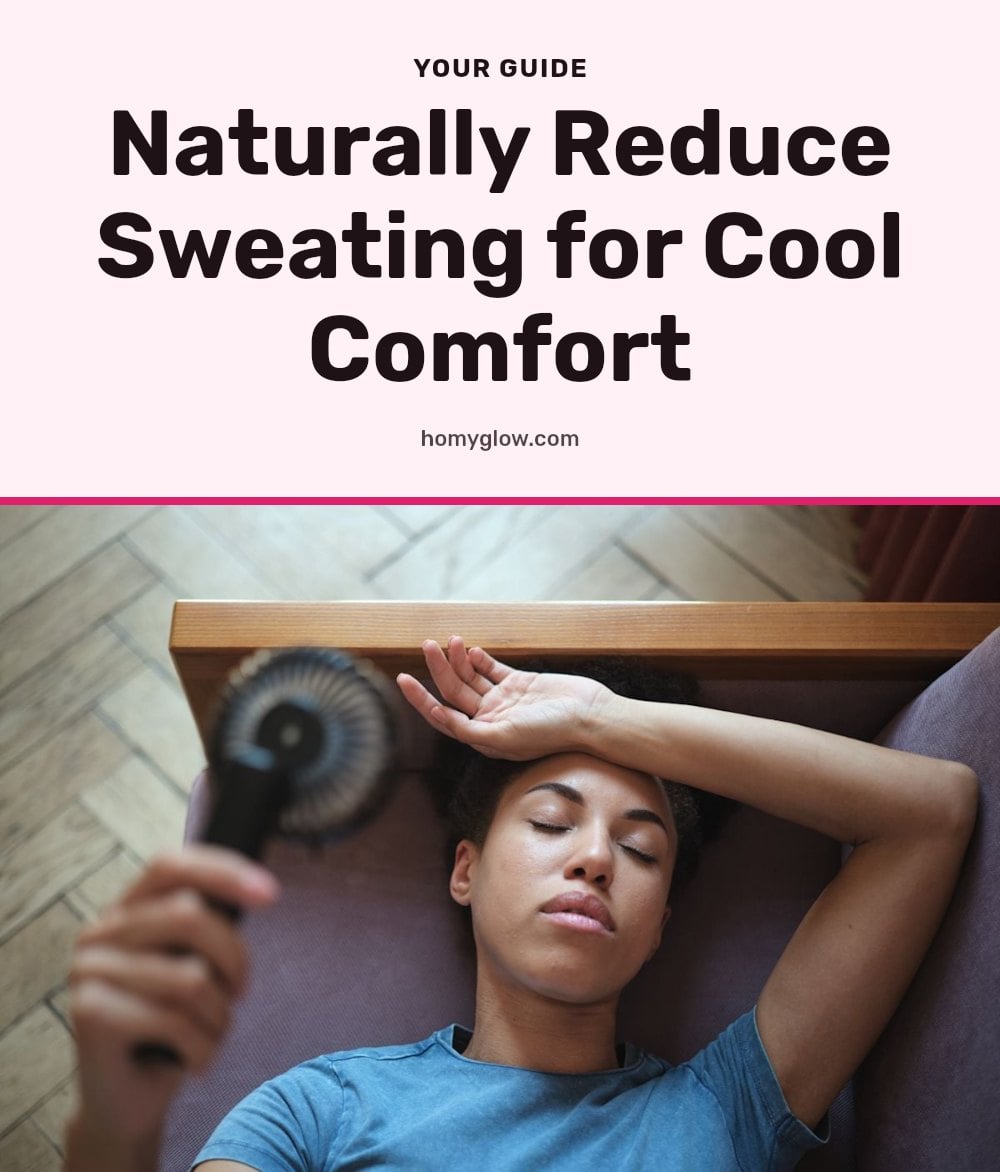
Sweating is your body’s natural cooling system, but when it feels like too much, it can be uncomfortable and embarrassing. You might be dealing with heat, stress, or even certain foods triggering extra moisture. This article covers the main reasons behind excessive sweating and shares simple, natural strategies you can start using today to feel drier and more comfortable.
Key Takeaways
- Choose loose, breathable fabrics like cotton or linen to help your skin stay cool.
- Apply antiperspirant at night for better effectiveness, not just in the morning.
- Identify and avoid personal triggers such as spicy foods, caffeine, or alcohol.
- Practice stress-reduction techniques like meditation or deep breathing to curb stress-induced sweating.
- Stay hydrated with water throughout the day to help regulate your body temperature.
Understanding Why You Sweat Excessively
Sweating is your body’s natural way of cooling down, and it’s completely normal. But when you find yourself sweating excessively, it can be frustrating. This can happen for many reasons, including heat, stress, diet, or even a condition like hyperhidrosis, which causes sweating beyond what’s needed for temperature control.
Managing sweat often starts with simple lifestyle tweaks, like adjusting your diet and improving your hygiene routine. However, if sweating persists and interferes with your daily life, it’s a good idea to talk to a healthcare professional.
Common Reasons Behind Increased Sweating
Why Your Body Sweats
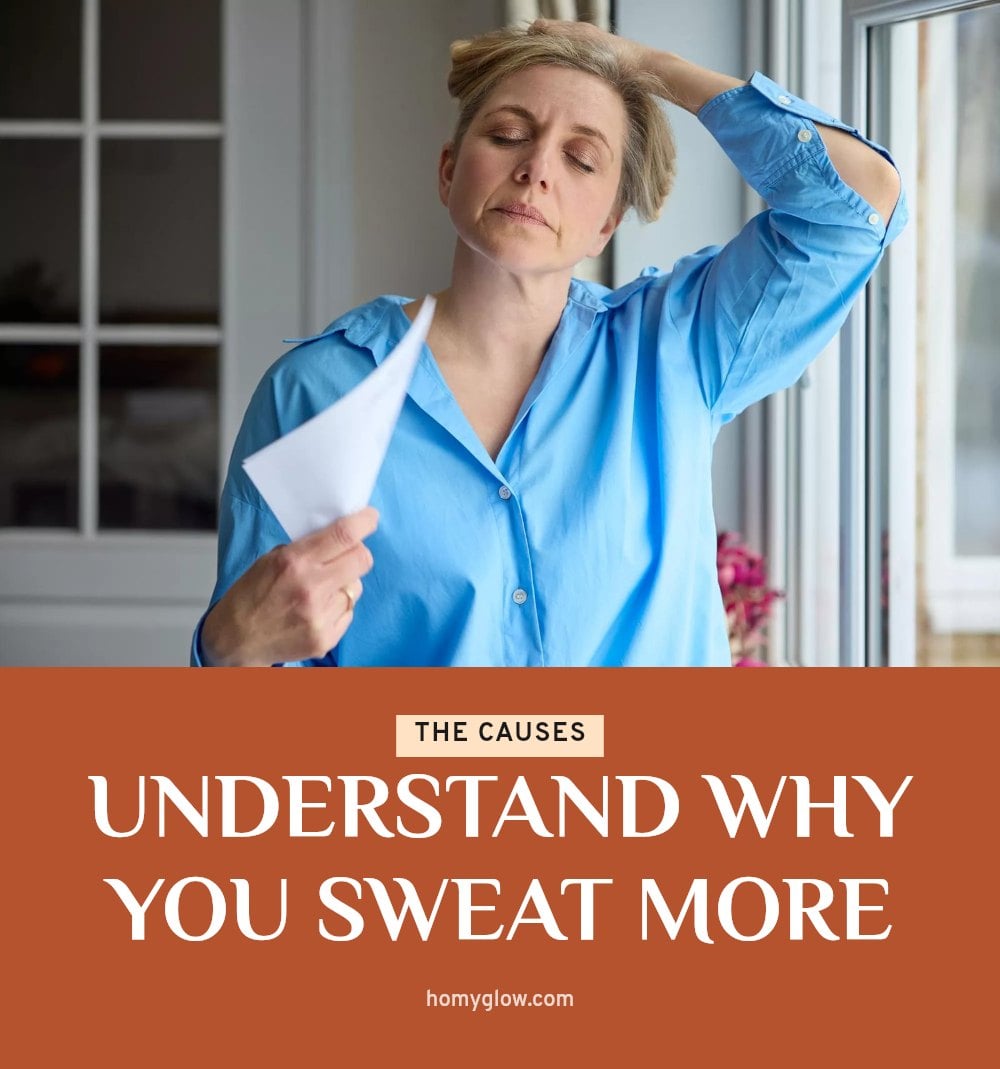
Your body relies on sweating as its main cooling mechanism. You have between 2 and 4 million sweat glands, mostly eccrine glands that produce watery, odorless sweat all over your body. Apocrine glands, found in areas like your armpits and groin, produce a thicker sweat that can smell when it mixes with skin bacteria.
Common triggers for increased sweating include:
- Heat and physical exertion: Your body sweats to bring your temperature down.
- Stress and anxiety: Emotional stress can activate your sweat glands.
- Spicy foods, caffeine, and alcohol: These can stimulate sweat production.
For most people, sweating in these situations is normal. But if you sweat excessively even when you’re cool and at rest, you might have hyperhidrosis, a medical condition that goes beyond what’s needed for temperature regulation. If that sounds like you, a doctor can help.
Effective Natural Strategies to Reduce Sweating

Natural Ways to Sweat Less
You don’t need to overhaul your life to manage sweat. Small changes in what you wear, eat, and do can make a big difference.
Choose breathable fabrics. Wear loose-fitting clothes made from natural fibers like cotton or linen. These let air circulate and help prevent heat from getting trapped against your skin.
Shower daily. Regular washing, especially after exercise, reduces the bacteria on your skin that mix with sweat and cause odor.
Use antiperspirant the right way. Antiperspirants work by temporarily blocking sweat ducts. For better effectiveness, apply it at night before bed, not just in the morning. This allows the product to form a stronger plug when your sweat glands are less active.
Stay hydrated. Drinking plenty of water throughout the day helps your body regulate its temperature, which can reduce the need to sweat excessively.
Know your triggers. Spicy foods, caffeine, and alcohol can all stimulate sweat glands. Pay attention to what makes you sweat more and try to avoid those items.
My tip: Keep a small fan at your desk or in your car to help keep air moving around you, which can reduce the feeling of being overheated.
Common Sweating Mistakes and How to Fix Them
Common Sweating Mistakes to Avoid
Even with good intentions, you might be making these mistakes that keep you sweating more than necessary.
- Confusing antiperspirant with deodorant. Antiperspirants reduce sweat, while deodorants only mask odor. If you want to sweat less, you need an antiperspirant. Using both can give you the best of both worlds.
- Applying antiperspirant only in the morning. For better effectiveness, apply it at night, not just in the morning. Your sweat glands are less active then, so the product can create a better block.
- Ignoring diet and stress. Spicy foods, caffeine, and alcohol can increase sweating, as can high stress. Adjusting your diet and trying stress-reduction techniques like deep breathing can help.
- Skipping hydration. Dehydration can actually make you sweat more, because your body struggles to regulate temperature. Drink water throughout the day, not just when you’re thirsty.
Long-Term Habits for Sweat Management
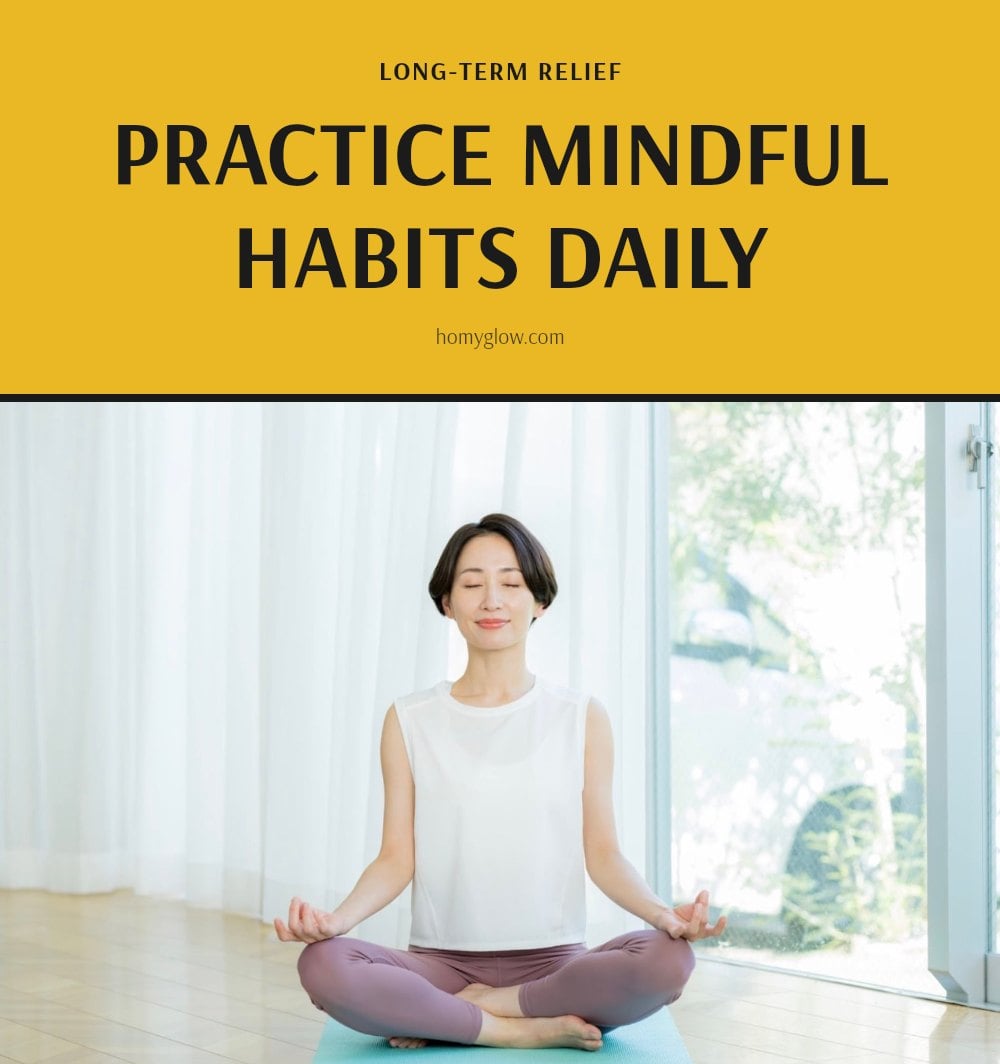
Practice stress-reduction techniques: Meditation or deep breathing exercises can help minimize stress-induced sweating. I usually take five minutes in the morning to focus on my breath, and it makes a noticeable difference.
Keep your environment cool: Use fans or air conditioning in your living and working spaces. A well-ventilated room helps your body regulate temperature naturally.
Use sweat-absorbing liners: Consider placing pads inside clothing, especially in armpit areas. They catch moisture before it reaches fabric and are easy to replace.
Maintain a balanced diet: Avoid excessive consumption of known sweat triggers like spicy foods, caffeine, and alcohol. Stick to whole foods and stay hydrated.
Review your clothing choices: Regularly check that your outfits are made from breathable materials like cotton or linen. Loose fits allow air circulation and reduce heat trapping.
When to Consult a Healthcare Professional About Sweating
If sweating is sudden, severe, or accompanied by chest pain, dizziness, shortness of breath, or fever, seek immediate medical attention. These symptoms may indicate a more serious issue.
Consult a doctor if excessive sweating interferes with daily life or starts suddenly in adulthood. Asymmetrical sweating, where only one side of the body sweats, can also signal an underlying condition.
When home remedies and lifestyle changes aren’t effective, a professional can explore medical treatments for hyperhidrosis or other causes. Don’t hesitate to get help if you’re concerned.
Frequently Asked Questions
Why do I sweat so much at night?
Nighttime sweating can be triggered by a warm sleeping environment, heavy bedding, or certain fabrics that trap heat. Stress or anxiety before bed may also play a role. If night sweats are persistent or accompanied by other symptoms, it’s a good idea to check with a healthcare professional.
Can certain foods make you sweat more?
Yes, spicy foods containing capsaicin can trigger a sweat response. Caffeine and alcohol are also common culprits that may increase sweating. Paying attention to what you eat and drinking plenty of water can help you identify and avoid these triggers.
Is it normal to sweat heavily during exercise?
Yes, heavy sweating during physical activity is a normal response to help cool your body down. The amount varies from person to person based on fitness level, genetics, and environment. As long as you stay hydrated and feel well, it’s generally nothing to worry about.
What’s the difference between antiperspirant and deodorant?
Antiperspirants work by temporarily blocking sweat ducts to reduce the amount of sweat that reaches your skin. Deodorants only mask or neutralize body odor without affecting sweat production. If your goal is to sweat less, you need an antiperspirant, not just a deodorant.
How long does it take for natural sweat reduction methods to work?
Lifestyle changes like switching to breathable fabrics, adjusting your diet, and managing stress can show results within days to weeks. Consistency is key. If you don’t see improvement after a few weeks, or if sweating remains excessive, consider consulting a doctor for further guidance.
Final Thoughts
Start with one or two changes, like switching to cotton clothing or applying antiperspirant before bed. You may notice a difference within days to weeks as your body adjusts. Stick with these habits, and if sweating still interferes with your daily life, it’s worth discussing with a doctor to rule out an underlying condition.
This article is for informational purposes only and does not constitute medical advice. If you experience sudden, severe, or persistent sweating, or if sweating is accompanied by other symptoms, please consult a healthcare professional or dermatologist for a proper evaluation.