Seeing a bald spot in the mirror can be unsettling, but you don’t have to reach for harsh chemicals or expensive treatments right away. Many people find that simple home remedies can support hair health and may help fill in those thinner patches over time. This article covers natural ingredients to try, common mistakes to avoid, and how to know when it’s time to see a professional.
Key Takeaways
- Consistency is key: apply remedies daily for at least 2 to 3 months before expecting visible results.
- Scalp massage with a carrier oil like jojoba or coconut oil can boost circulation and support hair growth.
- Always dilute essential oils like rosemary or peppermint in a carrier oil to avoid scalp irritation.
- A balanced diet rich in protein, iron, and vitamins is essential for healthy hair growth.
- See a doctor if bald spots grow larger or are accompanied by pain, redness, or scaling.
Can You Really Fill In Bald Spots Naturally?
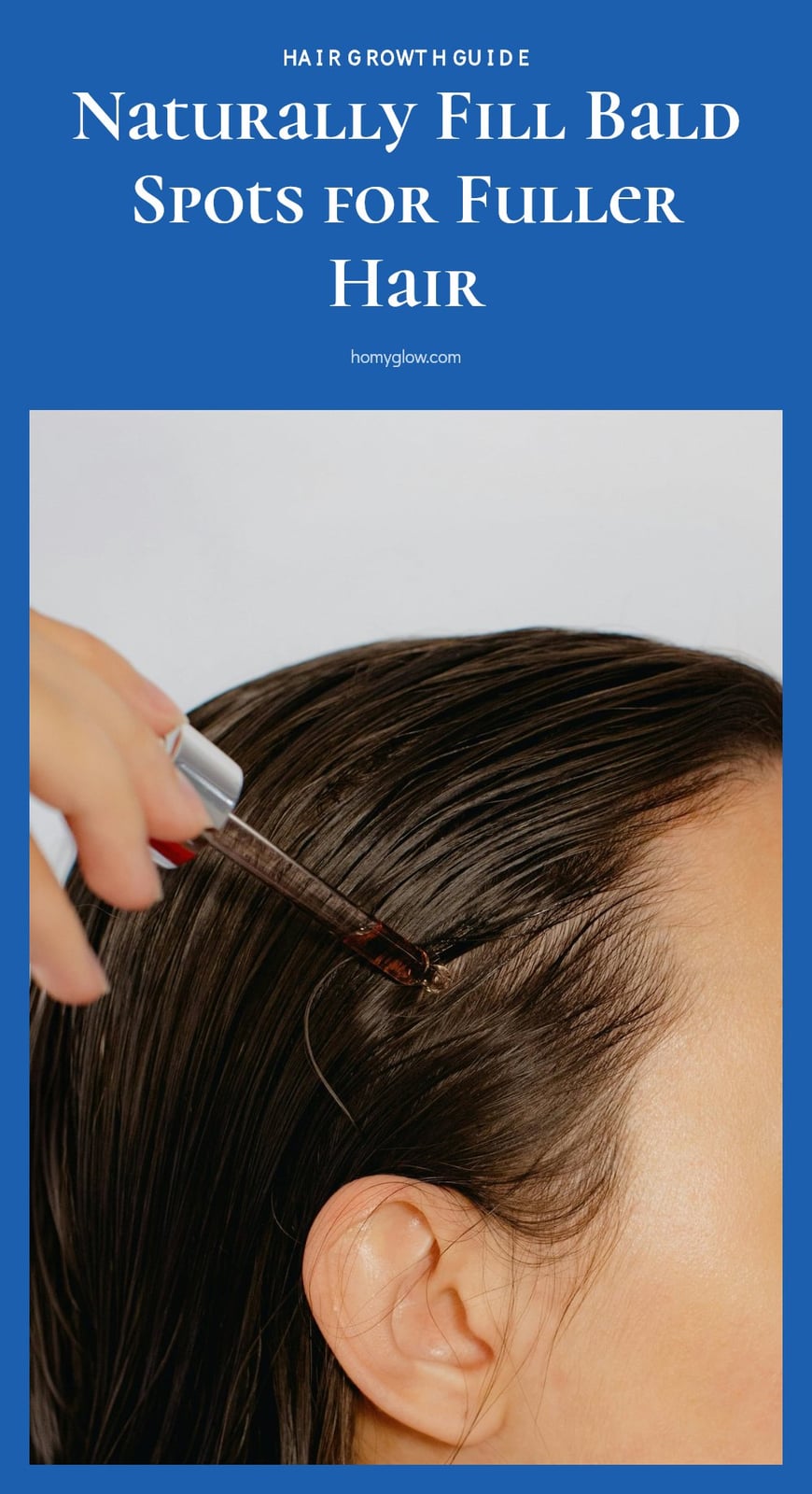
Home remedies can support hair health and may stimulate growth for certain types of bald spots, especially those caused by stress or nutritional deficiencies. Consistency is vital, and results vary; they are not a cure for underlying medical conditions. Always consult a professional for persistent or worsening bald spots to identify the root cause.
Why Bald Spots Appear: Understanding the Causes
Bald spots don’t appear out of nowhere. They usually trace back to one of a few common causes, and knowing which one you’re dealing with helps you choose the right approach. Androgenetic alopecia is the medical term for pattern baldness, which is genetic and affects both men and women. Alopecia areata is an autoimmune condition where your immune system attacks your hair follicles, often causing small, round bald patches.
Two other frequent culprits are telogen effluvium and traction alopecia. Telogen effluvium is a temporary shedding episode triggered by a major stressor, like illness, surgery, or emotional strain. Traction alopecia comes from tight hairstyles that pull on the follicle over time, such as high ponytails, braids, or extensions.
Nutritional gaps also play a role. Deficiencies in iron, zinc, biotin, and Vitamin D can weaken hair and lead to thinning or bald spots. If your diet lacks these, it is worth addressing before expecting home remedies to work.
Your At-Home Hair Growth Toolkit
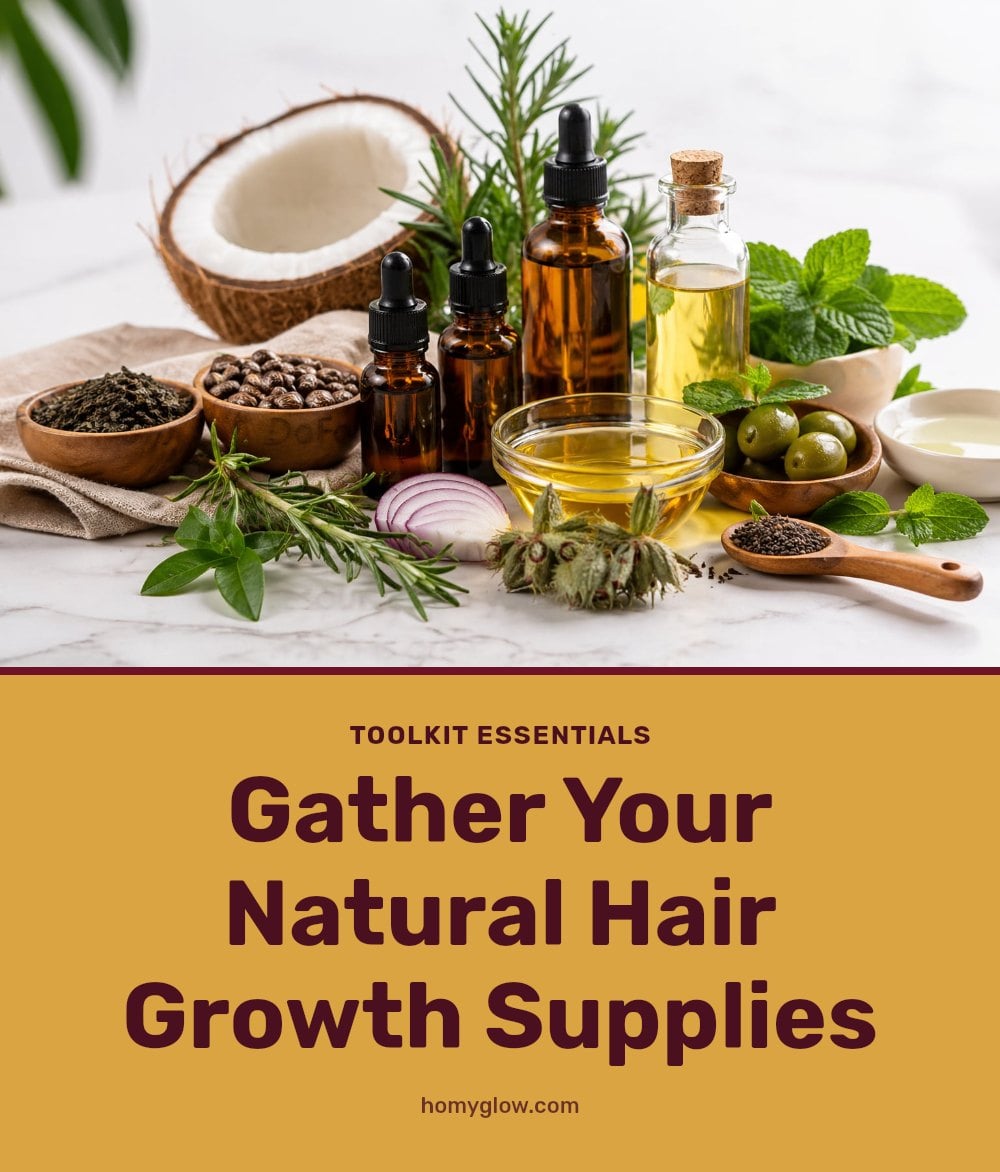
Your at-home toolkit for tackling bald spots relies on natural ingredients with targeted benefits:
- Aloe vera gel for soothing the scalp
- Onion juice for its sulfur content
- Essential oils like rosemary, peppermint, and lavender for stimulating properties
- Carrier oils such as jojoba, coconut, or castor oil for dilution
- Apple cider vinegar for scalp balance
- Green tea for antioxidants
Effective Home Remedies for Stimulating Hair Growth
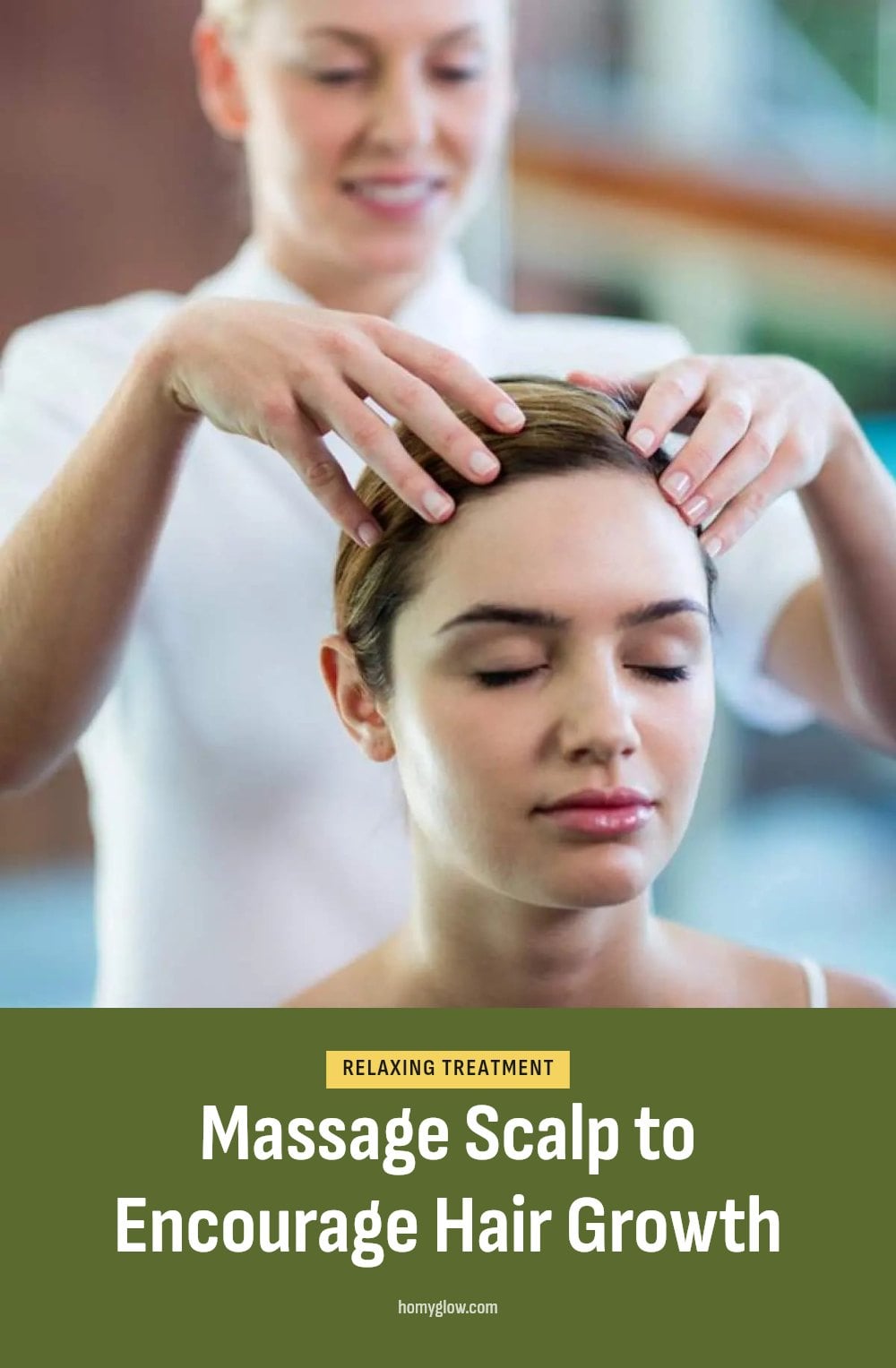
Scalp massage with oils
Massage your scalp with a carrier oil like jojoba or coconut oil for 5-10 minutes daily. This boosts blood circulation to hair follicles, which may promote growth. Tip: Warm the oil slightly for a more soothing experience.
Aloe vera
Apply fresh aloe vera gel directly to the bald spot and leave it on for 30 minutes before rinsing. It can soothe and reduce scalp inflammation. Caution: Do a patch test first, as some people may experience irritation.
Onion juice
Extract juice from a grated onion and apply it to the spot with a cotton ball. Leave it on for 15-20 minutes, then rinse. The sulfur content may improve circulation and collagen. Tip: Rinse with a mild shampoo to reduce the strong odor.
Diluted essential oils
Mix 3-4 drops of rosemary, peppermint, or lavender essential oil with a tablespoon of carrier oil. Massage into the scalp and leave for at least 30 minutes or overnight. These oils can stimulate follicles. Caution: Never apply undiluted essential oils; they can cause burns or irritation.
Green tea rinse
Steep two green tea bags in a cup of hot water, let cool, and pour over your scalp after shampooing. Leave for 10 minutes, then rinse. The antioxidants and catechins may support hair health.
Apple cider vinegar
Mix one part apple cider vinegar with two parts water and apply after washing. Leave for 5 minutes, then rinse. This can balance scalp pH and clean follicles, though scientific evidence for hair growth is limited.
Common Mistakes to Avoid When Treating Bald Spots
Expecting fast results is the biggest trap. Hair grows about half an inch per month, so visible changes take months, not weeks. Plan for at least 2 to 3 months of consistent application before judging any remedy.
- Ignoring underlying issues: Home remedies support hair health, but they are not a substitute for medical treatment. If you suspect a condition like alopecia areata, see a doctor.
- Overdoing it: Using too much product or applying it too often can irritate the scalp. Follow the instructions for each remedy and give your skin a break if it feels sensitive.
- Skipping dilution: Essential oils must always be mixed with a carrier oil like jojoba or coconut. Undiluted oils can burn or inflame the scalp.
- Rough handling: Over-washing or vigorously scrubbing your scalp can worsen hair loss. Wash gently and pat dry.
- Inconsistency: Regular application is the only way to see any potential benefit. Pick a routine you can stick with daily or every other day.
My tip: keep a small calendar or phone reminder for your treatment days so you do not lose track.
Preventing New Bald Spots: Lifestyle and Hair Care
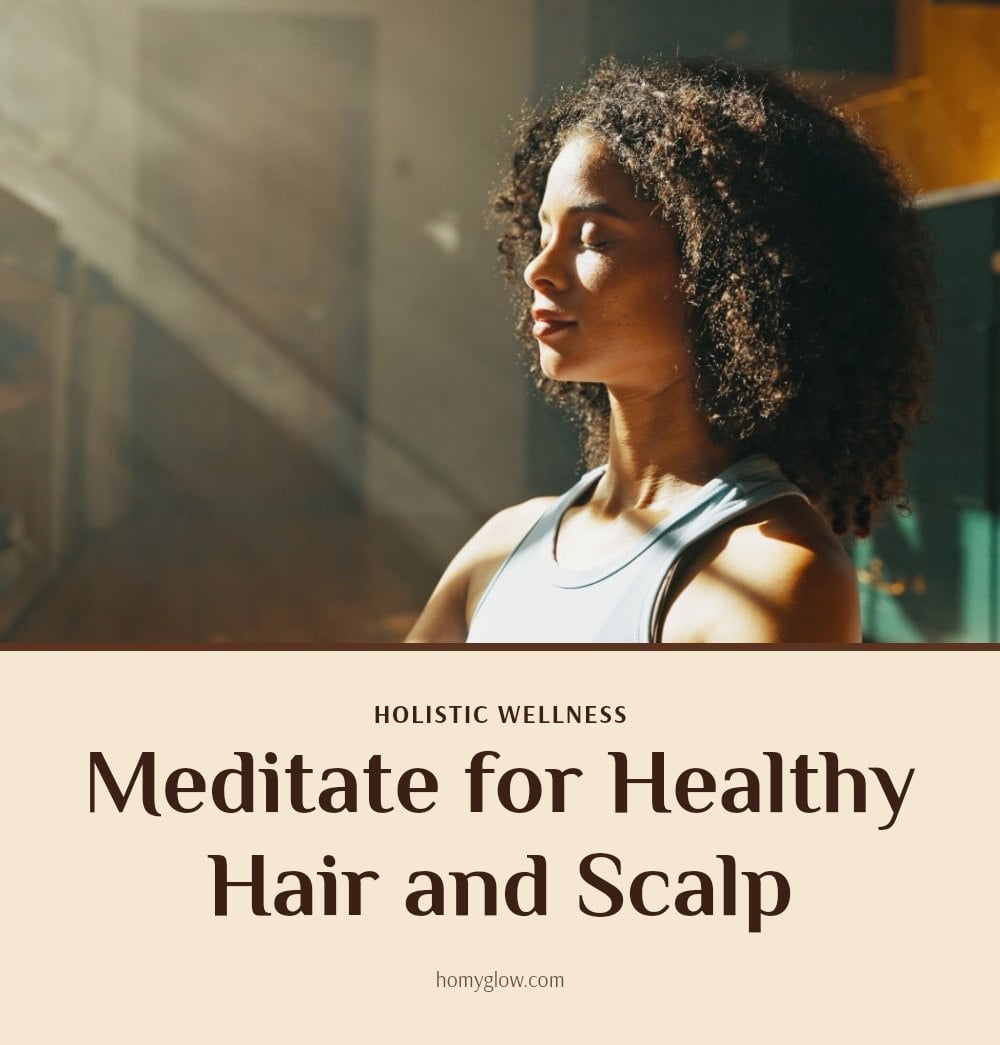
Preventing new bald spots starts with daily habits that protect your follicles from stress and damage.
- Manage stress: Yoga, meditation, or even a short walk can reduce stress-induced shedding linked to telogen effluvium.
- Eat for your hair: A balanced diet with enough protein, vitamins, and minerals supports healthy growth. Include eggs, leafy greens, nuts, and fish.
- Check your iron, zinc, biotin, and Vitamin D: Deficiencies in these nutrients can contribute to hair loss. A doctor can test your levels.
- Avoid tight styles: High ponytails, braids, and buns that pull on the roots can cause traction alopecia. Loosen them or alternate styles.
- Choose gentle products: Look for sulfate-free shampoos and avoid harsh chemicals like bleach or relaxers when possible.
- Timeline: Several weeks to months of daily or every-other-day use may show new growth or reduced shedding.
- Investment: Most ingredients like aloe vera, coconut oil, and green tea are inexpensive and already in many kitchens.
- Track progress: Take a photo of the area every two weeks under the same lighting to compare changes without relying on memory.
- Persistent or worsening spots: Bald spots that grow larger, spread, or do not improve after several months of consistent home care.
- Scalp symptoms: Pain, redness, scaling, or pus on the affected area may indicate an infection or another condition.
- Suspected medical cause: If you think you have alopecia areata or severe pattern baldness, professional diagnosis is essential.
- Pregnancy or breastfeeding: Some essential oils and remedies are not safe during these periods. Ask your doctor before trying anything new.
Pro move: swap your regular pillowcase for a satin one to reduce friction while you sleep.
What to Expect: Timeline and Investment
Results from home remedies take time. Hair grows roughly half an inch per month, so visible changes are gradual. Expect to apply your chosen remedy consistently for at least 2 to 3 months before assessing whether it works.
If you see no improvement after several months, that is a signal to consult a professional rather than trying another home remedy.
When to See a Professional for Your Bald Spots
Home remedies are not a substitute for medical care. See a doctor or dermatologist if you notice any of the following:
Caution: sudden, rapid hair loss or bald spots appearing in patches warrants prompt medical advice to identify the root cause.
Frequently Asked Questions
How long do home remedies take to show results for bald spots?
Hair grows roughly half an inch per month, so visible changes from home remedies typically take several weeks to months of consistent daily application. Plan for at least 2 to 3 months before judging whether a remedy is working for you.
Can stress cause bald spots, and how can I manage it?
Yes, stress can trigger a temporary hair loss condition called telogen effluvium, which may lead to bald spots. Managing stress through activities like yoga, meditation, or short walks can help reduce this type of shedding and support overall hair health.
Are there foods that promote hair growth for bald spots?
A balanced diet rich in protein, iron, zinc, biotin, and vitamin D supports healthy hair growth. Foods like eggs, spinach, almonds, and fatty fish can help address nutritional deficiencies that may contribute to hair loss.
Is it safe to use essential oils directly on my scalp?
No, undiluted essential oils can cause irritation, redness, or burning. Always dilute them in a carrier oil like jojoba, coconut, or castor oil before applying to the scalp. Perform a patch test first to check for any allergic reaction.
What’s the difference between temporary and permanent bald spots?
Temporary bald spots, like those from stress or tight hairstyles, can often improve with lifestyle changes and consistent home care. Permanent bald spots, such as those from genetic pattern baldness or scarring, may not respond to home remedies and often require professional medical treatment.
Final Thoughts
My tip: pick one or two remedies from the toolkit and stick with them daily for at least three months before switching. Hair grows slowly, so patience is your best ally. With consistent care and a healthy lifestyle, you may see gradual improvement, but always listen to your scalp and see a professional if things don’t improve.
This article provides general information about home remedies for hair growth and is not a substitute for professional medical advice. If you have persistent or worsening bald spots, scalp pain, or suspect an underlying medical condition, please consult a doctor or dermatologist for a proper diagnosis and treatment plan.