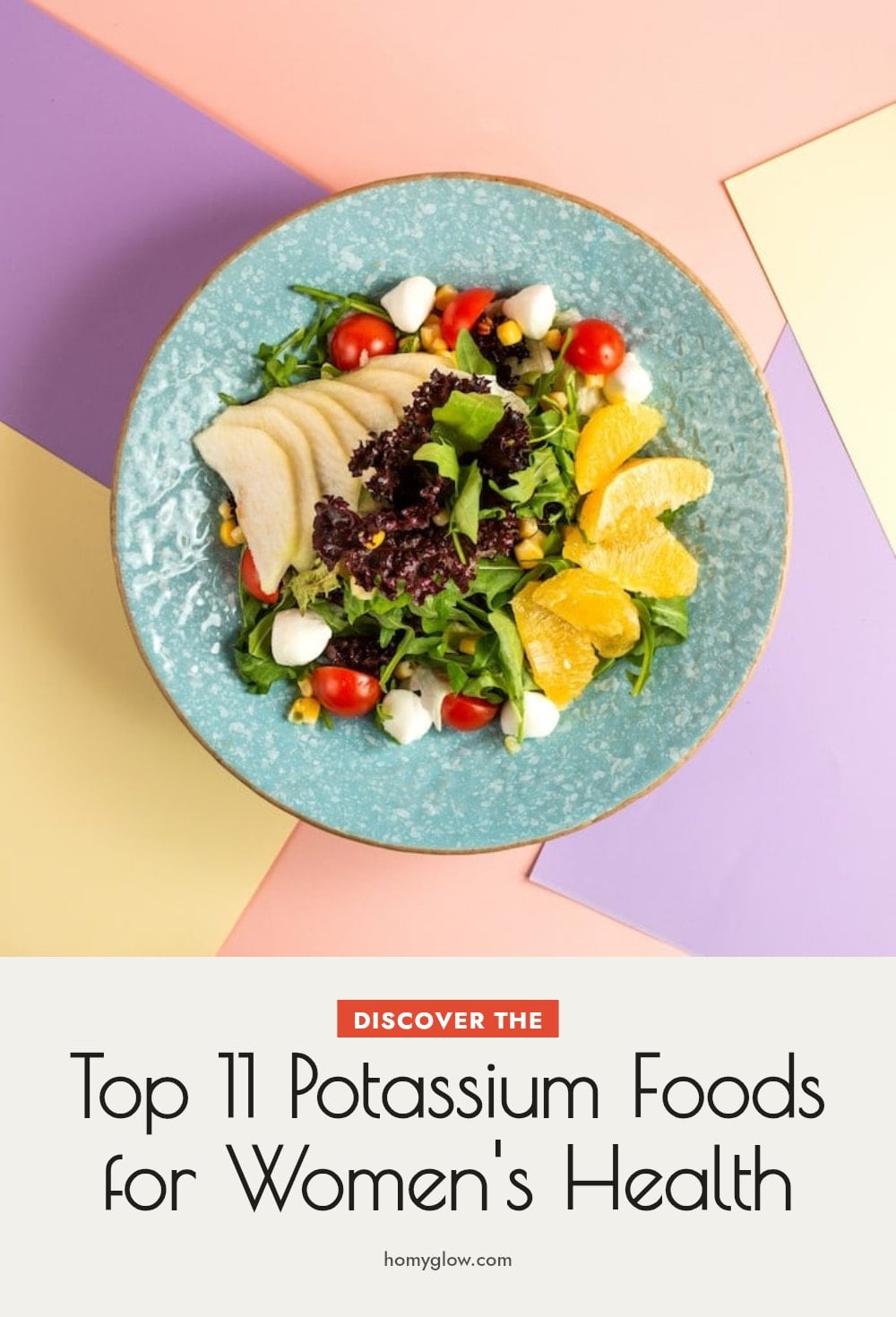
You already know potassium is important, but maybe you’re not sure how much you need or which foods pack the biggest punch. This article covers 11 of the best potassium-rich foods for women, from everyday staples to surprising sources, so you can easily boost your intake through diet alone.
Whether you’re looking to support heart health, balance fluids, or simply eat more whole foods, these options make it simple to hit your daily target without overcomplicating your meals.
Key Takeaways
- Adult women need about 2,600 mg of potassium daily for heart and muscle health.
- One cup of cooked spinach provides 839 mg, making it one of the top vegetable sources.
- Dried apricots are a concentrated source with 1,100 mg per half-cup, but watch the natural sugars.
- Pair potassium-rich foods with a low-sodium diet for the best blood pressure support.
- If you have kidney disease or take certain medications, talk to your doctor before increasing intake.
Boost Your Health with These Potassium-Rich Foods
Potassium is an essential mineral that keeps your fluid balance, nerve signals, and muscle contractions running smoothly. It’s especially important for heart health and can help offset the effects of sodium on blood pressure. The good news: many everyday fruits, vegetables, and legumes are excellent sources, so meeting the recommended 2,600 mg daily for adult women is simpler than you think. My tip: focus on a diverse range of whole, unprocessed foods, and you’ll naturally boost your intake without much effort.
1. Sweet Potatoes
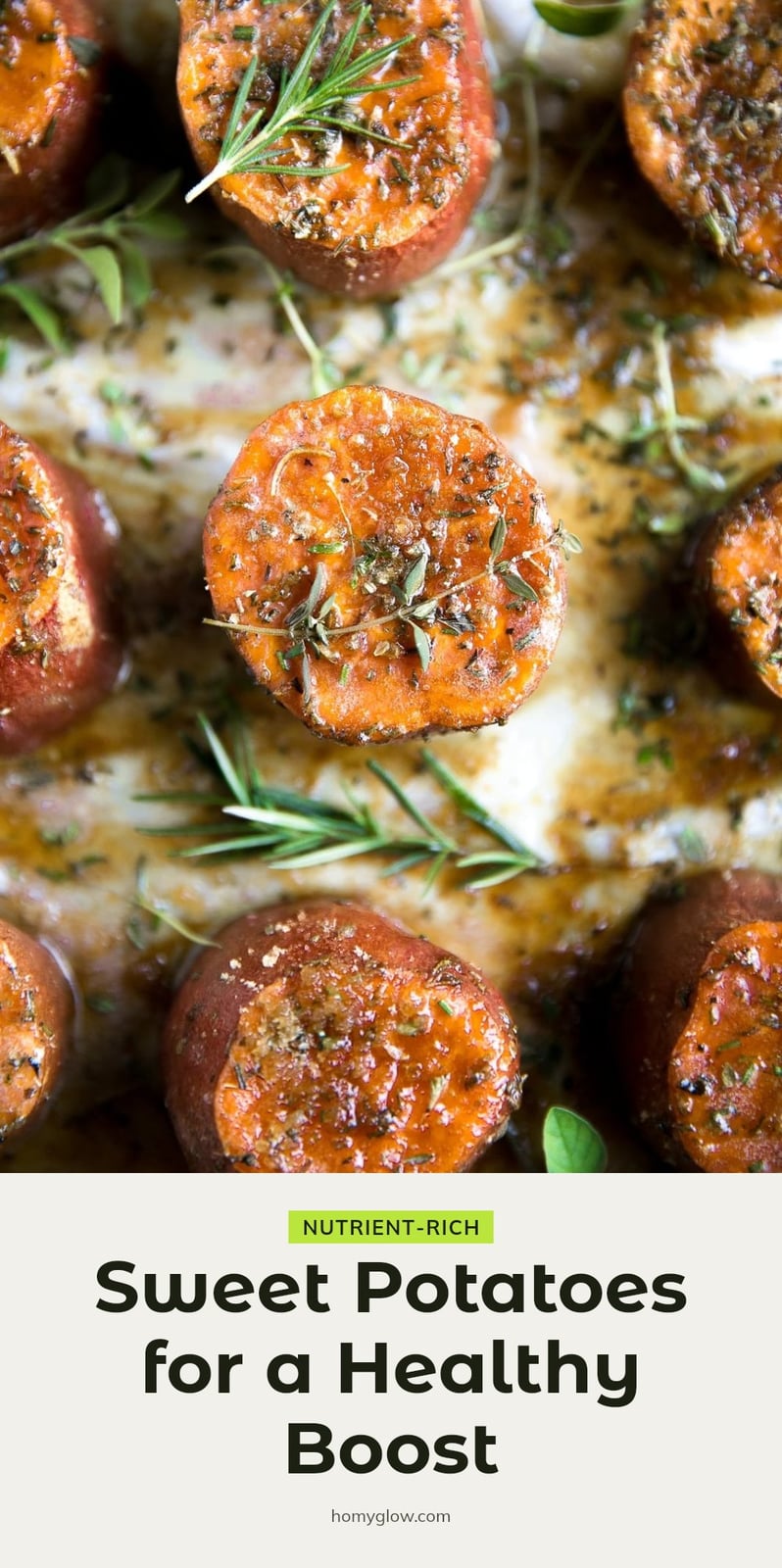
One medium baked sweet potato delivers around 542 mg of potassium, making it a true powerhouse for this mineral. I love how versatile they are, bake, roast, or mash them as a side dish or use them as a base for a hearty meal. They’re also packed with fiber and vitamins, so you get extra benefits beyond potassium.
2. Cooked Spinach
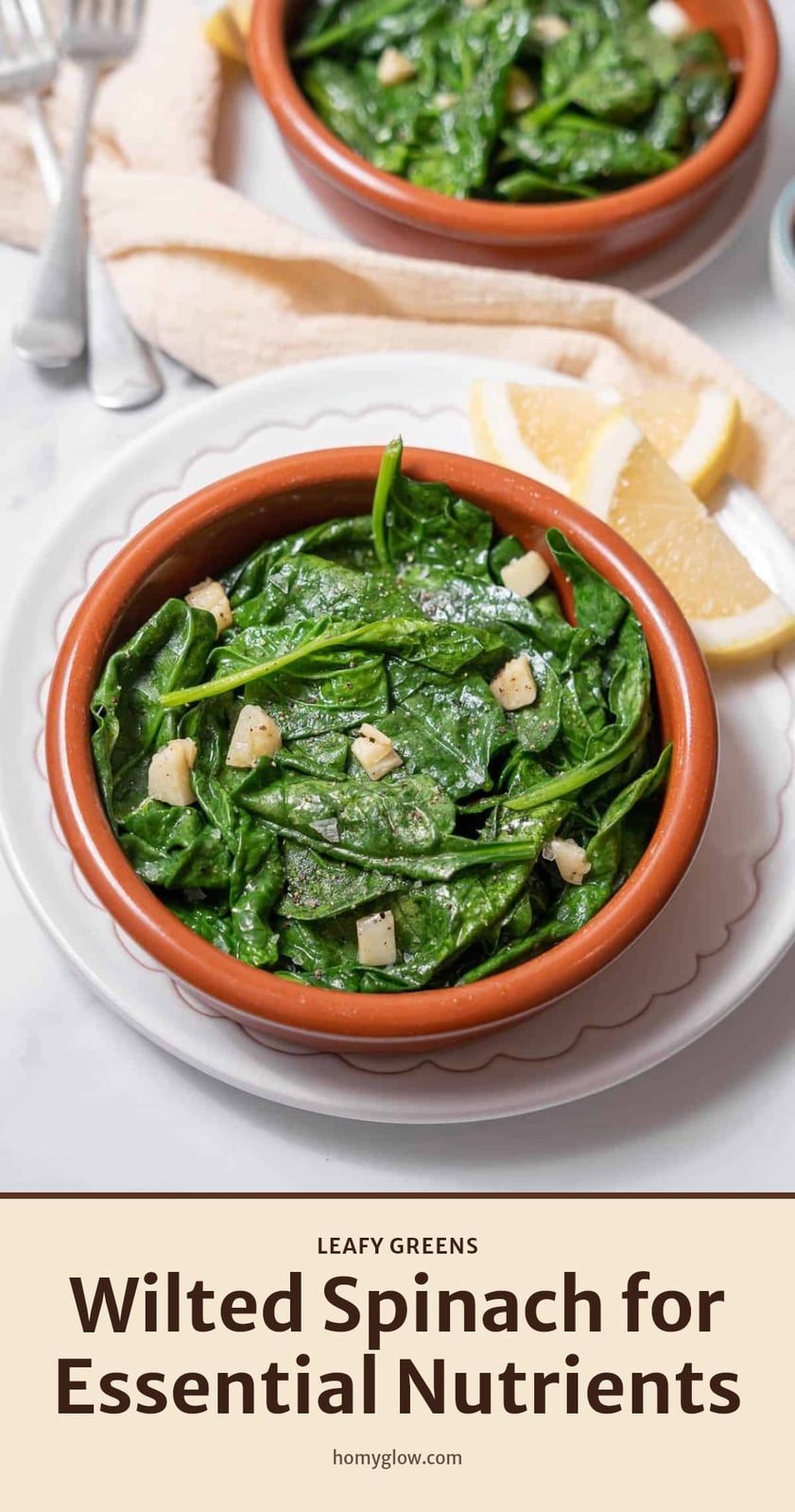
A single cup of cooked spinach provides an impressive 839 mg of potassium, putting it among the top vegetable sources. The trick is that spinach shrinks dramatically when cooked, so you can easily add a lot without noticing. Wilt it into omelets, stir-fries, or pasta sauces for a simple boost.
3. Lentils and Beans
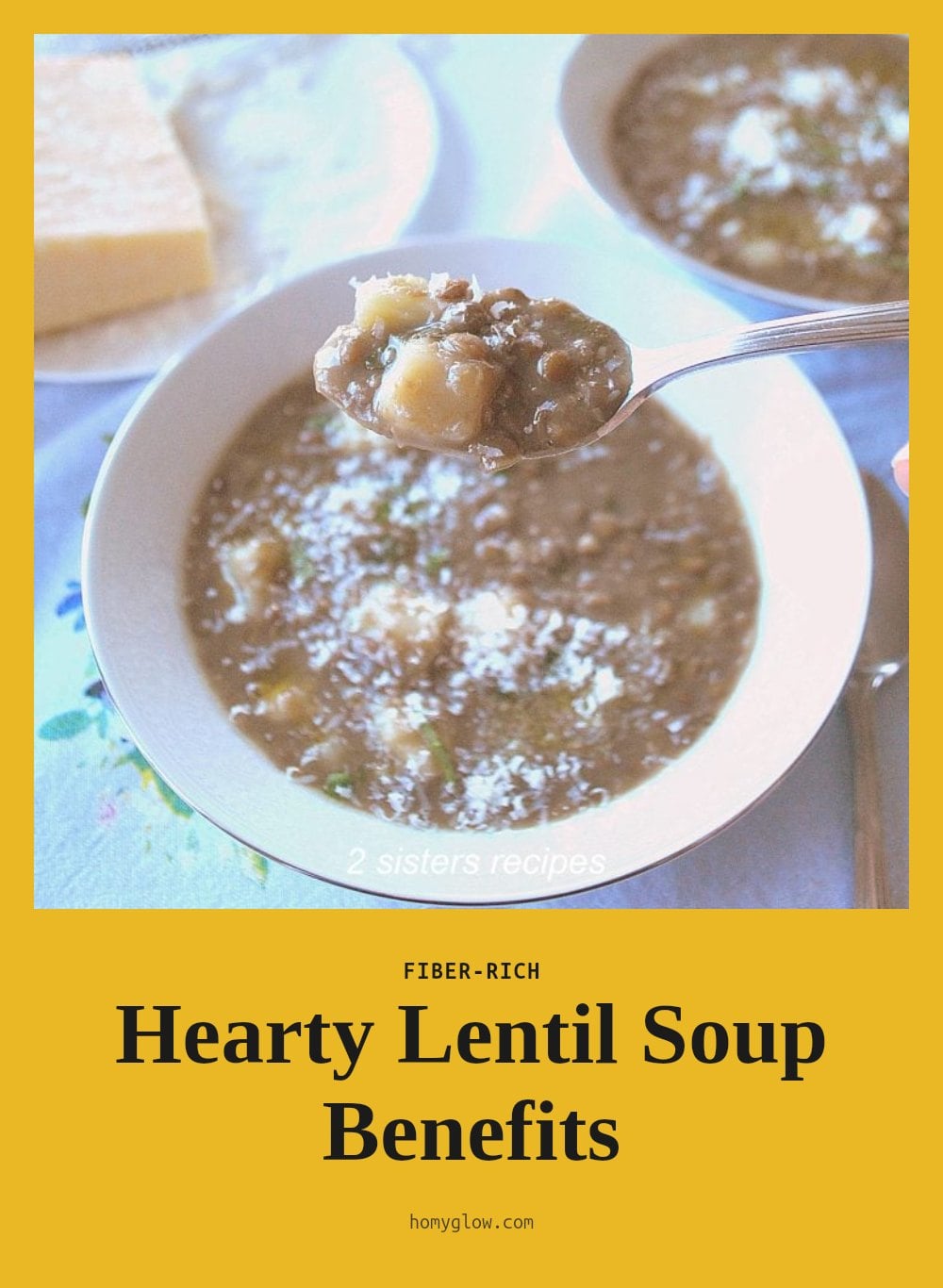
Legumes like lentils are fantastic for potassium, with one cup of cooked lentils offering about 731 mg. Black beans and kidney beans are also excellent choices. Toss them into soups, stews, salads, or make a hearty vegetarian chili. They’re also great for fiber and protein, making them a satisfying addition to any meal.
4. Avocados
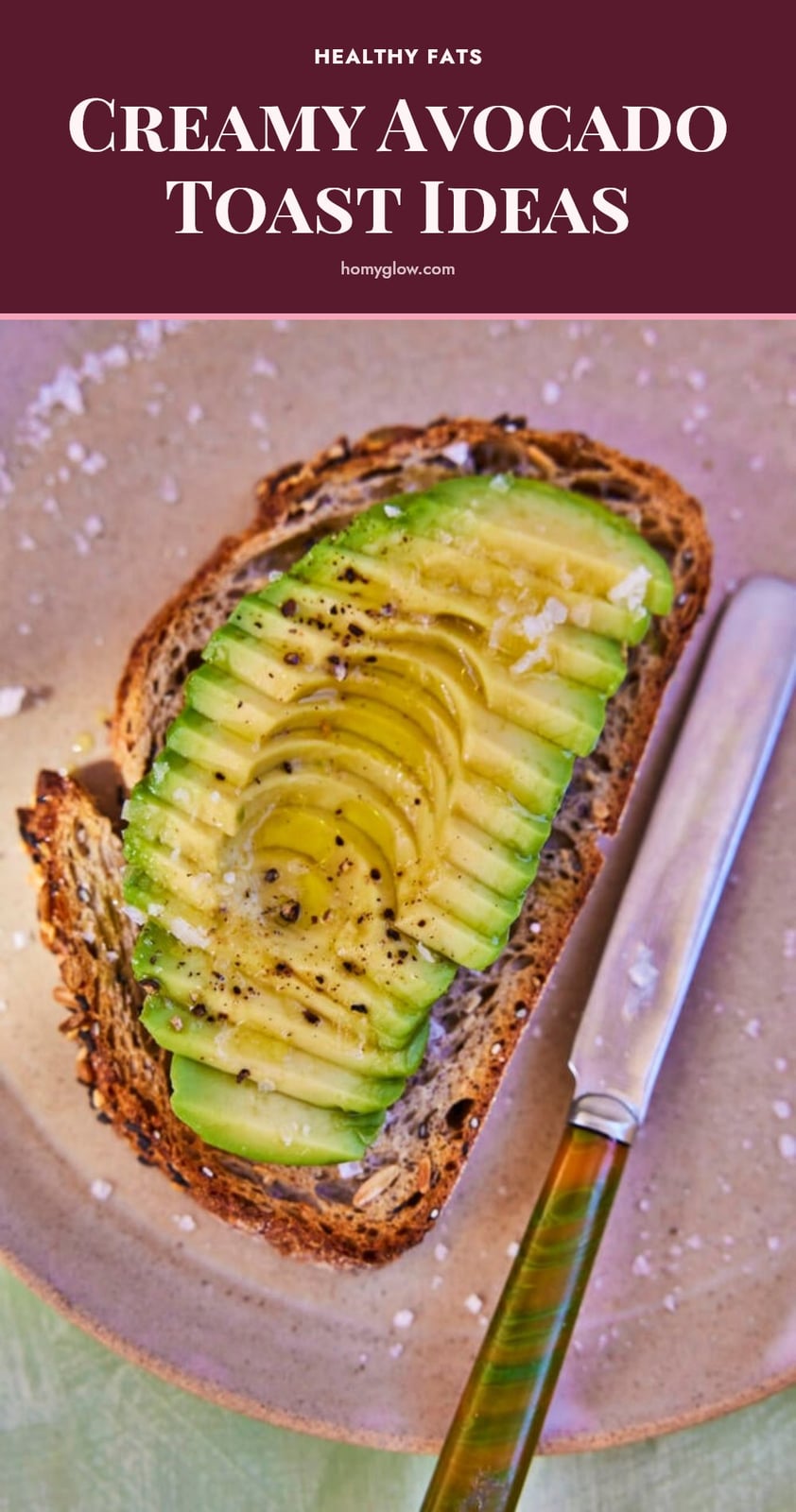
Half an avocado contains about 364 mg of potassium, plus heart-healthy monounsaturated fats. My tip: Mash it for guacamole, slice it onto toast, or cube it into salads for a creamy texture and a nutrient boost. Each method works well for different meals.
5. Dried Apricots
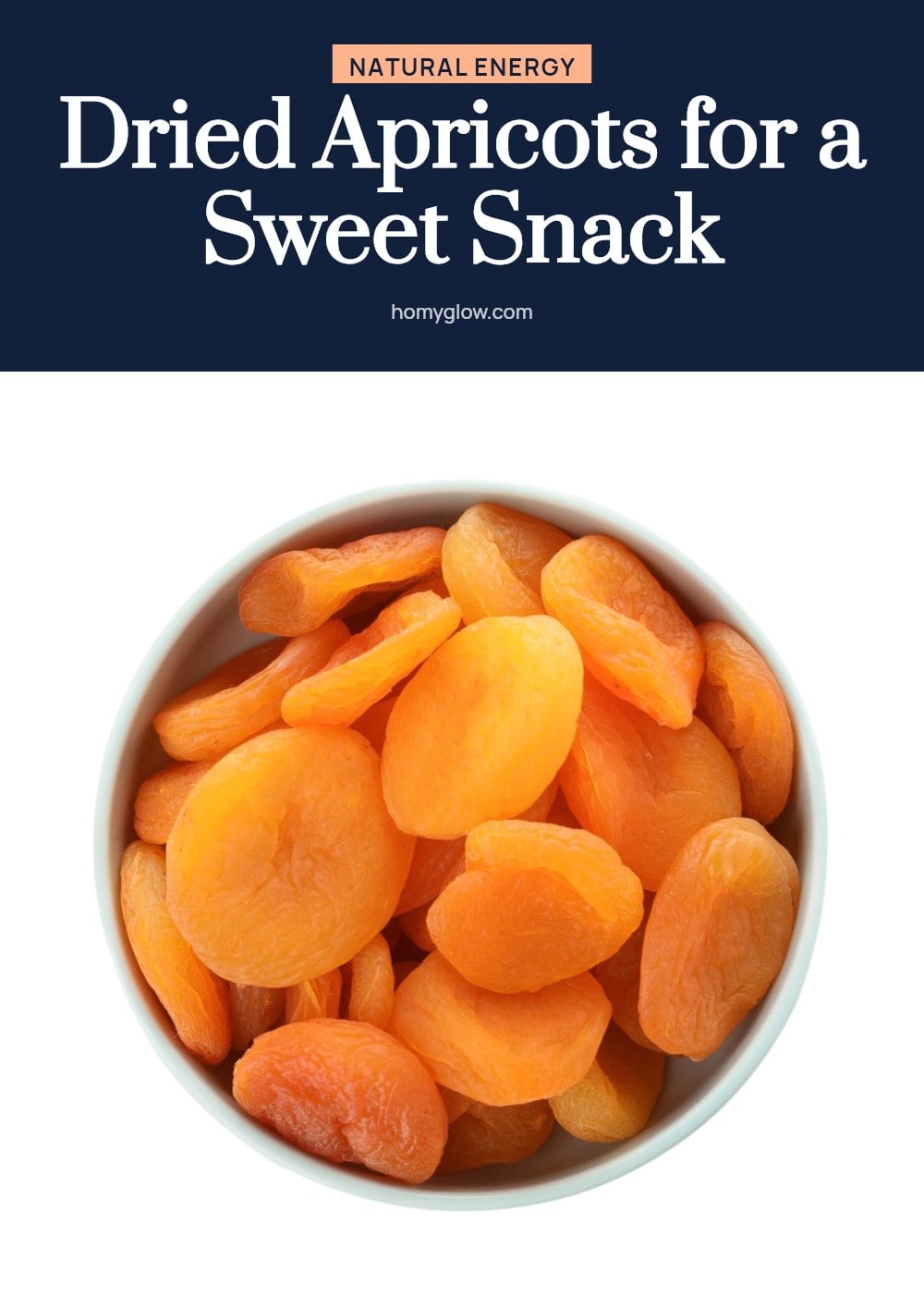
Dried apricots are a concentrated source, with a half-cup serving providing around 1,100 mg of potassium, one of the highest per serving. Caution: They are also high in natural sugars, so enjoy them in moderation as a snack or stirred into oatmeal.
6. Bananas
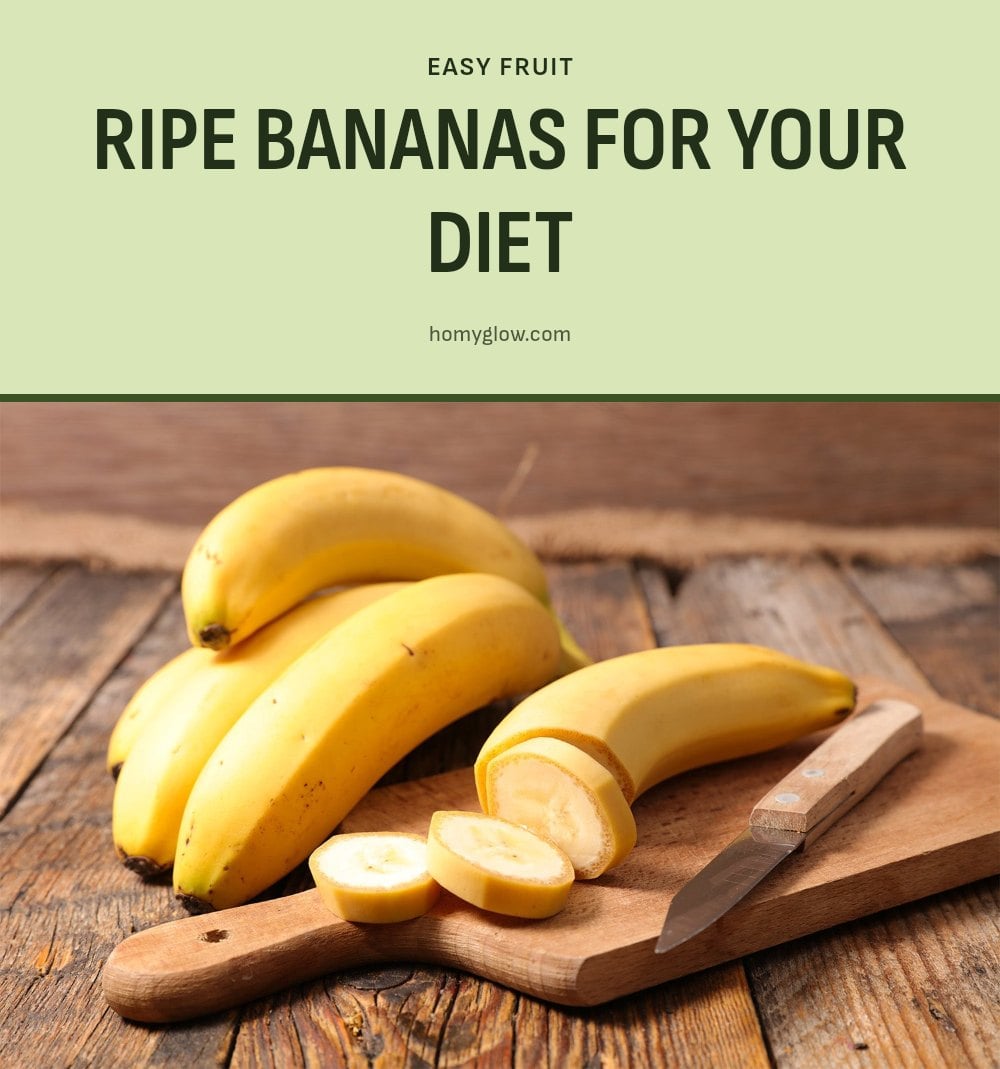
One medium banana offers a solid 422 mg of potassium and is the ultimate portable snack. Blend it into smoothies, slice it over cereal, or grab one on the go for a quick energy and potassium boost. My tip: Pair it with a handful of nuts for a more balanced snack.
7. Plain Yogurt
One cup of plain yogurt contributes about 380 mg of potassium, plus probiotics and calcium. Tip: Choose plain, unsweetened varieties and add your own fruit for sweetness. It works as a quick breakfast, a snack, or even a base for savory dips.
8. Salmon and Other Fish
A 3-ounce serving of cooked salmon provides about 416 mg of potassium, plus omega-3 fatty acids that support heart and brain health. My tip: Grill, bake, or pan-sear salmon for a simple dinner. Other fatty fish like tuna and halibut also offer good amounts of potassium.
9. Potatoes
A medium baked potato with its skin can contain over 900 mg of potassium, making it a surprisingly high source. My tip: Don’t skip the skin, that’s where a lot of the nutrients, including potassium and fiber, are concentrated. Bake them whole for the best results.
10. Tomatoes
Whether fresh, sauced, or paste, tomatoes are a good source of potassium. One cup of tomato puree contains about 817 mg. My tip: Use canned crushed tomatoes for sauces, soups, and stews. They’re often more concentrated in nutrients than fresh.
11. Beet Greens
Often overlooked, the leafy green tops of beets are incredibly rich in potassium, with one cup cooked offering around 655 mg. My tip: Don’t discard them. Sauté them with garlic and olive oil for a delicious and nutrient-packed side dish.
When to Talk to Your Doctor About Potassium
While increasing potassium through food is safe for most people, certain situations require medical guidance. If you have kidney disease, your body may struggle to remove excess potassium, and high levels can become dangerous. The same caution applies if you take medications that affect potassium balance, such as ACE inhibitors or potassium-sparing diuretics. Always discuss significant dietary changes with your doctor before making them.
Pay attention to how you feel. Symptoms of very high potassium, known as hyperkalemia, include severe muscle weakness, unusual fatigue, nausea, or an irregular heartbeat. If you experience any of these, seek medical attention immediately. Never start potassium supplements without a healthcare provider’s approval, especially if you have underlying conditions or take prescription medications.
Frequently Asked Questions
How much potassium do women need daily?
Adult women should aim for about 2,600 mg of potassium per day. This target supports fluid balance, nerve signals, and muscle contractions. Meeting it through whole foods like fruits, vegetables, and legumes is usually straightforward and safe for most people.
Can I get enough potassium from diet alone?
Yes, most women can get enough potassium from food alone by eating a variety of fruits, vegetables, legumes, and lean proteins. Supplements are rarely necessary and should only be used under a doctor’s guidance, especially if you have kidney issues or take certain medications.
What are the signs of low potassium?
Symptoms of potassium deficiency, known as hypokalemia, can include muscle weakness, fatigue, and constipation. If you experience these or an irregular heartbeat, it’s important to see a healthcare professional for proper evaluation and advice.
Does cooking reduce potassium in foods?
Yes, some potassium can leach into cooking water when vegetables are boiled or overcooked. To minimize loss, use methods like steaming, roasting, or sautéing, and if you boil, use the cooking liquid in soups or sauces to retain the nutrients.
Are potassium supplements necessary?
For most healthy women, supplements are not necessary because a balanced diet provides plenty of potassium. Taking them without medical advice can be risky, especially if you have kidney disease or are on medications that affect potassium levels. Always consult a doctor first.
Final Thoughts
To make potassium a regular part of your routine, pick two or three foods from the list and add them to meals you already eat. For example, start with a baked sweet potato as a side or toss cooked spinach into your morning eggs. Consistent daily intake is what matters, not a single high-dose food.
Over time, a varied diet of fruits, vegetables, and legumes will help you meet your needs naturally. And if you have any health conditions that affect potassium, a quick chat with your doctor keeps everything safe and effective.
This article is for general informational purposes only and does not constitute medical or dietary advice. Potassium needs and safety can vary based on individual health conditions, medications, and kidney function. If you have concerns about your potassium levels or are considering supplements, please consult a doctor or registered dietitian.