You’ve likely started noticing a few fine lines or a change in your skin’s texture, and you’re wondering what actually works. The truth is, anti-aging isn’t about one miracle product; it’s about consistent, everyday habits that support your skin’s health as it matures. In this article, I’ll walk you through 12 practical steps, from sun protection to sleep, that can help you maintain a youthful glow and keep your skin resilient for years to come.

Key Takeaways
- Apply broad-spectrum SPF 30+ sunscreen every day, even indoors or on cloudy days.
- Start retinoids gradually, applying 2-3 times weekly to avoid irritation.
- Exfoliate 1-3 times per week with a gentle chemical exfoliant like AHA or BHA.
- Get 7-9 hours of quality sleep nightly to support skin repair and regeneration.
- Extend your skincare routine to your neck and décolletage to prevent premature aging.
What Does Anti-Aging Skincare Really Mean?
Anti-aging skincare is proactive care that supports your skin’s health and resilience as it matures. It focuses on consistent daily habits and targeted ingredients to help mitigate visible signs like fine lines and hyperpigmentation. The goal is to improve your skin’s texture and appearance over time, not to stop the natural aging process entirely. Realistic expectations and steady routines make the biggest difference.
1. Prioritize Daily Sun Protection
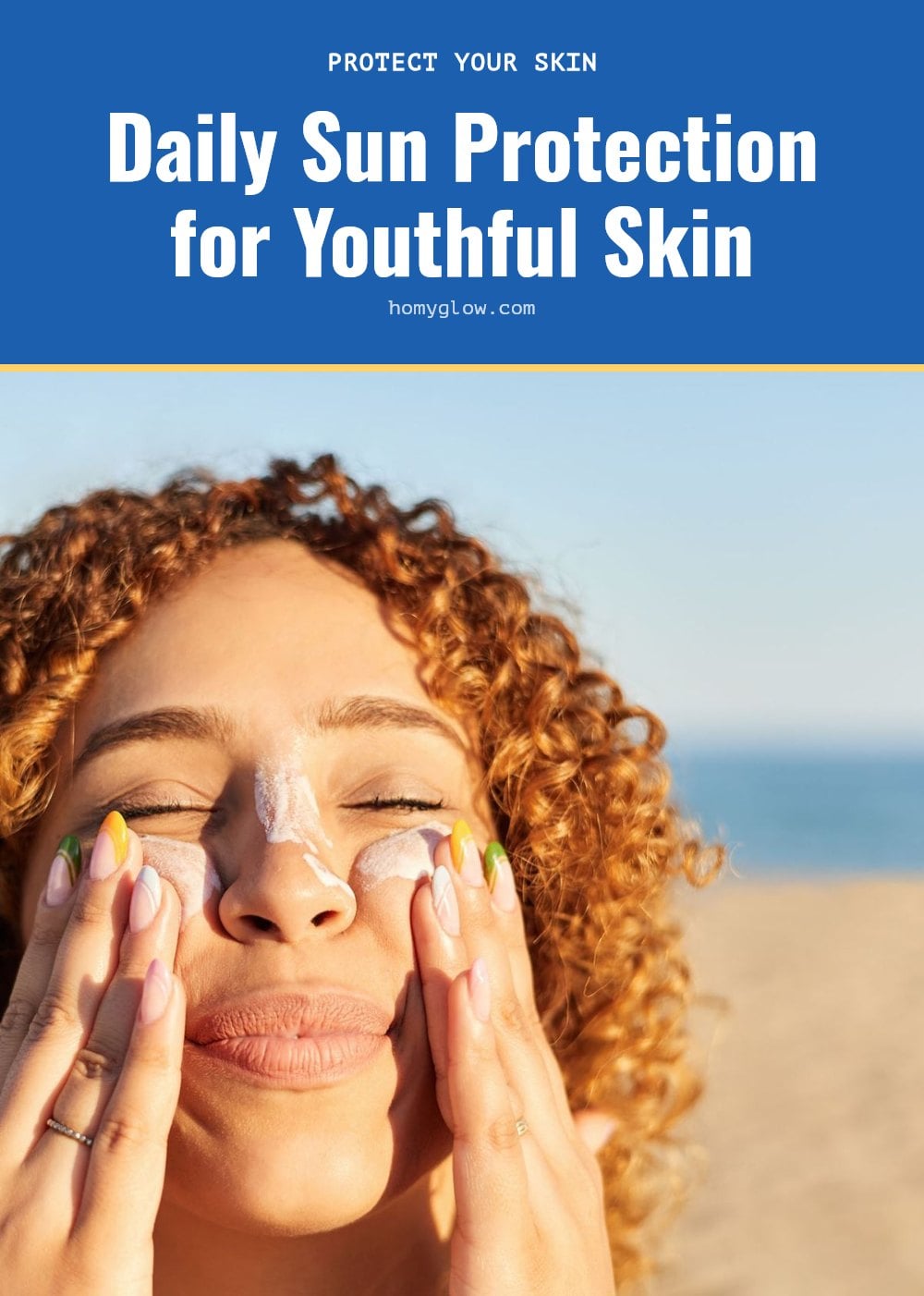
Sun exposure is the primary external factor in skin aging, known as photoaging. Use a broad-spectrum sunscreen with SPF 30 or higher every single day, even when you are indoors or it is cloudy. Reapply every two hours if you are in direct sunlight, or after swimming or sweating.
My tip: Do not forget your neck, chest, and hands. These areas show signs of aging just as much as your face, so give them the same protection.
2. Cleanse Gently, Twice Daily

Gentle cleansing helps maintain your skin’s natural barrier without stripping away essential oils. Wash your face twice a day to remove makeup, dirt, and impurities. Avoid harsh cleansers that leave your skin feeling tight or dry, as this can disrupt your barrier and lead to irritation.
3. Hydrate Your Skin Consistently
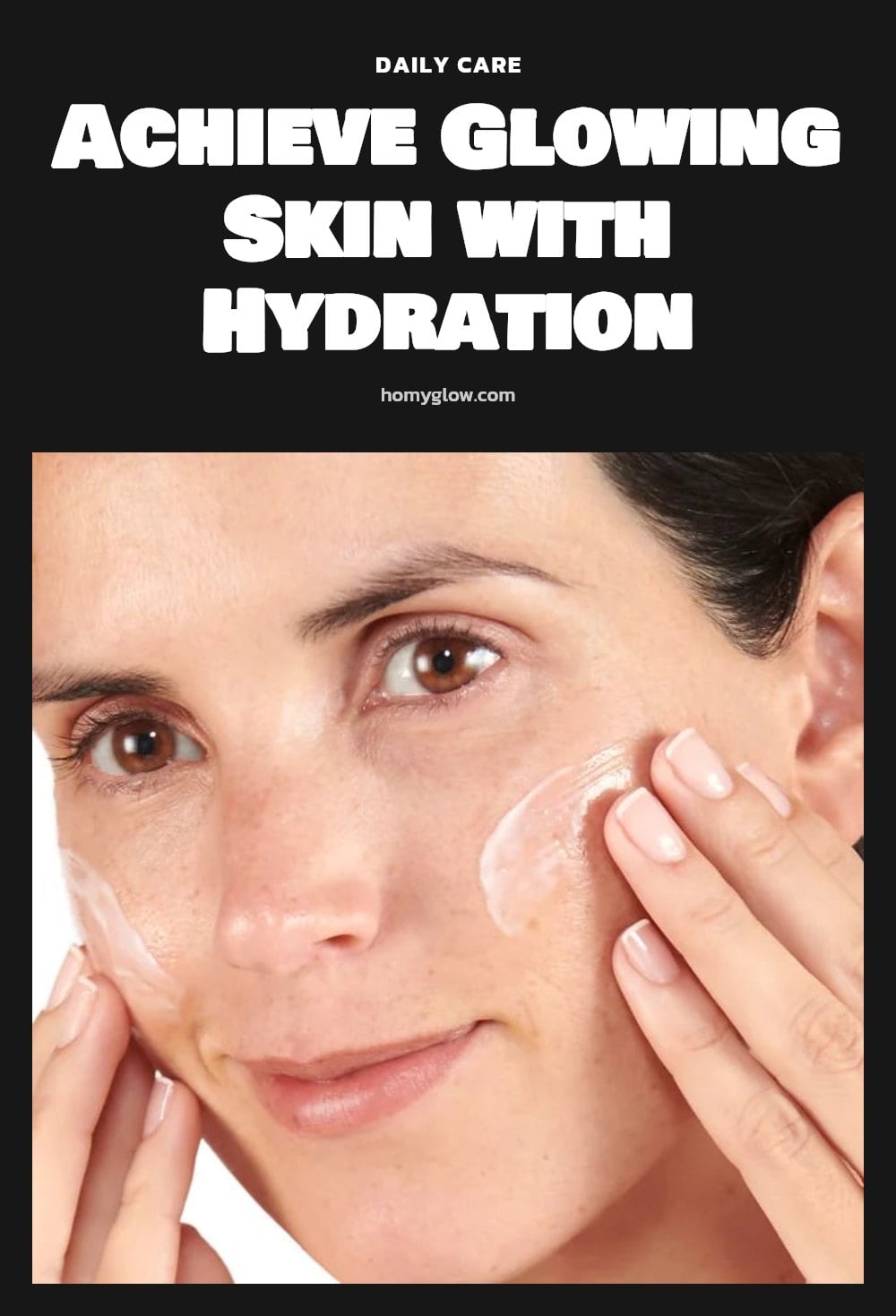
Moisturizing regularly maintains skin hydration, which improves texture and reduces the appearance of fine lines. Look for moisturizers with ceramides or hyaluronic acid to support your skin’s barrier. Hyaluronic acid is a fantastic humectant that can hold up to 1,000 times its weight in water, delivering deep hydration.
4. Introduce Retinoids Gradually
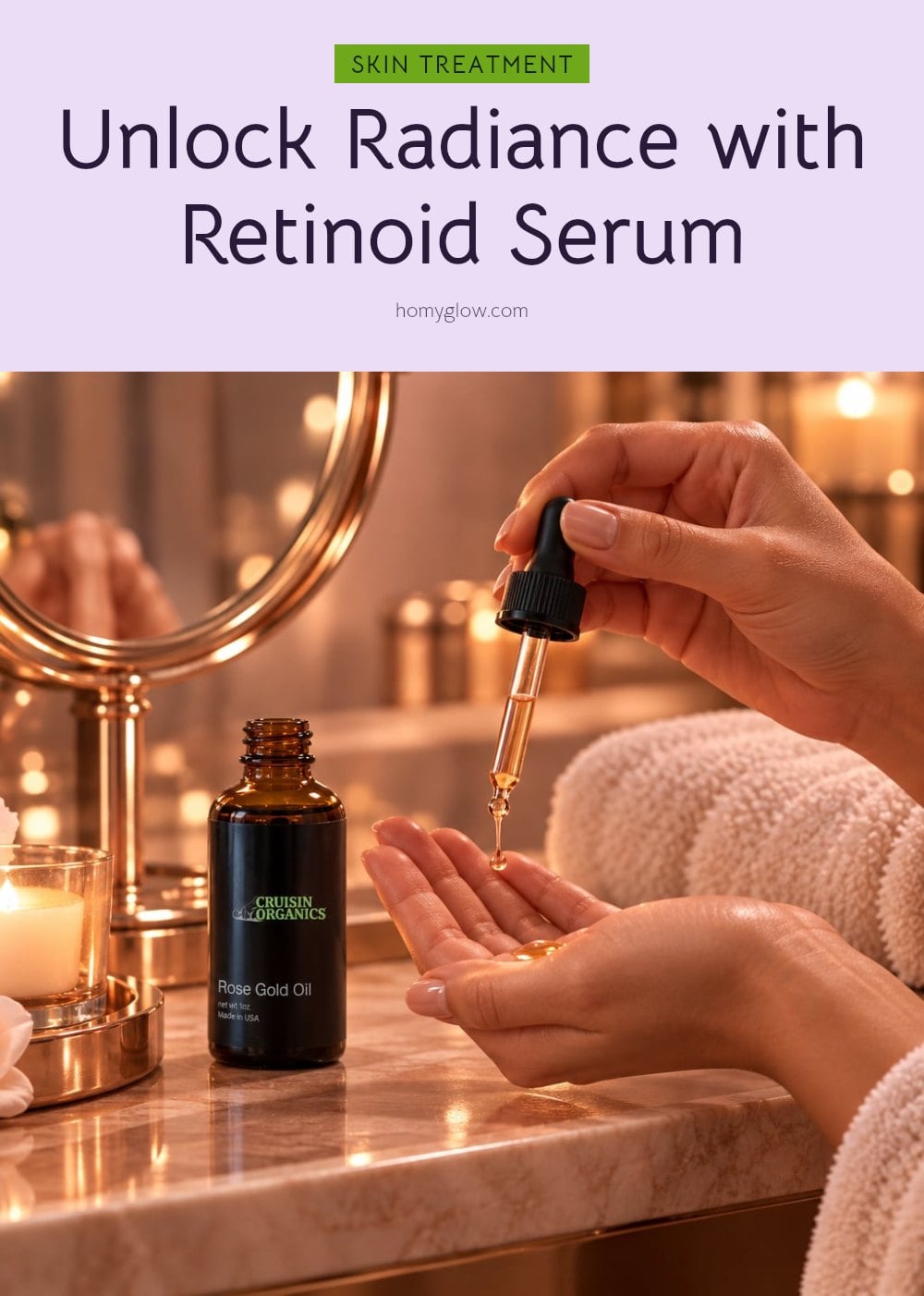
Retinoids are vitamin A derivatives that stimulate collagen production and speed up cell turnover, helping reduce fine lines and wrinkles. Start with a low concentration and apply it only 2-3 times a week at first. This gradual approach helps your skin adjust and minimizes common side effects like redness or dryness.
Caution: Use retinoids only in your evening routine. They can increase sun sensitivity, so apply them at night and always follow with broad-spectrum sunscreen in the morning.
5. Boost with Antioxidant Serums
Antioxidants like vitamin C and E shield your skin cells from free radical damage caused by UV rays and pollution. Adding a vitamin C serum to your morning routine can boost your sunscreen’s effectiveness and brighten your complexion over time.
My tip: Apply your vitamin C serum right after cleansing and before your moisturizer and sunscreen. That order lets it absorb fully and work at full strength.
6. Exfoliate Thoughtfully
Exfoliation removes dead skin cells, which reveals a brighter complexion and helps your other products absorb better. Limit exfoliation to 1-3 times per week, depending on how your skin reacts.
Choose a gentle chemical exfoliant like an AHA or BHA serum rather than a harsh physical scrub. This approach sloughs off dead skin without damaging your protective barrier.
7. Prioritize Quality Sleep

Quality sleep gives your skin time to repair and regenerate overnight, which directly supports a healthier, more youthful look. Aim for 7-9 hours of uninterrupted sleep each night.
Tip: Your skin does its best repair work while you sleep, so prioritize a consistent bedtime routine that helps you wind down.
8. Nourish Your Body from Within

A balanced diet rich in fruits, vegetables, and healthy fats supports your skin from the inside. Think of it as internal nourishment for collagen and elasticity. Drink plenty of water throughout the day to maintain hydration from within.
- Antioxidant-rich foods: Berries, leafy greens, and nuts help protect skin cells from free radical damage.
- Healthy fats: Avocado, salmon, and olive oil provide essential fatty acids that keep your skin supple.
9. Manage Stress Effectively
Chronic stress can accelerate skin aging by increasing inflammation and disrupting repair processes. Incorporating stress-reducing activities into your routine directly benefits your skin.
- Try yoga or meditation: Even 10 minutes a day can lower cortisol levels.
- Spend time in nature: A short walk outdoors helps reset your nervous system.
Good to know: A calm mind often leads to calmer, healthier skin.
10. Avoid Smoking and Secondhand Smoke
Smoking damages collagen and elastin, the proteins that keep your skin firm and elastic. This accelerates the formation of wrinkles and sagging. Secondhand smoke also harms your skin.
Quitting smoking is one of the most impactful anti-aging actions you can take. Your skin will begin to repair itself once you stop, and your overall health improves dramatically.
11. Don’t Forget Neck and Décolletage
The skin on your neck and décolletage is thinner and has fewer oil glands, making it prone to showing signs of aging just as your face does. Extend your full routine to these areas: cleanse, apply serums, moisturize, and use sunscreen every day.
- Cleanse and moisturize: Use the same gentle products you use on your face.
- Apply sunscreen: Don’t stop at your jawline; cover your neck and chest.
Pro move: Treat these areas with the same care and attention you give your face.
12. Consult a Professional for Concerns
A solid home routine is the foundation, but a dermatologist can fine-tune it for your specific skin. If you have persistent concerns about deep wrinkles, stubborn pigmentation, or unusual changes in your skin, professional guidance is worth it. They can assess your skin’s condition and recommend advanced options like prescription retinoids, chemical peels, lasers, or injectables if those fit your goals.
Seeing a dermatologist is also smart if you experience severe irritation, a persistent rash, or any reaction that doesn’t settle with basic care. They’ll help you avoid guesswork and choose treatments that actually match your skin type and concerns.
Common Anti-Aging Mistakes to Avoid
Even the best routine can be undermined by a few common missteps. Here is what to watch for and what to do instead.
- Relying solely on expensive products: Consistency in daily habits matters more than the price tag. A basic SPF and moisturizer used daily beat a luxury cream used sporadically.
- Over-exfoliating: Scrubbing or using acids too often damages your skin barrier, causing irritation and sensitivity. Stick to 1-3 times a week and listen to your skin.
- Not applying sunscreen evenly or frequently enough: Patchy application or skipping reapplication leaves areas unprotected. Use enough product and reapply every two hours when outdoors.
- Starting strong ingredients too aggressively: Introducing retinoids or acids too quickly leads to redness and peeling. Begin with a low concentration and use them 1-3 times a week, gradually increasing frequency as your skin adjusts.
- Expecting instant results: Visible improvements take weeks to months; long-term benefits build over years. Patience and consistency are key.
- Ignoring the neck and décolletage: These areas need cleansing, moisturizing, and sunscreen just like your face. Treat them with the same care.
Frequently Asked Questions
How quickly can I see anti-aging results?
Most people notice subtle changes, like smoother texture or a brighter complexion, within a few weeks of consistent use of active ingredients like retinoids or vitamin C. However, more significant improvements in fine lines and firmness typically take several months. Long-term benefits accumulate over years, so patience and consistency are key.
Can diet truly impact skin aging?
Yes, a balanced diet rich in fruits, vegetables, and healthy fats supports your skin’s health from within. Antioxidant-rich foods like berries and leafy greens help protect your skin cells from damage, while staying hydrated keeps your skin plump. While diet alone won’t erase wrinkles, it complements your topical routine.
Is it ever too late to start an anti-aging routine?
It’s never too late to start caring for your skin. Even if you’ve already noticed signs of aging, adopting habits like daily sunscreen use, moisturizing, and gentle exfoliation can improve your skin’s texture and appearance. Your skin can still benefit from increased hydration and protection at any age.
What’s the most important anti-aging product?
Broad-spectrum sunscreen with SPF 30 or higher is widely considered the most essential anti-aging product. Sun exposure is the primary external cause of skin aging, so protecting your skin daily prevents further damage. No other product can offset the effects of unprotected sun exposure, making sunscreen your top priority.
Final Thoughts
Building a consistent routine is your best defense against visible aging. Start by mastering the basics: daily sunscreen, gentle cleansing, and moisturizing, then layer in targeted ingredients like retinoids and vitamin C as your skin tolerates them. Remember, results take time; you may notice subtle improvements in a few weeks, but the real payoff comes from sticking with it for months and years. Your skin’s future self will thank you for the care you give it today.
This article is for general informational purposes only and does not constitute medical or dermatological advice. Always consult a qualified professional for personalized recommendations, especially if you have persistent skin concerns, severe irritation, or are considering new active ingredients. Your skin is unique, and a doctor can help you build a routine that’s safe and effective for you.