Do you ever feel like your partner pulls away just when things get close, or maybe you notice yourself doing that? That emotional distance can be confusing and frustrating, but it often comes down to a pattern called avoidant attachment. In this article, I’ll walk you through the signs of avoidant attachment, how it develops, and practical steps to build healthier connection.

Key Takeaways
- Withdrawing during conflict and avoiding deep conversations are common avoidant attachment signs.
- Childhood experiences with emotionally unavailable caregivers often shape this attachment style.
- Communicate your need for space clearly and respectfully to your partner.
- Practice identifying and expressing your emotions, even when it feels uncomfortable.
- Seek a therapist specializing in attachment if patterns cause significant distress.
What is Avoidant Attachment?
Avoidant attachment is an insecure attachment style marked by a strong need for independence and a deep discomfort with emotional closeness. People with this style often prioritize self-sufficiency, sometimes at the expense of intimate connections. They may struggle to express their feelings or maintain deep emotional bonds, preferring to keep things on a surface level. This pattern typically has roots in childhood, where emotional needs weren’t consistently met, leading to a learned reliance on oneself. Instead of seeking comfort from others, they learn to handle everything alone.
Understanding the Core of Avoidant Attachment
What Drives Avoidant Attachment
Avoidant attachment is one of the primary insecure attachment styles identified in attachment theory, alongside anxious and disorganized styles. At its core, it’s a protective strategy. Individuals with this style often value independence and self-sufficiency above all else, seeing reliance on others as a risk. Emotional intimacy and vulnerability can feel uncomfortable or even overwhelming, triggering a pull toward distance.
The underlying fear for many is engulfment: losing their sense of self or independence within a relationship. This fear isn’t always conscious. It might show up as a nagging feeling of being trapped when a partner gets too close, or a reflexive need to create space after a vulnerable moment. For someone with avoidant attachment, closeness can feel like a threat to their autonomy, so they instinctively guard against it.
Behavioral Signs of Avoidant Attachment
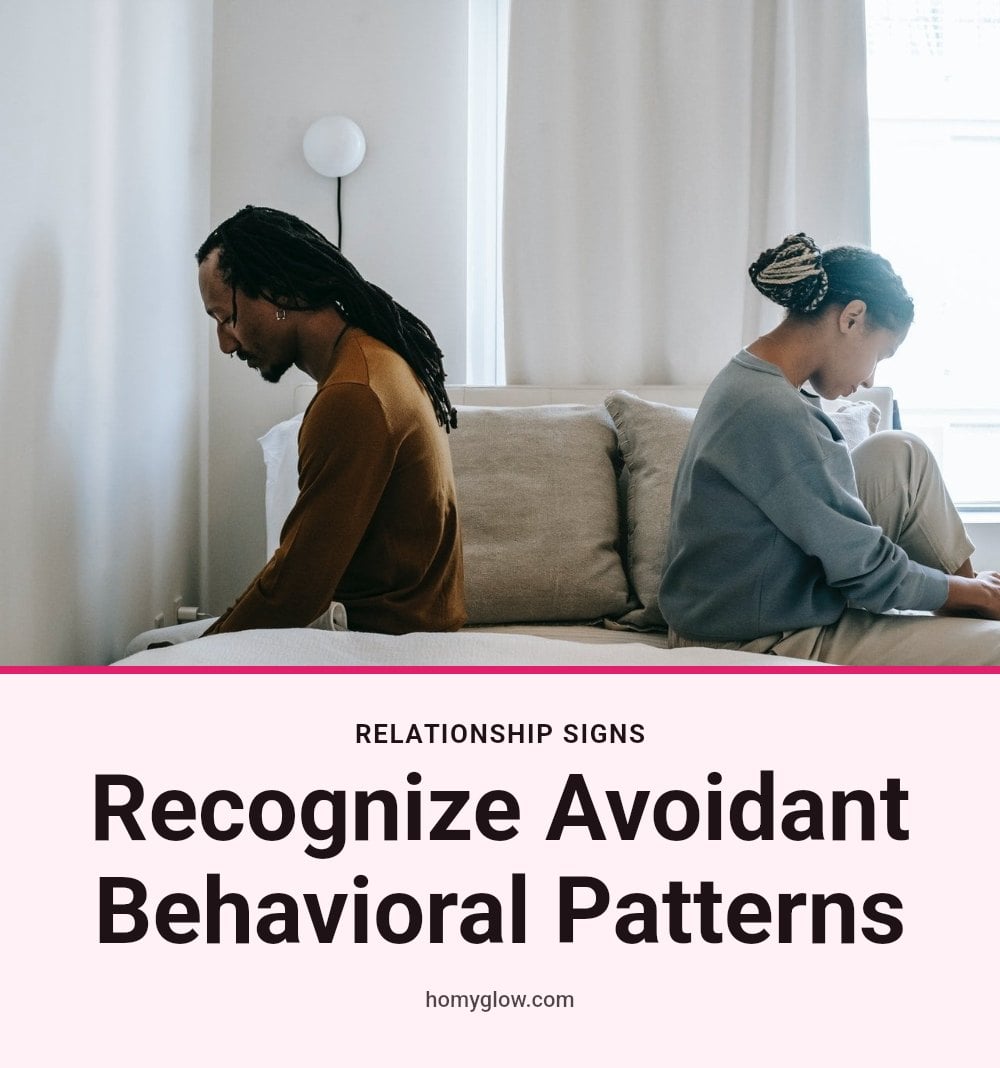
Recognizing avoidant attachment in yourself or a partner starts with observing behaviors. These signs are not diagnostic, but they can offer clarity. You might notice patterns like:
- Withdrawing during conflict: When a disagreement arises, they may shut down, go silent, or physically leave the room to avoid the emotional intensity.
- Avoiding deep conversations: They steer topics away from feelings, personal history, or the relationship itself, preferring safe, superficial subjects.
- Keeping partners at an emotional distance: Even in a committed relationship, they maintain a sense of separateness, sharing little about their inner world.
- Difficulty expressing feelings or needs: They might not say “I miss you” or “I need help,” assuming you should just know or that it’s not worth saying.
- Dismissing a partner’s emotional needs: They may downplay your worries or change the subject when you seek comfort.
- Focusing on a partner’s flaws: They fixate on small imperfections to justify pulling away emotionally.
- Preferring casual dating or struggling with commitment: They might keep relationships undefined or end things as soon as they become serious.
- Using humor or sarcasm to deflect: When conversations get heavy, they crack a joke to lighten the mood and avoid vulnerability.
- Physical signs of discomfort: During intimate moments, they might shift away, avoid eye contact, or tense up, signaling a need for space.
How Avoidant Attachment Develops
Roots in Childhood
Avoidant attachment often begins in childhood. When caregivers are emotionally unavailable or inconsistent, children learn that expressing needs doesn’t bring comfort or connection. A child who cries and gets ignored, or whose feelings are dismissed, quickly adapts. They suppress their emotional needs because asking for help feels pointless.
Over time, this builds a strong sense of self-reliance. The child internalizes the belief that others cannot be counted on for emotional support. As an adult, this shows up as a tendency to handle everything alone and a discomfort with leaning on a partner. The early lesson was clear: depending on others leads to disappointment. So they stop trying, even when a safe, responsive partner is right in front of them.
Common Misunderstandings About Avoidant Attachment
Mistaking independence for a lack of love: Someone with avoidant attachment can deeply care for their partner, even if they struggle to show it in conventional ways. Their need for space is not a rejection of you.
Believing vulnerability is weakness: They’ve learned that showing vulnerability leads to pain or rejection, making it incredibly difficult to open up. This is a protective belief, not a character flaw.
Assuming all relationship problems are external: It’s easy to blame the partner or external circumstances instead of recognizing one’s own attachment patterns. Taking a step back to reflect can shift the dynamic.
Pushing partners away without understanding why: This often happens unconsciously as a protective mechanism, not out of malice. The intention is self-preservation, not harm.
Avoiding therapy or self-reflection: Thinking the issues will resolve themselves without intentional effort rarely works. Lasting change comes from consistent self-reflection and a willingness to examine your own patterns. While therapy can be a valuable support, the core work happens in your daily choices and interactions. It’s a gradual process that requires patience and commitment, not a quick fix.
Steps Towards Healthier Attachment Patterns

Reflect on your past: Consider how your childhood experiences might have shaped your current relationship patterns. Journaling or quiet reflection can help you see the origins of your need for independence.
Communicate your needs: Clearly and respectfully express your need for space to your partner, rather than withdrawing silently. A simple “I need some time to recharge tonight” goes a long way.
Practice emotional expression: Start small by identifying and verbalizing your feelings, even if it feels uncomfortable at first. Try naming one emotion aloud each day, like “I feel a bit overwhelmed right now.”
Understand your partner’s style: Learning about their attachment needs can help bridge the gap in communication. When you see their bids for closeness as needs rather than demands, it changes the conversation.
Engage in self-soothing: Develop healthy ways to manage feelings of overwhelm during intimate moments, like mindfulness or deep breathing. A few slow breaths can help you stay present instead of pulling away.
When to Seek Professional Help
If you or your partner are experiencing significant distress, anxiety, or depression related to relationship patterns, it is wise to consult a mental health professional. Consider therapy when your attachment style consistently leads to unfulfilling relationships or prevents you from forming lasting connections. When you find yourself unable to break destructive relationship cycles despite your best efforts, or when emotional distance is causing severe pain or conflict in your relationship, professional guidance can help. A therapist can support you in navigating complex emotional dynamics and developing healthier coping mechanisms.
Understanding the Healing Journey: Time and Effort
Timeline for change: Understanding and shifting attachment patterns is a long-term process, often taking months or even years of consistent effort and self-reflection. Setbacks are a normal part of the journey, not a sign of failure.
Consistency is key: Progress isn’t linear. It requires ongoing practice and patience with yourself and your partner. Some days will feel harder than others, and that’s okay. Each small step forward counts, even if you take a step back later.
Professional guidance: Working with a therapist specializing in attachment or relationships can significantly accelerate and deepen the healing process. They can offer tools tailored to your patterns and help you navigate setbacks.
Cost considerations: Therapy costs vary widely by location, therapist’s experience, and insurance coverage. Many therapists offer sliding scales or initial consultations, making it more accessible than you might think.
Frequently Asked Questions
Can avoidant attachment change?
Yes, avoidant attachment can shift over time with consistent effort and self-reflection. Many people find that therapy, especially with a professional specializing in attachment, helps them understand their patterns and develop healthier ways of relating. Change is gradual, often taking months or years, but it is possible with patience and practice.
Is avoidant attachment a sign of not loving someone?
Not at all. Someone with avoidant attachment can deeply care for their partner, but they may struggle to show it in conventional ways. Their need for space and independence is not a rejection of you; it’s a protective strategy rooted in early experiences. Understanding this can help you separate the behavior from the underlying feelings.
How does avoidant attachment affect intimacy?
Avoidant attachment often makes emotional intimacy feel uncomfortable or overwhelming. People with this style may withdraw during vulnerable moments, avoid deep conversations, or use humor to deflect serious topics. Physical signs like shifting away during close moments can also appear. This doesn’t mean they don’t want connection; it means closeness triggers a fear of losing independence.
What’s the difference between avoidant and dismissive attachment?
In attachment theory, dismissive-avoidant is a specific subtype of avoidant attachment. While all avoidant styles value independence and self-sufficiency, dismissive individuals tend to downplay the importance of relationships altogether. They may seem overly self-reliant and dismiss emotional needs, whereas other avoidant types might still crave connection but feel conflicted about it.
Can someone with avoidant attachment have a healthy relationship?
Yes, absolutely. With awareness and effort, someone with avoidant attachment can build a healthy relationship. Key steps include communicating needs for space clearly, learning to express emotions, and addressing conflict constructively. Many couples benefit from couples therapy to navigate these patterns together. It takes time and patience, but lasting connection is achievable.
Final Thoughts
If you see yourself in these signs, my tip is to start small: pick one emotion to name out loud each day, whether to yourself or a partner. Shifting attachment patterns takes months or years of consistent effort, so be patient and celebrate small steps. Remember, understanding is the first move toward change, and you don’t have to do it alone.
This article is for general informational purposes only and is not a substitute for professional advice. If you or your partner are experiencing significant distress, anxiety, or depression related to relationship patterns, please consult a qualified mental health professional. They can provide personalized guidance and support.