When stress hits, your breath often becomes fast and shallow, keeping your body in a state of high alert. The good news is that you can use that same breath to calm your nervous system in minutes. This article covers simple, science-backed breathing techniques you can use anywhere to shift from ‘fight or flight’ to ‘rest and digest,’ plus tips for making them a lasting habit.
Key Takeaways
- Practice 5-10 minutes daily for several weeks to build lasting stress resilience.
- Start with diaphragmatic breathing: inhale through your nose, letting your belly rise.
- Box breathing (4-4-4-4) and 4-7-8 breathing are effective for immediate relief.
- Stop immediately if you feel lightheaded or dizzy and return to normal breathing.
- Consult a doctor before starting if you have severe asthma or a heart condition.
Breathing Exercises Are Your Go-To Stress Relief
Conscious breathing techniques are a powerful, immediate way to manage everyday stress and anxiety. They work by influencing your autonomic nervous system, shifting you from a ‘fight or flight’ state to ‘rest and digest’. Simple practices like deep belly breathing, box breathing, and 4-7-8 breathing can be done anywhere, anytime for quick relief. No equipment, no app, just your breath.
The Science Behind Why Breathing Works for Stress
When you’re stressed, your breathing often becomes shallow and rapid, which is linked to the body’s ‘fight or flight’ response. This state prepares you to react to a threat, but it also keeps your nervous system on high alert.
Deep, slow breathing does the opposite. It stimulates the vagus nerve, a key component of the parasympathetic nervous system. This system is responsible for the ‘rest and digest’ state, promoting relaxation by lowering your heart rate and blood pressure.
Conscious breathing also increases oxygen flow to the brain, which can help you feel more calm and focused. The more you practice, the easier it becomes to tap into this relaxation response when you need it most.
Setting Up for Your Breathing Practice
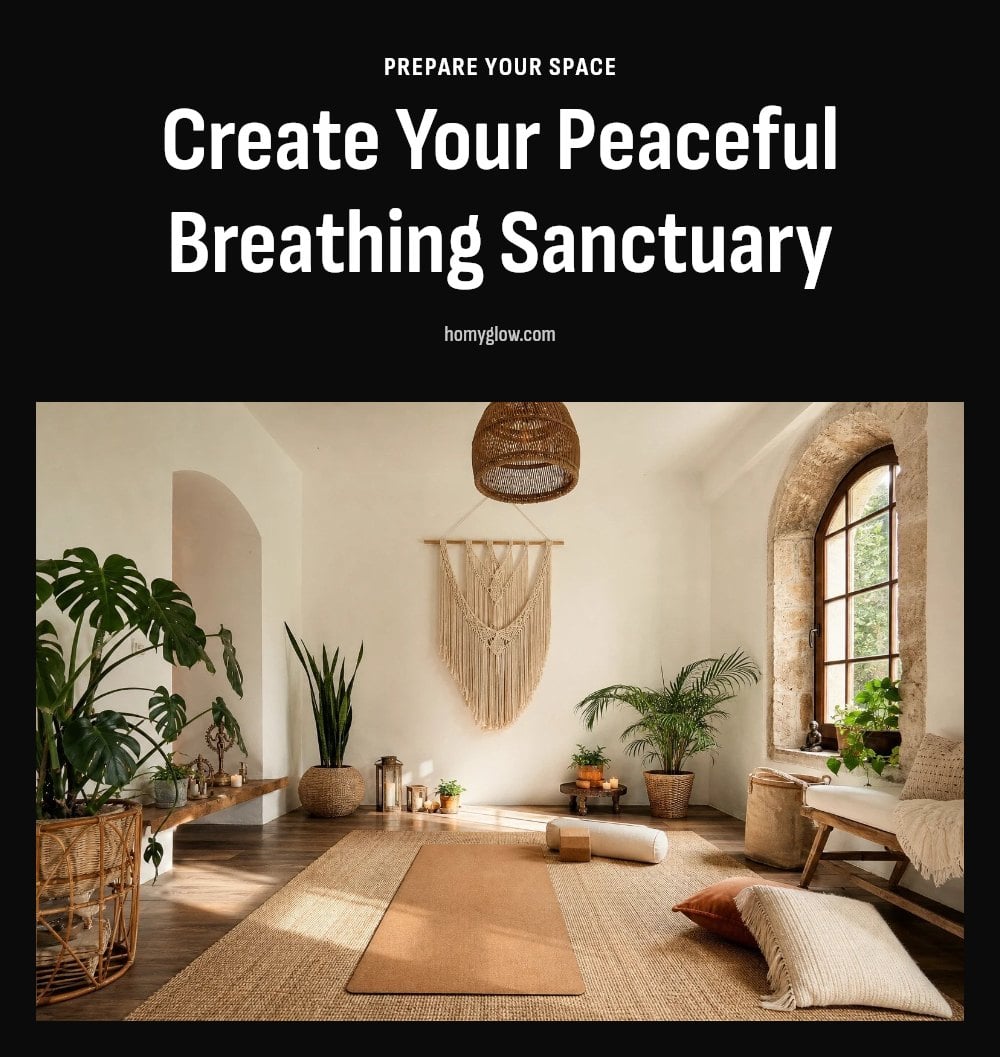
You don’t need anything special to start. Find a quiet space where you won’t be interrupted for a few minutes. Sit in a comfortable chair or on a mat on the floor, keeping your back straight but relaxed. Good posture helps your diaphragm move freely.
My tip: A quiet corner with a cushion or chair is enough. No special tools are required, which makes this practice highly accessible.
Favorite Breathing Techniques for Instant Calm
Here are four techniques to try. Start with one and see how it feels.
Diaphragmatic Breathing
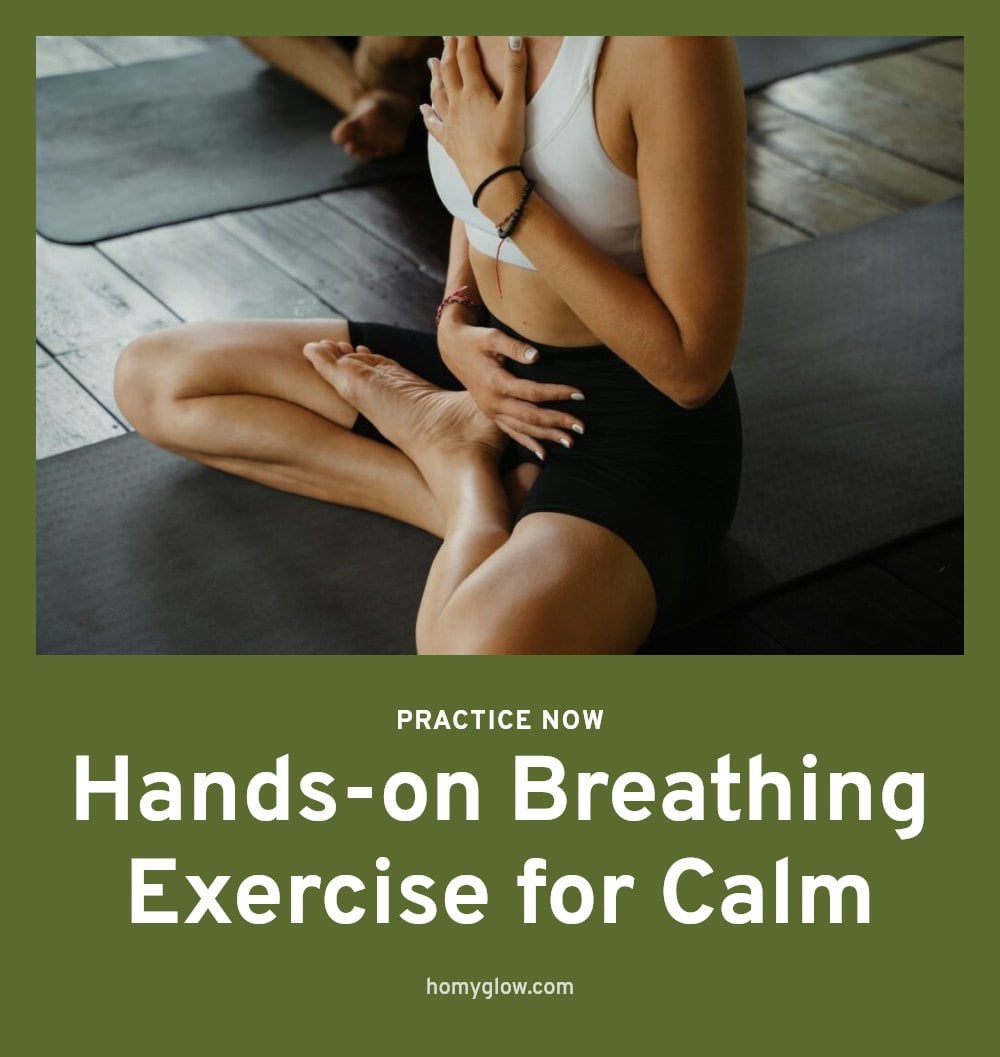
Place one hand on your belly and one on your chest. Breathe in through your nose, letting your belly rise, not your chest. Exhale slowly through your mouth. This focuses on deep belly breaths, which is how your body naturally breathes when relaxed.
My tip: Practice this lying down first, it’s easier to feel your belly rise.
Box Breathing
Inhale for 4 counts, hold for 4 counts, exhale for 4 counts, and hold for 4 counts. Repeat for a few minutes. The equal counts create a steady rhythm that can help calm your mind.
Good to know: If 4 counts feels too long, shorten to 3 counts and build up.
4-7-8 Breathing
Inhale for 4 counts, hold for 7 counts, and exhale for 8 counts. The longer exhale helps release tension. This one is great for winding down before bed.
Caution: If you feel lightheaded, stop and breathe normally.
Pursed-Lip Breathing
Inhale through your nose, then exhale through pursed lips, as if you’re blowing through a straw. This keeps your airways open longer, which can be helpful for some respiratory conditions. Make your exhale twice as long as your inhale.
Pro move: Try each technique for 2 minutes and notice which one feels most natural.
Common Breathing Mistakes and How to Fix Them
Even with the best intentions, it’s easy to slip into habits that reduce the benefit. Here are the common ones and how to fix them.
- Shallow chest breathing: If your shoulders rise when you inhale, you’re likely breathing from your chest, not your diaphragm. Place a hand on your belly and focus on pushing it out as you breathe in.
- Holding tension: Many people tighten their shoulders or neck without noticing. Before you start, roll your shoulders back and down, and keep your jaw soft.
- Expecting instant results: One session can bring quick relief for acute stress, but lasting changes to your stress response take consistent practice over weeks.
- Skipping consistency: Practicing only when you feel overwhelmed makes it harder to access the technique when you need it most. Aim for a few minutes daily, even on calm days.
- Incorrect pace: Breathing too fast can trigger hyperventilation, while too slow may feel forced. Use the specific counts from techniques like box breathing as a guide, and never strain.
Pro Tips for Making Breathing a Daily Habit
Turning breathing exercises into a natural part of your day is simpler than you think. These habits help you stick with it.
- Practice before stress hits: Muscle memory matters. Spend 2-3 minutes on a calm morning doing diaphragmatic breathing so the technique is automatic during a tense moment.
- Focus on the exhale: A full exhale clears stale air and makes room for a deeper inhale. Aim to empty your lungs completely before the next breath.
- Find your favorite technique: Try each of the four methods from the previous section. The one that feels most natural is the one you will use consistently.
- Take short breaks: Set a timer every hour to take three slow breaths. This builds the habit without requiring a long session.
- Stay consistent: Even 5 minutes daily is more effective than 20 minutes once a week. Consistency trains your nervous system to shift toward calm more readily.
How Long Until You Feel the Benefits and What It Costs
The best part about breathing exercises? They are completely free and require no equipment, subscriptions, or apps. You already have everything you need.
For acute stress, you can feel relief within the first few breaths. A single round of box breathing or 4-7-8 can lower your heart rate and bring a sense of calm almost immediately.
For lasting changes to your overall stress resilience, plan on practicing 5-10 minutes daily for several weeks. Over time, your body learns to activate the relaxation response more easily, making everyday stress feel more manageable.
When to Seek Professional Help for Anxiety
Breathing exercises are a powerful tool, but they have limits. Pay attention to how your body responds.
Stop if you feel unwell: Lightheadedness, dizziness, or discomfort means you should return to your normal breathing pattern immediately. Do not force any technique.
Consult a doctor first: If you have severe asthma, a heart condition, or another medical issue that affects breathing, check with your healthcare provider before starting any new breathing practice.
Know when to seek professional help: Breathing exercises complement medical treatment but do not replace it. If anxiety is persistent, severe, or interfering with your daily life, talk to a mental health professional. They can provide a comprehensive plan that addresses the root causes.
Frequently Asked Questions
How long does it take for breathing exercises to work?
You can feel relief within the first few breaths during an acute stressful moment. For lasting benefits that build resilience to stress, aim for 5-10 minutes of daily practice over several weeks.
Can breathing exercises help with panic attacks?
Yes, many people find that slow, deep breathing can help during a panic attack by activating the parasympathetic nervous system. Focus on a long, slow exhale. If your anxiety is persistent or severe, please consult a mental health professional.
Is it normal to feel lightheaded during breathing exercises?
Lightheadedness can happen if you breathe too fast or hold your breath too long. It’s a sign to stop and return to your normal breathing pattern. If the feeling persists or you have a medical condition, check with your doctor.
How often should I practice breathing techniques?
For the best results, practice daily for 5-10 minutes. Even a few minutes a day is more effective than longer sessions done irregularly. Short, consistent practice builds the habit and your body’s ability to switch to a calm state.
What is the best time of day to practice breathing?
Any time works, but many people find morning practice helpful for setting a calm tone for the day. Others prefer using it as a break during stressful afternoons or before bed to wind down. Choose a time you can stick with consistently.
Can children benefit from breathing exercises?
Yes, children can benefit from simple breathing exercises to manage stress or strong emotions. Techniques like belly breathing or box breathing are easy to teach. Supervise young children to ensure they don’t force their breath or hold it too long.
Final Thoughts
My tip: start with just 2-3 minutes of diaphragmatic breathing on a calm morning to build muscle memory before you need it. With consistent daily practice, you can expect noticeable improvements in your ability to handle stress within a few weeks. Your breath is always with you, a free, portable tool for finding calm.
This article provides general wellness information and is not a substitute for professional medical or mental health advice. Breathing exercises are a complementary tool and should not replace treatment for anxiety, panic disorder, or any medical condition. If you have a persistent or serious problem, please consult a qualified healthcare provider.