You’ve probably noticed your hair feeling brittle, looking dull, or breaking more than usual. That’s a sign the cuticle layer has been compromised, often from heat styling, chemical treatments, or even sun exposure. This article breaks down what actually happens to damaged hair and gives you a practical, home-friendly plan to improve its look and feel without the hype.
I’ll cover the essential toolkit, effective treatments, common mistakes to skip, and a realistic timeline so you know what to expect. The goal isn’t to reverse damage completely, but to make your hair visibly healthier and stronger.
Key Takeaways
- Use a sulfate-free shampoo and always follow with conditioner to avoid stripping natural oils.
- Apply a deep conditioning mask 1-2 times per week for moisture and temporary improvement.
- Balance protein treatments with moisturizing ones to prevent stiffness and breakage.
- Air-dry whenever possible or use the lowest heat setting with a heat protectant.
- Trim split ends every 6-8 weeks to stop them from traveling up the hair shaft.
Can You Really Fix Damaged Hair?
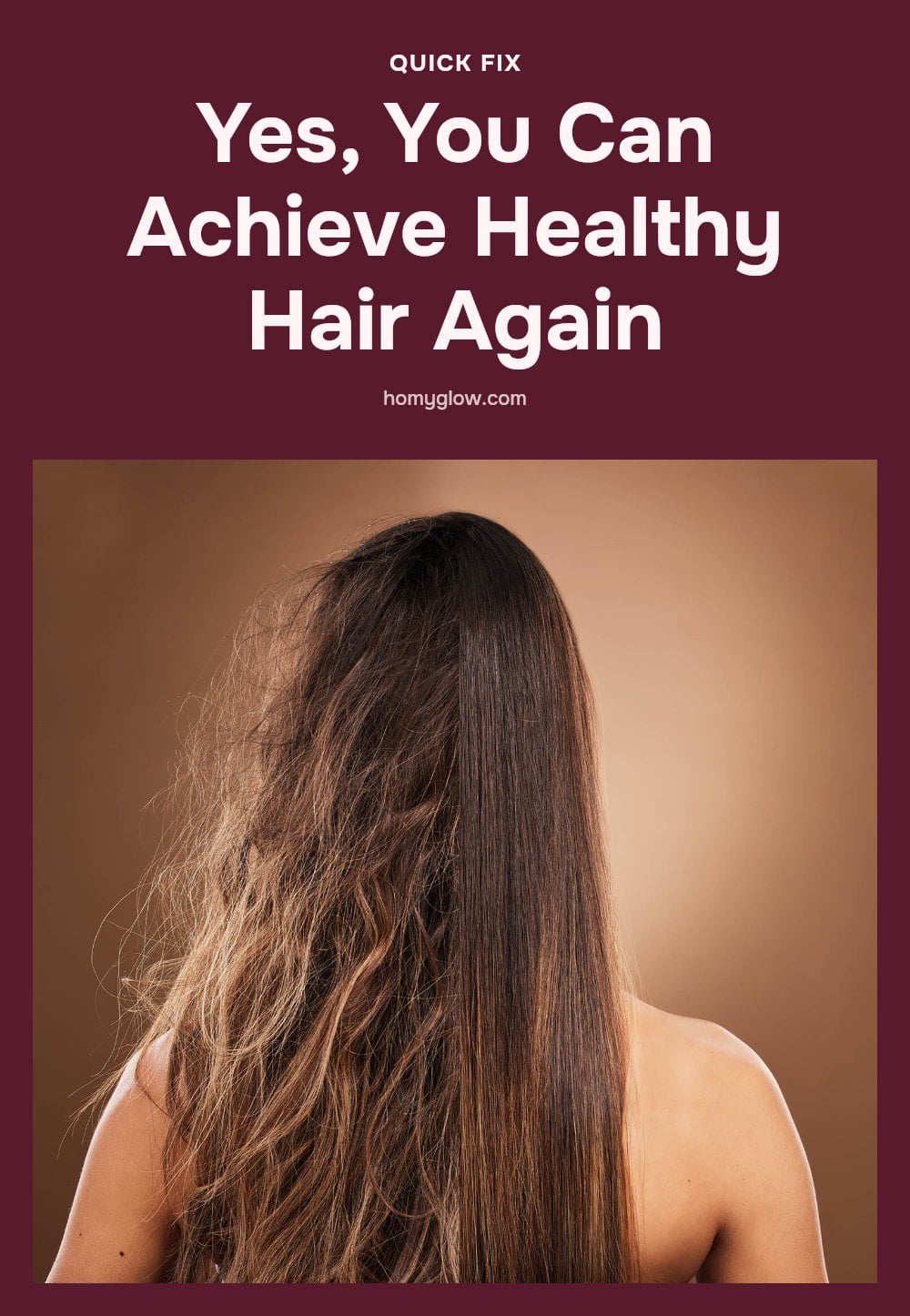
Can you really fix damaged hair? The honest answer is that true structural damage cannot be fully reversed. But you can dramatically improve how your hair looks and feels. The goal is to minimize further harm and support the hair’s natural ability to repair itself. With consistent care, targeted treatments like deep conditioning, and protective practices, you will see healthier, smoother hair over time.
Why Your Hair Gets Damaged in the First Place
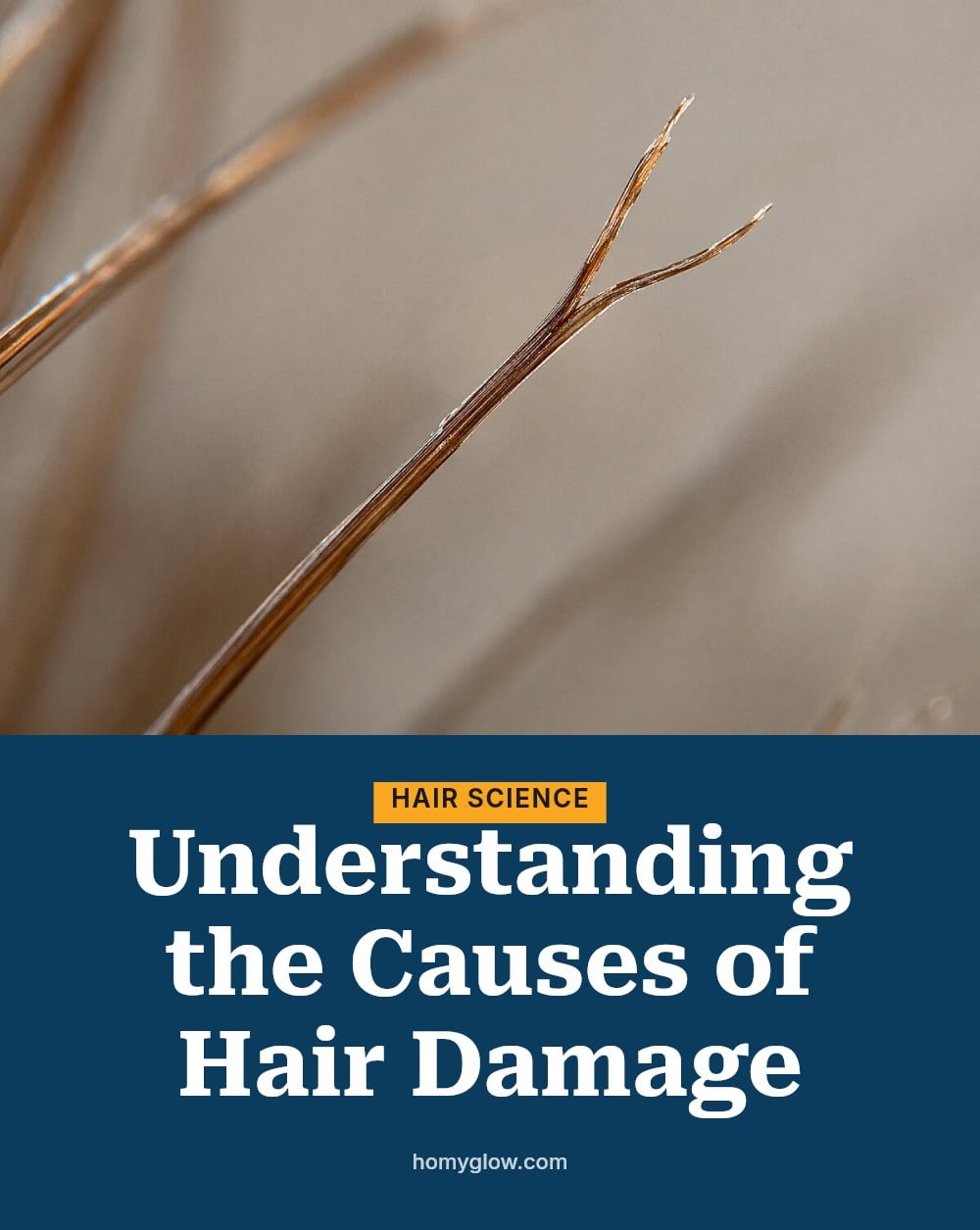
What Actually Happens to Damaged Hair
Damage often starts with the cuticle, the protective outer layer of each strand. When the cuticle lifts or breaks, the inner cortex becomes vulnerable. Heat styling above 300°F (150°C) directly harms the protein structure, making hair weak and brittle. Chemical treatments like coloring or perming alter the disulfide bonds inside the hair, which also weakens it.
Mechanical damage is just as common. Aggressive brushing, especially on wet hair, causes breakage. Even the sun plays a role: UV radiation degrades hair proteins and pigments, leading to dryness and color fading. Understanding these culprits helps you avoid them.
Your Essential Toolkit for Hair Repair
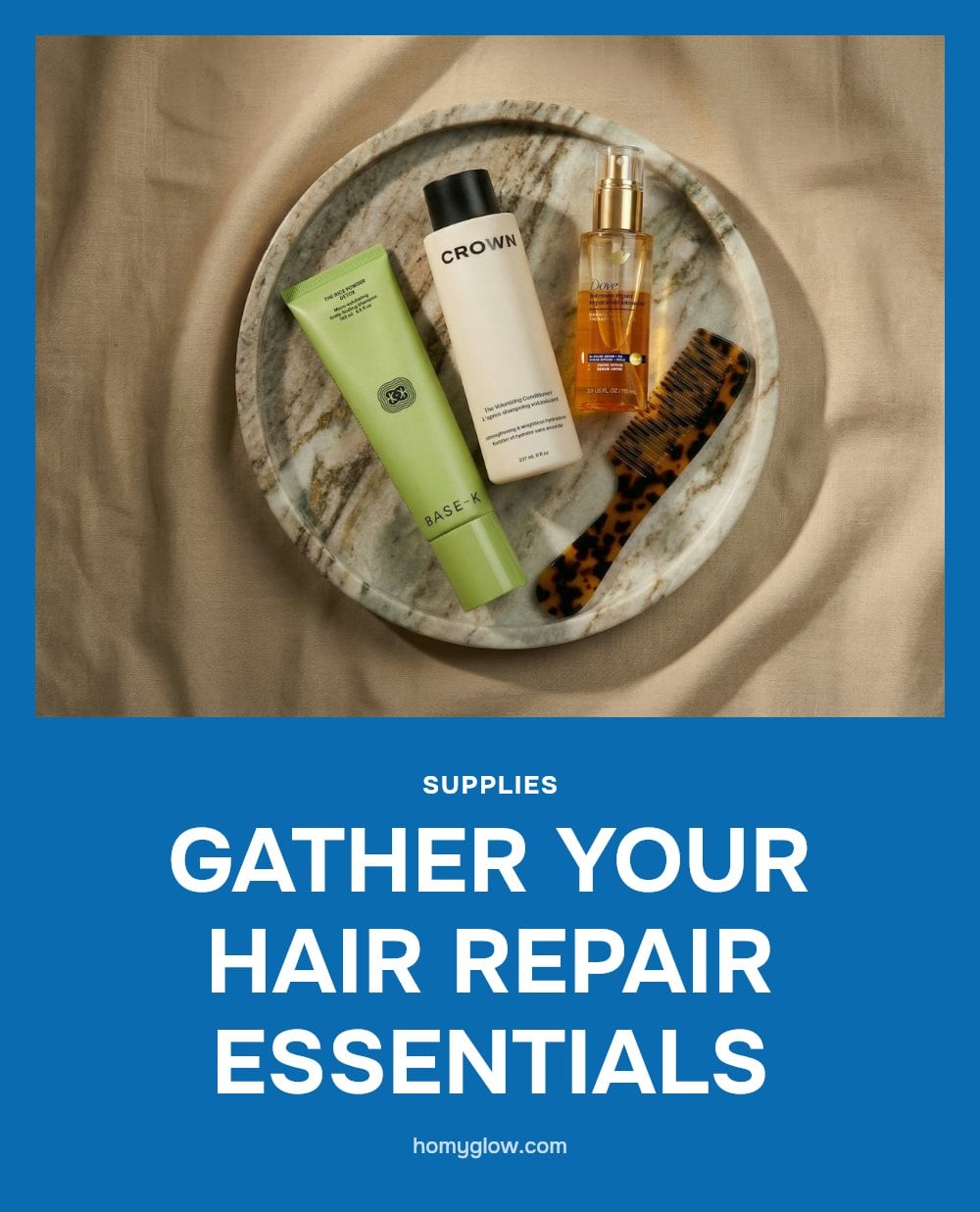
To repair damaged hair, you need the right tools. Here is what I keep in my routine:
- Sulfate-free shampoo: Cleanses without stripping natural oils.
- Moisturizing conditioner: Hydrates and smooths the cuticle.
- Deep conditioning mask: Provides intense moisture and nutrients.
- Leave-in conditioner or hair oil: Adds moisture, protection, and shine.
- Heat protectant spray: Shields hair from thermal damage.
- Wide-tooth comb: Detangles wet hair gently to prevent breakage.
- Microfiber towel or old cotton t-shirt: Absorbs water gently without friction.
- Silk or satin pillowcase: Reduces friction during sleep.
Effective Methods to Revive Your Damaged Hair

Deep Conditioning Masks
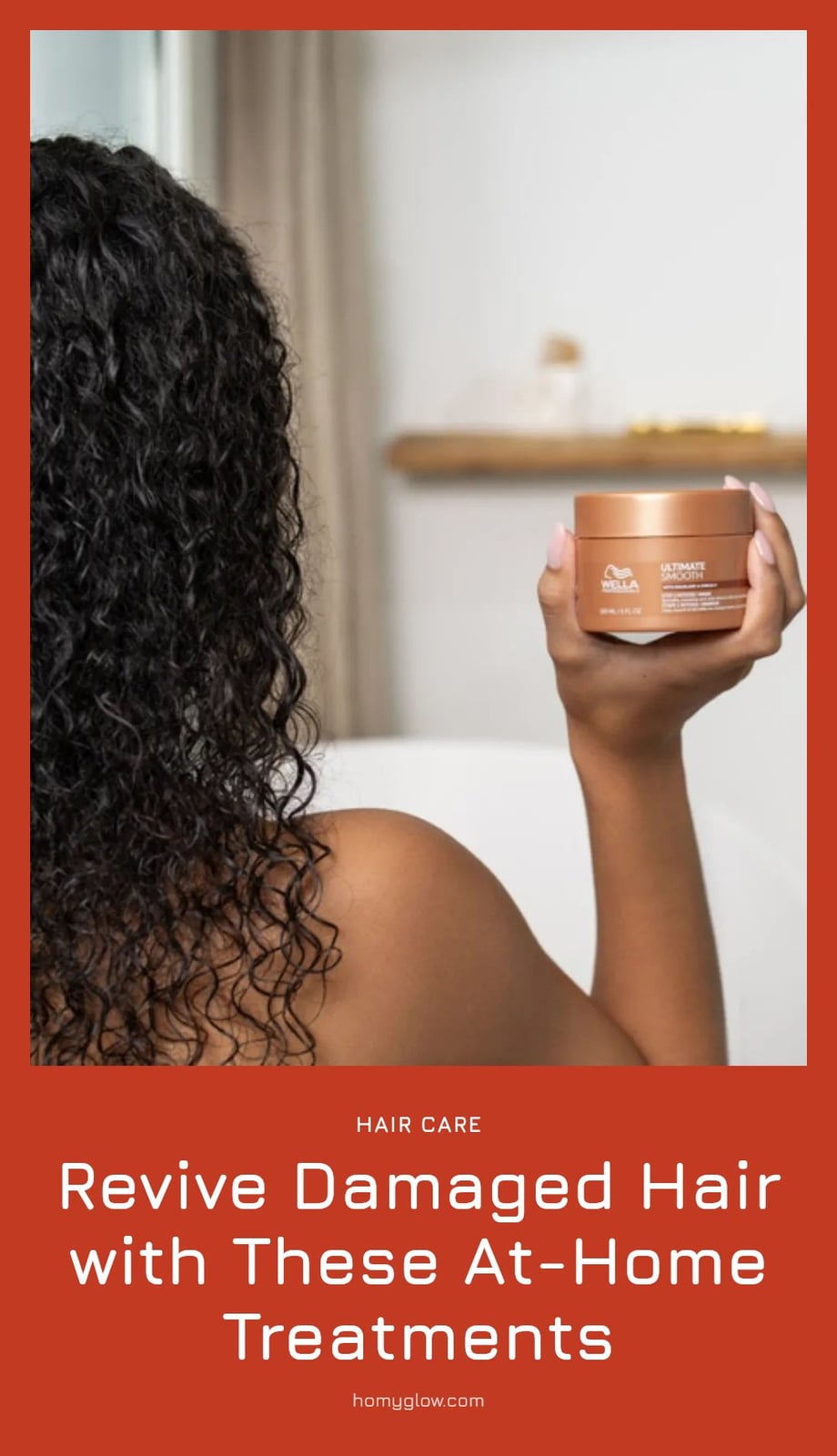
Apply a deep conditioning mask 1-2 times per week. These treatments penetrate the hair shaft to deliver moisture and nutrients, temporarily improving condition. Leave it on for the time specified on the package, usually 5-10 minutes.
Protein Treatments
Protein treatments can strengthen weakened hair, but use them sparingly. Overuse makes hair stiff and brittle. My tip: Balance protein with deep hydration. If your hair feels straw-like after a protein treatment, follow with a moisturizing mask.
Gentle Washing and Drying
Wash with lukewarm water and a sulfate-free shampoo. After washing, gently squeeze out excess water with a microfiber towel or an old cotton t-shirt. Avoid rubbing or wringing.
Protective Styling
Minimize heat styling. When you do use heat, always apply a heat protectant spray and use the lowest effective setting. Avoid tight hairstyles that pull on the hair, especially when wet.
Regular Trims
Get trims every 6-8 weeks to remove split ends. This prevents them from traveling up the hair shaft and causing more damage. My tip: Even a small trim makes a big difference in overall hair health.
Common Mistakes That Make Damaged Hair Worse
Believing in ‘Full Repair’: Damaged hair cannot be fully reversed. Focus on improving its appearance and preventing further damage instead of expecting a complete fix.
Over-using Protein Treatments: Too much protein makes hair stiff and brittle, leading to more breakage. My tip: Balance protein treatments with deep hydration to keep hair flexible.
Ignoring Split Ends: Letting split ends linger allows them to travel further up the hair shaft, causing more damage. My tip: Regular trims are non-negotiable.
Excessive Heat Styling Without Protection: High heat without a heat protectant spray directly compromises hair’s protein structure. My tip: Always use protection, and lower the heat setting.
Aggressive Brushing of Wet Hair: Wet hair is most fragile; brushing with a standard brush causes significant breakage. My tip: Use a wide-tooth comb, starting from the ends and working up.
Preventing Future Damage and Maintaining Healthy Hair
Embrace Air-Drying: Whenever possible, let your hair air-dry to avoid heat exposure.
Lower Heat Settings: If you must heat style, use the lowest effective heat setting and always apply a heat protectant.
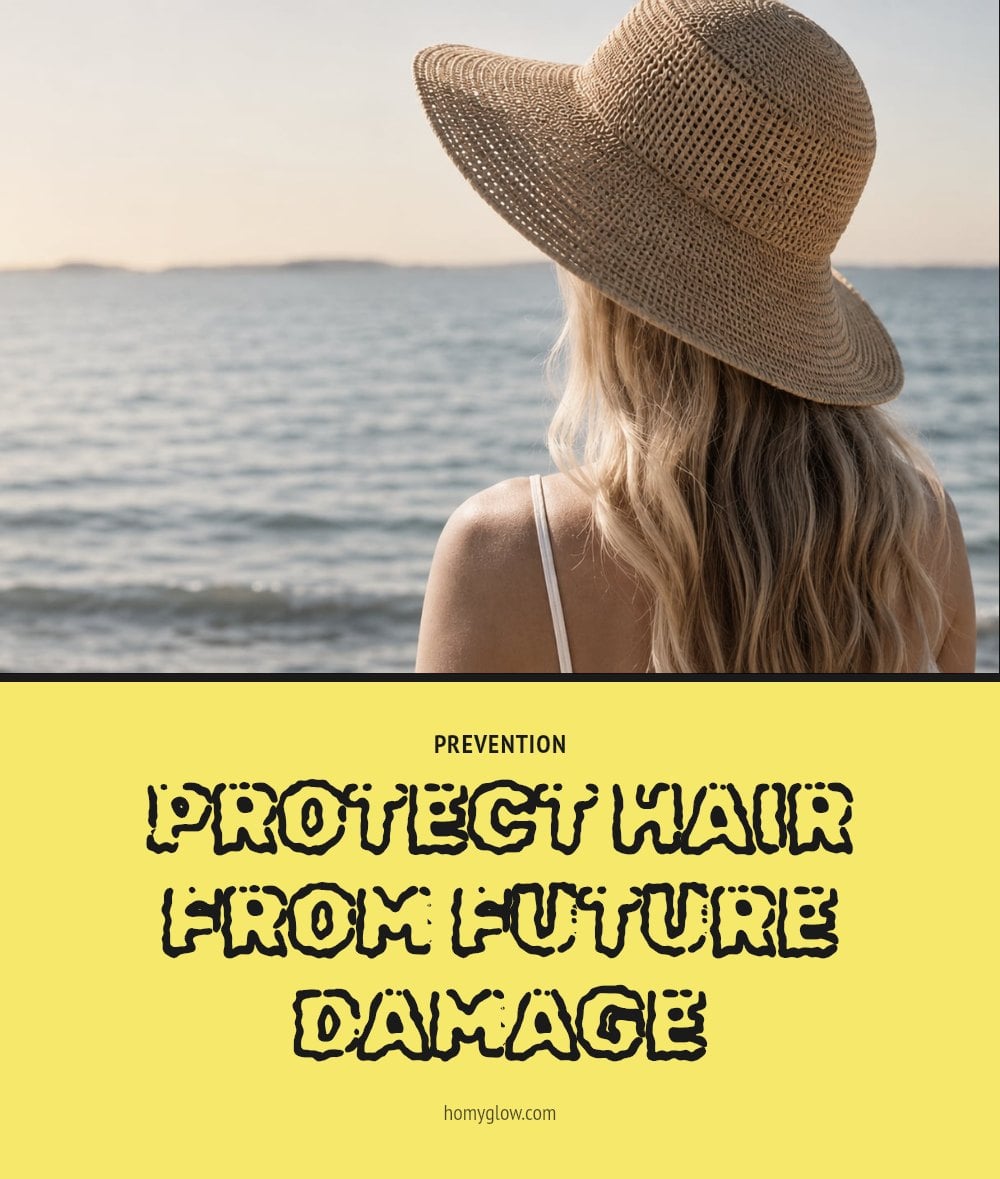
Protect from the Sun: Wear hats or use UV-protective hair products when exposed to strong sunlight.
Gentle Detangling: Always use a wide-tooth comb on wet hair, starting from the ends and working your way up.
Mindful Washing: Use lukewarm water and a sulfate-free shampoo; avoid washing too frequently if your hair is dry.
Silk Pillowcases: Sleeping on silk or satin reduces friction, preventing tangles and breakage.
What to Expect: Timeline for Hair Improvement
Initial Improvements: You will likely notice improvements in hair texture and appearance within a few weeks of consistent, gentle care.
Significant Changes: More substantial changes, like reduced breakage and healthier new growth, typically take several months.
Ongoing Commitment: Hair health is a journey, not a destination. Consistent protective practices are key for long-term results.
Cost: Home care can range from budget-friendly drug store options to higher-end salon products. Regular trims are a recurring cost.
When to Consult a Professional for Hair Damage
Severe Breakage or Hair Loss: If you are experiencing significant, unexplained hair loss or extreme breakage that does not improve with home care, see a professional.
Scalp Irritation or Conditions: Persistent itching, redness, or other scalp issues could indicate a dermatological problem.
Chemical Damage: For severe damage from chemical treatments, a professional stylist can offer specialized in-salon treatments and advice.
Uncertainty: If you are unsure about the cause of your hair damage or the best course of action, a stylist or dermatologist can provide a diagnosis and tailored plan.
Frequently Asked Questions
Can damaged hair ever be fully repaired?
No, true structural damage to the hair shaft cannot be fully reversed. The cuticle and protein structure are permanently altered once broken. However, you can significantly improve how your hair looks and feels with consistent care, and you can prevent further damage so new growth stays healthy.
How often should I use a protein treatment?
It depends on your hair’s condition, but a good starting point is once every 1-2 weeks. Overusing protein can make hair stiff and brittle, leading to more breakage. My tip: balance protein treatments with moisturizing deep conditioning masks to keep hair flexible and hydrated.
Is air-drying always better than blow-drying?
Air-drying is gentler because it avoids heat exposure, which can degrade hair proteins above 300°F (150°C). But if you need to blow-dry, use the lowest heat setting and always apply a heat protectant first. The key is to minimize heat damage, not eliminate styling entirely.
What’s the best way to protect hair from sun damage?
Wear a hat or use a UV-protective hair product when you’ll be in direct sunlight for an extended time. UV rays can degrade hair proteins and fade color, so physical protection or a spray with UV filters helps keep hair from becoming dry and brittle.
How do I know if my hair is damaged or just dry?
Dry hair lacks moisture, while damaged hair has a compromised cuticle and protein loss. Signs of damage include split ends, excessive breakage, a rough texture, and dullness that doesn’t improve with conditioning alone. If a deep conditioner helps only temporarily, you’re likely dealing with structural damage.
Final Thoughts
My recommendation: start with a sulfate-free shampoo and a deep conditioning mask once a week, and swap your regular towel for a microfiber one or a cotton t-shirt. You should notice a difference in texture and shine within a few weeks, but be patient with the bigger changes, which take several months. Stick with gentle handling and protective habits, and your hair will thank you.