If you’ve been dealing with stubborn aches, fatigue, or just feeling off, chronic inflammation might be the culprit. The good news is that what you eat can make a real difference. This 7-day meal plan shows you exactly how to build meals around anti-inflammatory foods like berries, leafy greens, salmon, and whole grains, while cutting back on the ones that fuel the fire. It’s a flexible, realistic approach to eating that supports your body from the inside out.
Key Takeaways
- Focus on adding colorful fruits and vegetables to every meal.
- Include fatty fish like salmon or mackerel at least twice a week.
- Swap refined grains for whole grains like quinoa or brown rice.
- Use olive oil and avocados as your primary healthy fats.
- Consistency over weeks and months, not perfection, brings results.
What is an Anti-Inflammatory Diet Meal Plan?
An anti-inflammatory diet meal plan centers on whole, unprocessed foods packed with antioxidants and omega-3 fatty acids. It’s designed to help reduce systemic inflammation, which is linked to chronic conditions like heart disease and arthritis, by emphasizing fruits, vegetables, whole grains, lean proteins, and healthy fats. This isn’t a strict diet with forbidden foods and rigid rules. Instead, it’s a sustainable eating pattern that guides your daily choices, making it easier to stick with for the long haul.
Your Anti-Inflammatory Shopping List
Stock your kitchen with these anti-inflammatory staples to make healthy meals effortless. Here’s what to grab on your next grocery run:
- Fresh fruits and veggies: berries, apples, oranges, leafy greens, and cruciferous vegetables like broccoli and cauliflower.
- Fatty fish: salmon, mackerel, and sardines for omega-3s.
- Lean protein: chicken breast, turkey, legumes, nuts, and seeds.
- Whole grains: oats, quinoa, brown rice, and whole-wheat bread.
- Healthy fats: extra virgin olive oil, avocados, walnuts, and flaxseeds.
- Anti-inflammatory spices: turmeric, ginger, garlic, and cinnamon.
- Hydration: plenty of water and herbal teas.
Your 7-Day Anti-Inflammatory Meal Plan
This 7-day plan gives you a flexible framework for anti-inflammatory eating. Swap meals based on what you have and your preferences, but keep the core principles in mind: lots of produce, whole grains, lean proteins, and healthy fats. And remember to drink water throughout the day to stay hydrated.
| Day | Breakfast | Lunch | Dinner | Snacks |
|---|---|---|---|---|
| Monday | Oatmeal with berries and walnuts | Quinoa salad with chickpeas and spinach | Grilled salmon with roasted broccoli and brown rice | Apple slices with almond butter |
| Tuesday | Greek yogurt with flaxseeds and orange slices | Turkey and avocado wrap on whole-wheat tortilla | Chicken stir-fry with mixed vegetables and quinoa | Carrot sticks with hummus |
| Wednesday | Smoothie with spinach, banana, and ginger | Lentil soup with a side salad | Baked mackerel with sweet potato and green beans | A handful of almonds and a pear |
| Thursday | Whole-grain toast with avocado and poached egg | Salmon salad with mixed greens and olive oil dressing | Turkey meatballs with zucchini noodles and marinara | Berries with a sprinkle of chia seeds |
| Friday | Chia pudding with coconut milk and mango | Brown rice bowl with black beans, corn, and salsa | Grilled chicken with roasted vegetables and quinoa | Celery sticks with peanut butter |
| Saturday | Omelet with spinach, tomatoes, and feta | Quinoa and roasted vegetable salad | Baked cod with lentil salad and steamed asparagus | Orange slices and a few walnuts |
| Sunday | Oatmeal with blueberries and walnuts | Turkey and vegetable soup with whole-wheat bread | Roasted chicken with sweet potato and Brussels sprouts | Sliced cucumber with tzatziki |
Common Anti-Inflammatory Diet Mistakes to Avoid
Even with good intentions, it’s easy to fall into traps that undermine your anti-inflammatory efforts. Here are the most common mistakes and how to avoid them:
- Expecting a quick fix: This is a long-term lifestyle change, not a temporary diet. Consistency over weeks and months brings the best results.
- Focusing only on elimination: Cutting out inflammatory foods is only half the battle. Actively add anti-inflammatory foods like berries, leafy greens, and fatty fish to your plate.
- Ignoring food labels: Hidden sugars, unhealthy fats, and refined ingredients can sneak into packaged foods. Always read labels carefully.
- Underestimating lifestyle factors: Diet is powerful, but stress management, adequate sleep, and regular exercise are also vital for reducing inflammation.
- Believing in ‘superfood’ magic: No single food can combat inflammation alone. It’s the overall dietary pattern that makes the difference.
Expert Tips for Sustaining Your Anti-Inflammatory Diet

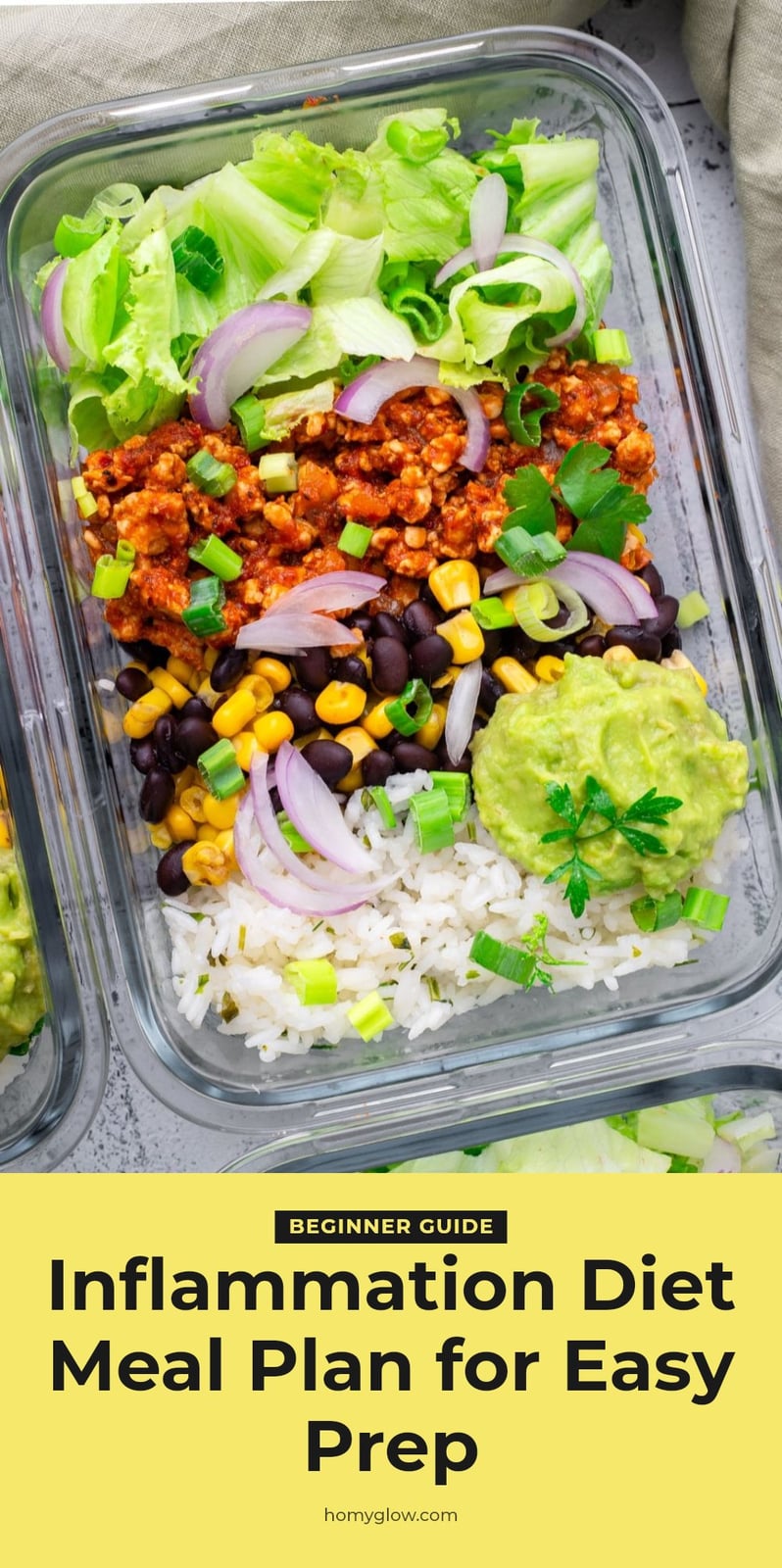
Meal Prep is Your Friend: Set aside a couple of hours each week to chop vegetables, cook a batch of quinoa or brown rice, and grill several chicken breasts. Having these ready makes throwing together a balanced meal quick even on your busiest days.
Spice It Up Naturally: Turmeric, ginger, and garlic aren’t just flavorful. They contain compounds that may help fight inflammation. I add a pinch of turmeric to soups and scrambled eggs, and fresh garlic goes into almost every savory dish I make.
Hydrate, Hydrate, Hydrate: Water supports every system in your body, including how it manages inflammation. Keep a reusable bottle on your desk and refill it a few times daily. Herbal teas count, too.
Listen to Your Body: Notice how you feel after meals. Some people tolerate dairy or nightshades fine; others don’t. This diet is personal, so adjust based on your own reactions.
Don’t Strive for Perfection: An occasional treat won’t undo your progress. Aim for consistency over time, not a flawless record. Focus on what you can add to your plate rather than what you’re cutting out.
When to Consult a Healthcare Professional
If you have a chronic health condition or take prescription medications, talk to your doctor or a registered dietitian before overhauling your diet. Some anti-inflammatory foods can interact with medications or need to be adjusted for specific diagnoses.
If you notice new or worsening symptoms after starting this eating pattern, stop and seek medical advice. It could signal an intolerance or an underlying issue that needs professional evaluation.
A registered dietitian can also help identify food triggers, rule out allergies, and build a personalized plan that fits your health needs and goals.
Frequently Asked Questions
How quickly can I expect to see results from an anti-inflammatory diet?
Results vary from person to person. Some individuals may notice improvements in symptoms like joint pain or energy levels within a few weeks, while others may need a few months of consistent adherence. The key is to stick with the pattern rather than looking for overnight changes. If you don’t see improvement after several months, consider consulting a healthcare professional.
Can an anti-inflammatory diet help with weight loss?
Yes, it can help with weight management, though it’s not a weight loss plan per se. By emphasizing whole, unprocessed foods and limiting refined carbs and sugary drinks, you naturally reduce empty calories. The high fiber content from fruits, vegetables, and whole grains also helps you feel fuller longer. Combined with regular physical activity, it can support a healthy weight.
Are there any specific foods that are surprisingly inflammatory?
Yes, some foods may surprise you. For example, certain vegetable oils high in omega-6 fatty acids, like corn or soybean oil, can be pro-inflammatory when consumed in excess. Also, artificial trans fats found in some baked goods and fried foods are particularly inflammatory. Even some healthy foods, like nightshade vegetables (tomatoes, peppers), can trigger inflammation in sensitive individuals, though this is not common.
How important is organic food in an anti-inflammatory diet?
Organic food is not essential for an anti-inflammatory diet. What matters most is eating a variety of fruits, vegetables, whole grains, and healthy fats, whether organic or conventionally grown. If you can afford organic for certain items, it may reduce pesticide exposure, but it’s not a requirement. Focus on overall dietary patterns rather than organic labels.
Can children follow an anti-inflammatory diet?
Children can benefit from anti-inflammatory foods, but any significant dietary changes should be discussed with a pediatrician, especially if the child has existing health conditions or growth concerns. The principles, like emphasizing fruits, vegetables, and whole grains, are generally safe and healthy for kids. However, calorie and nutrient needs differ, so professional guidance is wise.
Final Thoughts
Starting an anti-inflammatory diet is less about restriction and more about nourishing your body with foods that help it thrive. My tip: begin with one small change, like adding a serving of berries to your breakfast or swapping white bread for whole grain. You don’t need to overhaul everything at once. Give your body a few weeks to a few months of consistent effort, and you may notice improvements in how you feel. This is a lifestyle shift, not a quick fix, so be patient and kind to yourself as you build new habits.
This article is for general informational purposes only and is not a substitute for professional medical advice. Always consult with a qualified healthcare provider or registered dietitian before making significant changes to your diet, especially if you have a chronic condition, are pregnant, nursing, or taking medications. If you experience new or worsening symptoms, seek medical attention promptly.