When you’re dealing with chronic inflammation, the foods on your plate can make a real difference. I’ve spent a lot of time looking into what works, and the answer isn’t a single miracle food. This article breaks down the top anti-inflammatory foods, from fatty fish to dark chocolate, and what to avoid, so you can build a diet that supports your body every day.
Think of this as your go-to list for a healthier you. It’s not about strict rules, but about adding more of the good stuff while cutting back on the processed, sugary foods that can trigger inflammation. Let’s get into the specifics.
Key Takeaways
- Include fatty fish like salmon twice a week for omega-3s that fight inflammation.
- Eat a variety of colorful fruits and vegetables daily for antioxidants and fiber.
- Swap refined grains for whole grains like oats and quinoa to support gut health.
- Use extra virgin olive oil as your main cooking oil for its anti-inflammatory oleocanthal.
- Limit processed foods, added sugars, and trans fats to reduce inflammatory triggers.
What Foods Help Reduce Inflammation?
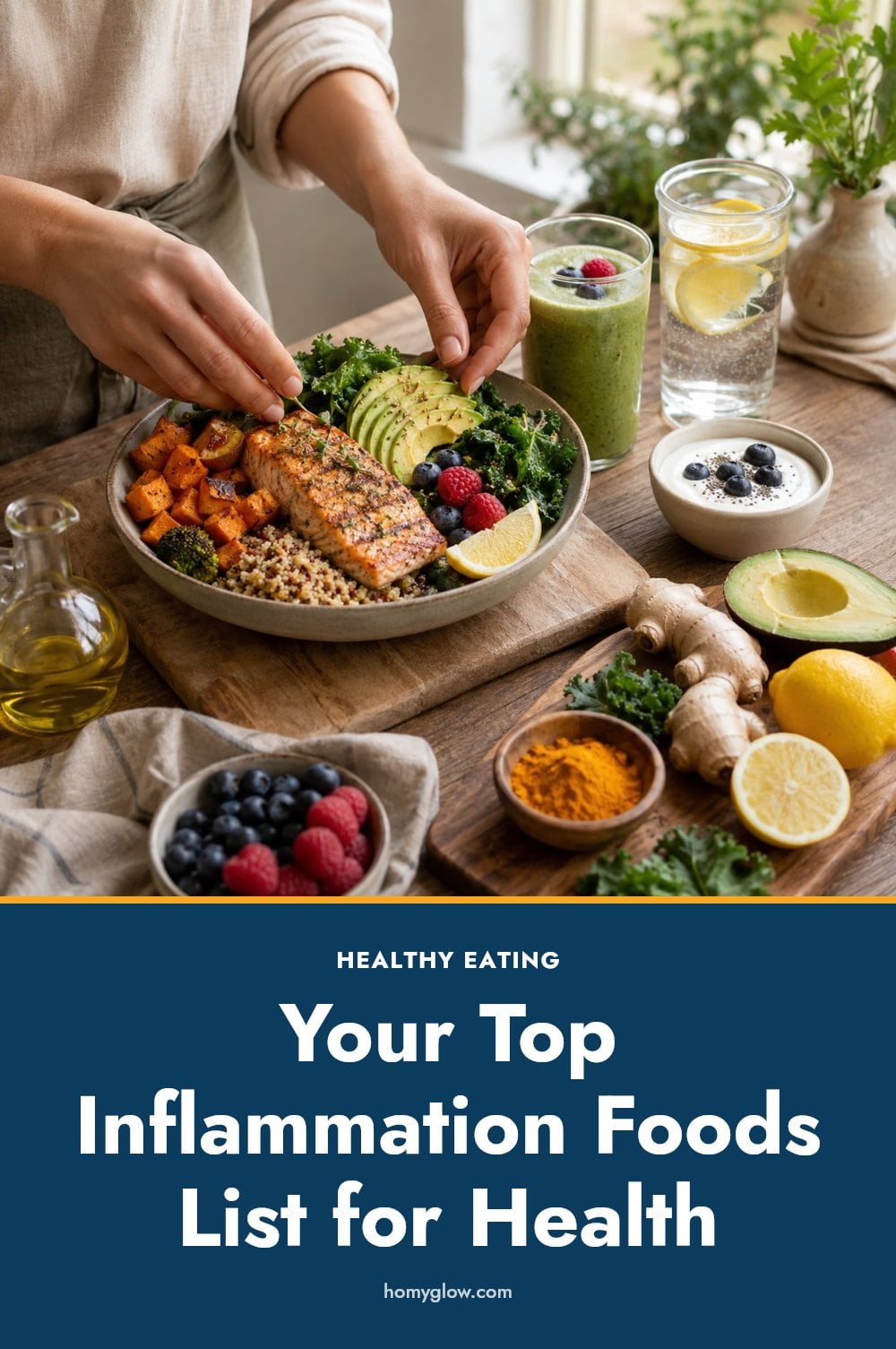
An anti-inflammatory diet centers on whole, unprocessed foods packed with antioxidants, omega-3 fatty acids, and fiber. Key categories include fatty fish like salmon, colorful fruits and vegetables, whole grains such as oats and quinoa, nuts, seeds, and healthy oils like extra virgin olive oil. Equally important is limiting processed foods, refined sugars, and unhealthy fats, as these can trigger inflammatory responses.
1. Fatty Fish
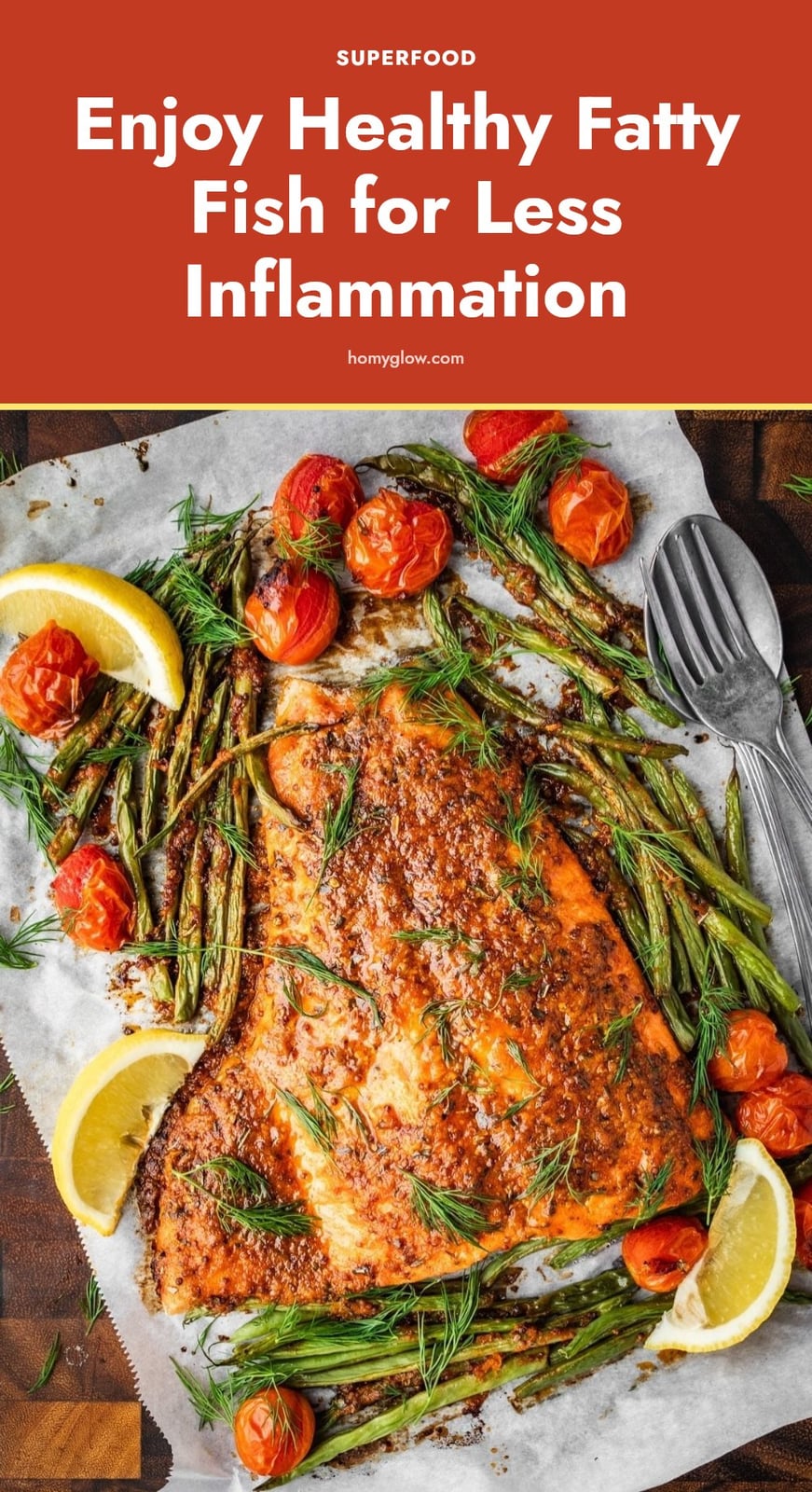
Fatty fish like salmon, mackerel, sardines, and anchovies are rich in omega-3 fatty acids (EPA and DHA), which are powerful anti-inflammatory compounds. Aim for two servings per week. My tip: Canned sardines or mackerel make an easy lunch option when you’re short on time.
2. Berries
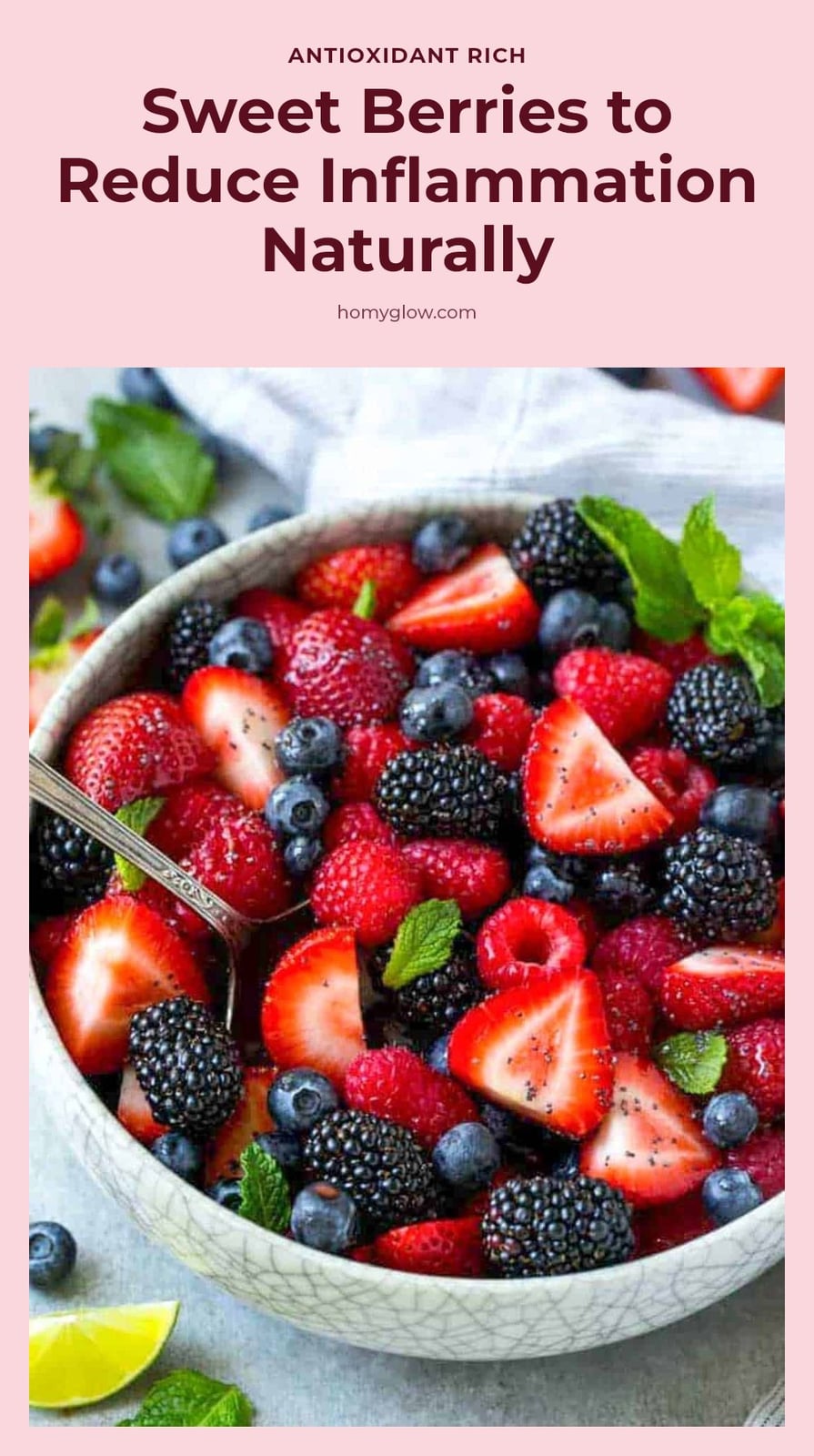
Berries are some of the most concentrated sources of anthocyanins, the antioxidants that give them their deep reds, blues, and purples. These compounds have strong anti-inflammatory effects in the body. I keep a bag of frozen blueberries in my freezer year-round so I can add them to oatmeal, yogurt, or smoothies without worrying about spoilage. Strawberries, raspberries, and blackberries are just as powerful. My tip: buy them fresh when in season and freeze extras on a baking sheet before transferring to a bag for easy portioning.
3. Leafy Green Vegetables
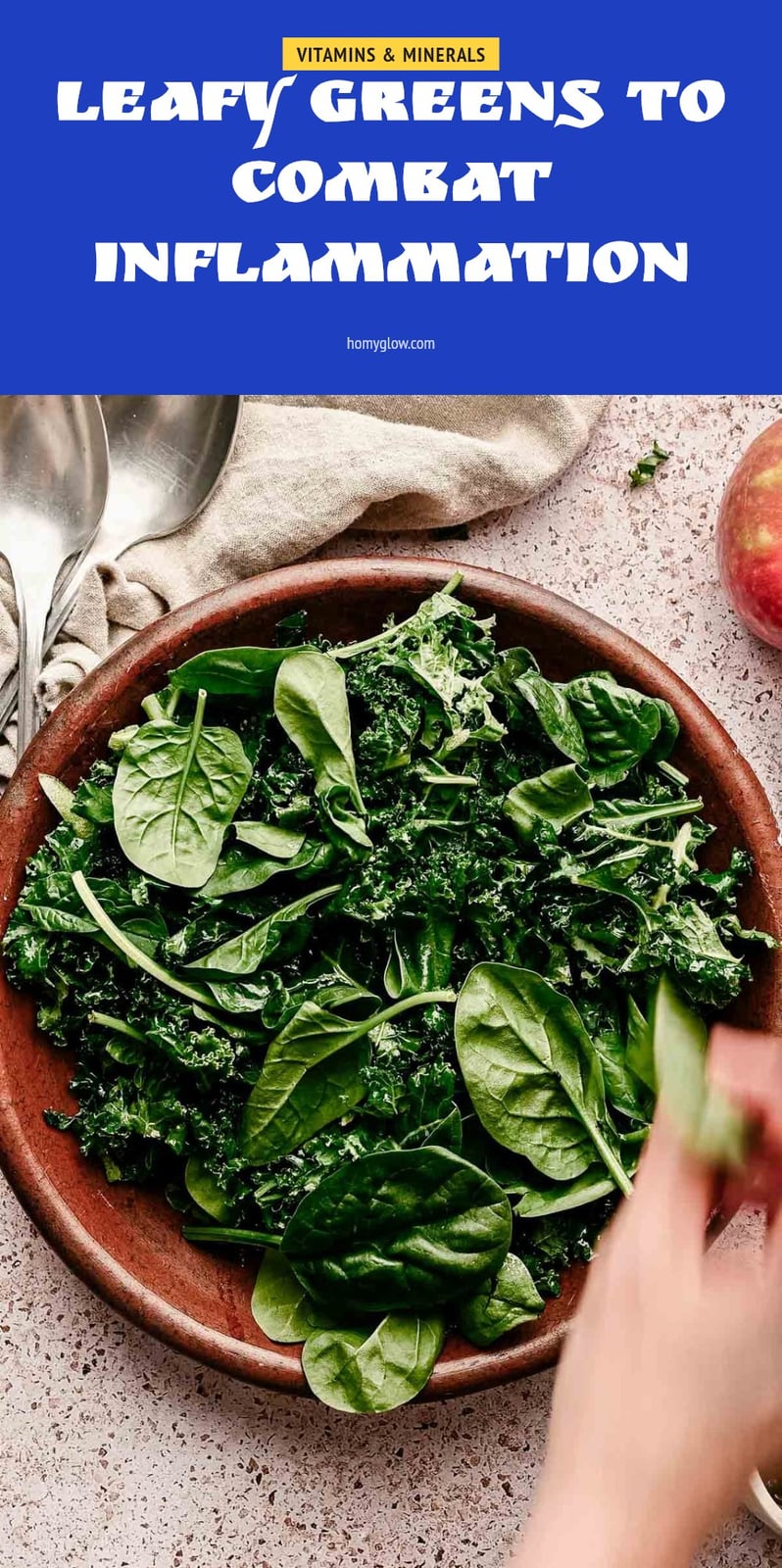
Leafy greens like spinach, kale, and collard greens are excellent sources of vitamins, minerals, and antioxidants. These nutrients help protect your cells from damage and reduce inflammation throughout your body. Tip: Add a handful of spinach to smoothies or soups for an easy nutrient lift.
4. Extra Virgin Olive Oil

Extra virgin olive oil is a healthy monounsaturated fat that contains oleocanthal, a compound with anti-inflammatory properties similar to ibuprofen. This makes it a standout choice among cooking oils.
Choose high-quality extra virgin olive oil for both cooking and dressings. Drizzle it over salads, use it for sautéing vegetables, or dip whole grain bread in it. My tip: keep it in a cool, dark place to preserve its beneficial compounds.
5. Nuts and Seeds
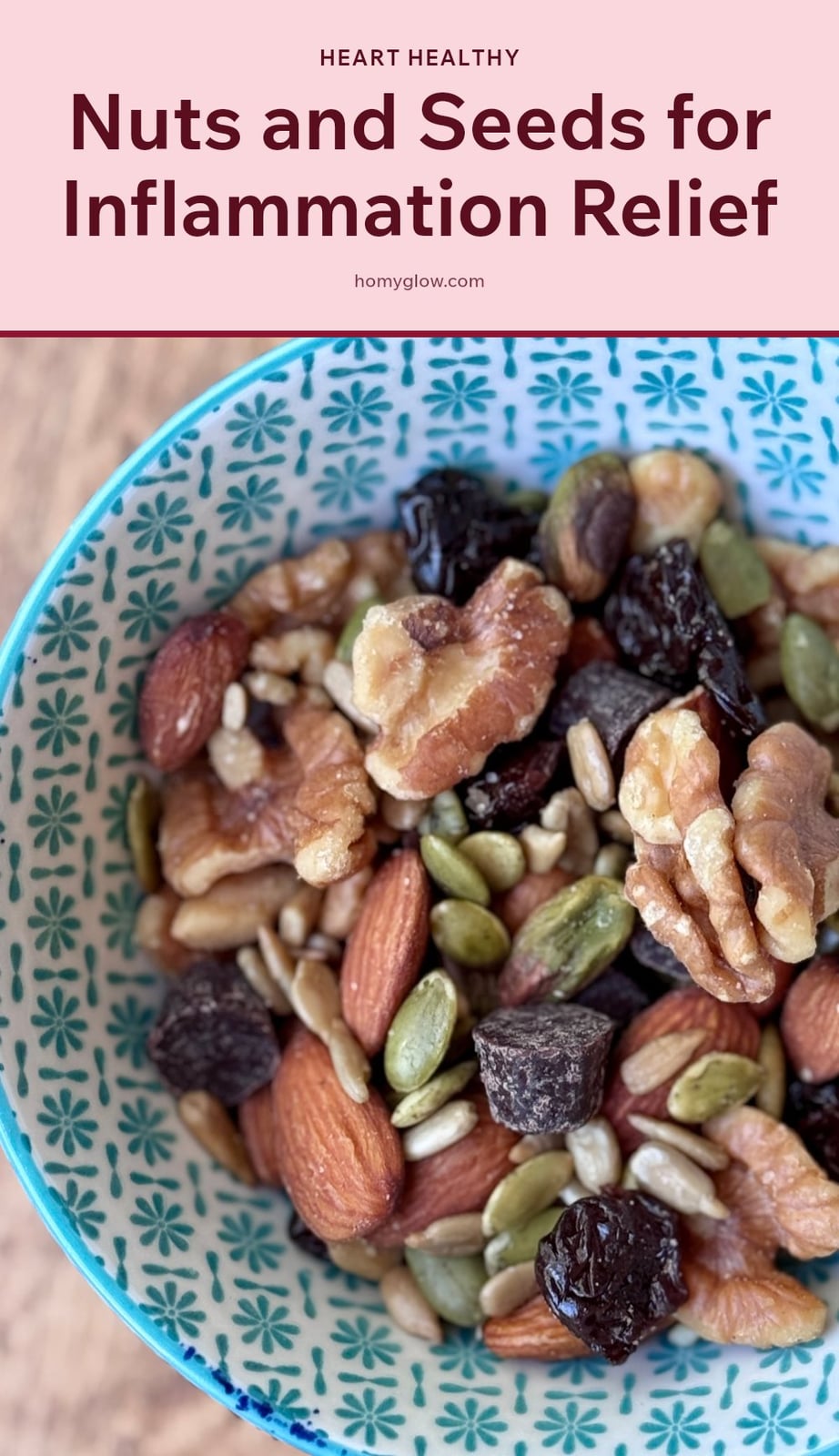
Nuts and seeds provide healthy fats, fiber, and antioxidants that help reduce inflammation. Walnuts are especially rich in alpha-linolenic acid (ALA), a plant-based omega-3, while flaxseeds and chia seeds are also excellent sources.
Add a handful of walnuts to oatmeal, sprinkle ground flaxseeds over yogurt, or stir chia seeds into smoothies. Keep portions moderate, about a quarter cup for nuts and a tablespoon for seeds, since they are calorie-dense.
6. Whole Grains
Whole grains like oats, brown rice, and quinoa retain their fiber, unlike refined grains that have it stripped away. That fiber supports a healthy gut microbiome, which is crucial for modulating inflammatory responses in the body.
Swap white rice for brown rice, choose whole grain bread over white, and start your day with oatmeal instead of sugary cereal. Your gut bacteria thrive on the fiber, and that balance helps keep inflammation in check.
7. Legumes
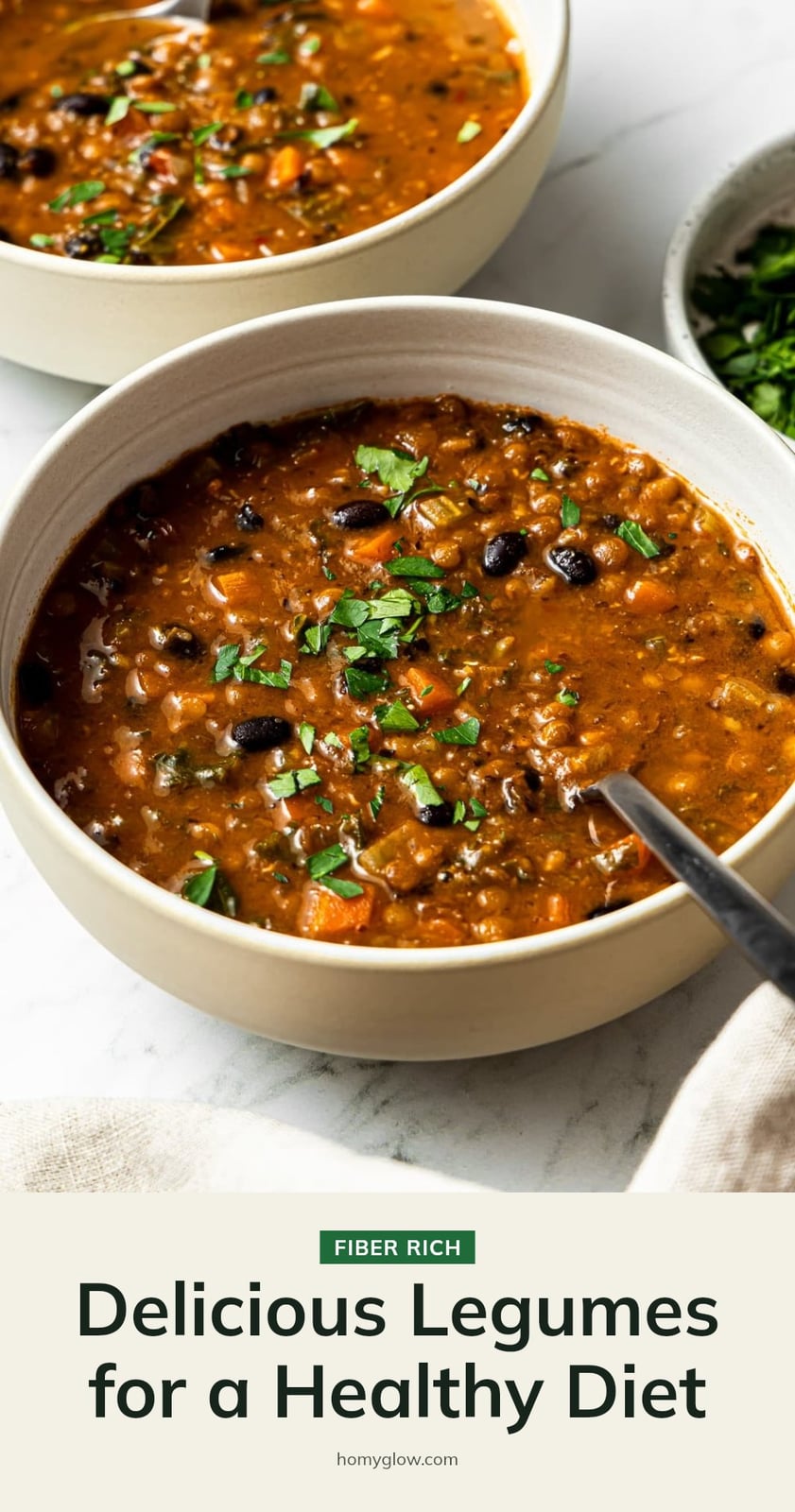
Beans and lentils are excellent sources of fiber, plant-based protein, and various anti-inflammatory compounds. They help stabilize blood sugar and feed beneficial gut bacteria, which supports overall digestive health.
Add chickpeas to salads, use black beans in tacos, or make a lentil soup for lunch. Rinse canned beans to cut sodium, and start with small portions if you are not used to legumes, to give your digestive system time to adjust.
8. Avocados
Avocados are rich in monounsaturated fats, fiber, and antioxidants like carotenoids and tocopherols. These compounds help reduce inflammation and support overall cellular health. Slice half an avocado onto toast or into a salad for a creamy boost of healthy fats that your body can use right away.
Tip: Pair avocado with leafy greens or tomatoes. The fat helps your body absorb the fat-soluble vitamins from those vegetables, so you get more anti-inflammatory benefit from the whole meal.
9. Green Tea
Green tea stands out because of epigallocatechin-3-gallate, or EGCG, a powerful antioxidant with significant anti-inflammatory properties. Drinking it regularly can contribute to reduced inflammation and support overall health.
- Brew it fresh: Steep green tea for 2-3 minutes in water just below boiling to get the most EGCG. Bottled teas often have far less.
- Drink it consistently: Aim for 2-3 cups per day to maintain steady levels of antioxidants in your system.
My tip: Choose loose-leaf green tea over bags when you can. It usually contains higher concentrations of EGCG.
10. Turmeric and Ginger
Turmeric and ginger have been traditionally used and studied for their potent anti-inflammatory benefits. Turmeric contains curcumin, and ginger contains gingerols, both known for fighting inflammation.
- Add turmeric: to soups, curries, or golden milk with a pinch of black pepper to enhance absorption.
- Use fresh ginger: in teas, stir-fries, or smoothies for a zesty kick.
11. Dark Chocolate
Dark chocolate is high in polyphenols and antioxidants, which can help reduce inflammation. Choose dark chocolate with at least 70% cocoa content for maximum benefit.
Enjoy in moderation: a square or two per day is plenty to get the anti-inflammatory effects without excess sugar or calories.
Common Mistakes When Eating for Less Inflammation
One common mistake is expecting immediate results. Dietary changes take time to impact inflammation, so consistency is key. Many people notice improvements within weeks to months of sticking with it.
Another pitfall is focusing on a single ‘superfood’. Adopt a holistic dietary pattern rather than relying on one magic ingredient like turmeric or blueberries alone. The whole diet matters more than any individual food.
Ignoring other lifestyle factors is also a problem. Remember stress and sleep also impact inflammation, so address these alongside your diet for the best results. Eliminating entire food groups without professional guidance can lead to nutrient deficiencies. Consult a professional before making drastic changes like cutting out dairy or grains.
Finally, don’t confuse acute with chronic inflammation. Acute inflammation is a healthy immune response that helps you heal from injury or infection. Focus on managing chronic, prolonged inflammation instead.
Frequently Asked Questions
How quickly can an anti-inflammatory diet work?
Results vary, but some people notice improvements in symptoms within weeks of consistent adherence. It’s not an overnight fix. Your body needs time to reduce inflammation levels, so stick with it for at least a few months to see a real difference.
Can an anti-inflammatory diet help with weight loss?
It can, as a side effect. The diet emphasizes whole, fiber-rich foods and limits processed items, which often leads to fewer calories and better blood sugar control. However, weight loss isn’t the primary goal. Focus on reducing inflammation first, and weight changes may follow naturally.
Are all fats bad for inflammation?
No, not at all. Healthy fats like those in extra virgin olive oil, avocados, nuts, and fatty fish are anti-inflammatory. It’s the trans fats and excessive saturated fats found in processed foods that are pro-inflammatory. Choose your fats wisely.
Do I need to avoid gluten on an anti-inflammatory diet?
Not unless you have celiac disease or a diagnosed gluten sensitivity. For most people, whole grains with gluten, like whole wheat or barley, are fine. If you suspect gluten is an issue for you, consult a doctor before eliminating it entirely.
What drinks are anti-inflammatory?
Green tea is a top choice because of its EGCG antioxidants. Water is always good. You can also enjoy unsweetened herbal teas. Avoid sugary sodas and fruit juices, which can promote inflammation. Coffee is fine in moderation for most people, but it’s not a major anti-inflammatory player.
Is coffee anti-inflammatory?
It can be, in moderation. Coffee contains polyphenols and antioxidants that may have mild anti-inflammatory effects. However, it’s not as powerful as green tea or berries. For most people, one to two cups a day is fine, but if you add lots of sugar or cream, it can cancel out the benefits.
Final Thoughts
My tip is to start simply: add one serving of berries or a handful of spinach to your day, and swap white rice for brown rice. Consistency matters more than perfection. Many people notice improvements within weeks to months of sticking with these changes, so give your body time to respond. Building a plate around whole, colorful foods is one of the best investments you can make for your long-term health.
This information is for general informational purposes only and is not a substitute for professional medical advice, diagnosis, or treatment. Always consult with a qualified healthcare provider or registered dietitian before making significant changes to your diet, especially if you have an existing medical condition or are taking medications.