When life throws challenges your way, staying positive can feel like an uphill battle. But it’s not about pretending everything is fine; it’s about building resilience and a constructive mindset to navigate tough times. In this article, I’ll share practical strategies like gratitude, mindfulness, and setting realistic goals to help you maintain a positive outlook, even when things turn negative.
Key Takeaways
- Practice daily gratitude to shift focus from negative to positive aspects of life.
- Engage in regular physical activity to improve mood and reduce anxiety.
- Prioritize 7-9 hours of sleep each night for better emotional regulation.
- Limit exposure to negative news or social media to reduce pessimism.
- Seek professional help if persistent sadness or hopelessness interferes with daily life.
What Does ‘Staying Positive’ Really Mean?
Staying positive means building resilience and a constructive mindset, not pretending problems don’t exist. It’s about using practical strategies like gratitude, mindfulness, and leaning on supportive relationships. You can acknowledge negative emotions, sadness, frustration, anger, while actively working toward a more balanced outlook. That distinction is what keeps positivity genuine and sustainable.
Simple Tools to Support a Positive Mindset
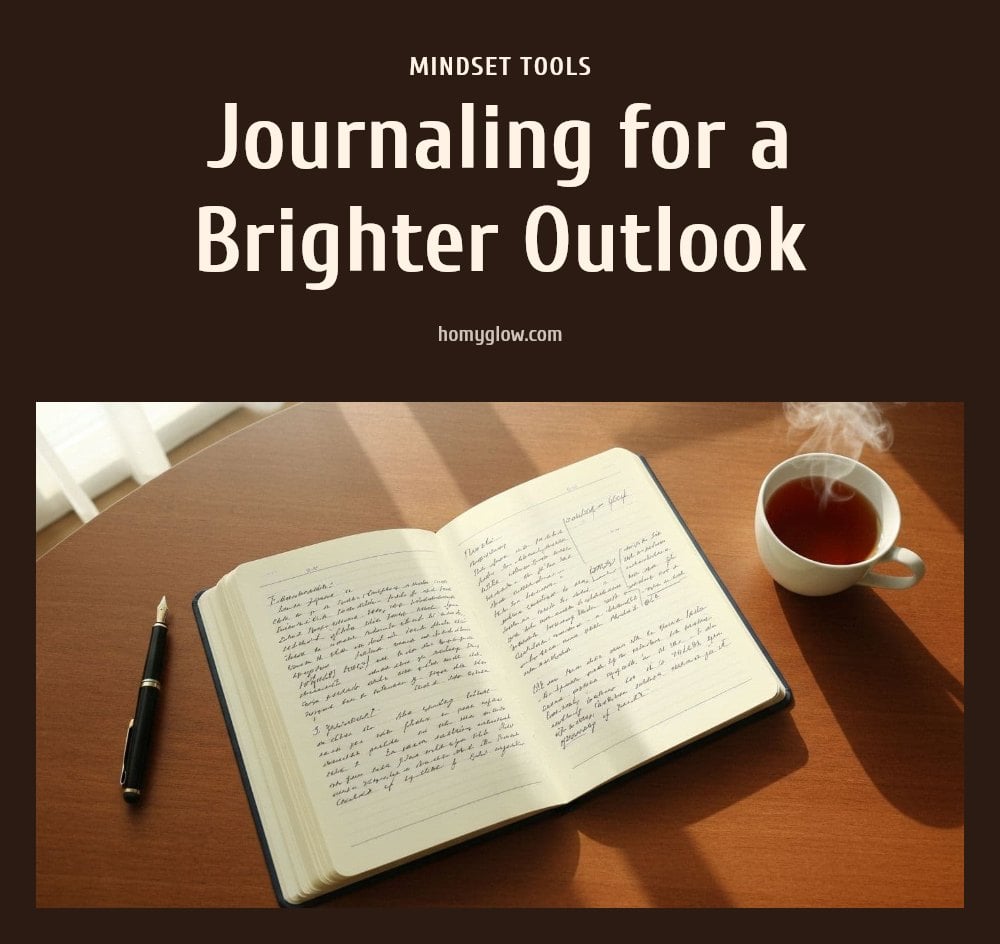
You don’t need a big budget to support a positive mindset. Here are a few simple tools I keep handy:
- A journal: Helps track gratitude and daily reflections, shifting focus to what’s going well.
- Meditation app: Guides short mindfulness practices, even just 5 minutes a day.
- Books on positive psychology: Offer deeper insights into building resilience and reframing thoughts.
- Exercise equipment: A yoga mat or resistance bands support physical activity, which directly boosts mood.
Practical Steps to Cultivate a Positive Outlook
Building a positive outlook takes consistent action. I’ve found these steps work well when I stick with them:
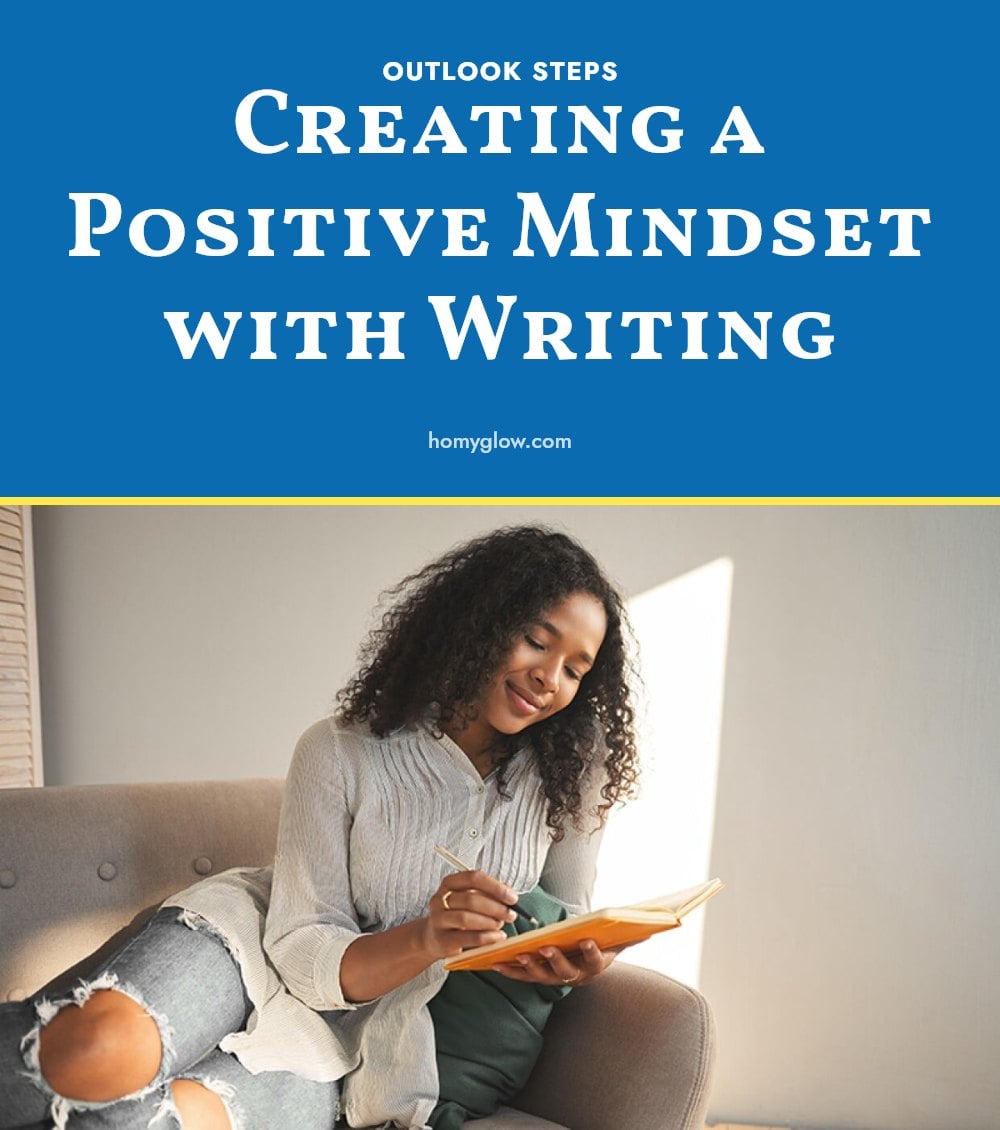
- Practice daily gratitude: Each morning, write down three things you’re grateful for. It shifts your focus from what’s wrong to what’s right.
- Engage in regular physical activity: Aim for 20-30 minutes most days. A brisk walk, yoga, or a quick workout can improve mood and reduce anxiety.
- Prioritize 7-9 hours of sleep: Sleep is foundational for emotional regulation. I set a consistent bedtime and avoid screens an hour before.
- Connect with supportive friends and family: A quick call or coffee date can provide perspective and remind you you’re not alone.
- Set small, achievable goals: Breaking tasks into tiny steps, like tidying one drawer, gives a sense of accomplishment and boosts self-esteem.
- Practice mindfulness: Spend 5-10 minutes observing your thoughts without judgment. Apps like Headspace or Calm can guide you.
- Limit exposure to overwhelming negative information: I mute news alerts and set a 15-minute limit on social media scrolling. It reduces anxiety and frees mental space.
Common Missteps When Trying to Stay Positive
Even with good intentions, it’s easy to slip into habits that undermine positivity. Here are common missteps I’ve learned to watch for:
- Believing positivity means never feeling negative emotions: Acknowledge sadness or anger instead of suppressing them. They’re normal and valid.
- Trying to force positivity without addressing underlying issues: Skip the fake smile and look for root causes. A problem ignored doesn’t disappear.
- Isolating yourself when feeling down: Reach out for support, even if it’s just a text. Connection helps more than solitude.
- Ignoring physical health factors like sleep, diet, and exercise: These are foundational. Poor sleep or skipped meals can tank your mood fast.
- Comparing your journey to idealized social media versions: Focus on your own progress. Everyone’s path looks different offline.
Top Tips for Enhancing Your Positive Mindset
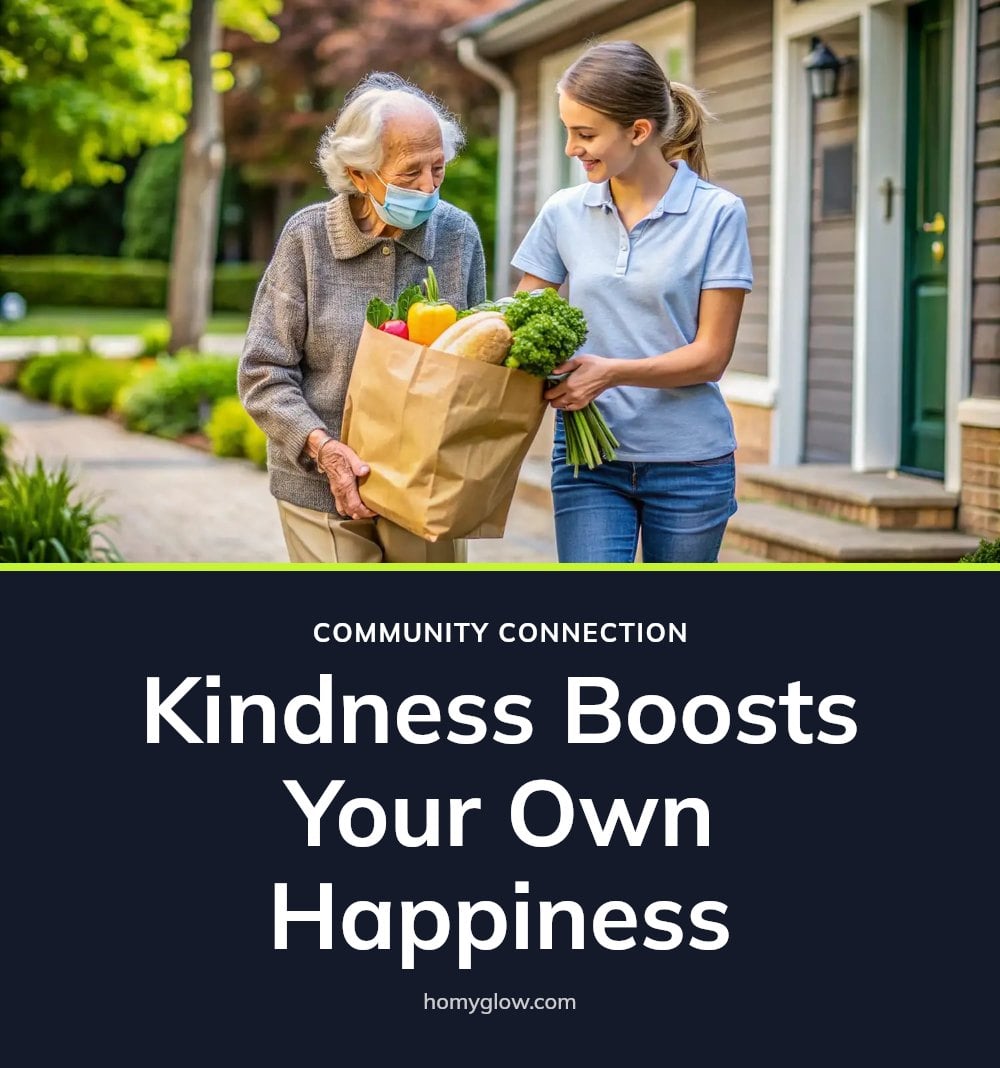
Reframing Thoughts: When a negative thought pops up, challenge it. Ask yourself if there’s a more neutral or balanced way to see the situation. My tip: I keep a short list of common reframes on my phone, like “I made a mistake” becomes “I learned something new.” Self-Compassion: Talk to yourself the way you would comfort a close friend. That means acknowledging your feelings without harsh criticism. Acts of Kindness: Helping someone else, even with a small gesture like holding a door or sending a thoughtful text, can boost your own sense of purpose. Mindful Breaks: Step away from your screen for 2-3 minutes. Focus on your breath or the sounds around you. These short resets help you return with a clearer head.
How Long Does It Take to Build Lasting Positivity?
Many strategies for staying positive can offer an immediate mood boost. You might feel better right after a gratitude exercise or a walk. But building lasting resilience typically takes consistent practice over weeks and months. Think of it like exercise: one session feels good, but regular workouts build real strength. The good news is that most of these strategies are free or low-cost. You don’t need a special app or a gym membership to practice mindfulness, reframe thoughts, or connect with others. Staying positive is an ongoing journey, not a one-time fix.
When to Seek Professional Support for Negative Feelings
If sadness, hopelessness, or anxiety interfere with your daily life for an extended period, it’s time to talk to a professional. When negative feelings feel overwhelming or unmanageable, don’t wait to reach out. Thoughts of Harm: If you experience thoughts of self-harm or harming others, seek immediate professional help or contact emergency services. No Improvement: If you’ve tried self-help strategies like gratitude, mindfulness, or connecting with others and see no significant improvement, a therapist can help you explore deeper patterns. Seeking support is a sign of strength, not failure.
Frequently Asked Questions
Is it bad to feel negative emotions?
No, it’s not bad to feel negative emotions. They are a normal part of being human. The key is to acknowledge them without judgment and then work through them, rather than suppressing or ignoring them. Trying to force positivity all the time can lead to toxic positivity, which invalidates genuine struggles.
How long does it take to feel more positive?
Some strategies, like a gratitude exercise or a walk, can offer an immediate mood boost. However, building lasting resilience and a consistently positive outlook typically takes consistent practice over weeks and months. Think of it like exercise: one session feels good, but regular effort builds lasting results.
Can social media affect my positivity?
Yes, excessive exposure to negative news or idealized versions of others’ lives on social media can increase feelings of anxiety and pessimism. Limiting your time on these platforms or curating your feed to include more uplifting content can help reduce their negative impact on your mood.
What is ‘toxic positivity’?
Toxic positivity is the overgeneralization of a happy, optimistic state that dismisses genuine human emotions. It tells you to ‘just stay positive’ when you’re struggling, which can invalidate your feelings and prevent healthy emotional processing. True positivity acknowledges sadness and frustration while working toward a balanced outlook.
How do I start a gratitude practice?
Start small. Each morning, write down three things you’re grateful for in a journal. They can be as simple as a good cup of coffee or a sunny day. The act of writing shifts your focus from what’s wrong to what’s right. Over time, this habit can train your brain to notice the positive more naturally.
Final Thoughts
My tip: start small with one gratitude entry each morning or a five-minute mindfulness session. Building lasting positivity takes consistent practice over weeks and months, much like physical exercise. Remember, it’s okay to have bad days, but with these tools, you can steadily cultivate a more balanced and resilient outlook.
This article is for general informational purposes only and does not constitute medical or professional advice. If you are experiencing persistent sadness, hopelessness, or anxiety that interferes with daily life, or if you have thoughts of self-harm, please consult a qualified mental health professional or contact emergency services.