You brush and floss every day, but those surface stains from coffee, tea, or red wine still make your smile look dull. The good news is that a few simple daily habits can help you gently lift those stains and reveal a brighter smile over time. This article covers five easy, everyday routines that focus on stain removal and prevention, so you can work toward a naturally whiter look without harsh chemicals or expensive treatments.
Key Takeaways
- Brush twice daily for two minutes with fluoride toothpaste to prevent stain buildup.
- Rinse your mouth with water after meals and stain-causing drinks to remove acids and debris.
- Eat crunchy fruits and vegetables like apples and carrots to naturally scrub surface stains.
- Use baking soda as a mild abrasive paste no more than once or twice a week.
- Schedule professional dental cleanings to remove tartar and stubborn surface stains.
How to Naturally Whiten Your Teeth Daily
Natural teeth whitening is about removing surface stains through consistent oral hygiene and dietary choices, not changing your teeth’s intrinsic color. Simple daily habits like proper brushing, flossing, and smart eating can make a significant difference over time. The goal is to reveal your teeth’s natural brightness, not to achieve a dramatic change in shade.
1. Brush and Floss Consistently
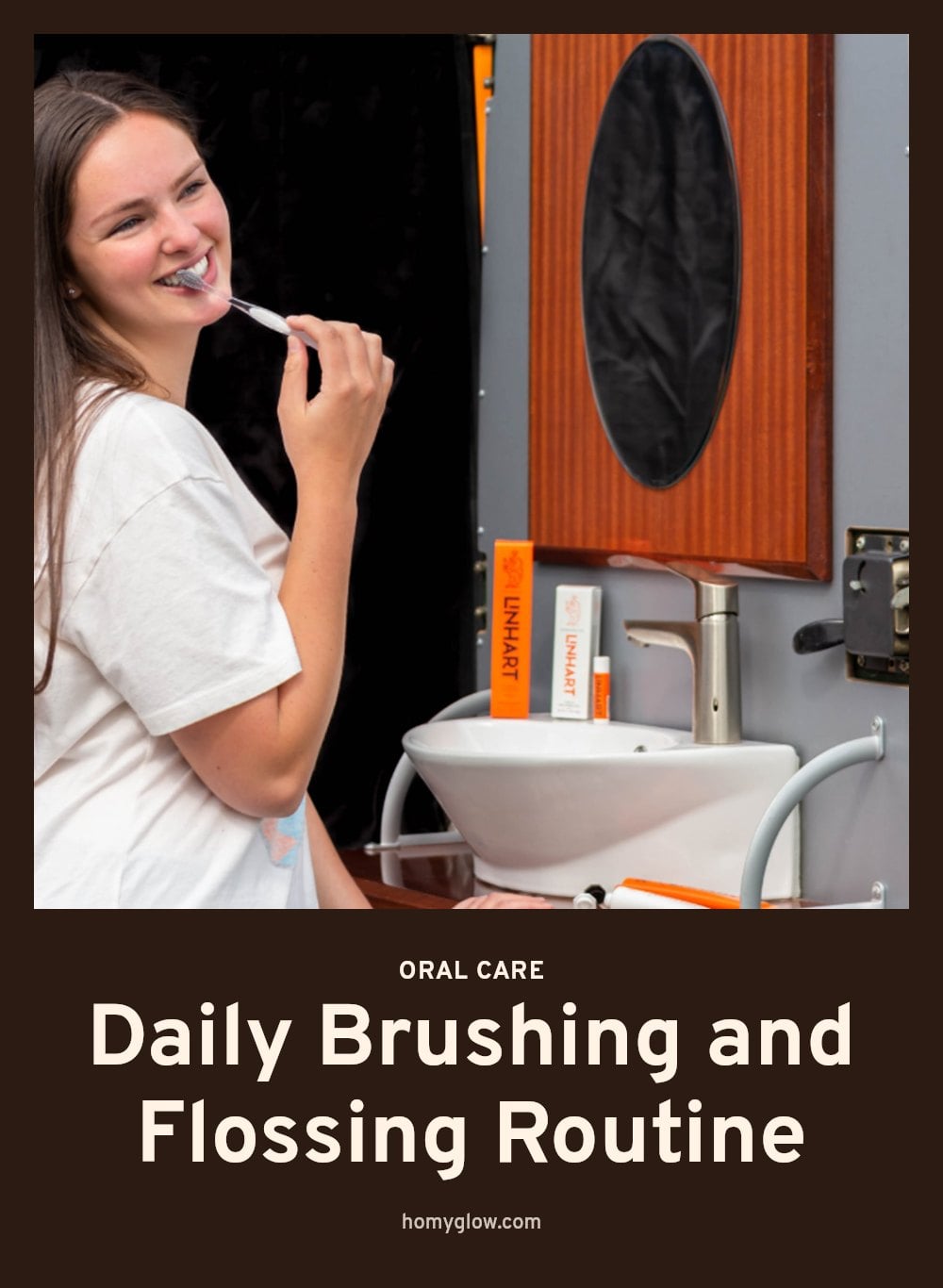
Brushing twice daily for two minutes with fluoride toothpaste is the foundation for preventing stain buildup and maintaining oral health. Flossing daily removes plaque and food particles between teeth, which are often overlooked areas where stains can accumulate.
My tip: Consider brushing immediately after consuming highly staining foods or drinks to reduce their impact, but wait 30 minutes if you’ve had acidic items to protect enamel.
2. Rinse and Hydrate Regularly

Rinsing your mouth with water after meals and drinks is a simple yet effective way to wash away food debris and acids before they can cause stains. Staying hydrated by drinking plenty of water throughout the day helps stimulate saliva production, which naturally cleanses your teeth.
My tip: Using a straw for dark beverages like coffee, tea, and red wine can minimize their contact with your front teeth, helping to prevent surface stains.
3. Eat Crunchy Fruits and Vegetables
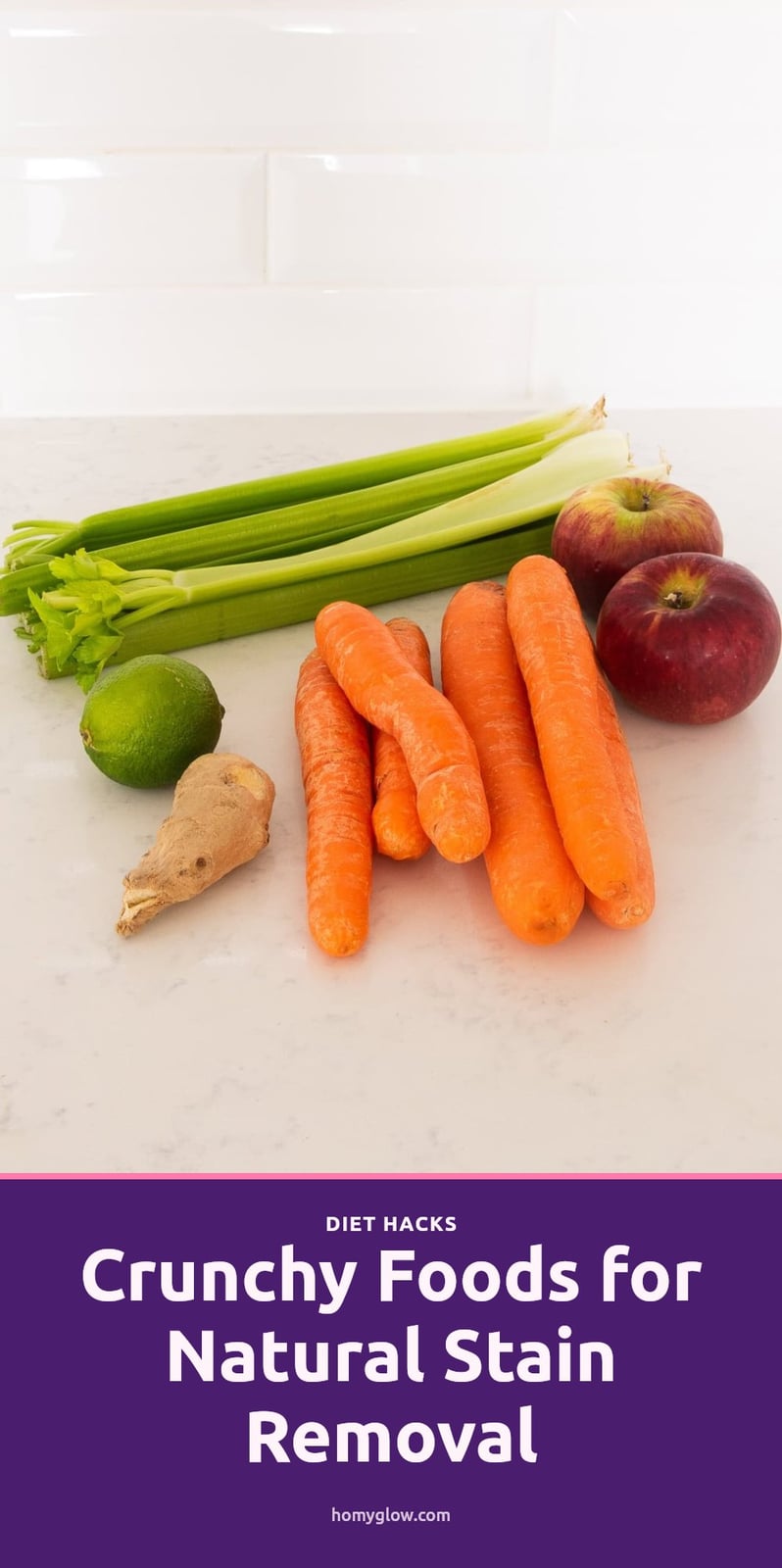
Foods like apples, carrots, and celery are natural abrasives that can help scrub away surface stains as you chew. Their high fiber content also stimulates saliva flow, which aids in washing away food particles and neutralizing acids.
My tip: Make these crunchy snacks a regular part of your diet to gently clean your teeth between brushings.
4. Use Baking Soda for Gentle Scrubbing
Baking soda is a mild abrasive that can lift surface stains without damaging enamel when used correctly. I usually mix a teaspoon of baking soda with enough water to form a thick paste and apply it with my toothbrush for about one minute, no more than twice a week. You can also choose a toothpaste that lists baking soda as an ingredient for a gentler daily option.
Caution: Overusing baking soda or scrubbing too hard can wear down enamel over time. If you have sensitive teeth or existing dental work, check with your dentist before adding it to your routine.
5. Consider Regular Dental Cleanings
Professional dental cleanings are the only way to remove hardened tartar and stubborn surface stains that daily brushing and flossing miss. Even with a solid home routine, plaque can mineralize into tartar within 24 to 48 hours, and only a hygienist can scale it off safely. These cleanings also give your dentist a chance to spot early signs of decay or gum issues that could affect tooth color.
My tip: Schedule a cleaning every six months, or follow your dentist’s recommended frequency, to keep your teeth looking their brightest and catch problems before they worsen.
Common Teeth Whitening Mistakes to Avoid
Believing natural methods change intrinsic color: Natural whitening removes surface stains, not the genetic shade of your enamel. If your teeth are naturally darker or yellowish, daily habits will brighten them only to their original baseline.
Using harsh abrasives or acids: Applying pure activated charcoal, lemon juice, or vinegar directly to teeth can erode enamel and cause lasting sensitivity. Stick to mild abrasives like baking soda and always rinse with water after acidic foods or drinks.
Over-brushing or using hard bristles: Brushing aggressively or with a hard toothbrush wears down enamel and irritates gums, making teeth more prone to stains and recession. Use a soft-bristled brush and gentle circular motions.
Ignoring professional dental care: At-home methods cannot replace regular cleanings and check-ups. Skipping professional care allows plaque and tartar to build up, undoing your daily efforts and risking oral health problems.
Frequently Asked Questions
Can natural methods change my tooth color?
No, natural methods only remove surface stains, not the intrinsic color of your tooth enamel. Your teeth have a natural shade determined by genetics, and daily habits will brighten them only to that baseline. If you want to lighten the enamel itself, you would need professional whitening treatments.
How long does it take to see results from daily habits?
Results are gradual and cumulative, often taking weeks to months to show noticeable improvement in surface stain removal. Don’t expect dramatic changes overnight. Consistency with brushing, flossing, rinsing, and dietary choices is what makes the difference over time.
Is activated charcoal safe for teeth whitening?
Activated charcoal is sometimes used for whitening, but it can be abrasive and may damage enamel over time if used improperly or too frequently. If you try it, use it sparingly and stop if you notice increased sensitivity or gum irritation. For a safer option, stick with baking soda once or twice a week.
What foods should I avoid to prevent stains?
Limit coffee, tea, red wine, and dark sodas, as these are common culprits for extrinsic stains. If you do drink them, use a straw to minimize contact with your teeth and rinse your mouth with water afterward. Crunchy fruits and vegetables like apples and carrots can actually help clean teeth naturally.
Can I whiten my teeth if I have sensitivity?
If you have sensitive teeth or gums, proceed with caution. Avoid harsh abrasives like activated charcoal or acidic substances like lemon juice. Baking soda can be used gently and infrequently, but if sensitivity worsens, discontinue the method and consult your dentist. Professional advice is always best for sensitive teeth.
Final Thoughts
Stick with these habits, and you can expect to see a gradual improvement in surface stain removal over several weeks to months. The key is consistency: brushing, flossing, rinsing, and eating smart every day. For the most stubborn stains or if you want a faster change, a professional cleaning or whitening treatment from your dentist is your best bet. Start with one or two of these tips today and build from there.
This article is for general informational purposes only and does not constitute medical or dental advice. Individual results may vary, and not all methods are suitable for everyone. If you have persistent tooth sensitivity, gum irritation, or other oral health concerns, please consult a dentist or healthcare professional.