Dark spots can feel stubborn, but the good news is that you don’t need a dermatologist’s office to start seeing improvement. With the right daily habits and a few targeted ingredients, you can gently fade hyperpigmentation right at home. This article covers nine effective, skin-friendly methods to help even out your tone, plus the key rules to follow so you don’t accidentally make things worse.
Key Takeaways
- Wear broad-spectrum sunscreen with SPF 30 or higher every single day, even indoors.
- Consistent use of ingredients like Vitamin C, niacinamide, or AHAs can show results in 4-12 weeks.
- Always patch test new active products and introduce them one at a time to avoid irritation.
- Don’t pick at blemishes, as that can create new dark spots from inflammation.
- See a dermatologist if spots persist, worsen, or change in size or shape after several months.
What Are Dark Spots and Why Do They Appear?
Dark spots, also called hyperpigmentation, happen when your skin produces excess melanin in certain areas, creating uneven tone. They usually show up from sun exposure, post-inflammatory hyperpigmentation after acne or an injury, or hormonal shifts like melasma. While professional treatments exist, many gentle at-home methods can fade them over time by exfoliating pigmented cells, inhibiting melanin production, or protecting against further sun damage.
1. Prioritize Daily Sun Protection

Using a broad-spectrum sunscreen with SPF 30 or higher every day is non-negotiable. It prevents new dark spots from forming and stops existing ones from getting darker. My tip: Make sunscreen the last step in your morning skincare routine, even on cloudy days or indoors near windows.
2. Incorporate Vitamin C Serum
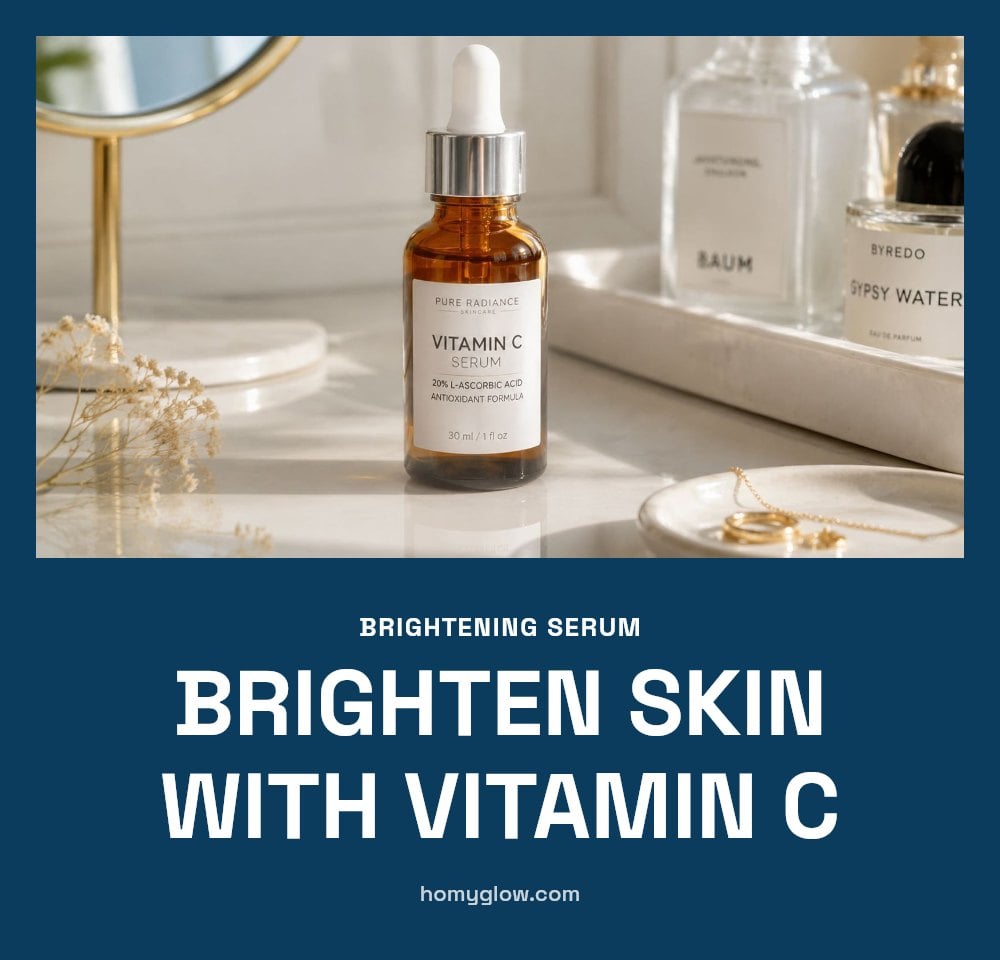
Vitamin C, or ascorbic acid, is a potent antioxidant that brightens skin and helps inhibit melanin production. It protects against environmental damage while working to fade existing spots. My tip: Apply a Vitamin C serum in the morning after cleansing and before moisturizer and sunscreen for maximum benefit.
3. Try Niacinamide (Vitamin B3)
Niacinamide reduces the transfer of melanin to the skin’s surface, improving overall tone and fading dark spots. It also has anti-inflammatory properties and strengthens the skin barrier. Tip: This ingredient is generally well-tolerated, making it a great choice for sensitive skin. You can use it morning or night.
4. Exfoliate with AHAs (Glycolic, Lactic Acid)

Alpha Hydroxy Acids like glycolic and lactic acid work by loosening the bonds between dead skin cells on the surface. This gentle exfoliation helps shed the pigmented cells that make dark spots visible. What gets left behind is fresher, more even-toned skin.
Caution: Start with a low concentration, around 5% glycolic or 5-10% lactic acid, and use it only 2-3 times a week at night. Over-exfoliating can cause redness and irritation, which may actually worsen hyperpigmentation.
5. Use Retinoids for Cell Turnover
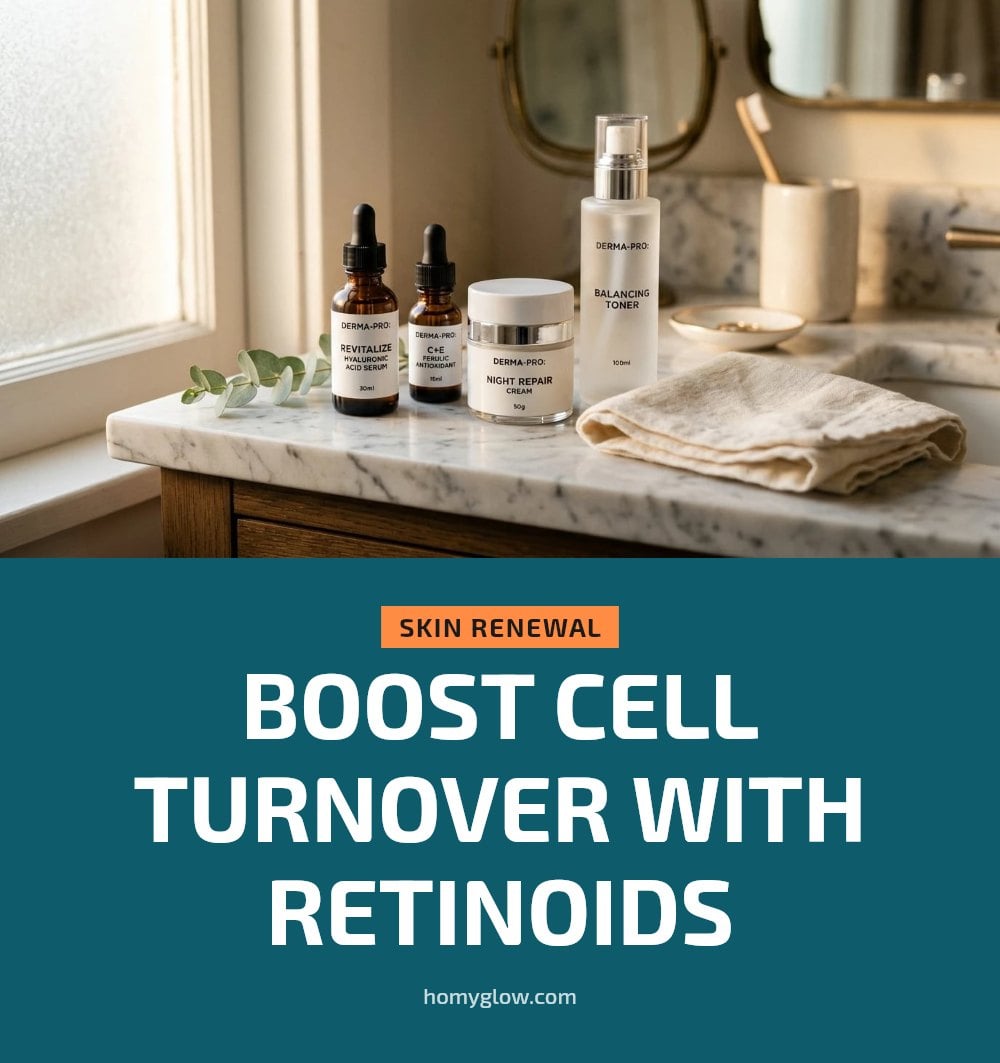
Retinoids like retinol speed up your skin’s natural cell turnover cycle. This means older, pigmented cells get pushed to the surface and shed faster, while newer, unpigmented cells take their place. Over time, this process can significantly lighten dark spots.
Caution: Retinoids can cause dryness, peeling, and increased sun sensitivity. Start by applying a pea-sized amount a few nights a week, then gradually increase frequency. Always follow with broad-spectrum sunscreen the next morning.
6. Consider Kojic Acid
Kojic acid, derived from certain fungi, works by blocking tyrosinase, an enzyme your skin needs to produce melanin. This makes it effective for fading sun spots, age spots, and post-acne marks.
Good to know: Look for kojic acid in a serum or cream and use it as part of your nighttime routine. It pairs well with other brighteners but can be irritating if combined with strong exfoliants.
7. Benefit from Azelaic Acid
Azelaic acid is a multitasker that reduces inflammation, gently exfoliates, and fights bacteria. It is especially effective for post-inflammatory hyperpigmentation, the dark marks left behind after a pimple heals.
Pro move: This ingredient is often well-tolerated by sensitive skin and can be used twice daily. It is a personal favorite for calming redness while evening out skin tone.
8. Explore Licorice Root Extract
Licorice root extract offers a gentler path to fading dark spots. Its active compound, glabridin, inhibits tyrosinase, the enzyme needed for melanin production, without harsh side effects. It also has soothing properties that calm irritated skin.
Quick tip: This is a great complementary ingredient to other actives. You will often find it in brightening serums alongside Vitamin C or niacinamide, so you can layer benefits without extra steps.
9. Maintain Skin Hydration

Keeping your skin well-hydrated supports a healthy barrier, which is essential for repair and an even tone. When your barrier is strong, your skin can better tolerate and respond to active treatments like AHAs or retinoids.
Tip: Choose a non-comedogenic moisturizer for your skin type and apply it after your serums. This locks in moisture and keeps your skin resilient while you work on fading spots.
When to Consult a Dermatologist
See a dermatologist if your dark spots persist or worsen after several months of consistent at-home care. Also seek professional advice if you are unsure about the cause, especially if spots appeared suddenly or are changing rapidly.
Any spot that changes in size, shape, or color, or becomes itchy or painful, needs a medical evaluation. These changes can signal a more serious condition that requires a professional diagnosis.
Frequently Asked Questions
Can diet affect dark spots?
There is no strong scientific evidence that eating certain foods directly fades existing dark spots. However, a diet rich in antioxidants from fruits and vegetables may support overall skin health and protect against future damage. Focus on topical treatments and sun protection for the most reliable results.
Are natural remedies effective for dark spots?
Some natural ingredients like licorice root extract have research backing their melanin-inhibiting properties. Others, like turmeric or aloe vera, are popular but lack robust scientific proof for topical use. Be cautious with DIY remedies, as they can cause irritation or allergic reactions, and they are rarely as consistent as formulated products.
What is the difference between sun spots and melasma?
Sun spots (solar lentigines) are small, flat, dark patches that develop from years of sun exposure. Melasma is a larger, patchy pigmentation often triggered by hormonal changes, such as pregnancy or birth control, and it can be worsened by sun and heat. Melasma is usually harder to treat and may require professional care.
Can makeup hide dark spots while I treat them?
Yes, makeup can temporarily cover dark spots. Look for a concealer or foundation that matches your skin tone and offers broad-spectrum SPF for added protection. Just be sure to remove all makeup gently at night so it doesn’t clog pores or interfere with your treatment products.
Is it okay to use multiple dark spot treatments at once?
Using too many strong active ingredients at the same time can irritate your skin and even worsen hyperpigmentation. It is safer to introduce one new product at a time and see how your skin responds. If you want to combine treatments, like Vitamin C in the morning and a retinoid at night, do so gradually and always with a moisturizer.
How long does it take for dark spots to fade?
With consistent use of gentle at-home treatments and daily sunscreen, noticeable fading typically takes 4 to 12 weeks. Deeper or older spots may take several months or longer to fully improve. Patience is key, and stopping treatment early can delay results.
Final Thoughts
My tip: Pick one or two gentle actives that match your skin type and stick with them for at least two months. Realistic results take time, but with daily sunscreen and consistent care, you should notice your skin tone becoming more even. Remember, slow and steady wins this race, and your skin will thank you for the patience.
This article provides general information on skin care and is not a substitute for professional medical advice. Everyone’s skin is different, and results may vary. If you have persistent, worsening, or changing dark spots, or if you experience significant irritation from any product, please consult a dermatologist or healthcare provider.