You want smooth, glowing skin without spending a fortune on fancy products. Homemade body scrubs are a simple, effective solution that puts you in control of exactly what goes on your body. In this article, I’ll walk you through a go-to sugar scrub recipe, how to use it properly, and ways to customize it for your specific skin needs.
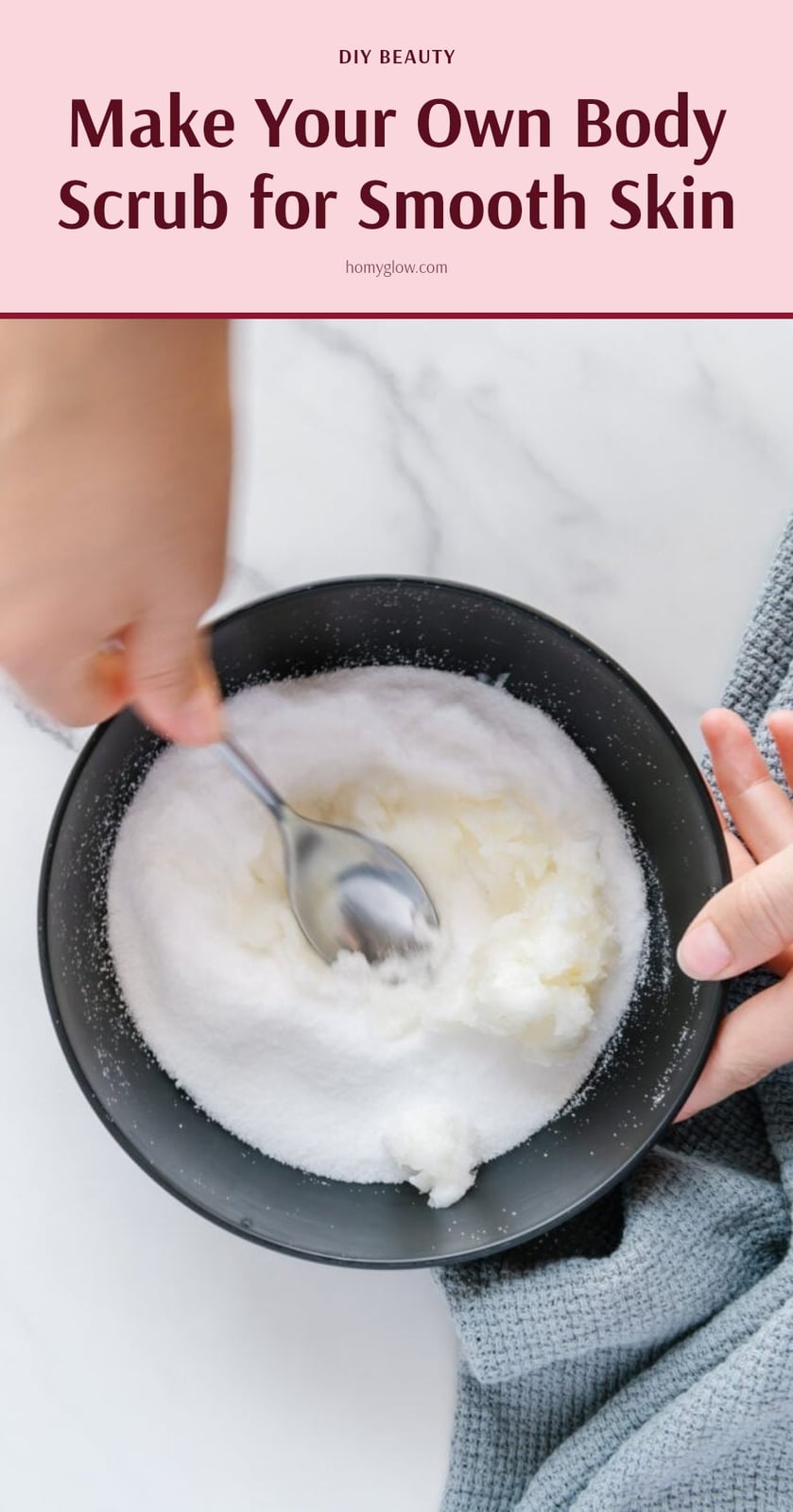
Key Takeaways
- Exfoliate 1-3 times per week to avoid stripping your skin’s protective barrier.
- Always apply scrubs to damp skin using gentle, circular motions.
- Use sugar for sensitive areas and salt for tougher spots like elbows and feet.
- Store DIY scrubs in an airtight container in a cool, dark place.
- Moisturize immediately after exfoliating to lock in hydration.
Why Homemade Body Scrubs Are a Skincare Game Changer
Homemade body scrubs remove dead skin cells effectively, revealing smoother, brighter skin. They rely on natural ingredients like sugar or salt for exfoliation and oils for deep moisturizing. Making your own scrub gives you full control over the ingredients, so you can tailor the texture and hydration to your skin type and preferences.
Go-To Hydrating Sugar Body Scrub Recipe
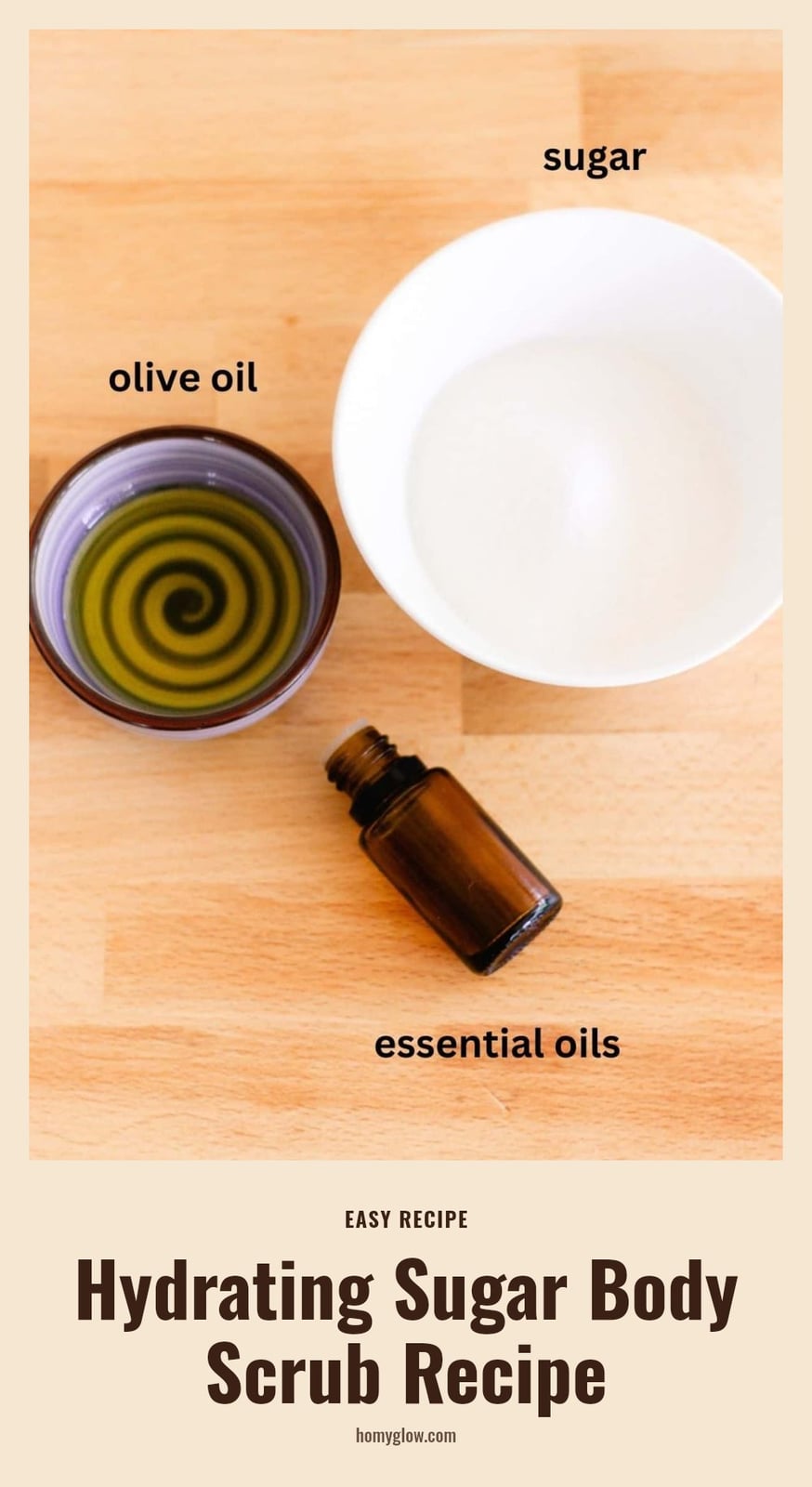
Ingredients:
- 1 cup granulated sugar (white or brown)
- 1/2 cup carrier oil (coconut, olive, almond, or jojoba)
- 10-15 drops essential oil (optional, e.g., lavender, peppermint, citrus)
Instructions: Combine sugar and oil in a bowl and stir until well mixed. Add essential oils if desired and stir thoroughly. Transfer to an airtight container. Prep time is 5 minutes. Yield is approximately 1.5 cups.
Step-by-Step: How to Make and Use Your DIY Body Scrub
- Mix the base: In a bowl, combine 1 cup granulated sugar with 1/2 cup carrier oil. Stir until evenly blended.
- Add fragrance: If using, add 10-15 drops of essential oil and stir thoroughly.
- Store it: Transfer the scrub to an airtight container. Label it with the date.
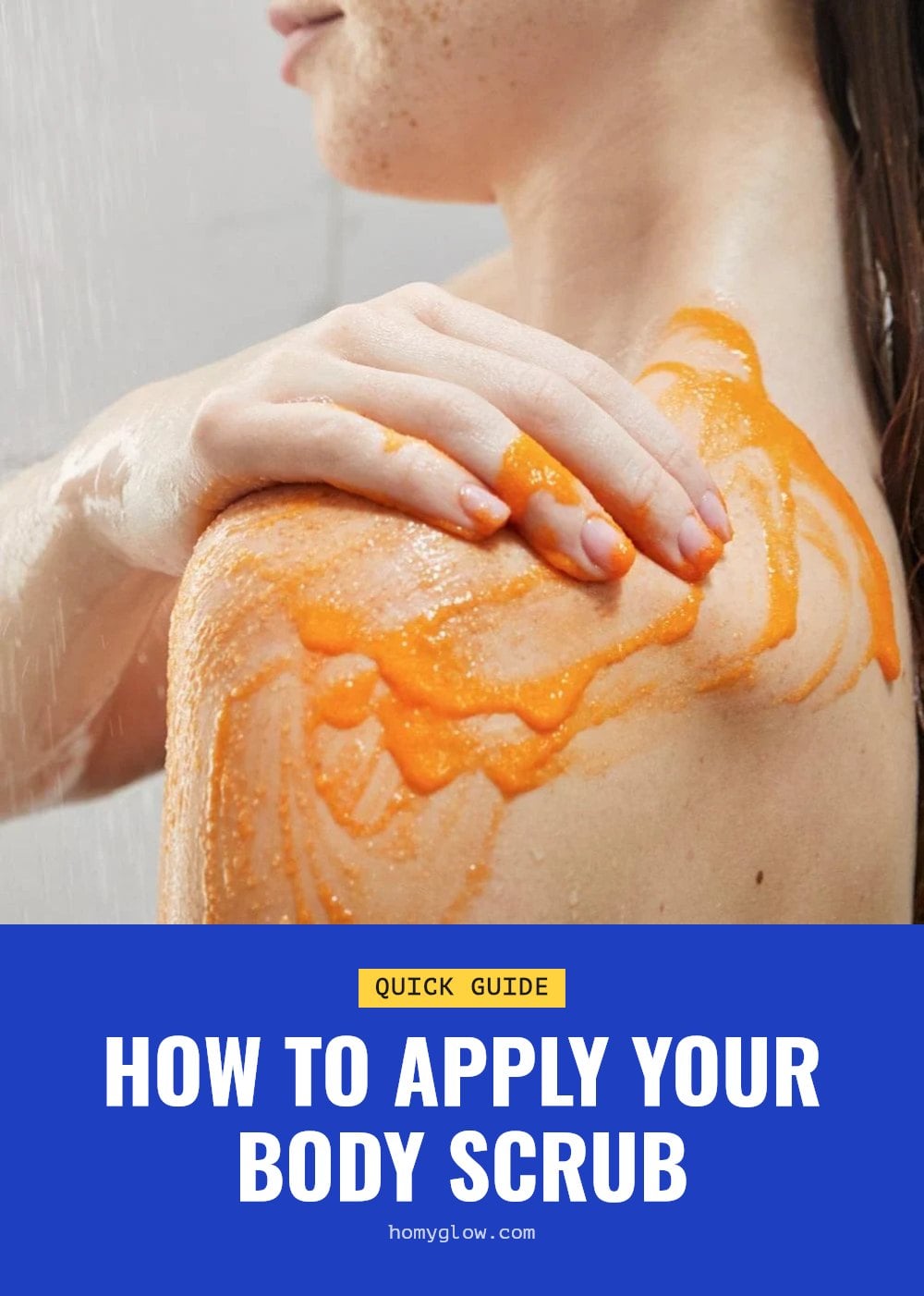
- Prep your skin: In the shower, wet your skin with lukewarm water. Damp skin reduces friction and prevents irritation.
- Apply gently: Scoop a small amount of scrub and massage onto your skin using light, circular motions. Focus on rough areas like elbows and knees, but avoid broken or sunburned skin.
- Rinse and moisturize: Rinse thoroughly with lukewarm water. Pat dry, then immediately apply a moisturizer or body oil to lock in hydration.
Here is the method in action: TaraLee demonstrates it in about 14 minutes. The how-to part starts at 0:45.
Top Tips for Body Scrub Success
- Patch Test First: Always test a new scrub on a small area of skin to check for sensitivity before full-body use.
- Damp Skin is Key: Apply scrubs to damp skin to reduce friction and irritation. Dry skin increases the risk of micro-tears.
- Gentle Does It: Use light, circular motions. Never scrub aggressively or apply excessive pressure.
- Moisturize Immediately: Apply lotion or body oil right after showering to seal in moisture and prevent dryness.
- Avoid Broken Skin: Never use scrubs on irritated, sunburned, or broken skin. This can worsen the condition and lead to infection.
Customize Your Scrub: Variations for Every Skin Need
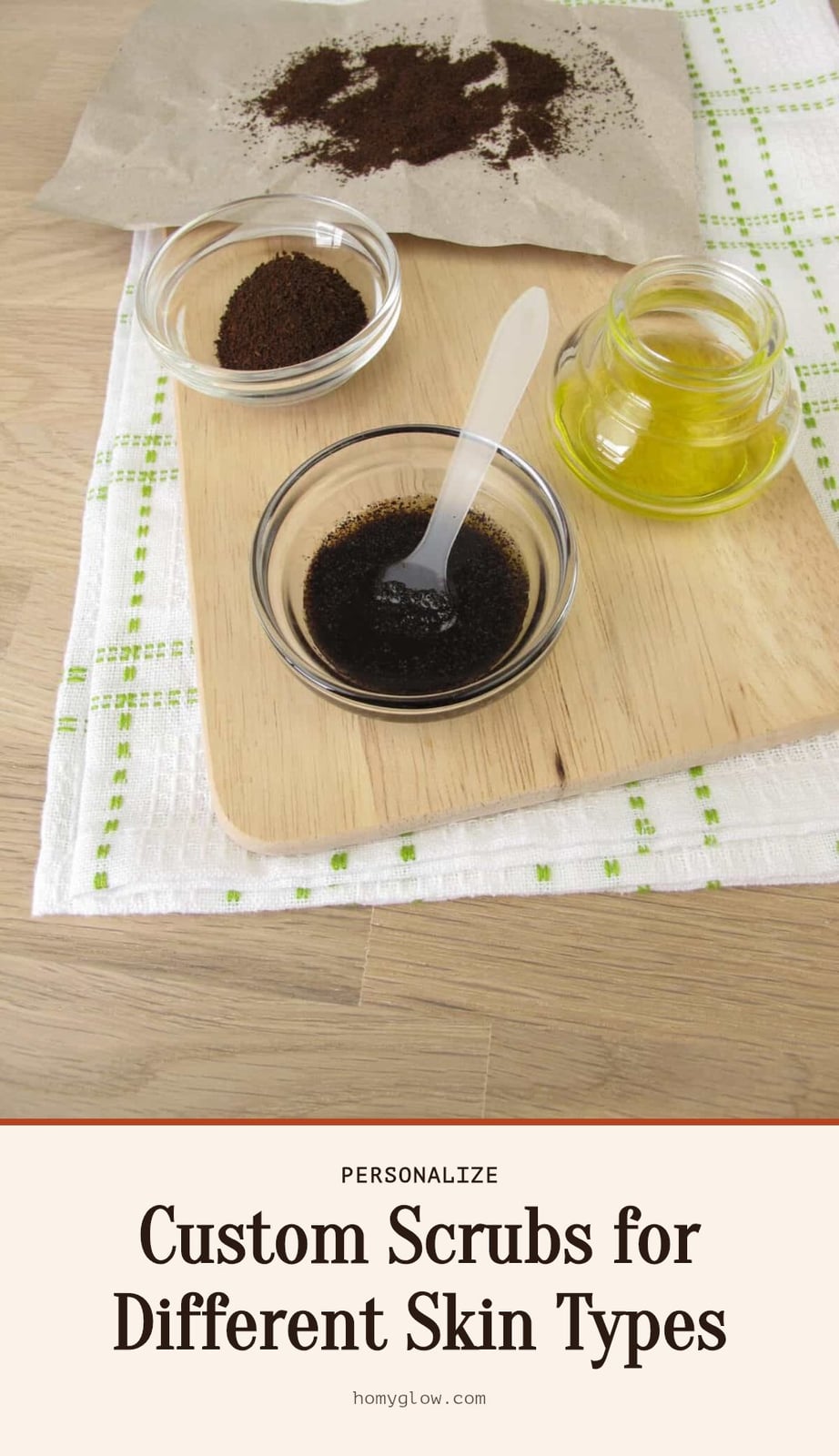
Switch out sugar for sea salt or Epsom salt when targeting tougher areas like elbows, knees, and feet. Salt granules are more abrasive, so they break down calluses and rough patches faster. For a potential cellulite-fighting boost, mix in a tablespoon of coffee grounds. The caffeine may temporarily tighten the skin’s appearance, and the grounds add extra grit.
Add honey to your base if your skin feels dry. Its humectant properties pull moisture into the skin, making the scrub more hydrating. Your carrier oil choice matters too: jojoba oil works well for oily or acne-prone skin because it mimics the skin’s natural sebum, almond oil is gentle for sensitive types, and coconut or olive oil provide deep moisture for dry skin.
Proper Storage for Your Homemade Scrubs
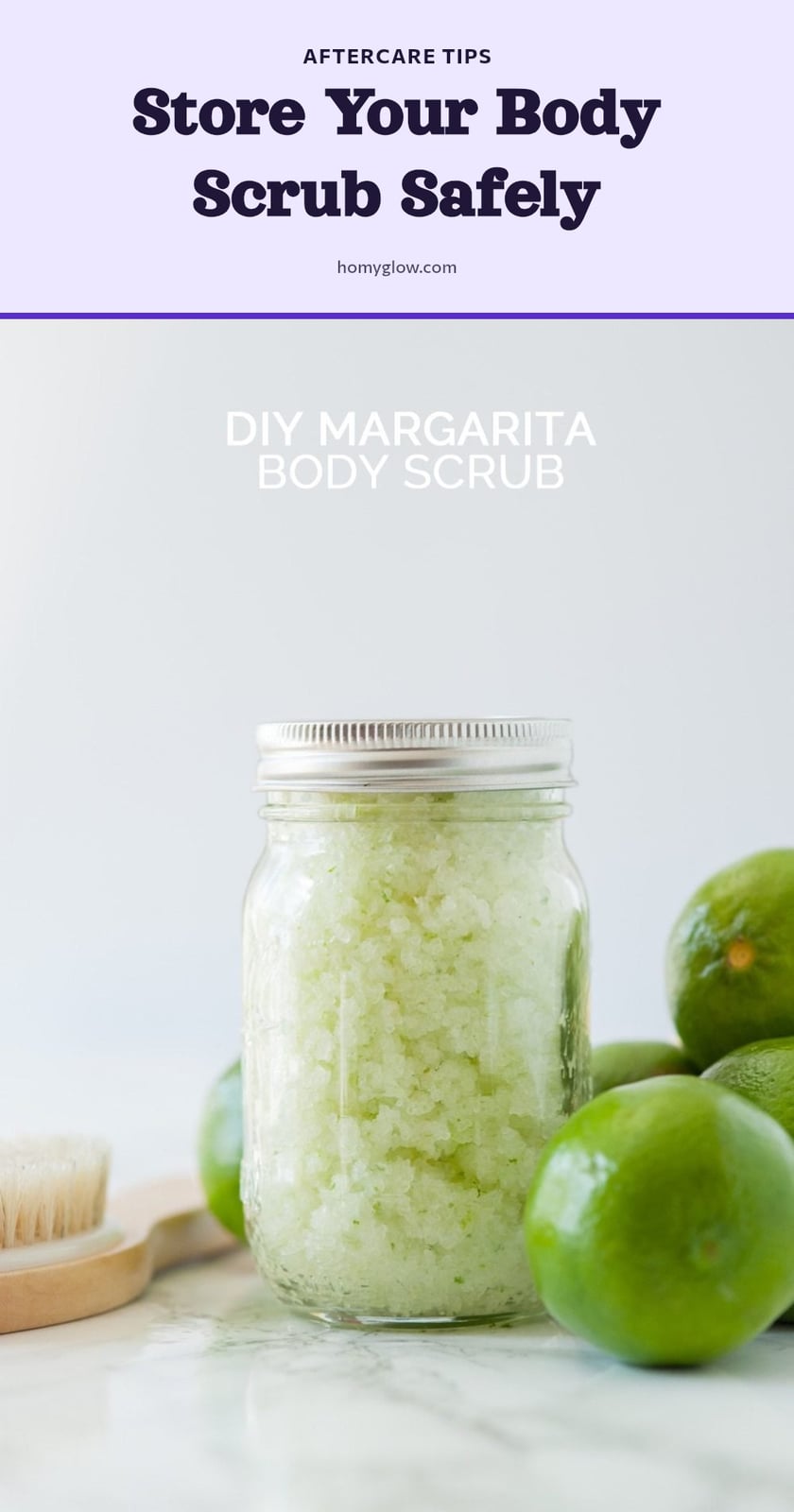
Transfer your finished scrub into an airtight glass or plastic jar. This keeps out contaminants and prevents the oil from going rancid too quickly. Store the container in a cool, dark cabinet away from direct sunlight and heat sources.
Caution: Never scoop out scrub with wet hands or add water to the jar. Moisture creates a breeding ground for bacteria. Since this recipe makes about 1.5 cups, plan to use it within two to three weeks for best freshness and efficacy. If you scrub once or twice a week, that timeframe aligns perfectly with the yield.
Common Body Scrub Mistakes to Avoid
Over-Exfoliating: Scrubbing more than three times a week strips the skin’s protective barrier. Stick to 1-3 sessions per week, and listen to how your skin feels between uses.
Harsh Ingredients: Avoid crushed nut shells, apricot kernel powder, or any particle with sharp edges. These cause micro-tears that lead to irritation and inflammation.
Skipping Moisturizer: Exfoliation opens the skin’s surface, so locking in hydration right after rinsing is non-negotiable. Apply lotion or body oil within a few minutes.
Using on Dry Skin: Scrubbing dry skin creates too much friction. Always apply the scrub to damp skin in the shower or bath.
Ignoring Skin’s Reaction: If you feel stinging, burning, or see redness, stop immediately. Your skin is telling you the scrub is too harsh or you’re overdoing it.
When to Consult a Dermatologist
See a dermatologist if you develop excessive redness, burning, itching, or swelling after using a scrub. These signs point to an allergic reaction or a damaged skin barrier.
If you have eczema, psoriasis, active acne, or very sensitive skin, get professional advice before starting any exfoliation routine. The same goes for anyone with a history of severe allergies: check with your doctor before trying new ingredients or essential oils. If irritation persists after you stop scrubbing, a dermatologist can identify the underlying cause.
Frequently Asked Questions
How often should I use a body scrub?
Most people do well with exfoliating 1 to 3 times per week. If your skin feels red, dry, or irritated, cut back to once a week or less. Listen to your skin and adjust based on how it looks and feels between sessions.
Can I use a body scrub on my face?
No, body scrubs are too harsh for facial skin, which is more delicate. Use a gentle scrub made specifically for the face if you want to exfoliate that area. Using a body scrub on your face can cause irritation, redness, and micro-tears.
What’s the difference between sugar and salt scrubs?
Sugar granules are rounder and less abrasive, making them ideal for sensitive skin and general body use. Salt granules are more abrasive and work well on tough areas like elbows, knees, and feet. Choose based on the area you’re targeting and your skin’s sensitivity.
Can body scrubs help with ingrown hairs?
Regular exfoliation can help prevent ingrown hairs by removing the dead skin cells that trap hair follicles. Exfoliating before shaving may also lead to a closer shave and fewer razor bumps. Just be gentle and avoid scrubbing irritated skin.
What is the best DIY body scrub for glowing skin?
A simple sugar scrub with a moisturizing oil like coconut or jojoba oil is a great all-around choice for glowing skin. For extra hydration, add a tablespoon of honey. If you want a potential cellulite boost, mix in some coffee grounds. Tailor the recipe to your skin type.
Final Thoughts
My tip: start with the simple sugar and oil recipe, then experiment with add-ins like honey or coffee grounds once you know how your skin reacts. With consistent use once or twice a week, you should notice smoother, more radiant skin within a few weeks. Homemade body scrubs are an easy, affordable way to upgrade your skincare routine.