Feeling stuck in a rut or just low on motivation? A dopamine menu might be the gentle nudge you need. It’s a simple, personalized list of enjoyable, low-effort activities that can give your mood a quick, natural lift. Think of it as a self-care tool, not a clinical fix.
In this guide, I’ll walk you through what a dopamine menu is, how it works, and the exact steps to build your own. You’ll find activity ideas, common mistakes to avoid, and tips to make it stick. Let’s get started.
Key Takeaways
- Create a personalized list of small, enjoyable activities you can turn to when motivation dips.
- Sort your activities by time commitment, like 5-minute, 15-minute, and 30-minute options.
- Keep your menu visible and accessible, such as on your phone or a note card.
- Choose healthy, sustainable activities and avoid ones that are stressful or addictive.
- Use your menu regularly, but don’t replace professional help if you need it.
What Is a Dopamine Menu and Why You Need One
A dopamine menu is a personalized list of easy, enjoyable activities you can turn to when your mood or motivation dips. It works as a proactive self-care tool: instead of reaching for your phone or a snack out of habit, you pick a small, healthy experience that naturally stimulates dopamine release. The goal is to combat low mood by giving yourself accessible, positive options that actually feel good, not like another task on your to-do list.
How a Dopamine Menu Works to Boost Your Mood
Dopamine is a neurotransmitter that plays a central role in reward, motivation, and pleasure. When you engage in an activity you enjoy, your brain releases dopamine, which makes you feel more focused and positive. The menu leverages two pathways: the anticipation of choosing an activity also triggers dopamine, and the act itself delivers another boost.
Why small wins matter more
Consistent small positive experiences tend to be more effective for mood regulation than infrequent intense ones. A 5-minute walk or a single song can reset your mental state, while waiting for a big vacation or a major achievement leaves long gaps where motivation can drop. The menu helps break negative thought patterns and procrastination cycles by giving you a structured, low-effort way to interrupt them.
- Anticipation boost: Just looking at your menu and deciding what to do releases dopamine.
- Action reward: Completing the chosen activity reinforces the habit loop.
- Cumulative effect: Several small hits throughout the day build a more stable mood baseline.
Gather Your Tools: What You’ll Need to Create Your Menu
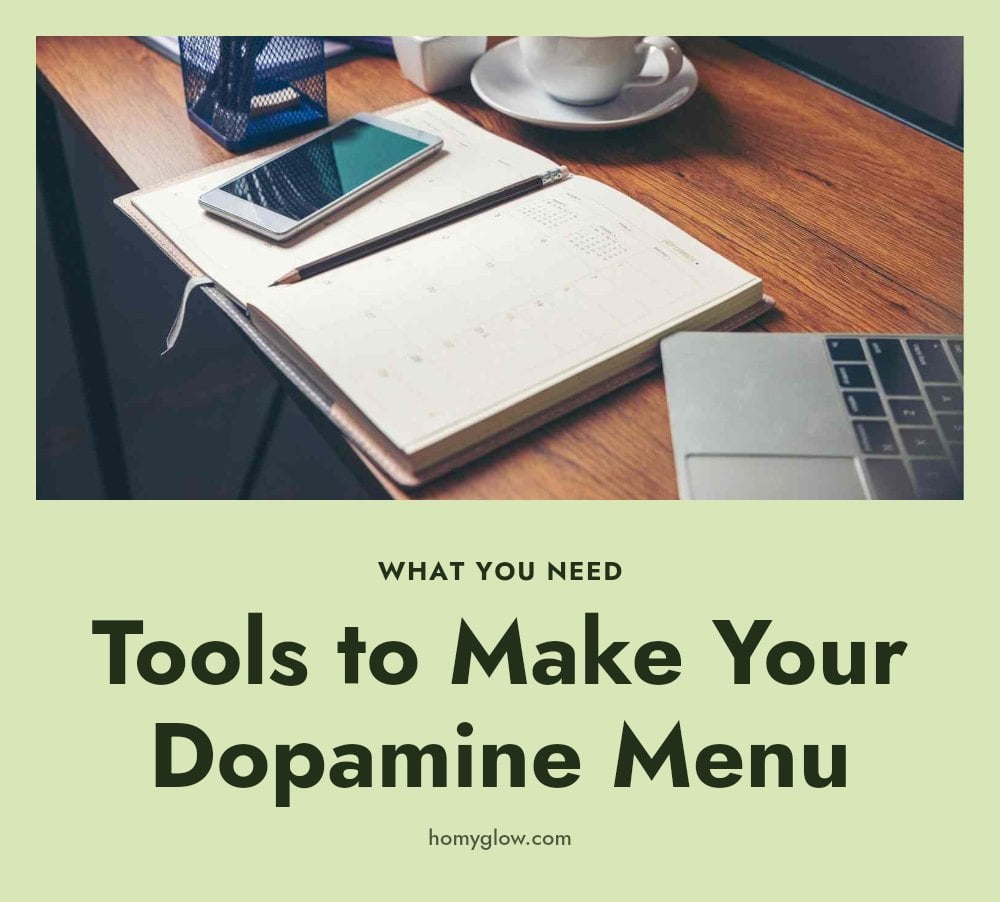
You do not need anything special to create a dopamine menu. Start with what you already have.
- Pen and paper: Best for brainstorming and drafting your initial list without distractions.
- Digital note-taking app: Keeps your menu portable and easy to edit as your preferences change.
- Whiteboard or bulletin board: A visible physical reminder works well if you tend to forget about your menu.
- List of personal interests and hobbies: Use this to pull activity ideas that genuinely appeal to you.
Step-by-Step: Building Your Personalized Dopamine Menu
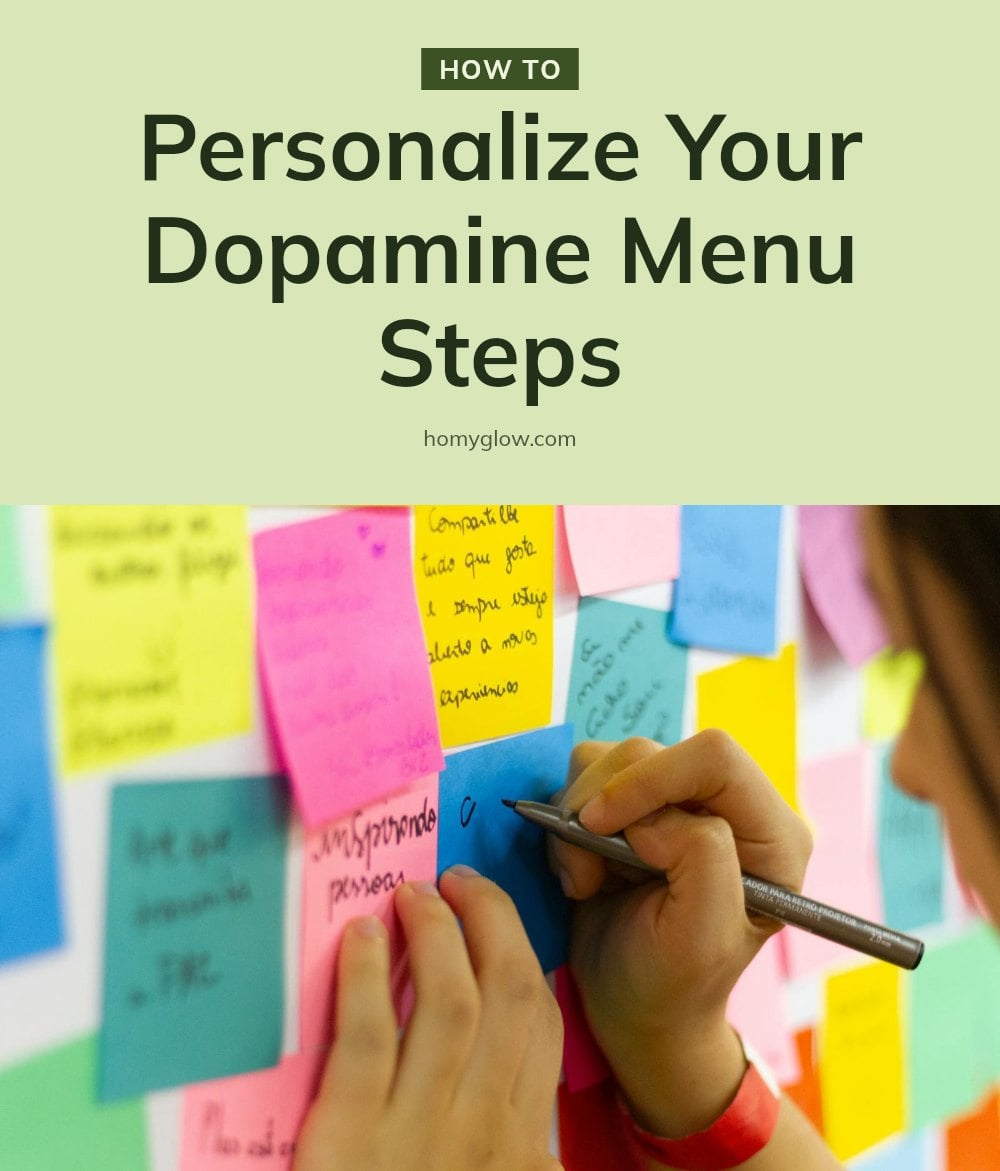
- Brainstorm freely: Write down every activity you genuinely enjoy, no matter how small or silly. Include things like stretching for 2 minutes, humming a tune, or petting your cat. Do not judge or edit yet.
- Categorize by time: Sort your list into columns: 5-minute options, 15-minute options, and 30-minute options. This makes it easy to pick something that fits your current energy and schedule.
- Prioritize healthy choices: Favor activities that are sustainable and leave you feeling better afterward. Avoid options that are addictive or lead to negative consequences, like excessive screen time or gambling.
- Make it visible: Put your menu where you will see it often. Tape it to your fridge, save it as your phone wallpaper, or pin it to a bulletin board by your desk.
- Update regularly: Review your menu every few weeks. Remove activities that no longer appeal and add new ones you have discovered. Your preferences change, and your menu should change with them.
Dopamine-Boosting Activity Ideas for Your Menu
When your motivation is low, the hardest part is deciding what to do. A menu removes that friction. Here are concrete ideas you can pull from immediately, grouped by the time they take.
- 5-minute options: Listen to your favorite upbeat song from start to finish. Step outside for a 5-minute walk and notice three things you see. Watch one funny animal video or a short uplifting clip. Do a quick tidying task in one area of your home, like folding a blanket or wiping the counter. Doodle on a scrap of paper or write three lines of a story. Achieve a small, quick goal such as making your bed or clearing one desk drawer.
- 15-minute options: Do a stretching or gentle yoga session for 10 minutes, then spend the remaining 5 minutes savoring a favorite healthy snack or beverage mindfully. Call or text a friend for a quick chat, no agenda needed. Spend 15 minutes on a hobby you love, like reading a chapter, knitting a few rows, or working on a puzzle.
Tip: Keep these ideas on a note card taped to your fridge or saved in a phone note. When you feel stuck, pick the shortest option that sounds even slightly pleasant.
Common Mistakes When Creating Your Dopamine Menu
A dopamine menu works best when you avoid these common missteps. Check your list against them.
- Including stressful activities: If an item feels like a chore, it does not belong. Wiping the kitchen floor or organizing a closet requires too much effort and will not boost your mood.
- Copying someone else’s menu: Your menu must be deeply personal. If you do not enjoy knitting or cold plunges, leave them out. What works for others may not resonate with you.
- Expecting a cure-all: A dopamine menu is a supportive tool, not a substitute for professional mental health treatment. It can help with daily slumps, but it does not treat depression or anxiety.
- Focusing only on big rewards: Small, everyday pleasures like smelling a candle or petting your cat contribute significantly. Do not save the menu for weekend splurges.
- Forgetting to actually use it: Keep your menu visible and make a conscious effort to pick from it when motivation is low. A menu you never look at cannot help.
- Confusing with unhealthy habits: Avoid activities that are addictive or lead to negative consequences, such as excessive screen time, gambling, or emotional eating.
Pro Tips for Maximizing Your Dopamine Menu’s Impact

Once your menu is ready, these habits will help you get the most out of it.
- Savor the moment: Practice mindfulness during your chosen activity. If you sip tea, notice the warmth and flavor. If you stretch, feel the muscles release. This enhances the dopamine-boosting effect.
- Variety is key: Rotate activities to keep them fresh. Using the same option every day can make it feel routine and less effective. Swap in a new song or a different stretch.
- Share your menu: Tell a friend about your menu. They can hold you accountable and may give you new ideas to add. You might even create a shared menu for quick check-ins.
- Start small: When motivation is very low, pick the absolute easiest 5-minute option to get started. Movement builds momentum.
- Listen to yourself: If an activity stops feeling good, remove it and replace it with something new. Your menu should evolve with your interests.
When to Seek Professional Support
A dopamine menu is a supportive tool, but it is not a clinical treatment for mental health disorders. If you are experiencing persistent low mood, feelings of hopelessness, or a significant lack of motivation, and your self-help strategies are not providing relief, consult a healthcare professional. If you suspect you might be experiencing symptoms of depression, anxiety, or another mental health condition, a doctor or therapist can provide the appropriate care.
Frequently Asked Questions
How often should I use my dopamine menu?
There’s no set rule, but many people find it helpful to check their menu once or twice a day, especially when they notice their motivation dipping. You can also use it as a quick pick-me-up during a break. The key is to make it a natural part of your routine, not a chore.
Can a dopamine menu help with procrastination?
Yes, it can be a helpful tool for breaking procrastination cycles. When you’re avoiding a task, choosing a small, enjoyable activity from your menu can shift your mood and give you a boost of motivation. It’s not a cure, but it can help you get started.
Is a dopamine menu the same as a reward system?
Not exactly. A reward system often involves completing a task before you get a treat. A dopamine menu is more about proactively choosing an activity to lift your mood, independent of a task. It’s a self-care tool, not a contingency plan.
What if I don’t feel motivated to use my menu?
That’s common, especially when motivation is low. My tip: keep your menu so simple that the first step feels effortless. For example, if your menu says ‘listen to one song,’ just press play. The anticipation of choosing can itself trigger a small dopamine release, making it easier to start.
How do I know if an activity is boosting my dopamine?
You’ll likely notice a shift in your mood, energy, or focus after doing it. It might feel like a subtle lift or a sense of satisfaction. If an activity leaves you feeling neutral or drained, it may not be the right fit. Experiment with different options and see what works for you.
Final Thoughts
Creating a dopamine menu is a simple, proactive way to support your well-being. My tip: start with just five activities you love and keep the list somewhere you’ll see it daily. You’ll likely feel a small lift the first time you use it, and with consistent use, it can become a reliable part of your routine.
Remember, the goal is joy and ease, not another task. If your low mood persists or feels overwhelming, please reach out to a healthcare professional. Your menu is a supportive tool, not a replacement for care.
This article is for general informational purposes only and is not a substitute for professional medical or mental health advice. If you are experiencing persistent low mood, anxiety, or other concerns, please consult a qualified healthcare provider. A dopamine menu is a supportive tool, not a treatment.