Anger can feel overwhelming, especially when you never learned how to handle it. You might find yourself reacting in ways you later regret, or you might try to push the feeling down until it explodes. This article covers what anger management really means, practical steps to process anger in the moment, and when to seek professional support.
Key Takeaways
- Identify your personal anger triggers and early physical warning signs.
- Practice deep breathing or a time-out to calm your body’s stress response.
- Use assertive communication with “I” statements instead of blaming others.
- Regular exercise helps release pent-up tension and reduce anger frequency.
- Seek professional help if anger feels out of control or harms relationships.
What is Anger Management?
Anger management is about understanding your anger and learning to express it in a healthy way. It starts with recognizing your personal triggers and the physical signs your body gives you, like a racing heart or clenched jaw. The goal isn’t to suppress anger, which is a natural emotion, but to respond constructively. You learn to pause, reflect, and choose a response that addresses the situation without harming yourself or others.
Tools for Managing Your Anger
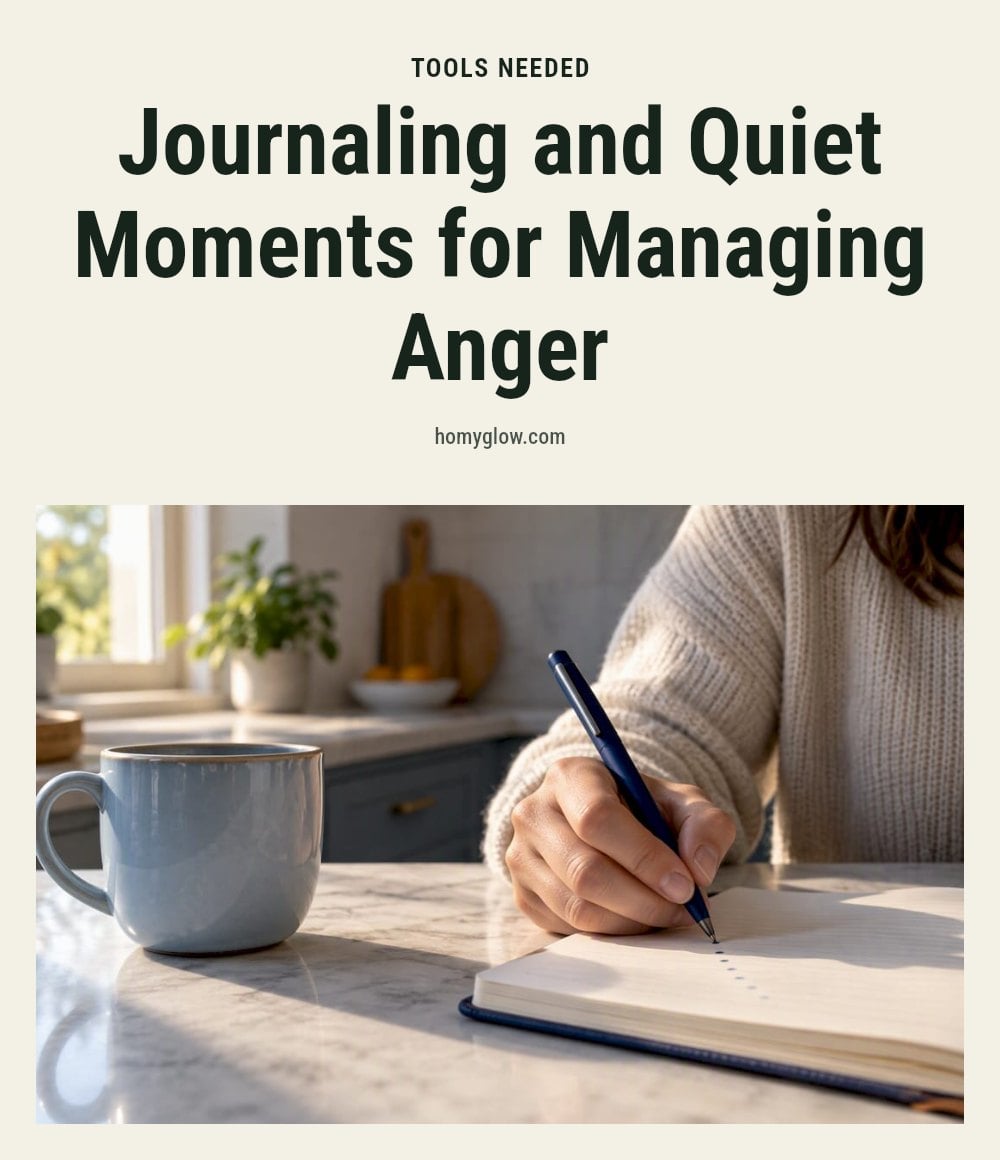
You don’t need a lot of equipment to start managing your anger, but a few simple tools can make a real difference.
- Journal or notebook: Use it to track your anger patterns, note what triggered you, and explore the feelings underneath.
- Pen: Essential for journaling. Keep one with your notebook so you can write whenever you need to.
- Comfortable space: A quiet corner with a cozy chair or cushion where you can practice deep breathing or other calming techniques.
- Stress ball: Squeezing it gives your hands a physical outlet for tension, which can help you stay grounded in the moment.
Step-by-Step: Learning to Process Anger
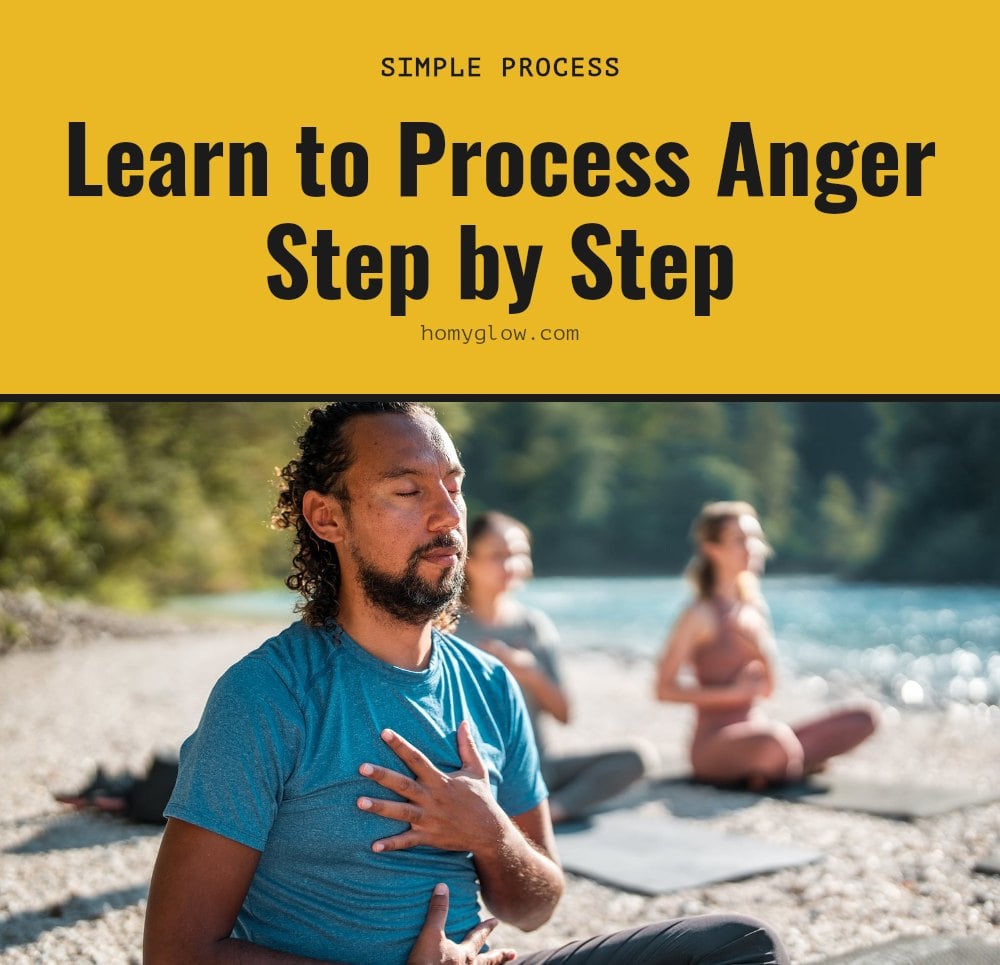
Learning to process anger takes practice, but these steps give you a clear path forward.
- Identify your triggers and warning signs: Notice what situations or thoughts tend to set you off. Also, pay attention to your body’s early cues, like a tight chest or faster breathing, so you can act before anger spikes.
- Practice deep breathing: When you feel anger rising, take slow, deep breaths. Inhale for a count of four, hold for four, exhale for four. This helps calm your nervous system.
- Take a time-out: Step away from the situation if you can. Even a few minutes of walking or sitting quietly can prevent an outburst. Let the other person know you need a break and will return to talk.
- Express yourself assertively: Once you’re calmer, state your feelings and needs clearly, without blaming or attacking. Use “I” statements like “I feel frustrated when…”
- Move your body: Regular physical activity, like walking, running, or yoga, releases pent-up tension and reduces stress hormones, making anger less likely to build.
- Practice empathy: Try to see the situation from the other person’s perspective. This doesn’t excuse their behavior, but it can help you respond with more understanding and less heat.
- Journal about your anger: Write about what happened and how you felt. This helps you spot patterns and uncover the deeper issues, like stress or unmet needs, that fuel your anger.
My tip: Don’t try to do all these steps at once. Pick one or two to focus on for a week, then add more as they become habits.
Understanding Why Anger Escalates
Anger escalates for both physical and psychological reasons. When you get angry, your body goes into a stress response: your heart rate increases, muscles tense, you may sweat, and your breathing quickens. This is your body preparing to fight or flee, which is useful in a real threat but not in a traffic jam or a disagreement.
If anger is unmanaged, it can take a toll on your health. Over time, chronic anger can contribute to high blood pressure, heart disease, headaches, and digestive issues. It also affects your relationships and how you feel about yourself.
Many people try to handle anger by suppressing it or by venting. Both backfire. Suppressing anger often leads to resentment or passive-aggressive behavior, because the feeling doesn’t go away, it just goes underground. Venting, like yelling or throwing things, tends to escalate anger rather than resolve it. It reinforces the habit of lashing out and can harm your connections with others.
Understanding these mechanisms helps you see why learning to process anger constructively is so important.
Common Mistakes in Managing Anger
Believing anger is always ‘bad’: Anger is a natural emotion, like joy or sadness. The problem isn’t the feeling itself, but how you react to it. Suppressing it often leads to resentment or passive aggression.
Confusing anger management with never feeling angry: The goal is healthy expression, not eliminating the emotion. You can feel angry and still choose a constructive response.
Thinking ‘venting’ is healthy: Lashing out or yelling usually escalates anger and damages relationships. It reinforces the behavior rather than resolving it.
Expecting instant results: Learning to process anger is an ongoing practice. Noticeable improvements often take weeks or months of consistent effort.
Not recognizing early physical signs: Pay attention to your body’s cues, increased heart rate, muscle tension, rapid breathing. Catching these early gives you a chance to pause before anger escalates.
Failing to address underlying issues: Stress, unresolved conflict, or unmet needs often fuel anger. Ignoring these root causes makes the emotion harder to manage long-term.
Best Tips for Healthier Responses

Practice assertive communication: Express your needs and boundaries clearly without aggression. Use “I” statements like “I feel frustrated when…” instead of blaming.
Regular physical exercise: It’s an effective outlet for stress and pent-up energy. Even a brisk 20-minute walk can lower your overall tension.
Cognitive restructuring: Challenge negative thought patterns that fuel anger. Ask yourself: “Is this thought accurate? What’s another way to see this situation?”
Relaxation techniques: Incorporate progressive muscle relaxation or meditation into your routine. Doing this when you’re calm reduces your baseline stress, making anger less frequent.
Don’t blame others: Take responsibility for your own reactions and choices. You can’t control others, but you can control how you respond.
Avoid alcohol or drugs: These can worsen anger problems rather than solve them. They lower inhibitions and impair judgment, making aggressive reactions more likely.
My tip: Keep a small notebook in your bag. Jot down one anger trigger and one constructive response each day. This simple habit trains your brain to pause and choose wisely.
What to Expect: Timeline and Commitment
Learning to process anger is an ongoing process that requires consistent practice. Noticeable improvements can often be seen within weeks or months of dedicated effort. The real “cost” is your time and commitment, not money. Tools like a journal or stress ball are low-cost, optional investments. Stick with it, and you’ll build healthier habits over time.
When to Seek Professional Help
If anger leads to thoughts of harming yourself or others, seek immediate professional help. If it consistently causes significant distress or impacts your relationships, consult a therapist, counselor, or doctor. If you feel out of control and unable to manage extreme anger alone, a mental health professional can help. Seeking help is a sign of strength, not weakness.
Frequently Asked Questions
Is it bad to feel angry?
No, anger is a natural human emotion like joy or sadness. It is not inherently bad. The problem arises when anger is expressed in unhealthy ways, such as through aggression or suppression. Anger management focuses on responding constructively, not on eliminating the feeling itself.
How long does it take to learn anger management?
Learning to process anger is an ongoing process that requires consistent practice. Many people notice improvements within weeks or months of dedicated effort. The timeline depends on your individual situation, how often you practice the techniques, and whether you address any underlying issues.
Can anger affect my physical health?
Yes, unmanaged anger can contribute to physical health problems such as high blood pressure, heart disease, headaches, and digestive issues. Anger triggers a stress response in your body, raising your heart rate and muscle tension. Managing anger effectively can help reduce these physical effects over time.
What is the difference between anger management and suppressing anger?
Suppressing anger means pushing the feeling down and pretending it isn’t there, which often leads to resentment or passive aggression. Anger management, on the other hand, involves recognizing your anger, understanding its triggers, and choosing a healthy way to express it. The goal is to process the emotion, not to ignore it.
What are healthy ways to express anger?
Healthy ways to express anger include using assertive communication with “I” statements, taking a time-out to cool down before responding, and journaling about your feelings to identify underlying causes. Physical activity like a brisk walk can also release tension. Avoid lashing out or venting in a way that escalates the situation.
Final Thoughts
Start with one small change, like noticing your first physical sign of anger or taking a five-minute time-out before responding. It takes consistent practice over weeks or months to see lasting improvement, but every step counts. Remember, anger itself isn’t the problem, it’s how you choose to respond that makes the difference.
This article is for general informational purposes only and is not a substitute for professional medical or mental health advice. If you are struggling with anger that feels overwhelming or is harming your relationships, please consult a therapist, counselor, or other qualified healthcare provider.