You’re not alone in feeling weighed down by negativity. The key isn’t to eliminate every negative thought, but to learn how to recognize them and shift your perspective. This article covers practical, research-backed strategies to help you let go of negativity, build healthier mental habits, and find a calmer, more balanced state of mind.

Key Takeaways
- Challenge negative thoughts by asking for evidence or alternative perspectives.
- Practice daily mindfulness or meditation for at least 10-15 minutes.
- Keep a gratitude journal and write down 3-5 things you’re thankful for each day.
- Engage in regular physical activity, aiming for at least 30 minutes most days.
- Limit exposure to negative news or social media to reduce anxiety.
How to Let Go of Negativity
Letting go of negativity isn’t about pretending everything is fine. It’s about recognizing negative thought patterns, challenging them, and actively building habits that boost positive emotions and resilience. You develop healthier coping mechanisms and a more balanced perspective, not by ignoring problems, but by facing them with new tools. Consistency is key: practicing mindfulness and gratitude daily can gradually shift your outlook over time.
Tools and Materials to Support Your Journey
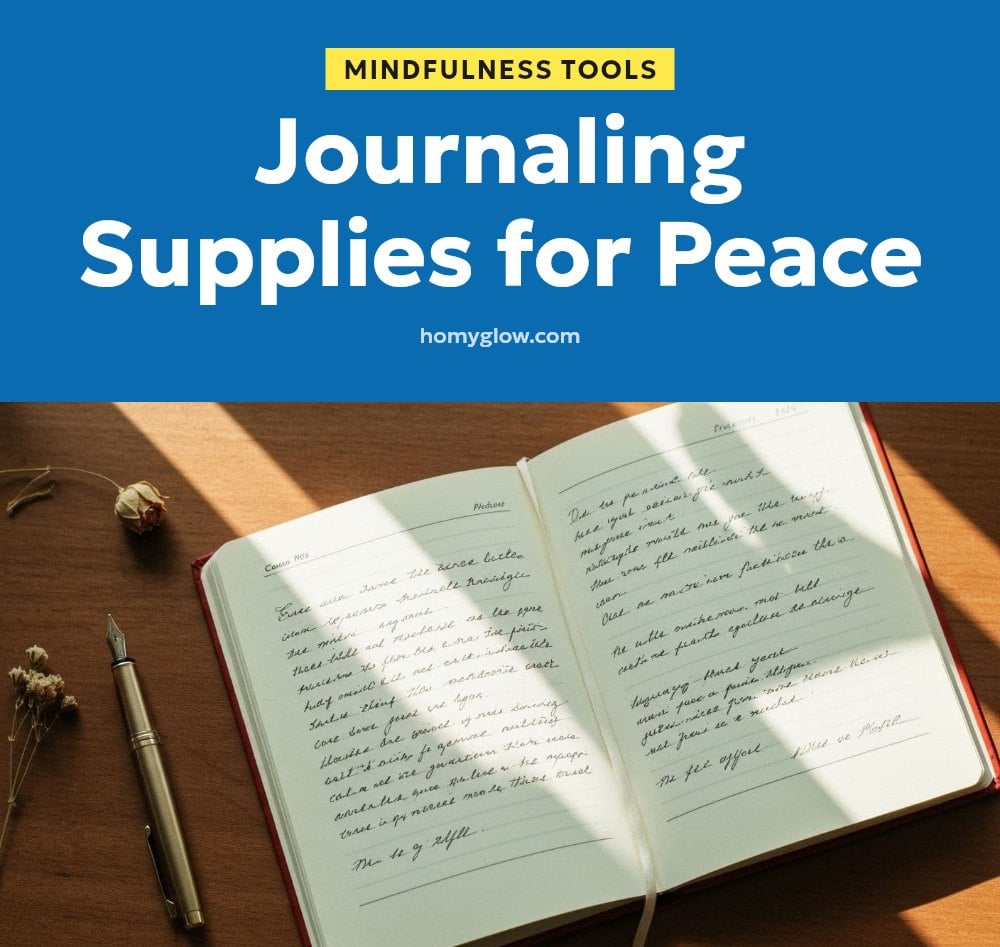
You don’t need a lot of gear to start shifting your mindset, but a few basics make the practices stick.
- Journal or notebook: Essential for gratitude journaling and tracking thought patterns.
- Pen: You’ll want a reliable one for daily writing.
- Meditation app or recordings: Guided sessions help you build a mindfulness habit without guesswork.
- Comfortable clothing: Makes it easier to get moving for exercise.
- Access to nature or a quiet space: Provides a calm environment for reflection and relaxation.
Step-by-Step: Cultivating a More Positive Mindset

Building a more positive mindset takes practice, but these steps give you a clear path forward. I’ve found that doing them consistently, even on rough days, makes the biggest difference.
- Identify and challenge negative thoughts: When you catch a negative thought, ask yourself: what’s the evidence for this? Is there another way to look at it? This simple questioning can break the cycle.
- Practice daily mindfulness: Spend at least 10-15 minutes each day meditating or simply observing your thoughts without judgment. You’re not trying to stop them, just watch them pass.
- Keep a gratitude journal: Write down 3-5 things you’re thankful for every day. This shifts your focus from what’s wrong to what’s going right.
- Move your body: Aim for at least 30 minutes of physical activity most days. Exercise releases endorphins that improve mood and reduce negativity.
- Prioritize sleep: Get 7-9 hours of quality sleep each night. Sleep is essential for emotional regulation and coping with stress.
- Connect with supportive people: Regularly reach out to friends and family who lift you up. Positive connections foster resilience.
Common Mistakes When Trying to Let Go of Negativity
When you’re trying to let go of negativity, it’s easy to fall into traps that make things worse. Here are the most common ones I see, and how to avoid them.
- Believing in a quick fix: Changing thought patterns takes time and consistent effort. Don’t expect immediate results; it’s a process.
- Suppressing thoughts: Trying to ignore or push away negative thoughts often makes them stronger. Instead, acknowledge them, then choose how to respond.
- Neglecting self-care: Basic needs like sleep, nutrition, and exercise are fundamental for emotional well-being. You can’t skip them and expect to feel better.
- Blaming yourself: Feeling negative emotions is a human experience. Blaming yourself only perpetuates the cycle of negativity.
- Isolating yourself: When feeling down, it’s crucial to connect with others rather than withdrawing. Reach out, even when you don’t feel like it.
Best Tips for Reducing Negativity
Limit negative input: My tip: try reducing exposure to negative news or social media for a few days. I noticed a real drop in my own background anxiety when I did this. It gives your mind space to reset.
Surround yourself wisely: Make an effort to spend time with supportive and positive people. Their energy can have a beneficial impact on your own emotional state, and it makes tough days easier to handle.
Celebrate small wins: Set realistic goals and make sure to celebrate even tiny achievements. It builds self-efficacy and reduces feelings of inadequacy. A finished load of laundry counts.
Practice self-compassion: Treat yourself with the same kindness and understanding you would offer a friend. It is crucial for overcoming negative self-talk and breaking the cycle of self-blame.
Engage in creative outlets: Find a creative hobby or activity you enjoy. It provides an outlet for emotions and a wonderful sense of accomplishment without needing to be perfect.
What to Expect: Timeline and Consistency
Timeline for results: While individual experiences vary, consistent daily practice over several weeks to months is typically needed to notice significant shifts in thought patterns and overall mood. This is not an overnight fix.
Frequency of practice: Daily engagement with mindfulness, gratitude, and physical activity is most effective. Think of it like building a muscle. Consistency is key.
Cost considerations: Many strategies, like journaling, meditation apps (free versions available), and outdoor exercise, are low-cost or free. Professional help will incur costs, which vary by provider and insurance.
When to Seek Professional Help
If persistent negative thoughts lead to feelings of hopelessness, severe anxiety, or thoughts of self-harm, please seek immediate professional help from a doctor or mental health professional. These strategies are complementary to, not a replacement for, professional medical or psychological treatment for conditions like depression or anxiety disorders.
If negativity is significantly impacting your daily life, relationships, or work for an extended period, it is a good sign to consult a mental health professional.
Frequently Asked Questions
How long does it take to stop feeling negative?
There is no set timeline, as it varies by person and situation. With consistent daily practice of techniques like mindfulness and gratitude journaling, many people notice subtle changes in a few weeks and more significant shifts over several months. It’s a gradual process, not an overnight fix.
Can negative thoughts affect my physical health?
Yes, chronic negativity can impact your body. Persistent stress from negative thinking may disrupt sleep, weaken immune function, and increase the risk of high blood pressure. That’s why prioritizing self-care, including adequate sleep and exercise, is part of managing your mental state.
Is it normal to still feel negative sometimes?
Absolutely. Letting go of negativity doesn’t mean you’ll never feel sad, frustrated, or anxious again. Those emotions are a normal part of being human. The goal is to develop healthier coping mechanisms so negative feelings don’t take over your life, not to eliminate them entirely.
What if I can’t stop comparing myself to others?
Comparison is a common trap, especially with social media. When you notice it, gently redirect your focus to your own progress and achievements. Setting small, realistic goals and celebrating them builds self-worth from within, reducing the urge to measure yourself against others.
How can I help a friend who is struggling with negativity?
Listen without judgment and offer your presence. Encourage them to talk about their feelings, but avoid trying to fix everything. Share these strategies gently, and if their negativity seems overwhelming or persistent, suggest they speak with a mental health professional for proper support.
Final Thoughts
My tip: pick one strategy from this list and commit to it daily for two weeks. You’ll likely notice small shifts in how you react to stress. Real change takes weeks to months of consistent practice, so be patient with yourself. Remember, the goal isn’t perfection; it’s progress toward a calmer, more resilient you.
This article is for informational purposes only and does not constitute medical or professional mental health advice. If you are experiencing persistent negative thoughts that lead to hopelessness, severe anxiety, or thoughts of self-harm, please seek immediate help from a doctor or mental health professional.