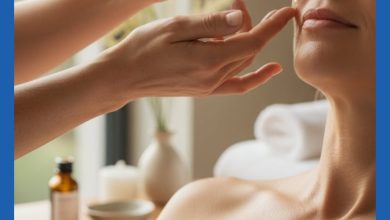
Whiteheads are those small, white or flesh-colored bumps that can pop up on your face, chest, or back. They’re a common type of acne that happens when dead skin cells and oil clog a pore, and the opening stays covered by a thin layer of skin. It’s frustrating when they appear, but the good news is that with the right routine, you can clear them and help keep them from coming back.
This article covers what causes whiteheads, the best products and methods to treat them, common mistakes to avoid, and how to prevent new ones from forming. I’ll also share what to expect in terms of timing and when it’s worth seeing a dermatologist.
Key Takeaways
- Cleanse twice daily with a gentle, non-stripping cleanser to remove oil and dead skin.
- Use salicylic acid or benzoyl peroxide to unclog pores and fight bacteria.
- Apply a non-comedogenic moisturizer every day, even if your skin is oily.
- Exfoliate gently 1-3 times a week with a chemical exfoliant, not harsh scrubs.
- Never pick or squeeze whiteheads; it can cause scarring and infection.
What Are Whiteheads and Why Do They Appear?
Whiteheads are a type of acne called closed comedones. They form when a pore becomes blocked by dead skin cells and oil, trapping sebum and bacteria just beneath the skin’s surface. This creates a small, white or flesh-colored bump that feels slightly raised to the touch. Several factors can lead to these blockages, including hormonal changes that increase oil production, genetics, and using certain cosmetic products that clog pores.
Understanding Why Whiteheads Form on Your Skin
How Whiteheads Develop
The process starts when dead skin cells don’t shed properly and mix with excess sebum inside a pore. This combination hardens into a plug, and because the pore opening is covered by a thin layer of skin, the contents stay trapped. Bacteria can then multiply in that environment, though the bump often remains non-inflamed.
What Triggers the Blockage
- Hormonal fluctuations: During puberty, menstrual cycles, or times of stress, your body may produce more oil, which increases the chance of blockages.
- Genetics: Some people naturally have larger or more active oil glands, or skin cells that shed more slowly.
- Medications: Certain drugs, such as corticosteroids or lithium, can trigger whiteheads as a side effect.
- Comedogenic products: Heavy creams, oils, or makeup that contain pore-clogging ingredients can contribute to the problem.
Essential Skincare Tools and Products for Whiteheads
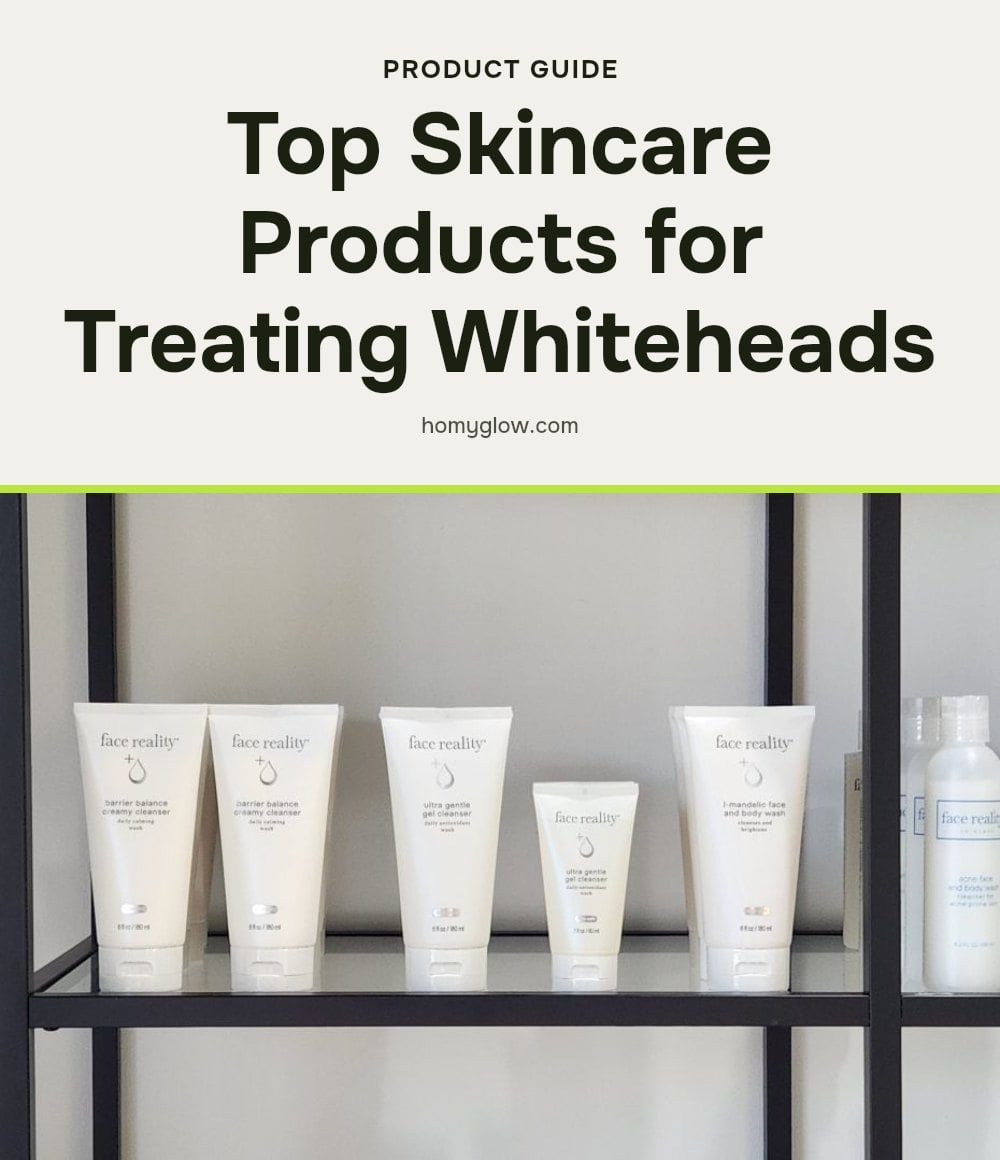
To treat whiteheads effectively, you need the right tools in your routine. Start with a gentle facial cleanser for daily use to remove surface oil and impurities without stripping the skin. A salicylic acid product (cleanser or serum) helps exfoliate inside the pore, while benzoyl peroxide targets bacteria and reduces inflammation. Always follow with a non-comedogenic moisturizer to hydrate without clogging. Retinoids (like retinol) can normalize cell turnover to prevent future blockages. A clay mask used once or twice a week absorbs excess oil, and sunscreen (SPF 30 or higher) protects skin that’s using active ingredients.
Effective Methods to Treat and Clear Whiteheads

Gentle Daily Cleansing
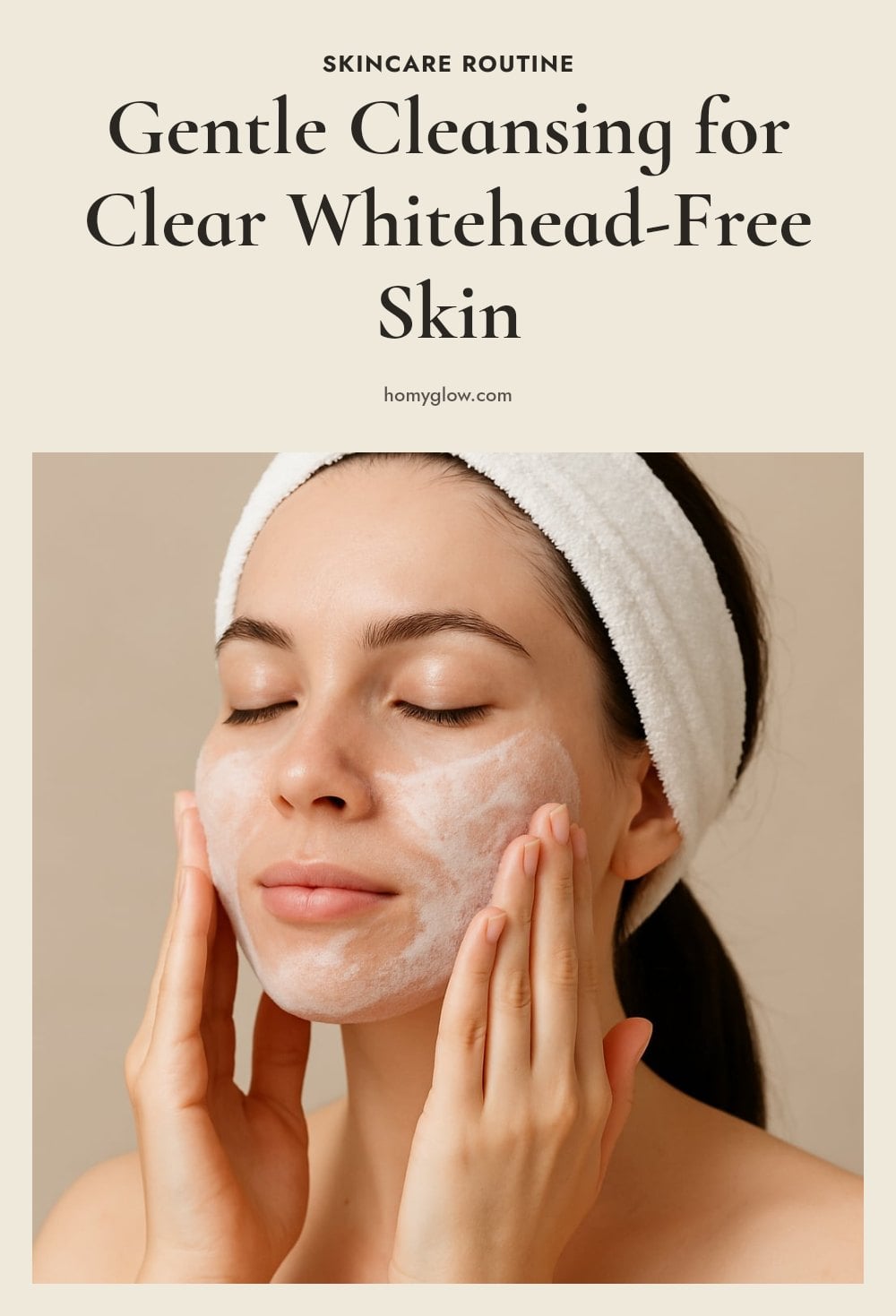
Wash your face twice a day with a gentle, non-stripping cleanser. This removes surface oil and dead cells without irritating the skin. Avoid scrubbing too hard; use your fingertips and lukewarm water.
Salicylic Acid for Pore Penetration
Salicylic acid is a beta-hydroxy acid that can penetrate oil and exfoliate inside the pore. Use a leave-on serum or toner with 0.5% to 2% concentration. Apply it once daily, starting with every other day if your skin is sensitive.
Benzoyl Peroxide for Bacteria
Benzoyl peroxide kills acne-causing bacteria and helps reduce inflammation. Use a spot treatment or a cleanser with 2.5% to 5% concentration, a common and effective range for over-the-counter products. Leave it on for 1-2 minutes if using a wash-off product, or apply a thin layer to affected areas.
Retinoids for Cell Turnover
Retinoids speed up skin cell turnover, which prevents pores from getting clogged in the first place. Start with a low-strength retinol or adapalene once or twice a week, then increase frequency as your skin adjusts. Apply it at night after cleansing and before moisturizer.
Clay Masks for Oil Absorption
A clay mask (like kaolin or bentonite) can draw out impurities and absorb excess oil. Use it once or twice a week, leaving it on for 10-15 minutes. Rinse with warm water and follow with moisturizer.
Common Mistakes to Avoid When Treating Whiteheads
Picking or Squeezing: This is the most damaging mistake. It pushes bacteria deeper into the pore, inflames the area, and often leaves a scar or dark spot behind.
Harsh Scrubbing: Using a scrub or brush aggressively won’t remove whiteheads faster. It irritates the skin’s surface, which can actually increase inflammation and make existing whiteheads more noticeable.
Over-Washing: Washing your face more than twice a day strips away natural oils. Your skin then tries to compensate by producing even more oil, which can lead to more clogged pores.
Skipping Moisturizer: Many people with oily skin skip this step, but that backfires. A dry skin barrier can trigger excess oil production. Use a non-comedogenic moisturizer to keep things balanced.
Using Comedogenic Products: Any product that lists ingredients known to clog pores can undo your progress. Check labels for “non-comedogenic” on moisturizers, sunscreens, and makeup.
Expecting Instant Results: Whiteheads form over weeks, so clearing them takes time. Consistent use of the right products for 4-8 weeks is the standard, not a quick fix.
Strategies to Prevent New Whiteheads from Forming

Preventing new whiteheads comes down to a few consistent habits. Start with these steps and stick with them.
Cleanse twice daily: Use a gentle cleanser in the morning and at night to remove surface oil, sweat, and dead skin cells before they can build up in pores.
Choose non-comedogenic products: This label matters for every product you put on your face, from moisturizer to foundation. It means the formula won’t clog pores.
Exfoliate chemically 1-3 times a week: A salicylic acid serum or toner penetrates the pore lining to clear out blockages. This is gentler and more effective than physical scrubs for whitehead prevention.
Wash after sweating: Sweat can mix with oil and dead cells on your skin. Rinse your face with water or a gentle cleanser after workouts or any heavy sweating.
Change pillowcases weekly: Your pillowcase collects oil, bacteria, and product residue from your skin and hair. A fresh one reduces the chance of those transferring back onto your face overnight.
Consider a retinoid: Retinoids speed up cell turnover so dead cells don’t pile up and block pores. Start with a low-strength retinol a couple of nights a week.
Wear sunscreen daily: Active ingredients like salicylic acid and retinoids make your skin more sensitive to the sun. Sun damage can also thicken the outer skin layer, which may trap more dead cells inside pores.
What to Expect: Treatment Timeline and Product Costs
Whitehead treatment is a slow process, not an overnight fix. Here is what you can realistically expect.
Timeline: With consistent use of over-the-counter products, visible improvement typically appears within 4-8 weeks. Full clearing of persistent whiteheads can take several months as your skin’s cell turnover cycle resets.
Product costs: Over-the-counter options like salicylic acid cleansers, benzoyl peroxide spot treatments, and non-comedogenic moisturizers range from affordable to mid-range. Prescription treatments such as tretinoin or higher-strength retinoids are generally covered by insurance but may come with higher co-pays or out-of-pocket costs.
When to Consult a Dermatologist for Whiteheads
Most whiteheads respond to good home care, but some situations call for a dermatologist. Seek professional help if any of these apply to you.
Persistent or unresponsive whiteheads: If you have used over-the-counter treatments consistently for 8-12 weeks with no change, a dermatologist can assess underlying causes and prescribe stronger options.
Severe irritation or redness: Stop using active products if your skin becomes red, swollen, or painful. A doctor can help identify the irritant and recommend a gentler plan.
Signs of infection: If whiteheads become painful, warm to the touch, or show pus or redness around them, see a professional. This may indicate a deeper infection that needs medical treatment.
Pregnancy or breastfeeding: Many standard acne ingredients, including retinoids and high-dose salicylic acid (typically products with more than 2% concentration), are not safe during pregnancy or nursing. A dermatologist can suggest alternatives that are safe for you and your baby.
Prescription-strength needs: For advanced treatments like tretinoin or oral medications, a prescription is required. A dermatologist will evaluate your skin type and history to determine the right option.
Frequently Asked Questions
What is the difference between whiteheads and blackheads?
Whiteheads are closed comedones, meaning the pore opening is covered by a thin layer of skin, so the trapped oil and dead cells stay underneath, creating a white or flesh-colored bump. Blackheads are open comedones, where the pore opening is open to the air, and the trapped material oxidizes and turns dark. Both are types of acne, but they look different and may respond to slightly different treatments.
Can diet cause whiteheads?
Diet may play a role for some people, but it’s not a direct cause for everyone. Foods with a high glycemic index, like sugary snacks and refined carbs, might influence hormone levels and oil production in some individuals. Dairy is another potential trigger for some, but the evidence is mixed. If you notice breakouts after certain foods, it may be worth reducing them to see if it helps, but a balanced diet is key.
Is it normal to get whiteheads after starting new skincare products?
Yes, it can happen. When you introduce a new active ingredient, like salicylic acid or a retinoid, your skin may go through a purging phase where existing clogs come to the surface faster. This can look like new whiteheads. However, if the product is clogging your pores, you might see new breakouts in areas where you don’t usually get them. If irritation or breakouts persist, discontinue use and consult a dermatologist.
How often should I use salicylic acid for whiteheads?
Start by using a salicylic acid product once a day, preferably in the evening, and see how your skin reacts. If your skin tolerates it well, you can increase to twice daily, but avoid overdoing it as it can cause dryness and irritation. For a cleanser, using it once a day is often enough; for a serum, you might use it every other day if your skin is sensitive. Always follow with a moisturizer.
Can stress cause whiteheads?
Stress can be a contributing factor for some people. When you’re stressed, your body produces more cortisol, which can increase oil production in your skin. That extra oil can mix with dead skin cells and clog pores, leading to whiteheads. Managing stress through techniques like exercise, meditation, or getting enough sleep may help reduce breakouts, but it’s not a cure-all.
Are whiteheads a sign of poor hygiene?
No, whiteheads are not caused by poor hygiene. They form when dead skin cells and oil clog a pore, and that process is influenced by hormones, genetics, and skin cell turnover. Over-washing or scrubbing too hard can actually make whiteheads worse by irritating the skin. A gentle cleansing routine twice a day is all you need to keep your skin clean without stripping it.
Final Thoughts
Clearing whiteheads takes patience and consistency. Stick with a gentle routine that includes salicylic acid or benzoyl peroxide, a non-comedogenic moisturizer, and daily sunscreen. Expect visible improvement within 4-8 weeks, but full clearing may take several months. If you’ve been consistent for 8-12 weeks and see no change, or if your skin becomes painful or irritated, it’s time to see a dermatologist. My tip: keep a simple routine and don’t add too many active ingredients at once, your skin will thank you.
This article is for general information only and is not medical or professional advice. Skin care products and routines can affect people differently. If you have persistent, painful, or infected whiteheads, or if you are pregnant or breastfeeding and considering new treatments, consult a dermatologist or healthcare provider for guidance tailored to your situation.