You already know vitamins are important, but figuring out which ones you really need and where to get them can feel overwhelming. The good news is that a balanced diet with plenty of colorful foods usually covers your bases. This article breaks down the essential vitamins for women, explains the difference between fat-soluble and water-soluble types, and highlights the top food sources to help you make smart choices every day.
Key Takeaways
- Eat a varied diet with colorful fruits and vegetables to cover all 13 essential vitamins.
- Fat-soluble vitamins (A, D, E, K) can build up, so avoid excessive supplements.
- Water-soluble vitamins (C and B’s) need regular replenishment through daily food intake.
- Vitamin D is a common shortfall; get sun exposure or eat fortified foods.
- Vegans may need a B12 supplement since it’s mainly in animal products.
What Are Essential Vitamins and Why Do Women Need Them?
Vitamins are organic compounds your body needs in small amounts to carry out essential functions like metabolism, immune defense, and bone maintenance. Women require all 13 essential vitamins, including A, C, D, E, K, and the eight B vitamins, to keep these systems running smoothly. Since your body cannot produce most vitamins on its own, you must get them from food or, when necessary, supplements. A balanced diet is the foundation, but understanding which vitamins matter most helps you make smarter choices.
Understanding Fat-Soluble and Water-Soluble Vitamins
Fat-Soluble Vitamins (A, D, E, K)
These vitamins dissolve in fat and are stored in your body’s fatty tissues and liver. Because they accumulate, taking too much, especially from supplements, can lead to toxicity over time. You don’t need to consume them every single day, but regular intake from food sources keeps your stores topped up.
Water-Soluble Vitamins (C and B Vitamins)
This group includes vitamin C and all eight B vitamins. They dissolve in water and are not stored in significant amounts; excess is excreted in urine. That means you need to replenish them regularly through your diet. Cooking methods that use water, like boiling, can reduce their content, so steaming or eating raw fruits and vegetables helps preserve them.
1. Key Vitamins Every Woman Should Prioritize

Some vitamins deserve extra attention because women are more likely to fall short or have higher needs. Here are five to focus on:
- Vitamin D: Supports bone density, immune function, and mood. Many women have low levels, especially if they get limited sun exposure or have darker skin. Good sources include fortified milk, fatty fish, and time outdoors.
- Vitamin B12: Keeps nerves healthy and helps form red blood cells. It is almost exclusively found in animal products, so vegans and some vegetarians may need a supplement or fortified foods like plant milks.
- Folate (Folic Acid): Critical for cell growth and DNA production. Women who are pregnant or planning a pregnancy need adequate folate to reduce the risk of neural tube defects. Leafy greens, beans, and fortified grains are top sources.
- Vitamin C: A potent antioxidant that boosts immune function and helps produce collagen for skin and joints. Citrus fruits, bell peppers, and strawberries deliver high amounts.
- Vitamin A: Essential for vision, immune health, and skin repair. You get it from orange vegetables like carrots and sweet potatoes, plus leafy greens and liver.
Top Food Sources for Essential Vitamins

The best way to meet your vitamin needs is through a varied, balanced diet. Different foods provide different nutrients, so mixing up your plate matters more than relying on a single superfood.
- Leafy greens (spinach, kale) are loaded with folate, vitamin A, and vitamin K.
- Citrus fruits (oranges, grapefruit) and bell peppers are excellent sources of vitamin C.
- Dairy products (milk, yogurt) and fortified plant milks provide vitamin D and B12.
- Whole grains (brown rice, oats) and legumes supply B vitamins, especially thiamine and niacin.
- Eggs and fatty fish (salmon, tuna) offer vitamins D, B12, and A.
Fortified foods, such as breakfast cereals with added B vitamins or orange juice with calcium and vitamin D, can help fill gaps, but they should complement, not replace, whole foods.
Common Vitamin Mistakes Women Make
Relying solely on supplements: Your diet should always come first. Supplements are meant to fill gaps, not replace food. Whole foods provide fiber, phytonutrients, and other compounds that pills can’t replicate.
Ignoring individual needs: Age, pregnancy, breastfeeding, and dietary restrictions all change your vitamin requirements. A vegan woman, for example, needs B12 from fortified foods or supplements, while a pregnant woman needs extra folate. What works for a friend may not work for you.
Overdosing on fat-soluble vitamins: Vitamins A, D, E, and K build up in your body over time. Taking high-dose supplements without medical guidance can lead to toxicity, causing nausea, liver damage, or other side effects. More is not better.
Assuming a ‘healthy’ diet is enough: Even a clean diet can lack variety. If you eat the same vegetables every week, you may miss nutrients found in other produce. Rotate your choices.
Self-diagnosing deficiencies: Fatigue, brittle hair, or skin issues can have many causes. Guessing a deficiency and picking a supplement is risky. See a doctor for blood tests and a professional opinion.
Smart Strategies for Optimal Vitamin Intake

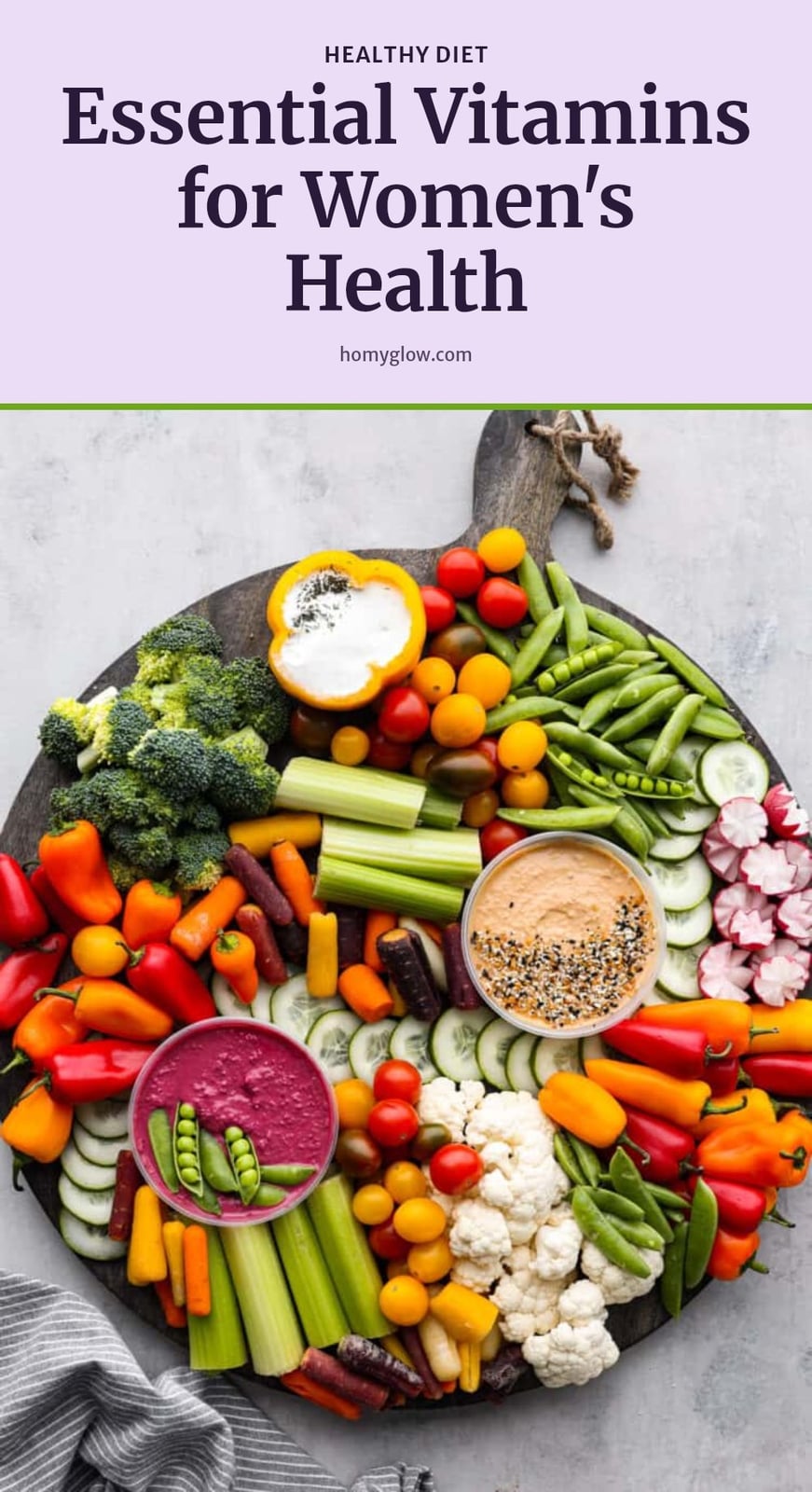
Eat the rainbow: Fill your plate with a range of colors each day. Red peppers, dark leafy greens, orange carrots, purple cabbage, and yellow squash each deliver different vitamins. Aim for at least three colors per meal.
Choose whole foods: Whole grains like oats, quinoa, and brown rice provide B vitamins and fiber. Lean proteins such as chicken, fish, beans, and lentils supply B12 (from animal sources) and other nutrients. Processed foods often have fewer vitamins.
Read food labels: Check the % Daily Value (%DV) for vitamins on packaged foods. Fortified cereals, plant milks, and breads can offer added B vitamins, vitamin D, or folate. Use labels to compare options.
Consider sun exposure: Your skin makes vitamin D when exposed to sunlight. Spending 10-15 minutes outside a few times a week (without sunscreen on arms or legs) can help, but timing and skin tone affect how much you produce. Sun protection is still important for skin cancer prevention.
Talk to your doctor: Before starting any supplement, ask your healthcare provider whether you actually need it. They can check your levels and recommend a safe dose based on your health history and medications.
When to Talk to a Healthcare Professional About Vitamins
See a healthcare professional if you notice symptoms like unusual fatigue, hair loss, or frequent infections that might point to a deficiency. Always consult a doctor before starting any new vitamin supplement, especially if you are pregnant, breastfeeding, or taking prescription medications. Existing health conditions such as celiac disease, Crohn’s disease, or kidney disorders can affect how your body absorbs nutrients. A professional can help you determine personalized needs and safe dosages, avoiding the risks of self-diagnosis or unnecessary supplements.
Frequently Asked Questions
What are the signs of vitamin deficiency?
Signs can vary by vitamin, but common clues include unusual fatigue, hair loss, brittle nails, frequent infections, or poor wound healing. However, these symptoms can also stem from other health issues, so it’s important not to self-diagnose. If you notice persistent or concerning symptoms, see a healthcare professional for proper testing and guidance.
Can I get all my vitamins from food alone?
Yes, for most people, a well-balanced diet rich in fruits, vegetables, whole grains, lean proteins, and dairy can provide all 13 essential vitamins. That said, certain situations like vegan diets, pregnancy, or limited sun exposure may create gaps. In those cases, fortified foods or supplements can help, but it’s best to discuss your needs with a professional.
Are multivitamins necessary for women?
Not for everyone. If you eat a varied diet with plenty of nutrient-dense foods, you may not need a daily multivitamin. However, some women have higher needs or dietary restrictions that make supplementation helpful. A doctor or dietitian can assess your individual situation and recommend whether a multivitamin is right for you.
Which vitamins are most important during pregnancy?
Folate (folic acid) is especially crucial during pregnancy because it supports cell growth and helps prevent neural tube defects. Vitamin D, iron, and calcium also play key roles. Since needs change during pregnancy, always consult your healthcare provider about the right prenatal vitamins and dietary adjustments for your specific situation.
What are the most important vitamins for women?
While all 13 are essential, vitamin D, folate, vitamin B12, and vitamin C deserve extra attention. Vitamin D supports bone and immune health, folate is key for cell growth, B12 is important for energy and nerve function, and vitamin C aids collagen and immunity. A varied diet usually covers these, but some women may need targeted help.
Final Thoughts
To keep your vitamin intake on track, build meals around whole foods like leafy greens, whole grains, lean proteins, and colorful produce. That approach naturally covers most of what your body needs. If you suspect a deficiency or have specific health concerns, talk to a doctor or dietitian before reaching for supplements. With consistent, varied eating, you’ll likely notice steady improvements in energy and overall well-being over the coming weeks and months.
This article is for general informational purposes only and is not a substitute for professional medical advice. Always consult a doctor, registered dietitian, or other qualified healthcare provider before starting any supplement or if you have concerns about your vitamin intake or health. Seek medical attention if you experience persistent or severe symptoms.