You’ve probably heard about the benefits of intermittent fasting, but are you making mistakes that could be sabotaging your efforts? Many women struggle with fasting because of three common pitfalls: not drinking enough water, skimping on nutrients during eating windows, and ignoring their body’s unique hormonal signals. This article covers the most frequent fasting mistakes women make and how to avoid them, so you can fast safely and effectively.

Key Takeaways
- Hydrate with water, black coffee, or plain tea during fasting periods to prevent dehydration.
- Prioritize nutrient-dense whole foods like lean proteins and vegetables during eating windows.
- Listen to your body and adjust your fasting schedule if you feel unwell or overly stressed.
- Start with a shorter fast, like 12 hours overnight, and gradually increase the duration.
- Consult a healthcare professional before starting fasting, especially if you have a medical condition.
Why Many Women Struggle with Fasting
Many women struggle with fasting because of three common pitfalls: not drinking enough water, skimping on nutrients during eating windows, and ignoring their body’s unique hormonal signals. These mistakes can stall progress, cause unpleasant side effects, and even harm your health. The key to a safe, effective, and sustainable fasting journey is understanding these missteps and actively avoiding them.
Understanding Your Body’s Response to Fasting
How Fasting Works
Intermittent fasting means cycling between periods of eating and voluntary fasting. Common protocols include the 16/8 (16 hours fasting, 8 hours eating) and the 5:2 (eating normally five days, restricting calories to 500-600 on two non-consecutive days). During fasting, your body shifts from burning glucose to burning stored fat for energy.
Why Women Respond Differently
Women’s hormonal responses to fasting can differ from men’s. Prolonged or extreme fasting may impact reproductive hormones and thyroid function. Fasting also affects hunger-regulating hormones like ghrelin and leptin, which is why adequate sleep is critical for balance.
Common Fasting Mistakes Women Make
Here are the most common mistakes women make with fasting and how to avoid them.
- Not prioritizing hydration and electrolytes: Water, black coffee, and plain tea are essential. For longer fasts, add sugar-free electrolytes to prevent muscle cramps or weakness.
- Overeating or making poor food choices in the eating window: Binging on processed or sugary foods negates the metabolic benefits of fasting.
- Ignoring your body’s signals: Pushing through extreme hunger, dizziness, or fatigue, especially around your menstrual cycle, can be counterproductive.
- Starting with overly long or restrictive fasts: Jumping into OMAD or 24-hour fasts without building up can lead to burnout and negative health effects.
- Over-exercising while fasted: Intense workouts can add excessive stress and potentially lead to muscle loss.
- Neglecting nutrient density: Focusing only on calorie restriction during eating windows can lead to nutrient deficiencies.
Essential Tools for a Successful Fasting Journey
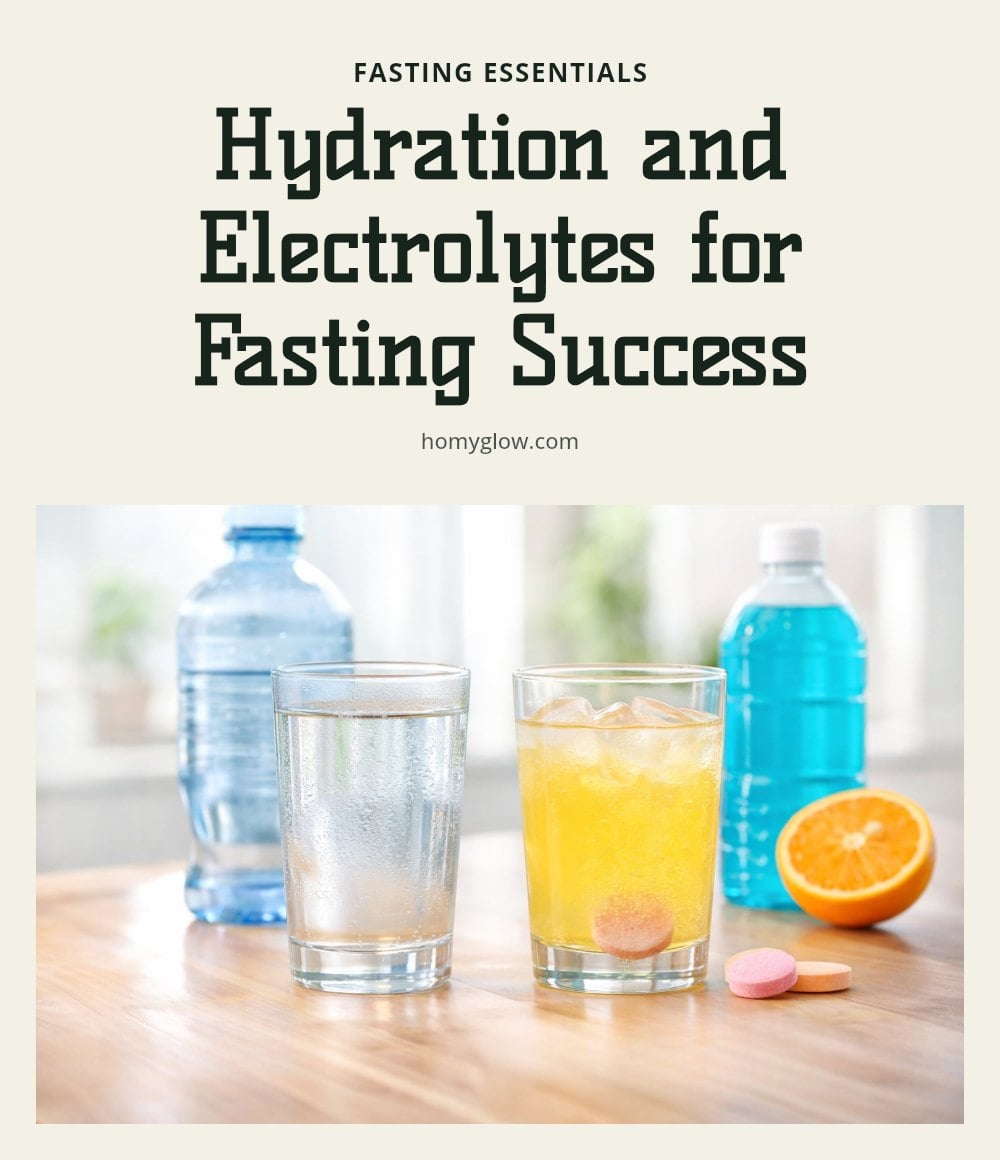
Having the right tools on hand makes fasting easier and safer. Here is what you need.
- Water: Your best friend during fasting. Keep a bottle handy at all times.
- Black coffee or plain tea: Unsweetened options that won’t break your fast and can help with focus.
- Electrolyte supplements (sugar-free): Crucial for longer fasts to prevent imbalances like muscle cramps or weakness.
- Nutrient-dense whole foods: Fruits, vegetables, lean proteins, healthy fats, and whole grains are vital for your eating windows.
Smart Strategies for Fasting Effectively

Start with a 12-hour overnight fast, like from 7 p.m. to 7 a.m. and gradually increase the window as your body adapts. During your eating period, prioritize protein and healthy fats, think eggs, avocado, salmon, or nuts, to stay full and preserve muscle. Hydrate before you feel thirsty, and try adding a pinch of sea salt to your water for extra electrolytes.
Pay attention to your menstrual cycle. Many women find fasting easier during the follicular phase (days 1-14) and harder in the luteal phase (after ovulation). Adjust your schedule accordingly. For movement, stick to walking, yoga, or gentle stretching while fasted. Save high-intensity workouts for your eating window to avoid excess stress on your body.
How to Prevent Fasting Setbacks
Plan your eating windows by prepping nutrient-dense meals, roasted vegetables, lean proteins, whole grains, so you don’t reach for processed snacks when hunger hits. Stay consistent with your schedule most days, but give yourself permission to adjust on high-stress or low-energy days. A flexible approach prevents burnout.
Keep a simple journal of how you feel, your energy levels, and any physical changes. Patterns will emerge that help you fine-tune your approach. Educate yourself on the different fasting protocols, 16/8, 5:2, OMAD, and choose one that fits your lifestyle, not the other way around. And prioritize sleep: 7-9 hours per night supports the hormones that control hunger and makes fasting feel much easier.
When to Consult a Healthcare Professional
Always talk to your doctor before starting a fasting regimen, especially if you have diabetes, blood sugar issues, heart conditions, or take any medication. Fasting is not recommended if you are pregnant or breastfeeding. It should also be avoided if you have a history of eating disorders.
Stop fasting immediately and seek medical advice if you experience severe dizziness, fainting, extreme fatigue, heart palpitations, or significant changes to your menstrual cycle. Your health comes first, and professional guidance ensures you fast safely.
Frequently Asked Questions
How does fasting affect women’s hormones?
Women’s hormonal responses to fasting can differ from men’s. Some studies suggest potential impacts on reproductive hormones and thyroid function, especially with prolonged or extreme fasting. It is important to listen to your body and adjust your fasting schedule based on your menstrual cycle and overall well-being. If you notice changes in your cycle, consult a healthcare professional.
When should I break my fast?
Break your fast if you experience severe dizziness, fainting, extreme fatigue, or heart palpitations. These are signs that your body needs nourishment. It is also wise to break your fast if you feel unwell or overly stressed, as pushing through can lead to burnout or negative health effects. Always prioritize your safety over sticking to a schedule.
Is fasting suitable for everyone?
No, fasting is not recommended for pregnant or breastfeeding women, individuals with a history of eating disorders, or those with certain medical conditions like diabetes without medical supervision. Always consult a doctor before starting a fasting regimen, especially if you have blood sugar regulation issues, heart conditions, or take medication.
What are common intermittent fasting schedules?
Common intermittent fasting schedules include the 16/8 method (16 hours fasting, 8 hours eating), the 5:2 diet (eating normally for five days and restricting calories to 500-600 on two non-consecutive days), and OMAD (One Meal A Day). It is best to start with a shorter window, like a 12-hour overnight fast, and gradually increase as your body adapts.
Can I drink anything other than water during my fast?
Yes, during fasting periods you can drink water, black coffee, and plain tea without breaking your fast. For longer fasts, you may add sugar-free electrolytes to prevent muscle cramps or weakness. Avoid any beverages with calories, sweeteners, or cream, as they can break your fast and negate potential benefits.
Final Thoughts
My tip is to start with a simple 12-hour overnight fast and see how your body responds before trying longer protocols. Realistic results typically show within weeks to months, depending on consistency and individual factors. Fasting can be a powerful tool when done right, but always put your health first and adjust as needed.
This article is for general informational purposes only and does not constitute medical advice. Fasting can affect individuals differently, and you should consult a healthcare professional before starting any fasting regimen, especially if you have a medical condition or are pregnant or breastfeeding. If you experience severe symptoms, seek medical attention promptly.