When it comes to feminine hygiene, it’s easy to get lost in a sea of products and advice. The truth is, your body is designed to take care of itself in many ways. This article breaks down the simple, effective habits that support your intimate health, from daily cleaning to knowing when to see a doctor.
Key Takeaways
- Clean your vulva daily with warm water and mild, unscented soap if desired.
- Always wipe from front to back after using the toilet to prevent infections.
- Choose breathable cotton underwear and change out of wet clothes promptly.
- Change pads and tampons every 4 to 8 hours during your period.
- Avoid scented products and douching to protect your natural pH balance.
What is Feminine Hygiene, Really?
True feminine hygiene isn’t about scrubbing or using special products. It’s about maintaining the natural balance of your intimate area, focusing on your vulva, without disrupting your vagina’s self-cleaning abilities. That means gentle external care, choosing breathable materials, and knowing what’s normal for your body. This approach prevents irritation and infections while respecting your body’s own systems.
1. Clean Your Vulva Gently Daily
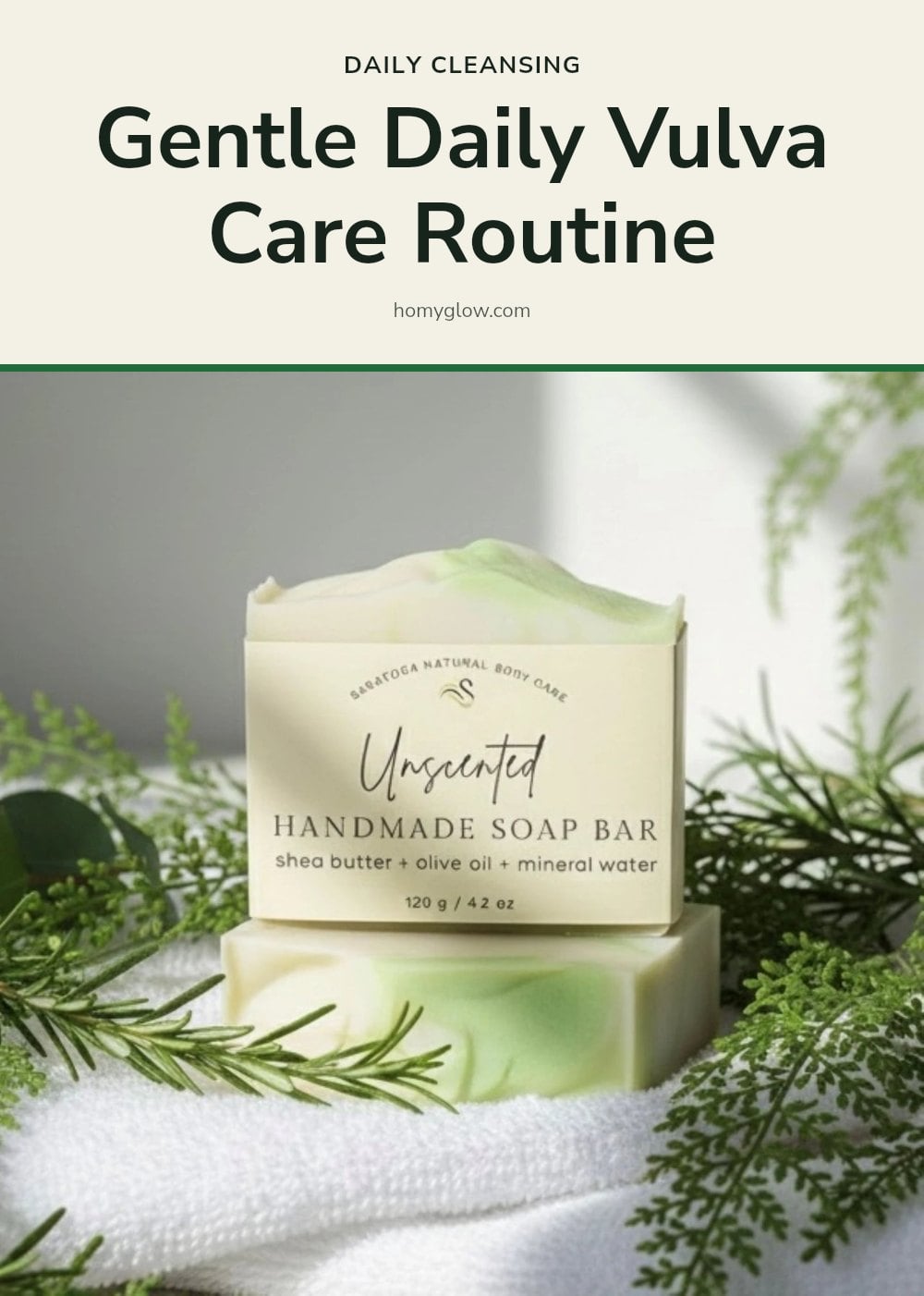
Clean your vulva daily with warm water. If you prefer, use a mild, unscented soap on the external genital area only. The vagina is self-cleaning and doesn’t need internal washing.
- Use warm water and mild, unscented soap on the vulva only. Avoid harsh soaps or scrubbing.
- Do not douche. Douching disrupts the natural acidic pH and beneficial bacteria, increasing the risk of infections like bacterial vaginosis and yeast infections.
2. Wipe Front to Back
Always wipe from front to back after using the toilet. This simple habit prevents bacteria from your anus from entering your vagina or urethra. It significantly reduces your risk of urinary tract infections (UTIs) and vaginal infections. Make it a consistent routine.
3. Choose Breathable Cotton Underwear

Cotton underwear is your best friend for vaginal health. It’s breathable and helps prevent moisture buildup, which can create a breeding ground for bacteria and yeast. Avoid synthetic fabrics or overly tight underwear for prolonged periods, as they trap heat and moisture.
- Choose cotton underwear. It allows airflow and keeps the area dry.
- Avoid synthetic fabrics and tight fits. They trap heat and moisture, increasing irritation risk.
4. Change Out of Wet Clothes Promptly
After swimming or a sweaty workout, change out of your wet swimsuit or gym clothes as soon as you can. Damp fabric creates a warm, moist environment where yeast can overgrow, raising your risk of a yeast infection.
- My tip: Keep a dry change of underwear and bottoms in your gym bag or beach tote so you’re never stuck in damp clothes.
- Even sitting in wet leggings for an extra hour after class can tip the balance in your vaginal microbiome.
5. Change Menstrual Products Regularly
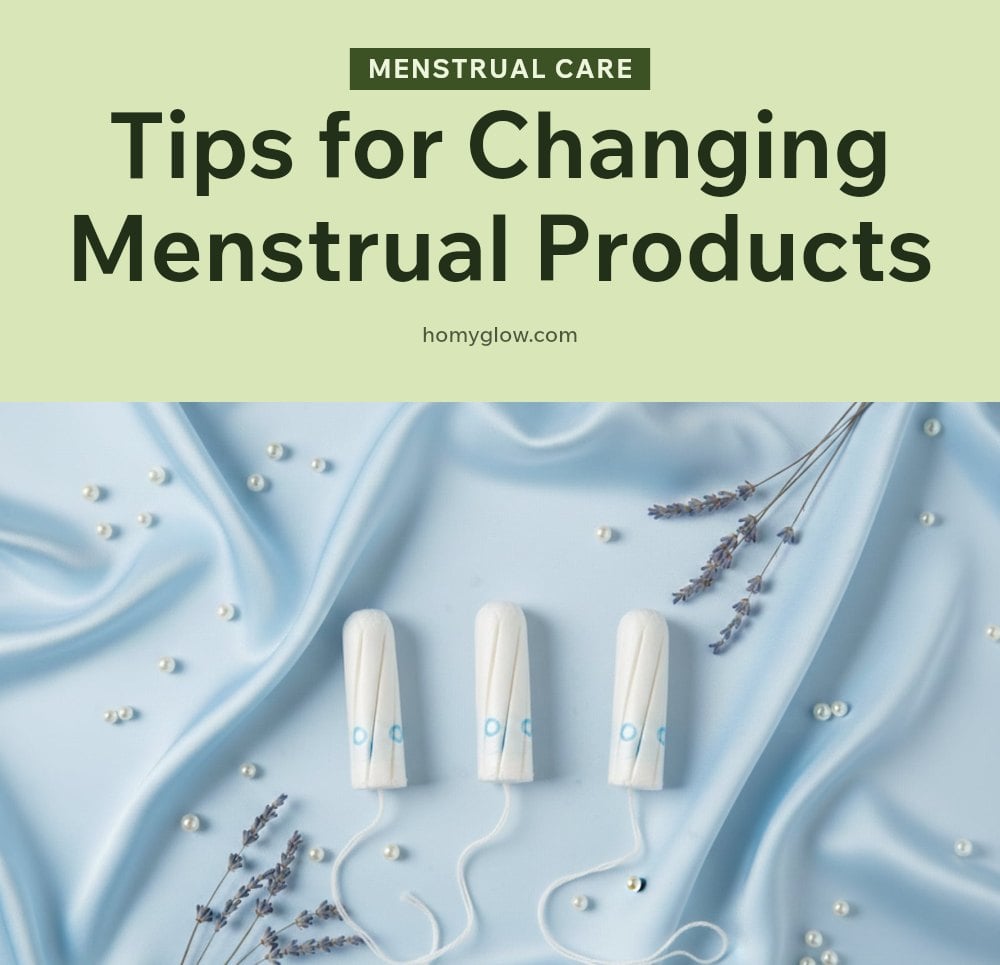
During your period, change pads and tampons every 4 to 8 hours, or more often if your flow is heavy. Regular changes prevent odor and reduce the chance of infection.
- Caution: With tampons, leaving one in too long raises the risk of Toxic Shock Syndrome (TSS), a rare but serious condition. Set a reminder on your phone if you tend to forget.
- If you use a menstrual cup, empty and rinse it at least every 12 hours, following the manufacturer’s instructions.
6. Avoid Scented Feminine Products
Skip scented soaps, sprays, wipes, powders, and even scented pads or tampons. The fragrances and chemicals in these products can irritate your vulvar skin and disrupt your vagina’s natural acidic pH, which normally sits between 3.8 and 4.5.
- Good to know: That “fresh” scent often masks problems rather than fixing them, and it can trigger itching, burning, or infections like bacterial vaginosis.
- Stick with unscented menstrual products and plain water for external cleaning.
7. Understand Normal Vaginal Discharge
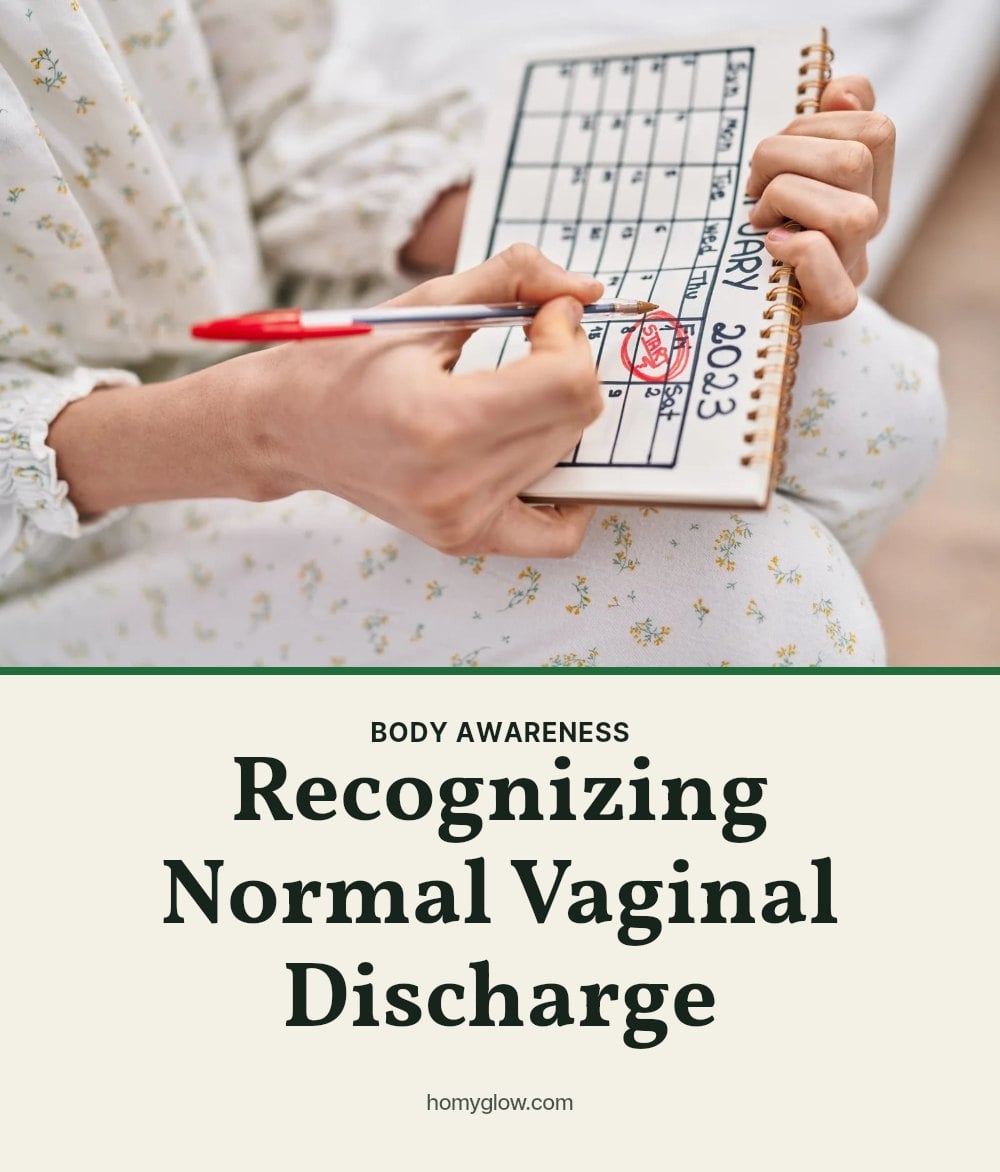
Normal vaginal discharge changes throughout your cycle. It can be clear, milky white, thin, or thick, and the amount varies. Knowing your personal baseline helps you spot when something is off.
- Tip: Pay attention to shifts in color (yellow, green, gray), texture (chunky or frothy), or a strong fishy odor. Those changes can signal an infection.
- If you notice something unusual that persists, make an appointment with your healthcare provider rather than trying to treat it yourself.
8. Wash Hands Thoroughly

Wash your hands with soap and water before and after touching your genital area. This is especially important when inserting or removing menstrual products like tampons or menstrual cups. Your hands pick up bacteria from everything you touch throughout the day, and transferring those to your intimate area can cause irritation or infections.
Make it a habit: wash before you start, and wash again when you are done. If soap and water are not available, an alcohol-based hand sanitizer can work in a pinch, but nothing beats a thorough scrub.
9. Consider Pubic Hair’s Protective Role
Pubic hair is not just there for looks. It acts as a natural barrier against bacteria and reduces friction during movement and intimacy. Removing it completely is not required for hygiene, and the process can lead to ingrown hairs, razor burn, or micro-tears in the skin that increase infection risk.
If you prefer to groom, that is your choice. Just know that trimming is gentler than full removal, and if you do shave or wax, keep the area clean and moisturized to minimize irritation.
10. Stay Hydrated and Eat Well

Drinking enough water supports your whole body, including the mucous membranes that keep vaginal tissues healthy and resilient. Dehydration can make tissues dry and more prone to irritation. Aim for the general recommendation of about 8 cups a day, and more if you are active or in a hot climate.
Your diet matters too. Foods rich in probiotics, like yogurt with live cultures, kefir, or fermented vegetables, can support a healthy balance of bacteria in your gut and vaginal microbiome. A varied diet with plenty of fruits and vegetables also provides nutrients that support immune function and tissue repair.
11. Listen to Your Body
Your body gives you signals when something is off. Pay attention to changes in your vaginal discharge, especially a shift in color, consistency, or a strong, fishy odor. Notice any new itching, burning, redness, or swelling in the vulvar area, and any pain during urination or intercourse.
These symptoms can point to an infection or imbalance that may need treatment. Catching it early often means simpler, faster resolution. If you notice anything unusual, make an appointment with your healthcare provider rather than waiting to see if it goes away on its own.
When to Consult a Healthcare Professional
Some symptoms should never be brushed off as normal. Make an appointment with your healthcare provider if you notice unusual vaginal discharge, such as a significant change in color or consistency, or a strong, fishy odor. Persistent itching, burning, redness, or swelling in the vulvar area also warrants a professional opinion, as does pain during urination or intercourse.
Check for any new lumps, sores, or unexplained bleeding, and have those evaluated promptly. If you use tampons, be aware of Toxic Shock Syndrome (TSS) symptoms: sudden high fever, vomiting, diarrhea, a rash, muscle aches, or dizziness. These require immediate medical attention, so do not wait to see if they pass.
Frequently Asked Questions
Is it normal to have vaginal odor?
Yes, a mild, musky odor is normal and varies throughout your cycle. A strong, persistent, or fishy odor can indicate an infection, like bacterial vaginosis. If you notice a change in odor, see your healthcare provider.
Can diet affect vaginal health?
Diet can play a role. Staying hydrated supports healthy vaginal tissues, and eating a balanced diet with probiotics (like yogurt) may help maintain good bacteria. However, no food can cure an infection, and it’s best to talk to a doctor for specific concerns.
What are the signs of a healthy vagina?
A healthy vagina typically has a normal, mild odor and discharge that changes with your cycle (clear or milky white). There is no persistent itching, burning, redness, or unusual discharge. The pH stays between 3.8 and 4.5.
Should I remove pubic hair for hygiene?
No, removing pubic hair is not necessary for hygiene. Pubic hair serves as a protective barrier against bacteria and friction. If you choose to remove it, be aware that it can lead to ingrown hairs or irritation.
How often should I change my underwear?
You should change your underwear daily, or more often if it becomes wet or sweaty. Cotton underwear is best because it breathes and reduces moisture buildup. Change right after swimming or a workout to prevent yeast infections.
Final Thoughts
Stick with these simple habits: gentle external cleaning, breathable fabrics, and prompt changes after swimming or workouts. Expect that your vaginal discharge will change throughout your cycle, and that’s normal. The key is to listen to your body and see a healthcare provider if something feels off. Your intimate health is worth the straightforward care.
This information is for general educational purposes only and is not a substitute for professional medical advice. If you have persistent symptoms, unusual discharge, or any concerns about your intimate health, please consult a healthcare provider or dermatologist.