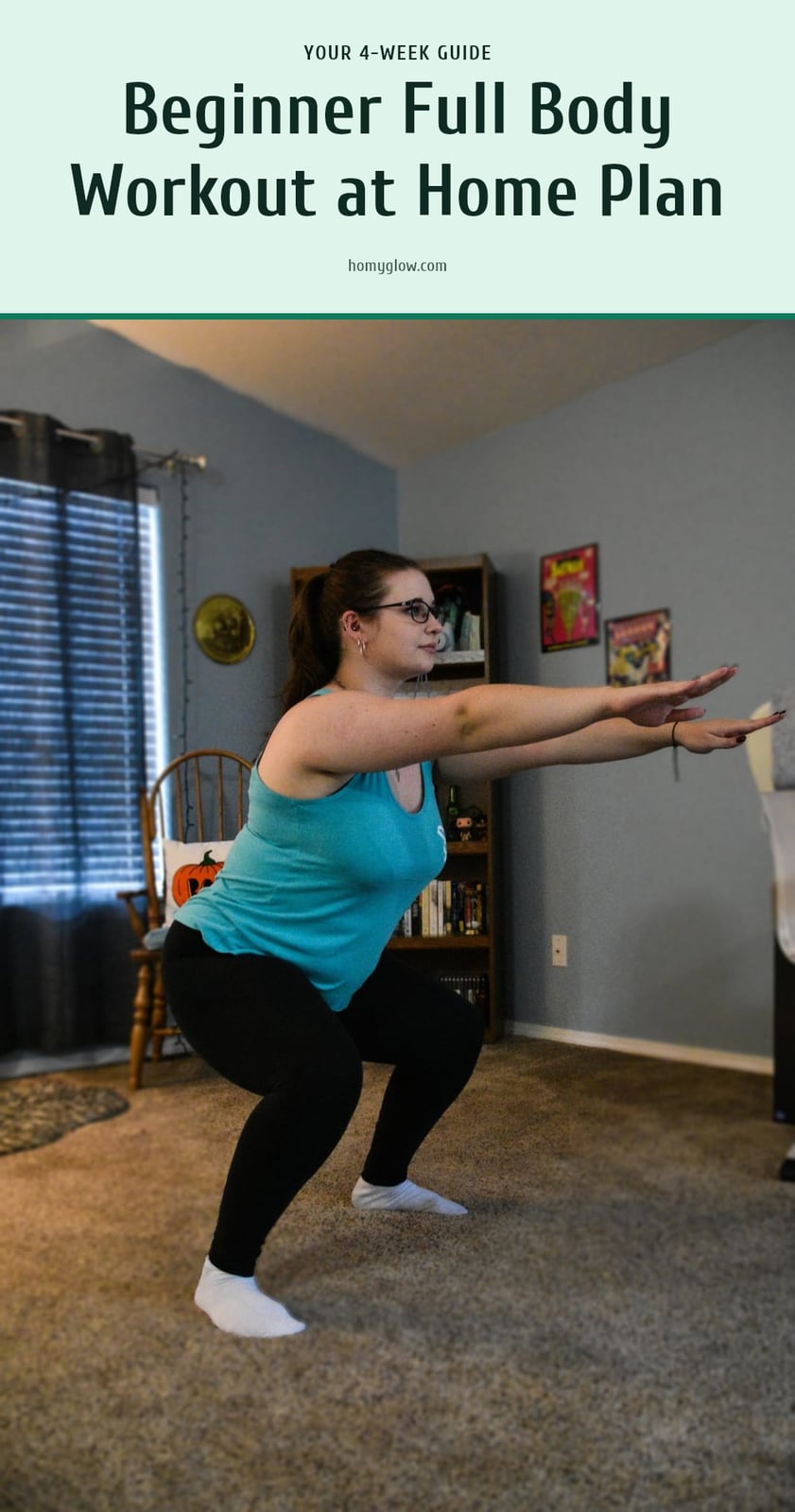
Starting a full body workout at home can feel like the simplest way to build strength and endurance without needing a gym membership. This 4-week beginner plan uses bodyweight exercises to target your chest, back, shoulders, arms, legs, and core in every session, making it perfect if you’re short on time or just getting started. I’ll walk you through the key moves, a simple weekly schedule, and what to expect as you progress.
Key Takeaways
- Perform full body workouts 2-3 times per week with a rest day between sessions.
- Always start with a 5-10 minute warm-up and end with a 5-10 minute cool-down.
- Focus on proper form over the number of repetitions to prevent injury.
- Gradually increase reps, sets, or exercise difficulty to keep making progress.
- Consistency matters more than intensity, especially in the first few weeks.
What Is a Full Body Workout?
A full body workout targets all major muscle groups in one session: your chest, back, shoulders, arms, legs, and core. It’s an efficient way to build strength and endurance, especially if you’re a beginner or short on time. For a 4-week plan at home, focus on compound movements using just your bodyweight or minimal equipment, then gradually increase the intensity as you get stronger.
1. Warm-Up: Arm Circles
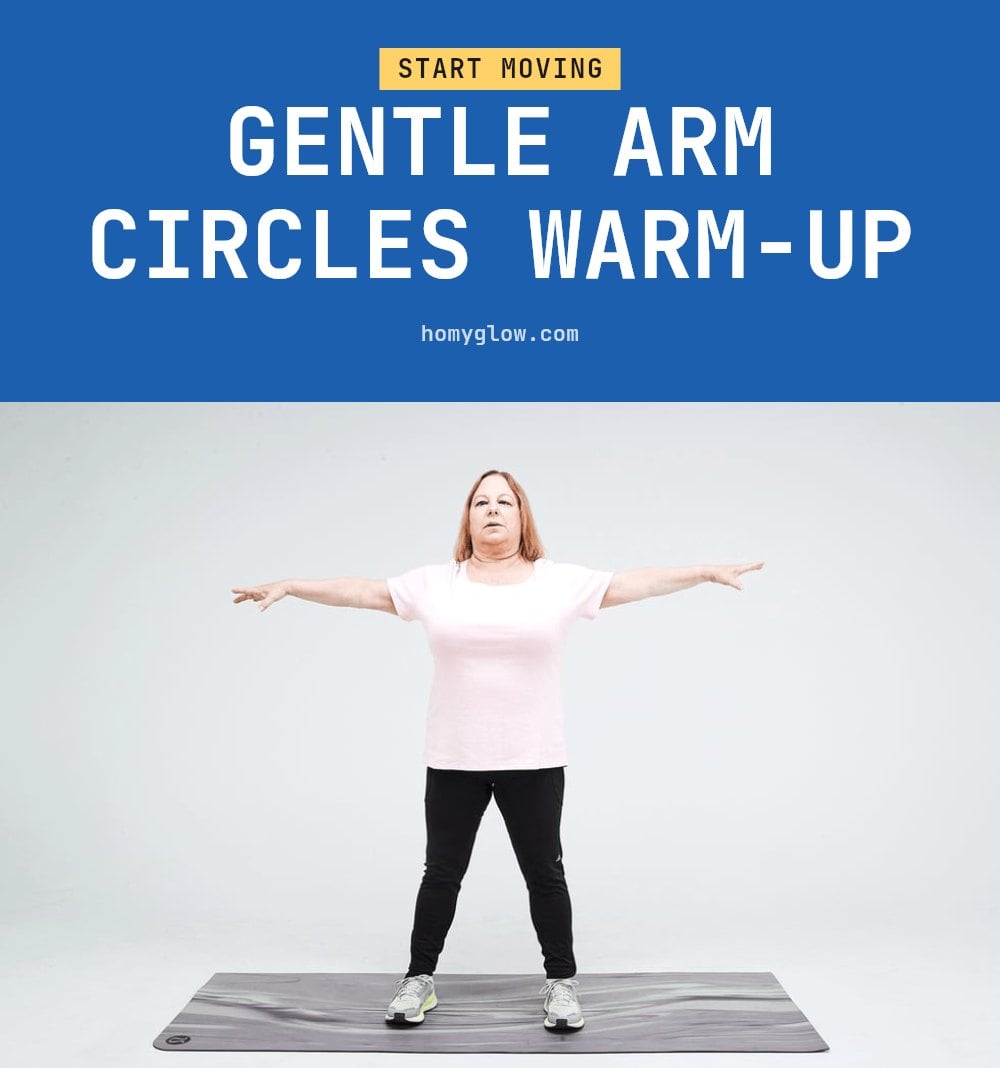
Stand tall with your feet shoulder-width apart and arms extended straight out to your sides at shoulder height. Make small forward circles with your arms for 30 seconds, then switch to backward circles for another 30 seconds. Keep the movements controlled so you gently warm up your shoulder joints and upper body.
- Time: 30 seconds forward, 30 seconds backward
- Form cue: Keep your arms at shoulder height and your core engaged
- Make it easier or harder: Smaller circles are easier; larger circles increase the range of motion
2. Bodyweight Squats
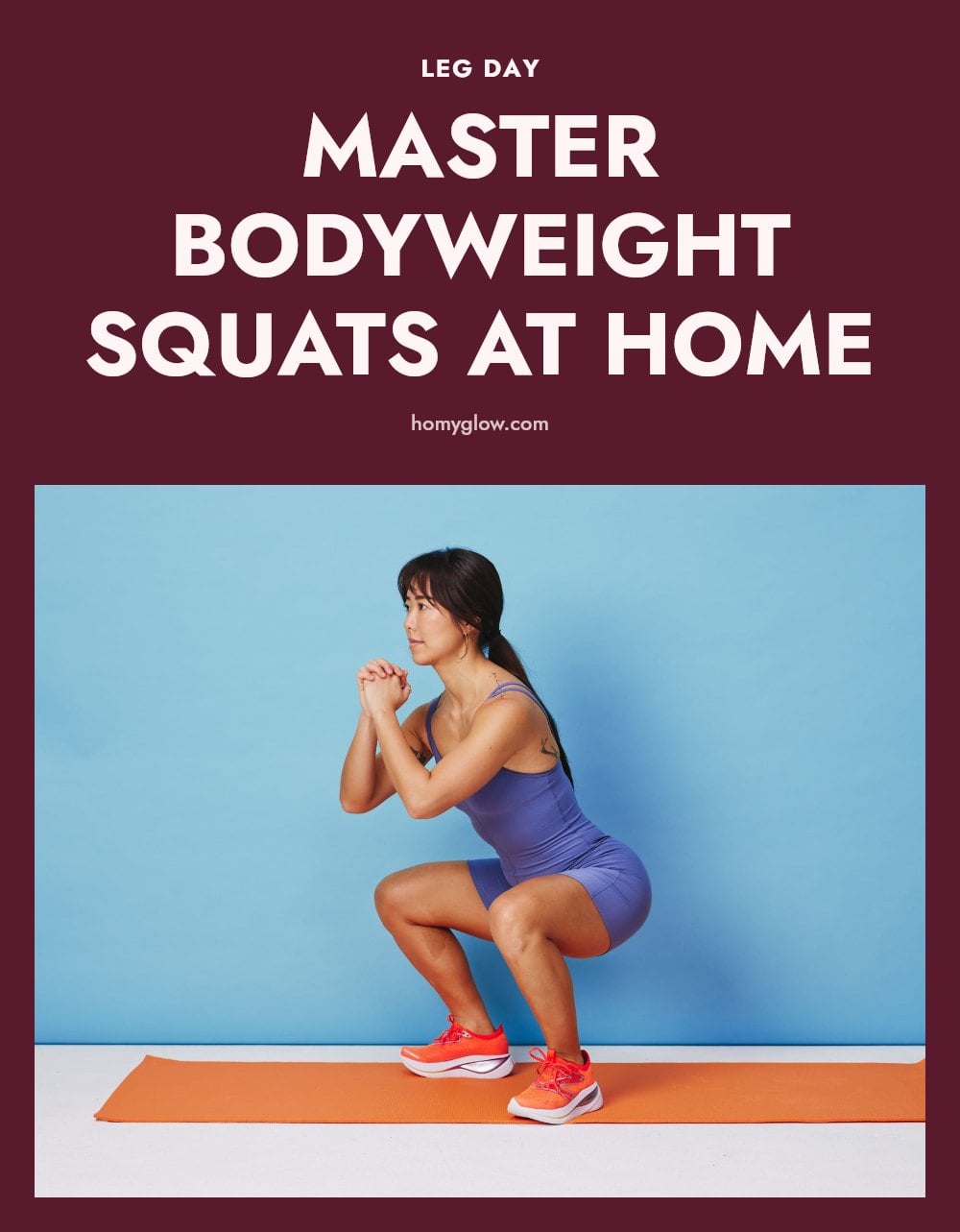
Stand with your feet shoulder-width apart, toes pointing slightly out. Keep your chest up and core engaged as you lower your hips as if sitting into a chair. Make sure your knees track over your toes, go as deep as comfortable while maintaining good form, then push through your heels to return to the start.
- Sets and reps: 3 sets of 10-12 repetitions
- Form cue: Keep your weight in your heels and your chest lifted throughout
- Make it easier or harder: Hold a chair back for balance to make it easier; add a jump at the top for a harder variation
3. Push-Ups (Knee or Full)
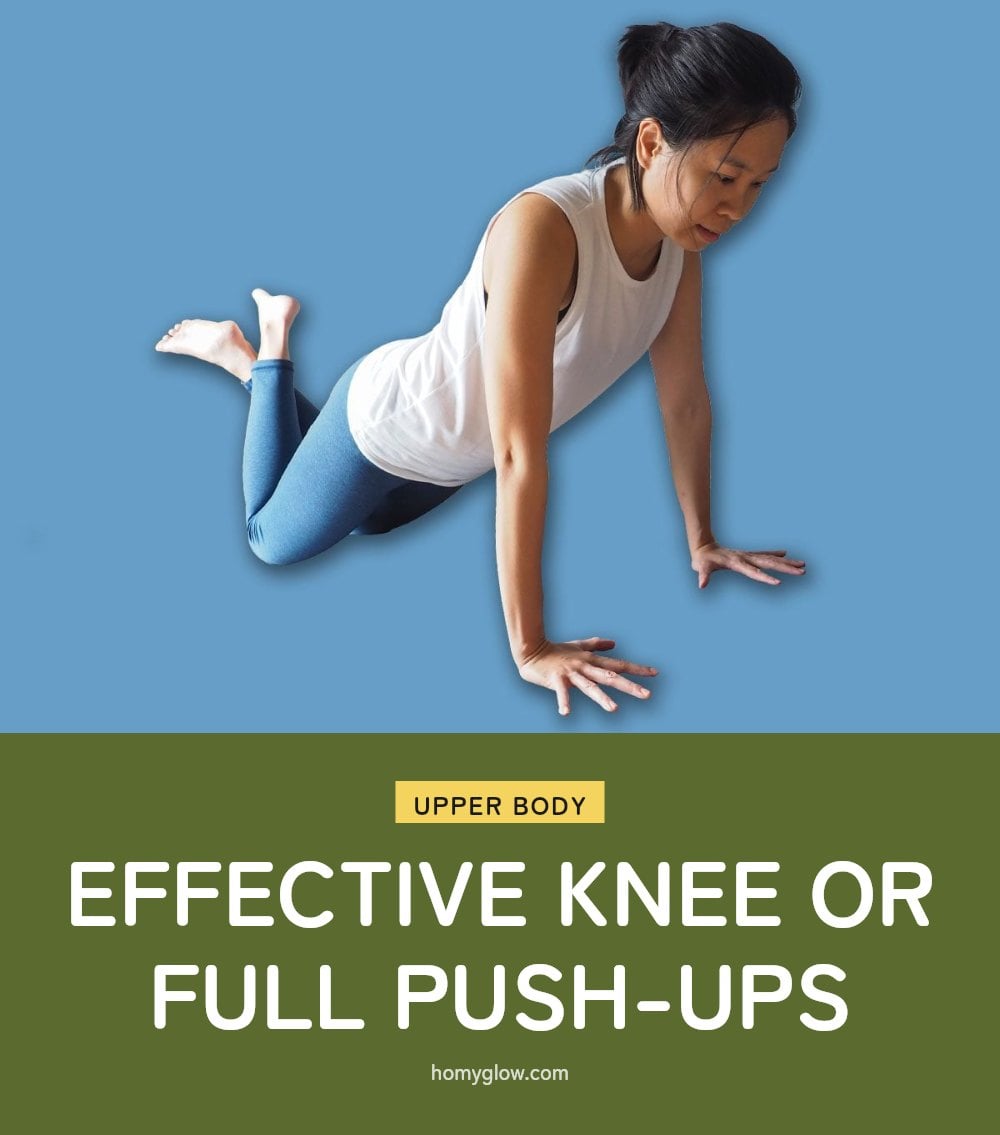
Start in a plank position with your hands slightly wider than shoulder-width apart. You can modify by dropping to your knees if needed. Lower your chest toward the floor, keeping your elbows tucked slightly toward your body, and maintain a straight line from head to heels (or knees). Push back up to the start.
- Sets and reps: 3 sets of 8-10 repetitions
- Form cue: Keep your body rigid like a plank, not sagging or piking
- Make it easier or harder: Perform on your knees for an easier version; try full push-ups or decline push-ups for more challenge
4. Glute Bridges
Lie on your back with your knees bent, feet flat on the floor hip-width apart, and arms by your sides. Engage your glutes and lift your hips off the floor until your body forms a straight line from your shoulders to your knees. Hold for a second at the top, then slowly lower your hips back down.
- Sets and reps: 3 sets of 12-15 repetitions.
- Form cue: Squeeze your glutes at the top of the movement and avoid arching your lower back.
- Make it easier or harder: For more challenge, hold a weight across your hips or perform single-leg bridges.
5. Plank
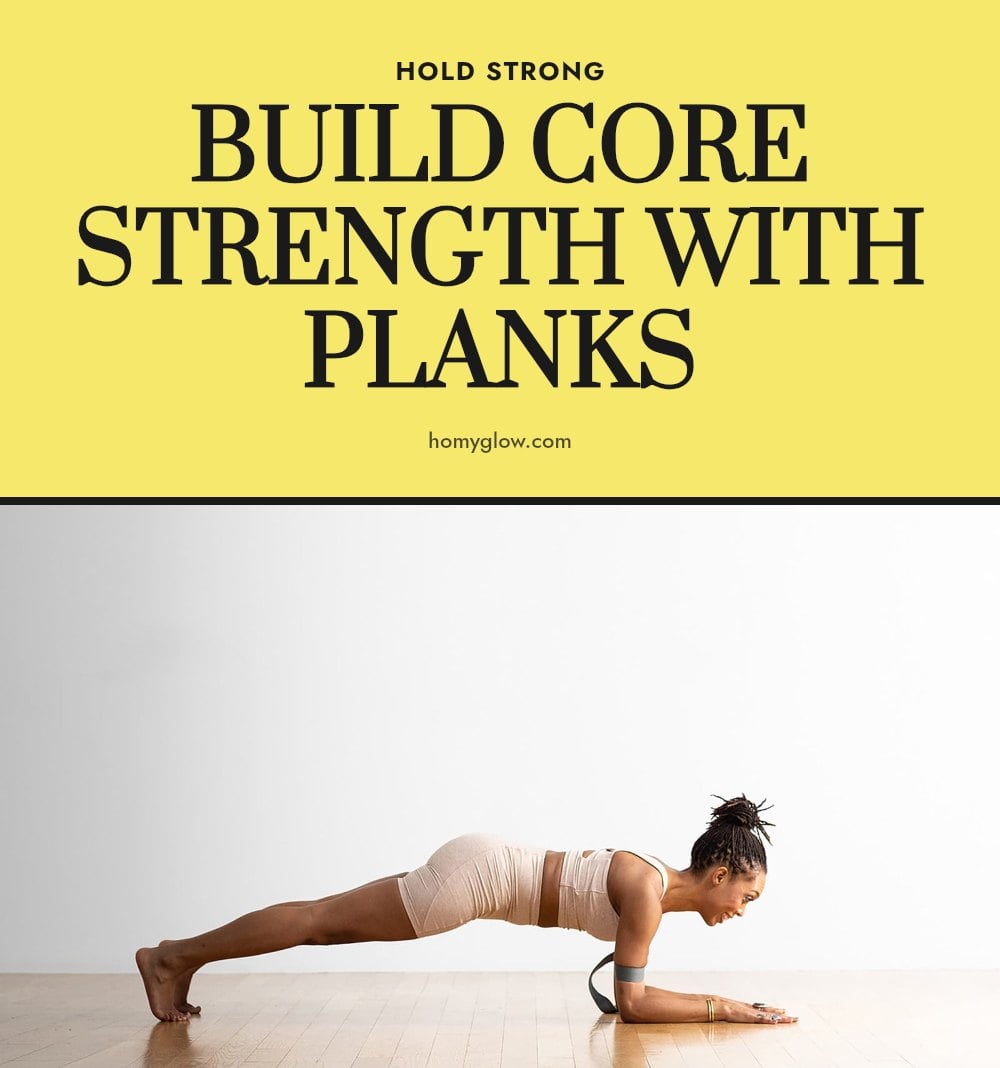
Start in a forearm plank position with your elbows directly under your shoulders and your body in a straight line from head to heels. Engage your core, glutes, and quads to prevent your hips from sagging or rising too high. Hold this position as long as you can maintain perfect form.
- Time: Hold for 30-60 seconds. Repeat for 3 sets.
- Form cue: Keep your neck neutral by looking at a spot on the floor just beyond your hands.
- Make it easier or harder: Drop to your knees to reduce difficulty, or lift one leg off the floor to increase it.
6. Lunges (Alternating Legs)

Stand tall with your feet hip-width apart. Step forward with one leg, lowering your hips until both knees are bent at approximately a 90-degree angle. Your front knee should be directly above your ankle, and your back knee should hover just above the floor. Push off your front foot to return to the starting position, then repeat on the other side.
- Sets and reps: 3 sets of 10-12 lunges per leg.
- Form cue: Keep your torso upright and your front knee aligned with your second toe.
- Make it easier or harder: Hold onto a wall for balance, or add a jump for a plyometric challenge.
7. Cool-Down: Hamstring Stretch
Lie on your back and extend one leg straight up toward the ceiling. Gently grasp behind your thigh or calf, avoiding the knee joint. Pull your leg gently toward your chest until you feel a stretch in your hamstring, keeping your other leg flat on the floor.
- Time: Hold for 20-30 seconds, then switch legs. Repeat 2-3 times per leg.
- Form cue: Keep your hips flat on the floor to isolate the hamstring stretch.
- Make it easier or harder: Bend the knee of your stretching leg slightly to reduce intensity, or use a towel around your foot to deepen the stretch.
Essential Gear for Your Home Workouts

You don’t need much to get started. Comfortable athletic clothing that lets you move freely is the first thing. Supportive athletic shoes protect your feet and joints during standing exercises. A yoga mat or exercise mat gives you cushioning and stability for floor moves like planks and glute bridges. Keep a water bottle nearby to stay hydrated throughout the session.
Optional: Resistance bands can add a challenge as you get stronger. Light dumbbells are another option if you want to progress beyond bodyweight exercises.
Your 4-Week Beginner Workout Schedule
This schedule gives you a balanced start with built-in rest days. Consistency matters more than intensity in the beginning, so stick with it and adjust as needed.
| Week | Workout Days | Rest Days |
|---|---|---|
| 1 | Monday, Wednesday, Friday | Tuesday, Thursday, Saturday, Sunday |
| 2 | Monday, Wednesday, Friday | Tuesday, Thursday, Saturday, Sunday |
| 3 | Monday, Wednesday, Friday | Tuesday, Thursday, Saturday, Sunday |
| 4 | Monday, Wednesday, Friday | Tuesday, Thursday, Saturday, Sunday |
On each workout day, complete the warm-up, the six exercises (squats, push-ups, glute bridges, plank, lunges), and the cool-down. Aim for the sets and reps listed in each exercise description. Listen to your body: some muscle soreness is normal, but sharp pain means stop. If a week feels too easy, add one more rep per set or try a harder variation like full push-ups instead of knee push-ups.
Frequently Asked Questions
How often should a beginner do full body workouts?
For beginners, performing full body workouts 2-3 times per week with a rest day in between is generally recommended. This schedule allows your muscles enough time to recover and adapt, which is crucial for building strength safely. The 4-week plan in this article uses a Monday, Wednesday, Friday routine as a solid starting point.
What if I don’t have any equipment for home workouts?
You can absolutely do this full body workout plan using only your body weight. Exercises like bodyweight squats, push-ups, glute bridges, planks, and lunges require no equipment at all. A yoga mat is helpful for comfort, but a carpet or towel works fine. As you get stronger, you can add resistance bands or light dumbbells if you choose.
How long does it take to see results from full body workouts?
Many beginners start feeling stronger and notice improvements in endurance within 2-4 weeks of consistent full body workouts. More visible physical changes, like increased muscle tone or fat loss, typically appear after 6-8 weeks. Results depend on factors like your starting fitness level, nutrition, and how consistently you follow the plan.
Is it okay to feel sore after a full body workout?
Yes, some muscle soreness, known as delayed onset muscle soreness (DOMS), is normal, especially when you’re new to exercise. It usually appears 24-48 hours after a workout and should feel like a dull ache in the muscles you worked. However, sharp pain, joint pain, or pain that limits your movement is a sign to stop and rest, and you should consult a healthcare professional if it persists.
Can I lose weight with full body workouts at home?
Full body workouts can help with weight loss by building muscle, which increases your metabolism, and by burning calories during the session. Combined with a balanced diet and adequate protein intake, they can support fat loss over time. For best results, stay consistent with your workouts and focus on overall healthy eating habits.
Final Thoughts
Stick with this plan for at least four weeks, and you’ll likely start feeling stronger and noticing better endurance. The key is to prioritize consistency over pushing yourself too hard too soon. Remember to listen to your body, stay hydrated, and give yourself rest days so your muscles can recover and grow.
This article provides general fitness information and is not a substitute for professional medical advice. Before starting any new exercise program, especially if you have underlying health conditions, are pregnant, or have had recent surgery, consult with a healthcare professional. Stop immediately if you experience sharp pain, dizziness, or chest discomfort.