You’ve probably heard that writing down what you’re grateful for can boost your mood, but knowing where to start is the tricky part. A gratitude journal is simply a place where you regularly jot down things you appreciate, from a warm cup of coffee to a kind word from a friend. In this article, I’ll walk you through the simple steps to begin, share ideas for what to write, and help you avoid common pitfalls so the practice feels natural, not forced.
Key Takeaways
- Write down specific details and why you’re grateful for them, not just a list.
- Aim for consistency, even just a few minutes a day, but don’t stress about frequency.
- Mix up your entries to include small daily joys and bigger life events.
- Keep your journal accessible so it’s easy to pick up and use.
- Review past entries to remind yourself of positive experiences over time.
What is a Gratitude Journal and How Does it Work?
A gratitude journal is a personal record where you regularly write down things you are grateful for. The practice helps shift focus from negative thoughts to positive aspects of life, potentially improving overall well-being. It is a simple, accessible tool that does not require special skills or materials, making it easy to integrate into daily routines.
Gather Your Gratitude Journal Supplies
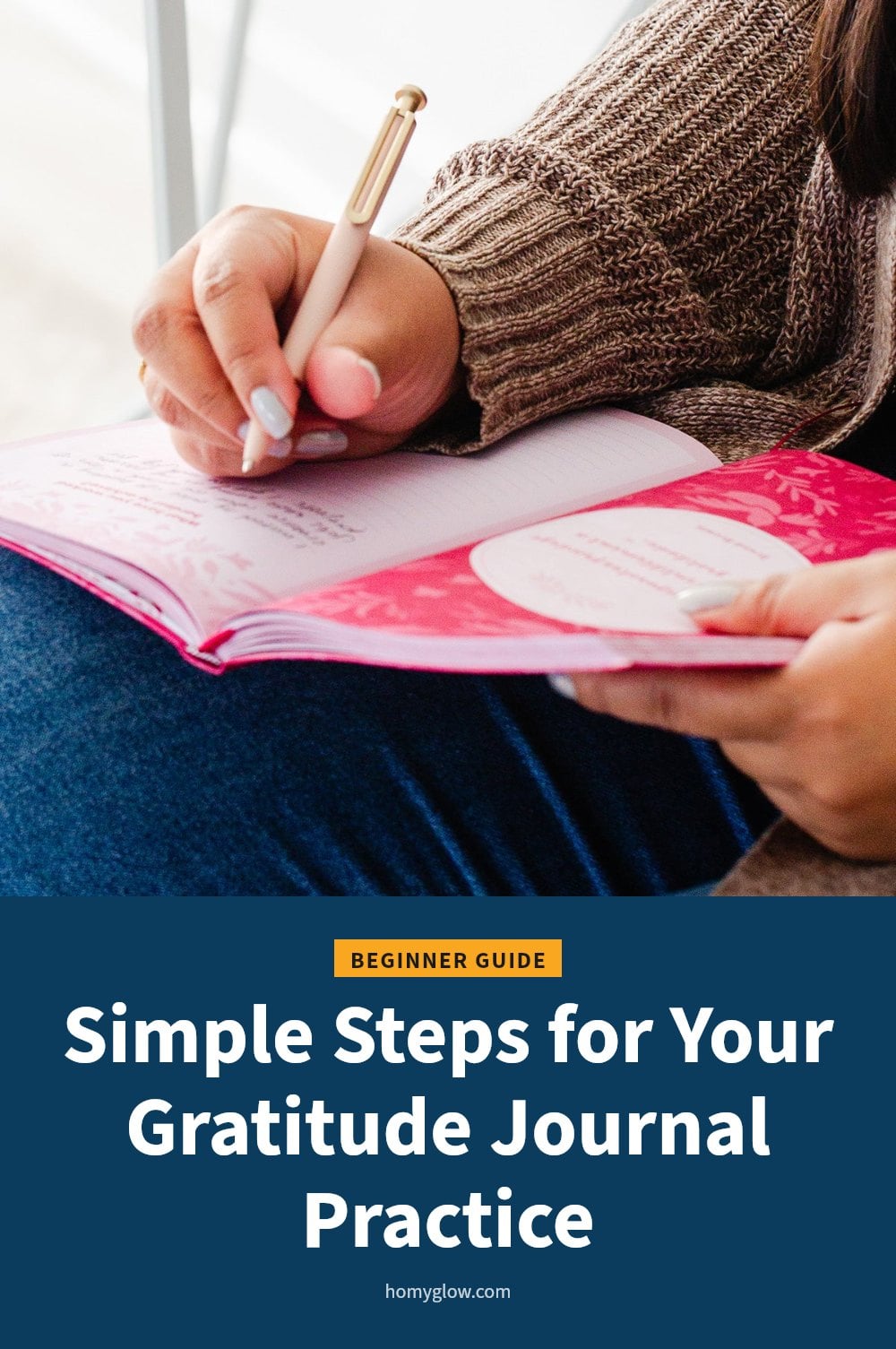
You don’t need much to start. A physical notebook or journal gives you a tangible experience. The act of writing by hand can help solidify your thoughts. Pick a comfortable pen or pencil that feels good in your hand so the process stays enjoyable.
If you prefer convenience, digital apps or documents work just as well. Many free note-taking apps let you journal on your phone or laptop, making it easy to write wherever you are.
My tip: Keep it simple. A basic spiral notebook and a ballpoint pen are enough. Don’t wait for the perfect journal to begin.
Step-by-Step: Starting Your Gratitude Journal Practice

- Choose a consistent time: Pick a moment that fits your rhythm, right after your morning coffee or just before bed. Sticking to the same window helps turn journaling into a habit without forcing it.
- Find a quiet spot: A corner of your couch, a desk by the window, or even a park bench. Minimizing noise and interruptions lets you focus on your thoughts without rushing.
- Write a few specific things: Not “my job” but “the unexpected compliment from my coworker today.” Specificity makes the gratitude feel real and personal. The goal is genuine reflection, not a set number.
- Add the why: For each item, write one sentence explaining why it matters. “I’m grateful for the warm sun on my walk because it lifted my mood after a rainy week.” This deepens the reflection and makes the entry more meaningful.
- Review past entries: Once a week or month, flip back through earlier pages. Seeing patterns in what you’ve appreciated can reinforce positive feelings and remind you of good moments you’d forgotten.
Ideas for What to Write in Your Gratitude Journal
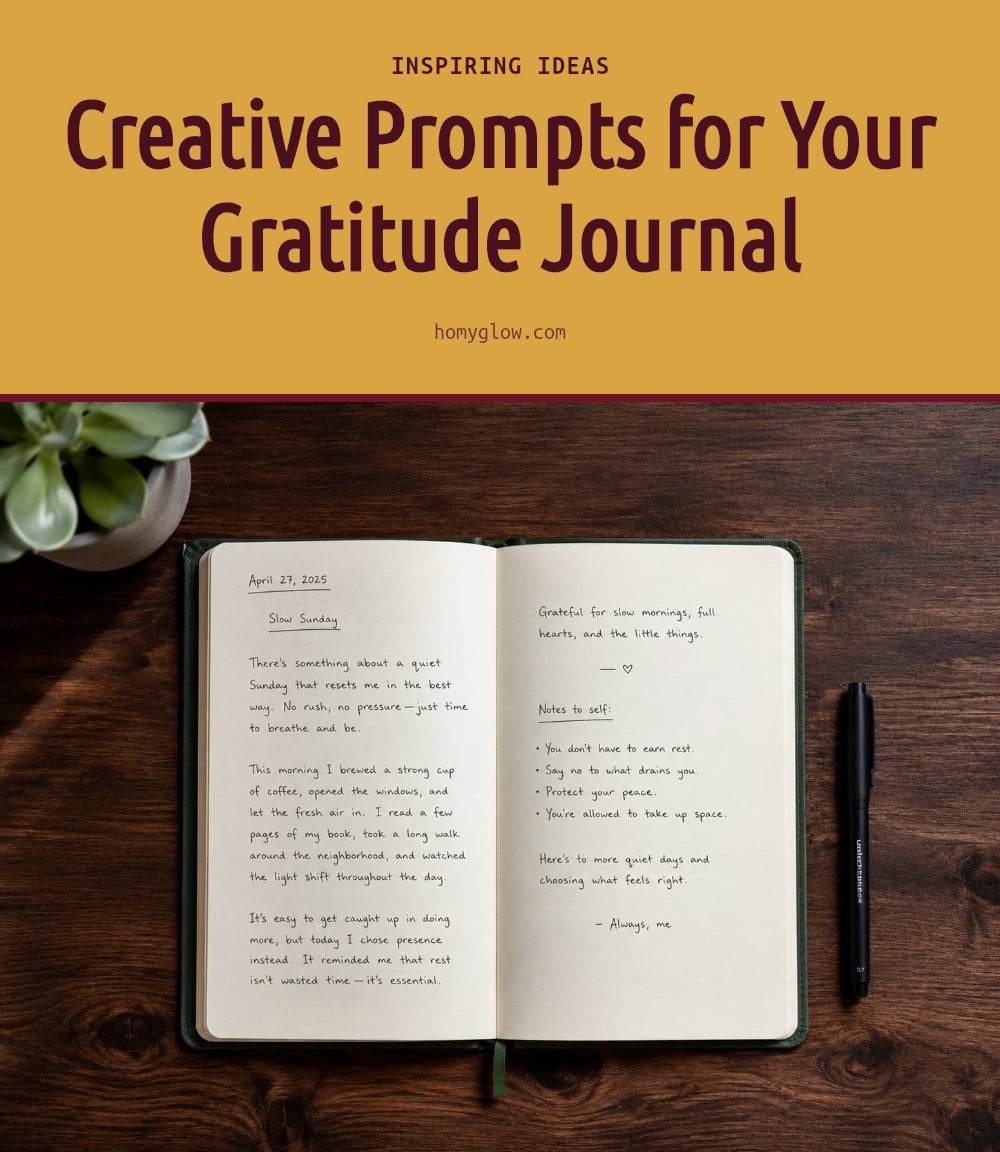
Sometimes it’s hard to know what to write beyond “my family” or “my health.” The trick is to notice the small things that already make your day better. Here are five categories to pull from when you sit down to write.
- Daily joys: A good cup of coffee, a sunny morning, a kind word from a stranger. These moments are easy to overlook but worth capturing.
- Relationships: Think of a specific moment with a friend, a laugh with your partner, or the way your pet greeted you at the door.
- Personal achievements: Did you finish a task you’d been putting off? Handle a frustrating situation calmly? Write it down, even if it feels small.
- Nature: A beautiful sunset, the sound of rain on the roof, a flower blooming in your yard. Nature offers fresh material every day.
- Comforts: A warm bed at night, a favorite song that came on shuffle, a cozy blanket on a cold afternoon. These are the quiet pleasures that make life easier.
Common Gratitude Journal Mistakes to Avoid
Treating it as a chore: If journaling starts feeling like a task you have to check off, take a break. The whole point is to shift your mindset, not add stress.
Just listing items: Writing “coffee” or “sunny day” doesn’t do much. Add the why, “the coffee warmed me up after a cold walk” or “the sun made the kitchen feel brighter.”
Only writing about major events: A promotion or vacation is great, but daily life is full of small moments worth noticing. A good parking spot or a friend’s quick laugh counts.
Giving up too soon: Benefits build over weeks and months, not after three days. Stick with it for a full month before deciding if it works for you.
Comparing your journal to others: Your practice is yours. What you write about and how often is personal. There’s no competition.
Best Tips for a Consistent Gratitude Practice

Be specific: Instead of “my family,” try “my sister’s funny text this morning.” Specific details make the gratitude feel real and memorable.
Vary your entries: It’s easy to write the same things every day. Mix it up, one day focus on people, another on comforts, another on something you learned.
Keep it accessible: Leave your journal on the nightstand or in your bag. If you use a digital app, put a shortcut on your phone’s home screen.
Don’t force it: Some days you won’t feel grateful, and that’s okay. Write about what’s actually on your mind, or focus on neutral observations, like the weather or your commute, to keep the habit going without pressure.
Consider different formats: Bullet points work for quick entries, short paragraphs for deeper reflection, and even a simple sketch can capture a moment. My tip: try a different format each week to keep it fresh.
How Long Until You See Results? And What Does It Cost?
Timeline for benefits: Most people notice shifts in perspective after several weeks of consistent practice, not overnight. The effects are gradual.
Frequency: Daily works for many, but a few times a week is enough to build the habit. Aim for a regular rhythm, even if it’s just a few times a week, to build the habit.
Cost: Almost zero. A basic notebook and a pen cost a few dollars, and free digital apps work just as well. No special supplies needed.
When to Seek Professional Help
Gratitude journaling is a supportive tool, not a replacement for medical or psychological treatment. If you are experiencing symptoms of depression, anxiety, or other mental health conditions, consult a healthcare professional.
If the practice feels forced or causes distress, it’s okay to take a break or adjust your approach. But if that distress persists, consider talking to a therapist or counselor. Journaling works best as part of a broader wellness plan, not as a standalone solution.
Frequently Asked Questions
How often should I write in my gratitude journal?
You can write daily, a few times a week, or whenever you feel inclined. Daily works for many people, but a few times a week is enough to build the habit. The key is consistency, not frequency. Pick a rhythm that fits your schedule and stick with it without pressure.
What if I can’t think of anything to be grateful for?
Start with the smallest things: a warm bed, a good meal, a kind smile from a stranger. Focus on details, like the taste of your morning coffee or the feel of sunshine on your skin. If you’re stuck, try reflecting on a single positive moment from your day, no matter how minor it seems.
Can I keep a gratitude journal digitally?
Yes, you can use a digital app, document, or note on your phone. Some people prefer the tangible experience of pen and paper because writing by hand can help solidify thoughts, but digital works just as well for recording gratitude. Choose the format that feels easiest for you to use consistently.
Is a gratitude journal the same as a regular journal?
No, they serve different purposes. A regular journal is a space for free-form writing about your day, feelings, and thoughts. A gratitude journal is specifically focused on recording things you are thankful for. You can combine both, but the gratitude journal has a narrower, positive focus.
Will a gratitude journal cure my anxiety or depression?
Gratitude journaling is a supportive tool that may help improve your outlook, but it is not a cure for anxiety, depression, or other mental health conditions. If you are experiencing severe symptoms, consult a healthcare professional. The practice works best alongside professional support, not as a replacement for it.
Final Thoughts
My tip: keep it simple. A notebook and a few minutes a day is all you need to start noticing the small positives around you. Don’t expect a complete shift overnight, most people see gradual changes in perspective after several weeks of consistent practice. The real benefit comes from making gratitude a gentle habit, not a chore.
This article is for informational purposes only and does not constitute medical or psychological advice. Gratitude journaling is a general wellness practice and is not a substitute for professional mental health treatment. If you have a persistent or serious mental health concern, please consult a qualified healthcare provider.