Grounding, also known as earthing, is the simple practice of making direct skin contact with the Earth’s surface, like walking barefoot on grass or lying on sand. The idea is that the Earth carries a negative electrical charge, and since your body is a natural conductor, this contact may help balance your body’s electrical state. In this article, I’ll walk you through what grounding is, how to do it outdoors and indoors, and share tips for making it a consistent part of your wellness routine.

Key Takeaways
- Walk barefoot on grass, sand, or soil for at least 30 minutes daily.
- Use indoor grounding mats or sheets if you can’t get outside.
- Avoid asphalt, wood, and synthetic surfaces that block grounding.
- Consistency matters more than session length for subtle benefits.
- Consult a doctor before grounding if you have medical conditions.
What is Grounding and How Does it Work?
Grounding, or earthing, is the practice of making direct skin contact with the Earth’s surface, like walking barefoot on grass or lying on sand. The idea is that the Earth carries a negative electrical charge, and since your body is a natural conductor, this contact may allow you to absorb free electrons from the ground. Proponents believe this transfer can support wellness, potentially reducing inflammation and improving sleep. It’s a simple concept, but the effects can be surprisingly noticeable for many people.
Why Connecting with the Earth Matters
Think about how much time you spend with your feet in shoes and your body indoors. Modern life has largely cut us off from the Earth’s natural electric field. We walk on insulating materials like rubber and synthetic carpet, and we rarely touch the ground with our bare skin. This disconnect is a relatively recent shift in human history, and some theorists suggest it may contribute to the stress and sleep issues many of us face.
The Theory Behind the Practice
The practice of grounding aims to restore that lost connection. By making direct contact with the Earth, you allow your body to re-engage with its natural electrical state. This isn’t about achieving some mystical state; it’s about re-establishing a simple, physical link that our ancestors had all the time. For many, this simple act feels calming and restorative, even if the scientific proof is still catching up.
Simple Ways to Practice Grounding Outdoors

Getting outside and making direct contact with the Earth is the most straightforward way to practice grounding. Here are a few simple methods to try.
Walk Barefoot
- Start on grass: Find a patch of soft, clean grass and walk slowly for at least 30 minutes. Focus on the sensation under your feet.
- Try sand: If you’re near a beach, walking on sand is excellent. It’s a natural surface that conforms to your feet and provides a good connection.
- Step on soil: In a garden or park, walk on bare soil if it’s dry and free of debris. It’s a very direct way to ground.
Tip: Choose a time when the ground isn’t too hot or cold to avoid discomfort, and always check for sharp stones or glass before you start.
Sit or Lie Down
- Find a spot: Sit directly on the ground with your hands resting on your lap or on the earth. You can also lie down on a towel or blanket if you prefer.
- Ensure skin contact: The key is to have bare skin touching the ground. If you’re sitting on a chair, your feet should be bare and on the ground.
Tip: For a deeper experience, try this during a quiet moment in your day, like reading or listening to music.
Get in the Water
- Oceans, lakes, rivers: Any natural body of water works. The water itself conducts the Earth’s charge, so swimming, wading, or even sitting with your feet in the water counts.
- Be safe: Always check the water conditions, and avoid grounding in water during a storm.
Caution: Always inspect the area for hazards like broken glass, sharp shells, or chemical residues. Choose a clean, private space where you feel comfortable and safe.
Indoor Grounding Products for When You Can’t Get Outside
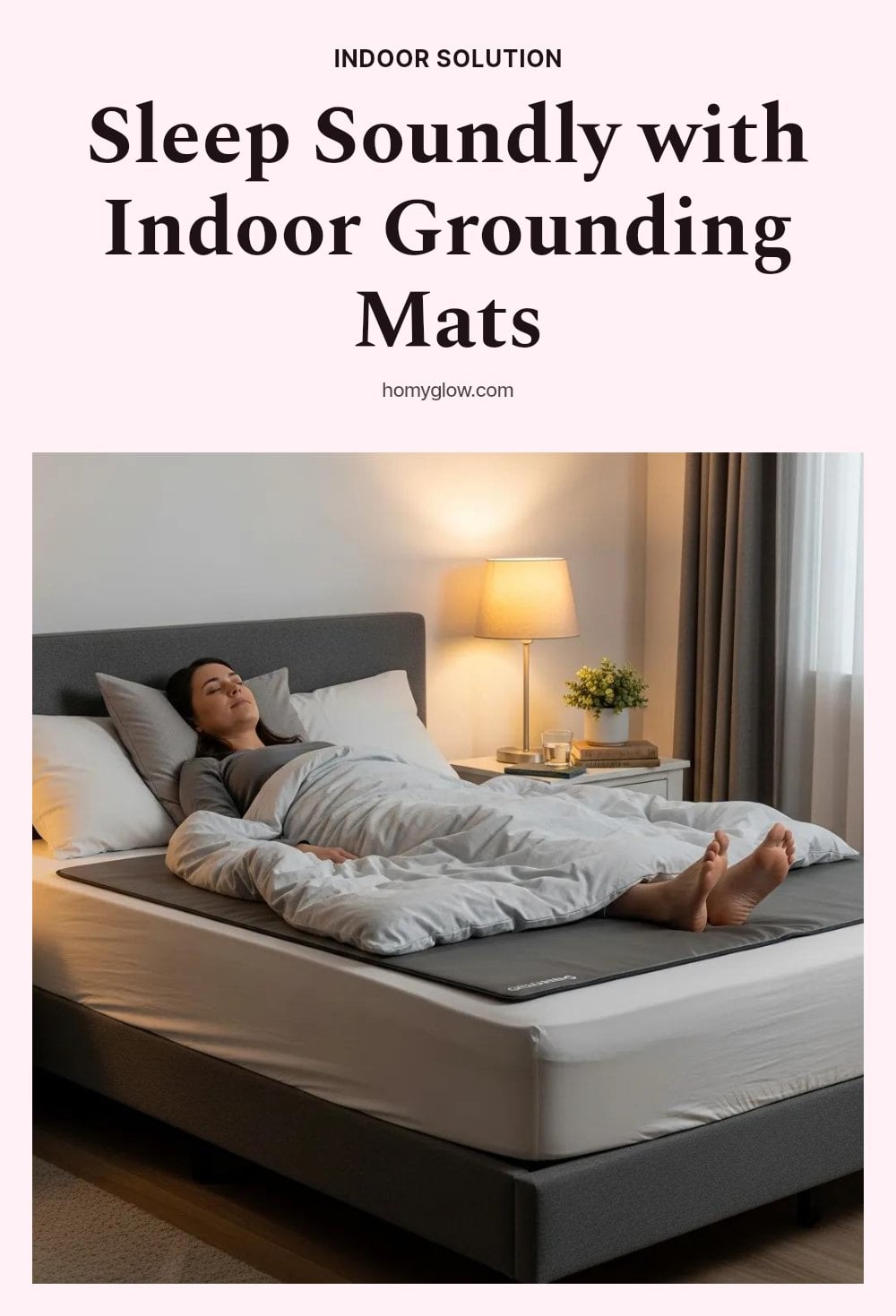
When you can’t get outside, indoor grounding products can help you stay connected. These tools are designed to mimic the Earth’s charge by plugging into a grounded outlet in your home.
- Grounding mats: These are placed on the floor and you rest your bare feet on them while sitting or standing. They’re great for use at a desk or while watching TV.
- Grounding sheets: These fit on your bed like a regular fitted sheet, so you’re in contact with them all night. Many people find this helps them sleep more soundly.
- Grounding patches: These small adhesive patches stick to your skin, often on your wrist or ankle, and connect to a grounding cord. They’re convenient for targeted use.
Caution: For any indoor product, you must ensure it’s properly connected to a grounded outlet. If you’re not sure, have an electrician check your outlet. Misconnection can mean no benefit or, worse, an electrical hazard.
Common Grounding Mistakes to Avoid
Thinking shoes count: Direct skin contact is essential. Shoes, even thin-soled ones, block the electrical connection. You need bare feet, hands, or skin touching the ground.
Expecting a cure: Grounding is a complementary wellness practice, not a substitute for medical care. It may help with relaxation or sleep, but it won’t cure serious conditions. Always follow your doctor’s advice for any medical issues.
Skipping surface checks: Always inspect outdoor areas for sharp objects, glass, or contaminants like pesticides before sitting or walking barefoot. A quick scan can prevent injury or irritation.
Misusing indoor products: Indoor grounding mats, sheets, or patches only work when properly connected to a grounded outlet. Follow the manufacturer’s instructions exactly. A loose connection means no grounding effect and could pose an electrical hazard.
Best Tips for a Successful Grounding Practice

Start small: If 30 minutes feels like a lot, begin with 10 to 15 minutes a day. Even a short barefoot walk on grass can be a good starting point.
Be consistent: Aim for at least 30 minutes daily when possible, but shorter sessions still offer value. A consistent daily practice, even if brief, often yields better results than sporadic long sessions.
Be patient: Benefits like better sleep or reduced stress are often subtle and build up over weeks, not days. Don’t expect immediate results.
Pair it up: My tip: combine grounding with another calming activity. Sit on the ground while meditating, or practice deep breathing during a barefoot walk. The dual effect can make both practices more enjoyable.
How Long and How Often to Practice Grounding
Aim for at least 30 minutes of direct skin contact with the Earth each day. If that’s not possible, even 10-15 minute sessions can still help. Consistency over time is more important than occasional long sessions.
Outdoor grounding costs nothing. Indoor grounding products are a one-time purchase; their price varies based on type and quality. Once you have a mat or sheet, there are no ongoing fees.
When to Consult a Healthcare Professional
If you have any existing medical conditions, talk to your doctor before starting grounding. Do not use it as a replacement for prescribed treatments or medications.
Stop grounding and seek professional advice if you experience unusual symptoms, pain, or discomfort during the practice. Your health and safety come first.
Frequently Asked Questions
Can I ground indoors without special products?
Indoor grounding typically requires special products like mats or sheets that plug into a grounded outlet. However, you can also ground by touching unsealed concrete on the ground, such as in a basement or garage, if it’s safe and clean. For most indoor spaces, products are the easiest way to maintain the connection.
Is grounding safe for everyone?
Grounding is generally safe for most people, but if you have a medical condition, are pregnant, or have concerns, talk to your doctor first. Avoid grounding during lightning storms, and always check the surface for hazards like sharp objects or chemicals. Stop if you feel any discomfort and seek professional advice.
What surfaces are best for grounding?
The best surfaces are natural ones like grass, sand, soil, and unsealed concrete that is on the ground. Water, such as oceans, lakes, or rivers, also works. Avoid asphalt, wood, vinyl, and synthetic carpeting because they are not conductive and won’t provide the connection.
Can grounding help with chronic pain?
Some proponents suggest grounding may reduce inflammation, which could help with chronic pain, but scientific evidence is limited. Many people report subtle improvements, but grounding is not a treatment for any condition. If you have chronic pain, consult a healthcare professional and use grounding only as a complementary practice.
What is grounding or earthing?
Grounding, also called earthing, is the practice of making direct skin contact with the Earth’s surface, such as walking barefoot on grass or lying on sand. The theory is that the Earth’s negative charge can transfer to your body, potentially offering health benefits. It’s a simple, natural way to reconnect with the environment.
Final Thoughts
Start with a simple barefoot walk on clean grass for 10 to 15 minutes a day, and gradually work up to 30 minutes if you can. Grounding is a complementary practice, not a cure, so keep your expectations realistic and enjoy the time spent in nature. If you have any health concerns, talk to your healthcare provider first. Give it a few weeks of consistent practice, and you may notice a subtle sense of calm or better sleep.
This article is for general information only and is not medical advice. Grounding is a complementary wellness practice and should not replace professional medical care. If you have a health condition or experience any unusual symptoms, consult a doctor or other qualified healthcare provider before starting or continuing any wellness practice.