You’ve probably heard that fats are good for you, but figuring out which ones to eat every day can feel confusing. The truth is, healthy fats are essential for your body, from hormone production to absorbing vitamins, and choosing the right sources makes all the difference. In this article, I’ll walk you through the best healthy fats to include daily, how to use them, and common pitfalls to avoid, so you can feel confident building balanced meals.
Key Takeaways
- Include a source of healthy fat, like avocado or olive oil, with each meal.
- Eat fatty fish like salmon or mackerel at least twice a week for omega-3s.
- Choose whole food fats over processed options to avoid trans fats and added sugars.
- Diversify your fat sources: nuts, seeds, avocados, and olive oil all offer unique benefits.
- Use extra virgin olive oil for dressings and low-heat cooking to preserve its antioxidants.
What Are Healthy Fats and Why Do You Need Them?
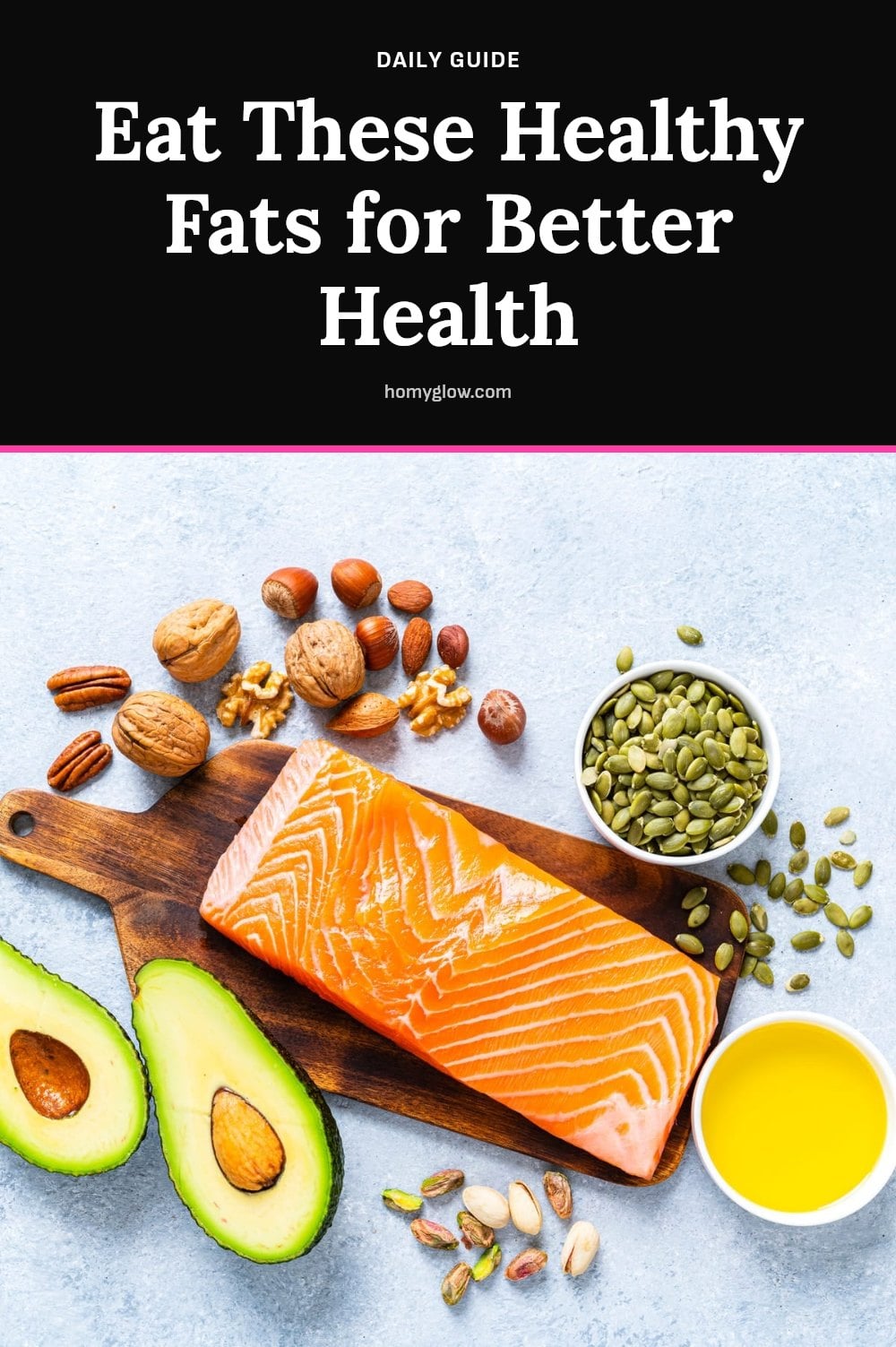
Healthy fats are essential for your body’s everyday functions, including hormone production, nutrient absorption, and cell structure. They come in two main types: monounsaturated and polyunsaturated fats, found in whole foods like avocados, nuts, seeds, and fatty fish. These fats help you absorb fat-soluble vitamins A, D, E, and K, and the omega-3s in polyunsaturated fats can help reduce inflammation. Including them in your diet supports heart and brain health.
Comparing Healthy Fats: MUFAs, PUFAs, and Saturated Fats
Not all fats are the same, so it helps to know the main categories.
| Fat Type | Main Sources | Health Note |
|---|---|---|
| Monounsaturated (MUFAs) | Avocados, nuts, olive oil | Heart-healthy, helps reduce bad cholesterol |
| Polyunsaturated (PUFAs) | Omega-3s: fatty fish, flaxseeds, walnuts; Omega-6s: vegetable oils, nuts | Omega-3s reduce inflammation; balance with omega-6s |
| Saturated | Red meat, butter, full-fat dairy | Use in moderation |
| Trans Fats | Processed foods, some fried items | Avoid completely |
Focus on MUFAs and PUFAs from whole foods, limit saturated fats, and skip trans fats entirely.
1. Avocados: Your Creamy Source of Goodness

Avocados are packed with monounsaturated fats, fiber, and potassium, making them a creamy addition to almost any meal. Slice them onto salads, mash them into sandwiches, or spread them on toast for a quick boost. My tip: Mash half an avocado with a squeeze of lime and a pinch of salt for a simple, healthy snack that takes seconds to prepare.
2. Olive Oil: The Mediterranean Diet Staple
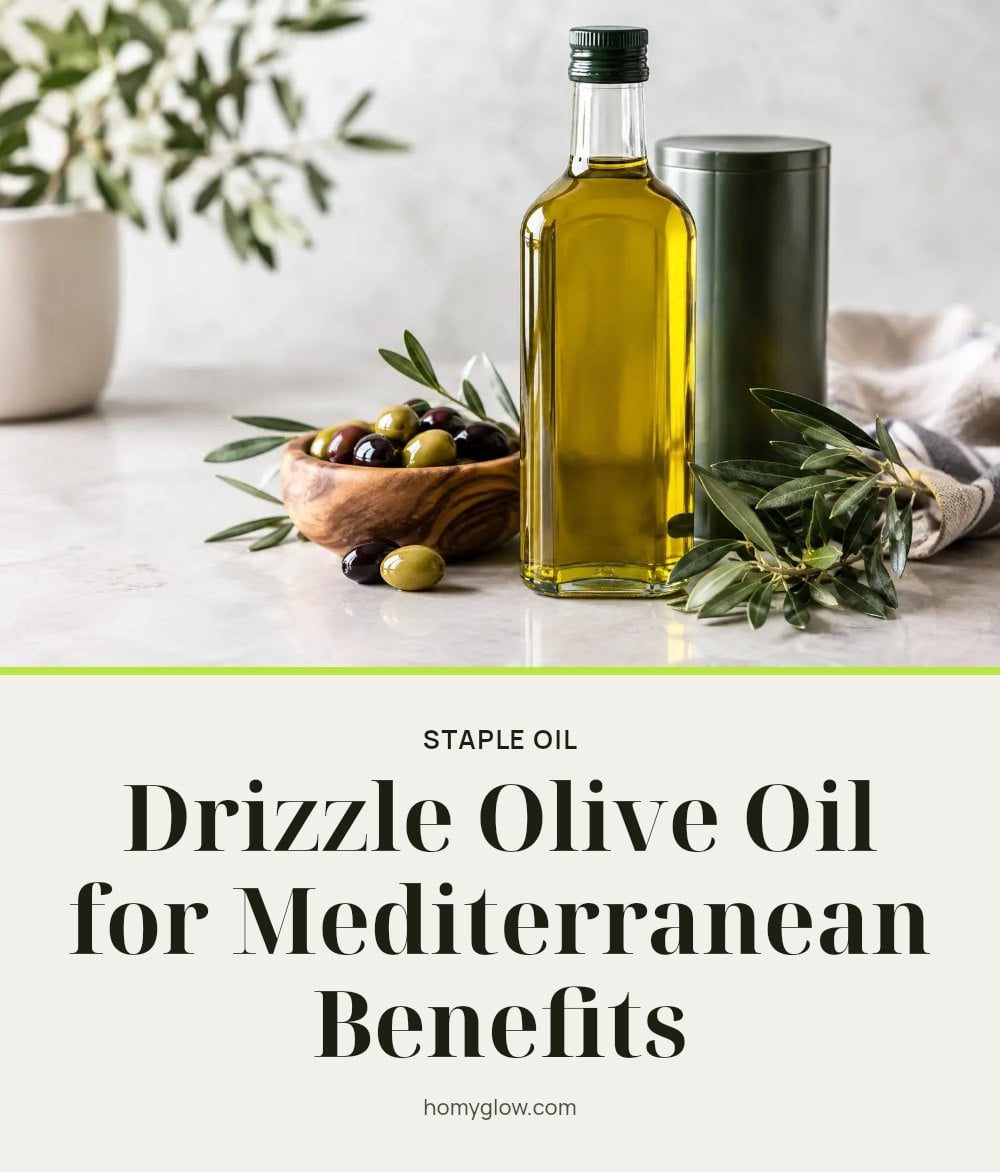
Extra virgin olive oil (EVOO) is rich in monounsaturated fats and antioxidants, which support heart health. It works best for salad dressings and low-heat cooking, since high heat can damage its beneficial compounds. My tip: Drizzle EVOO over roasted vegetables or whisk it with vinegar and herbs for a quick homemade vinaigrette.
3. Fatty Fish: Omega-3 Powerhouses

Fatty fish like salmon and mackerel are some of the best sources of omega-3 fatty acids, specifically EPA and DHA. These omega-3s are known for their anti-inflammatory properties, which can support heart and brain health. Aim to eat fatty fish at least twice a week to get these benefits. Canned sardines or salmon patties are easy options if fresh fish isn’t always available.
4. Nuts and Seeds: Crunchy, Nutrient-Dense Options
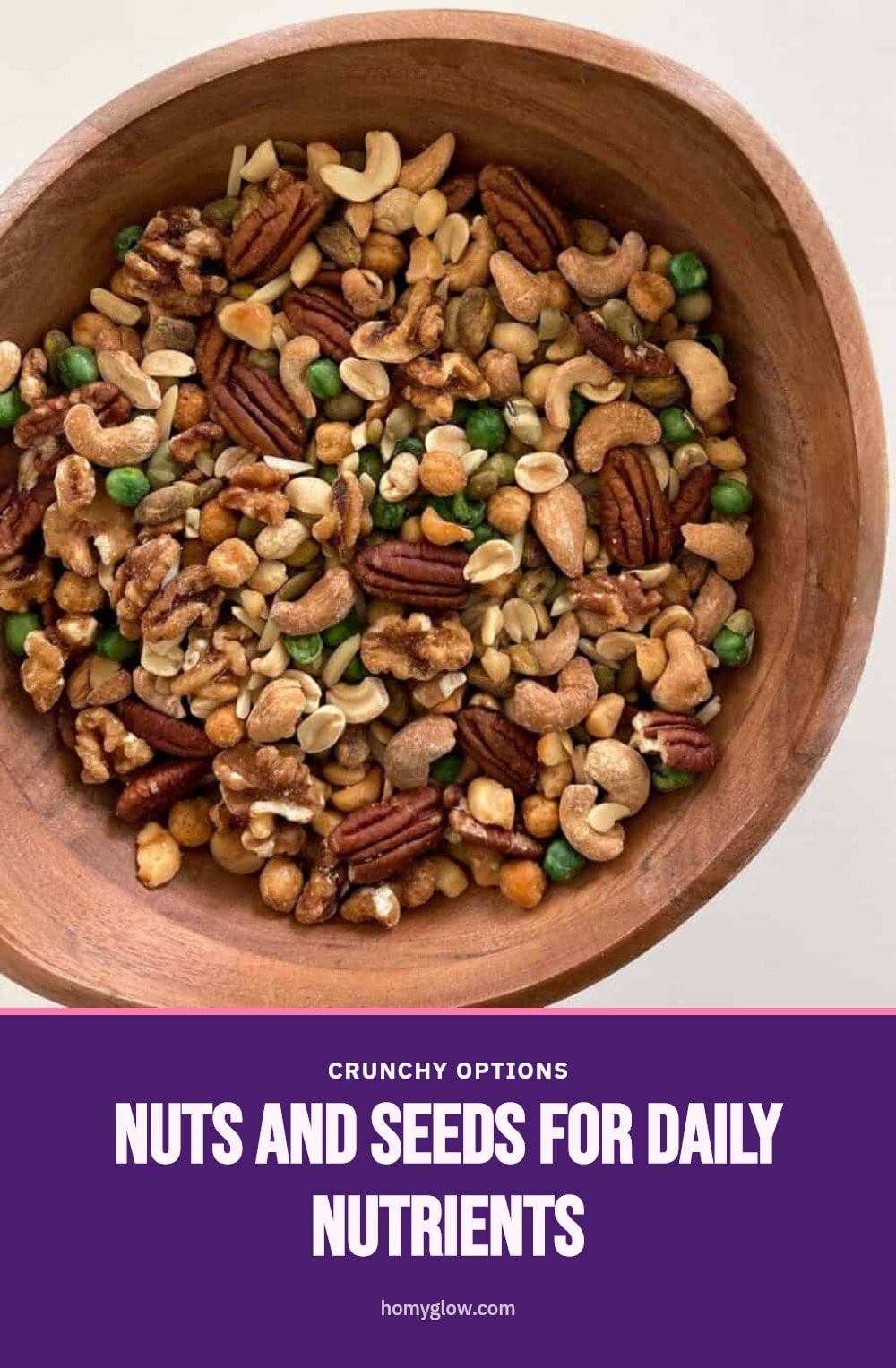
Nuts and seeds are crunchy, nutrient-dense options that provide healthy fats, protein, and fiber all at once. Walnuts and flaxseeds are particularly good sources of plant-based omega-3s. Almonds, chia seeds, and hemp seeds are also great choices. Tip: Sprinkle a handful of mixed nuts and seeds over your oatmeal or yogurt for an easy boost of healthy fats and texture.
Common Mistakes When Incorporating Healthy Fats
Believing all fat is bad: Don’t eliminate all fats. Distinguish between healthy unsaturated fats and unhealthy trans fats or excess saturated fats. Over-relying on one source: Diversify your fat intake. Relying only on olive oil means you miss the omega-3s from fish or the fiber from avocados. Consuming ‘low-fat’ processed foods: These often contain added sugars and refined carbs. Choose whole food sources like nuts, seeds, and fish instead. Using inappropriate cooking oils: Match your oil to its smoke point. Use extra virgin olive oil for dressings and low-heat cooking, not for high-heat frying.
Top Tips for Integrating Healthy Fats Daily
Include a source with each meal: Make it a habit to add a healthy fat, like avocado slices or a drizzle of olive oil, to every meal. Choose whole food sources: Prioritize fats from whole foods over processed options. Balance Omega-3 and Omega-6: Both are essential, but be mindful if you consume a lot of omega-6 rich vegetable oils (like soybean or corn oil) while your omega-3 intake is low. Mind portion sizes: Even healthy fats are calorie-dense, so enjoy them in moderation. A small handful of nuts or a tablespoon of oil goes a long way.
When to Consult a Healthcare Professional
If you have specific health conditions like heart disease or high cholesterol, consult a healthcare professional or registered dietitian for personalized dietary advice. They can help you tailor your fat intake to your needs without risking complications.
If you suspect allergies to nuts, seeds, or fish, seek medical guidance before incorporating these foods into your diet. A doctor can confirm the allergy and suggest safe alternatives.
For any significant dietary changes, especially concerning chronic health issues, professional advice is always recommended. A registered dietitian can help you adjust your eating pattern safely while still meeting your nutrition goals.
Frequently Asked Questions
What is the difference between saturated and unsaturated fats?
Saturated fats, found in red meat, butter, and full-fat dairy, should be eaten in moderation because they can raise bad cholesterol levels. Unsaturated fats, including monounsaturated and polyunsaturated fats, are considered heart-healthy and are found in foods like avocados, nuts, and fatty fish. Aim to replace saturated fats with unsaturated ones where possible.
Can I get enough healthy fats from a vegetarian diet?
Yes, you can get healthy fats from plant-based sources like avocados, nuts, seeds, and olive oil. For omega-3s, include flaxseeds, chia seeds, and walnuts, though these provide ALA, which your body converts to EPA and DHA less efficiently than fish. If you’re concerned about omega-3 levels, consider talking to a dietitian about algae-based supplements.
How much healthy fat should I eat daily?
There’s no one-size-fits-all amount, but general guidance suggests fats should make up about 20 to 35 percent of your daily calories. Since fats are calorie-dense, it’s easy to overdo it, so focus on adding a source to each meal rather than measuring exact grams. For personalized advice, especially if you have health conditions, consult a healthcare professional.
Are all omega-3 supplements equally effective?
Not all omega-3 supplements are the same. Fish oil supplements contain EPA and DHA, which are directly used by your body, while plant-based options like flaxseed oil provide ALA that needs conversion. The effectiveness can also depend on the quality and concentration of the supplement. For specific recommendations, it’s best to talk to a doctor or pharmacist.
Final Thoughts
To get the most from healthy fats, start by adding one or two of these foods to your daily routine. My tip: swap your usual cooking oil for extra virgin olive oil and keep a handful of mixed nuts in your bag for a quick snack. With consistent consumption, you may notice benefits like improved energy and better nutrient absorption over several weeks to months. Remember, balance is key, so enjoy these fats as part of a varied diet.
This article is for general informational purposes only and is not a substitute for professional medical advice. Always consult a healthcare provider or registered dietitian before making significant dietary changes, especially if you have existing health conditions or concerns. If you experience any adverse reactions, seek medical attention promptly.