If you’re looking to feel fuller longer, support your muscles, or manage your weight, a high protein diet might be a good fit. It simply means eating more protein than the standard recommendation, and the right approach can make a real difference in your daily energy and body composition. This article covers how to start a high protein diet with practical steps, common mistakes, and what to expect along the way.
Key Takeaways
- Aim for 1.2 to 2.2 grams of protein per kilogram of body weight daily for weight loss or muscle gain.
- Include a lean protein source at every meal and snack to stay full and support muscle repair.
- Distribute protein evenly throughout the day, starting with a high-protein breakfast.
- Pair protein with fiber-rich vegetables and whole grains for balanced nutrition.
- Stay well-hydrated, especially when increasing protein intake, to support kidney function.
What is a High Protein Diet and Why Should You Try It?
A high protein diet means you’re eating more protein than the standard recommendation of 0.8 grams per kilogram of body weight per day. For weight management, it can help because protein increases feelings of fullness and the body burns more calories digesting it compared to carbs or fats. It also helps preserve muscle mass when you’re cutting calories, which is key for a toned look. If you’re active, the extra protein supports muscle repair and growth after workouts.
Essential Foods for Your High Protein Diet
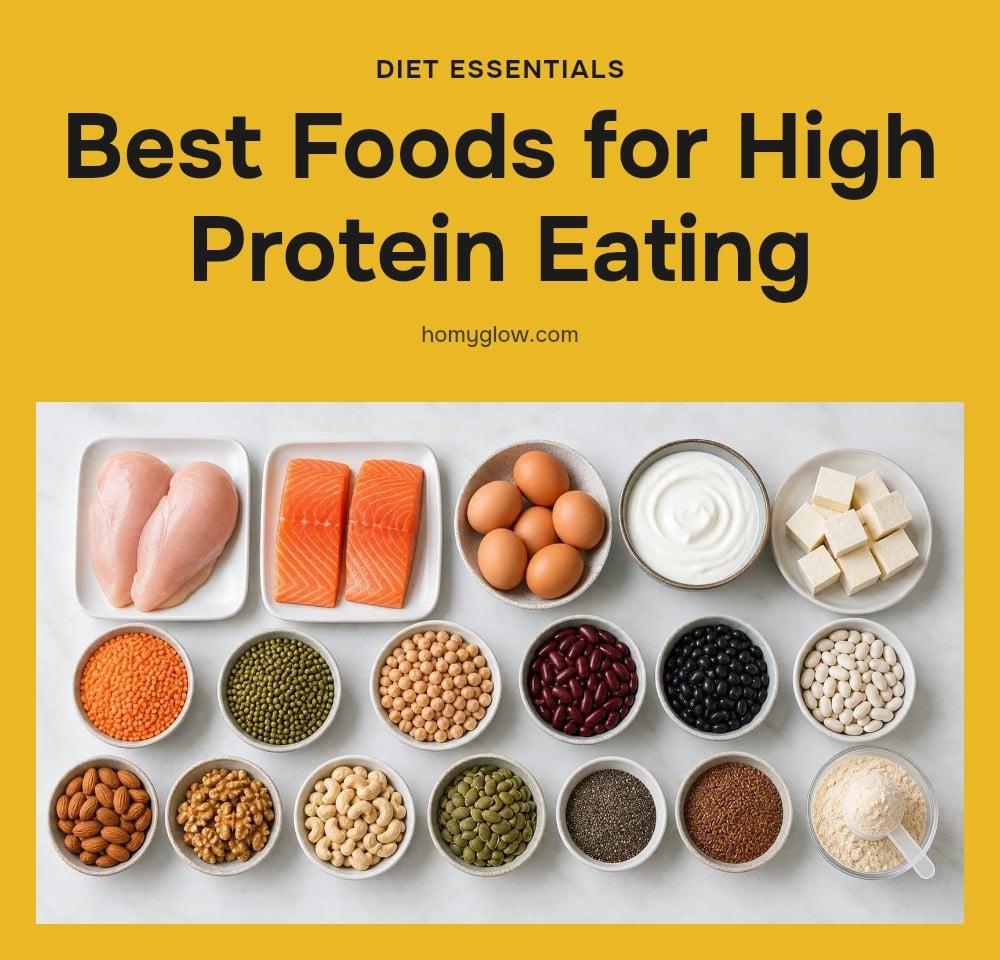
Start by stocking your kitchen with these protein-rich foods:
- Lean meats and fish: Chicken breast, turkey, salmon, tuna, cod, and eggs.
- Dairy and eggs: Greek yogurt, cottage cheese, and milk.
- Legumes and soy: Lentils, beans, chickpeas, tofu, tempeh, and edamame.
- Nuts, seeds, and grains: Almonds, walnuts, chia seeds, and quinoa.
Don’t forget fruits, vegetables, and whole grains for fiber and micronutrients. Protein powder can be a convenient supplement, but it shouldn’t replace whole food sources.
How to Incorporate More Protein into Your Daily Meals
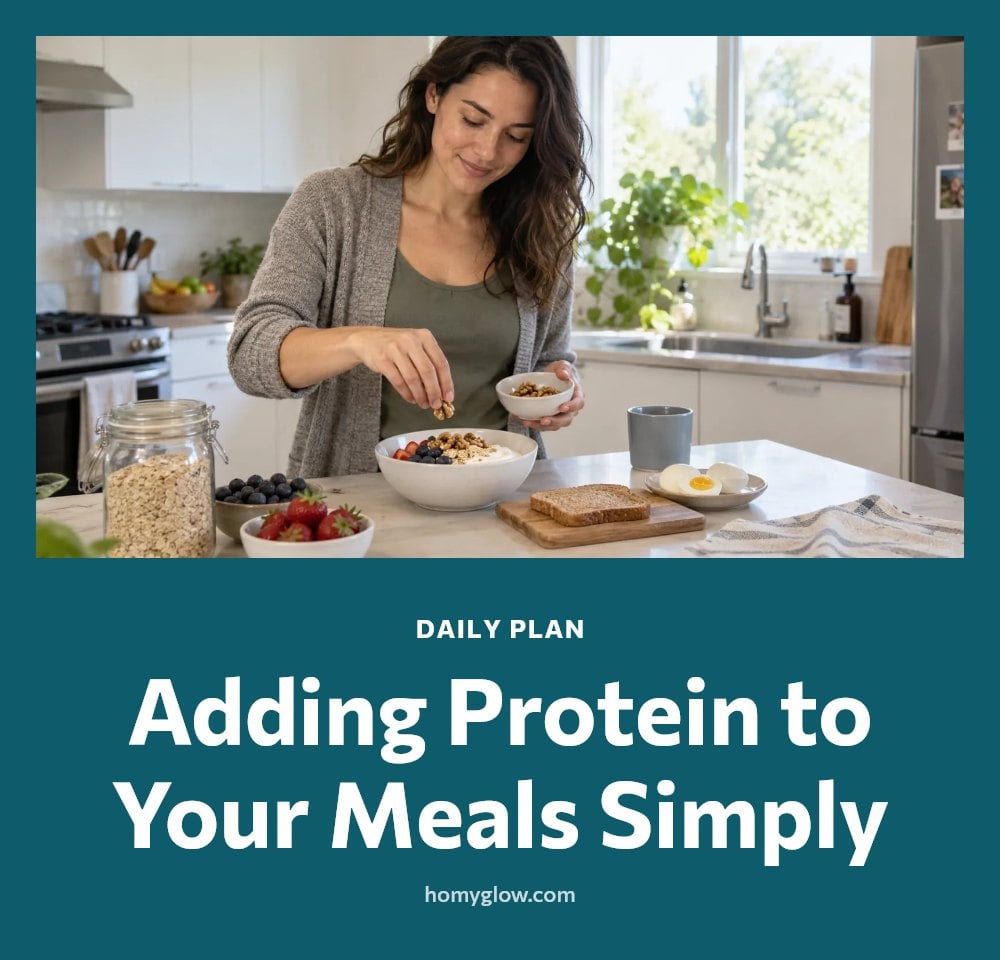
Here’s how to work more protein into your day without overthinking it.
- Calculate your target: For weight loss or muscle gain, aim for 1.2 to 2.2 grams of protein per kilogram of body weight daily. Start at the lower end and adjust based on your activity level.
- Plan protein at every meal and snack: Include a lean source like eggs at breakfast, chicken at lunch, Greek yogurt as a snack, and fish at dinner.
- Spread it out: Distribute protein evenly across meals. Your body uses it more efficiently for muscle repair when you eat 20-30 grams per meal rather than loading up at dinner.
- Choose whole foods first: Prioritize chicken, fish, eggs, legumes, and dairy over protein bars or shakes. Whole foods provide additional nutrients.
- Pair with fiber: Combine protein with vegetables or whole grains. For example, add chickpeas to a salad or top quinoa with grilled chicken. Fiber helps digestion and keeps you full.
- Stay hydrated: Higher protein intake increases your fluid needs. Drink water throughout the day to support kidney function and prevent constipation.
Common High Protein Diet Mistakes to Avoid
Even with good intentions, it’s easy to slip into these habits. Here’s what to watch for:
- Skipping protein at breakfast: Starting your day with protein boosts satiety and helps you avoid mid-morning cravings. Add eggs, Greek yogurt, or a protein smoothie.
- Relying only on meat and dairy: Diversify with plant-based proteins like lentils, tofu, and quinoa. They offer fiber and phytonutrients you won’t get from animal sources.
- Not drinking enough water: Your kidneys need extra fluid to process protein. Increase your water intake as you increase protein, and drink more if you’re active or live in a hot climate.
- Assuming all protein is equal: Processed meats like bacon and sausage are high in sodium and unhealthy fats. Choose lean, unprocessed options.
- Cutting out entire food groups: A high-protein diet still needs carbs, fats, and fiber. Don’t eliminate fruits, vegetables, or whole grains.
- Ignoring your activity level: Your protein needs change with exercise. Aim for a consistent daily intake that supports your overall activity level and goals, and adjust gradually if your routine changes.
Smart Tips for Maximizing Your Protein Intake
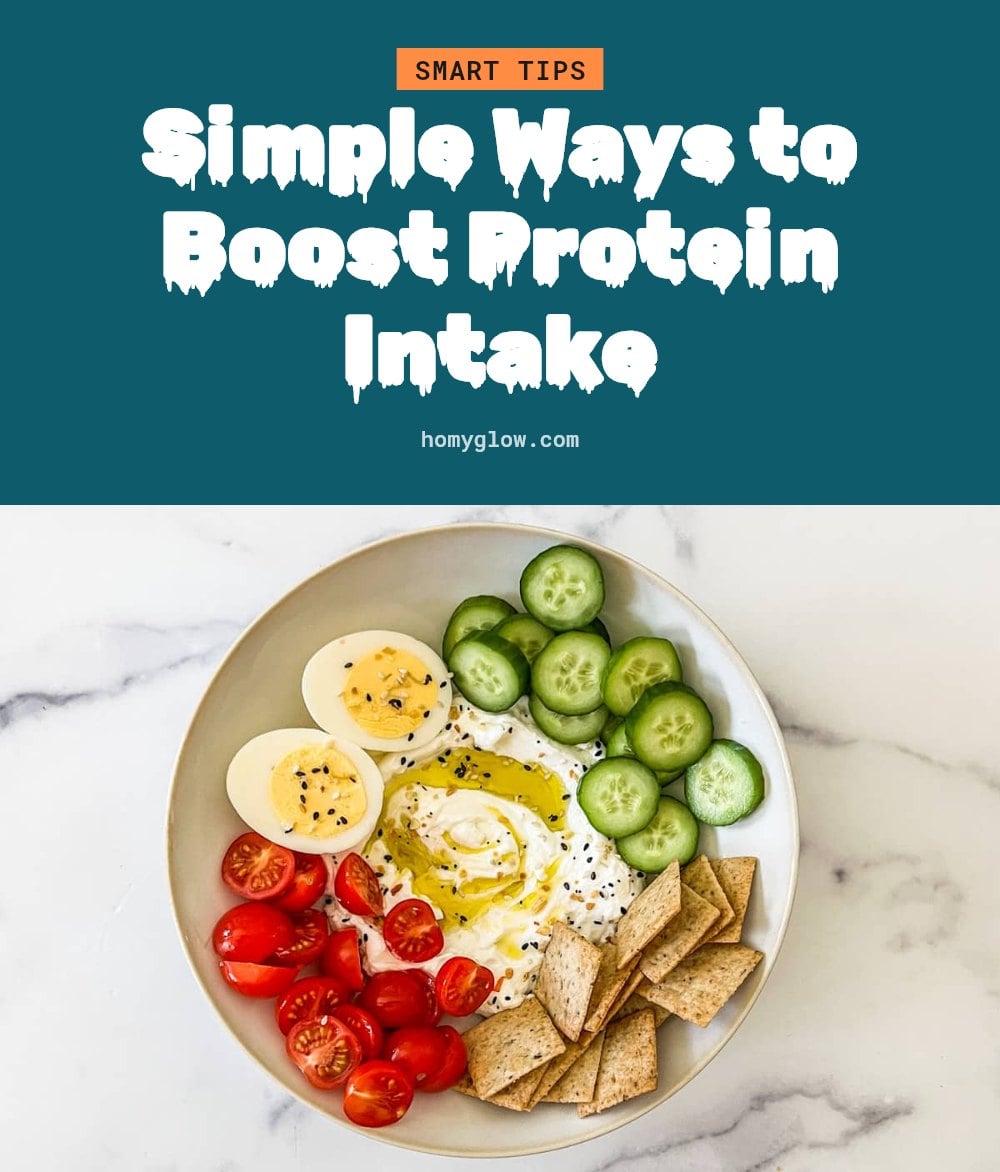
To make your high protein diet easier, start with meal prep. Cook chicken breasts or lentils in bulk on the weekend, then add them to salads, bowls, or wraps all week. For snacks, keep hard-boiled eggs, single-serving Greek yogurt cups, or a small bag of almonds in your bag or desk.
Boost your morning smoothie by adding a scoop of protein powder, a dollop of Greek yogurt, or a tablespoon of nut butter. This turns a quick breakfast into a protein-packed start. Experiment with new recipes like lentil soup, tofu stir-fry, or chickpea curries to keep meals interesting. My tip: Listen to your body. If you feel overly full or sluggish, adjust your portion sizes or timing. Protein needs vary, so trust your hunger cues.
What to Expect: Timeline and Cost Considerations
Within days to weeks of consistent protein intake, you may notice increased satiety and quicker muscle recovery after workouts. Significant changes in body composition, like losing fat or gaining lean mass, usually take several weeks to months of steady effort.
Cost varies depending on your choices. Budget-friendly options include eggs, legumes, and bulk chicken breasts. Premium cuts of meat or specialized protein supplements cost more. Tip: Prioritize plant-based proteins like lentils and beans, and buy lean meats in bulk to keep costs down without sacrificing quality.
When to Consult a Healthcare Professional
Before starting a high-protein diet, consult a healthcare professional or registered dietitian if you have pre-existing kidney disease or any underlying health condition. Also seek medical advice if you experience persistent symptoms like dehydration, constipation, or digestive upset after increasing protein.
Caution: Making significant dietary changes without professional guidance can be risky, especially if you take medications or have chronic health issues. A professional can help you set safe, effective protein targets tailored to your needs.
Frequently Asked Questions
Can I get enough protein from plant-based sources?
Yes, absolutely. Lentils, beans, chickpeas, tofu, tempeh, edamame, quinoa, and nuts are excellent plant-based protein sources. Combining different plant proteins throughout the day can help you meet your needs without relying on animal products. Many women find that a mix of legumes, soy, and whole grains provides complete protein.
What are the best high-protein snacks?
Hard-boiled eggs, single-serving Greek yogurt cups, cottage cheese, a small handful of almonds, or a protein smoothie are convenient options. You can also try edamame, a turkey roll-up, or a lentil-based salad. Keep these on hand for quick, satisfying snacks that support your daily protein goals.
How quickly will I see results from a high-protein diet?
You may notice increased satiety and quicker muscle recovery within days to weeks. Significant changes in body composition, such as losing fat or gaining lean mass, usually take several weeks to months of consistent effort. Results depend on your starting point, activity level, and overall diet quality.
How much protein should a woman eat daily?
The general recommendation for healthy adults is 0.8 grams per kilogram of body weight per day. For weight loss or muscle gain, many women aim for 1.2 to 2.2 grams per kilogram daily. Start at the lower end of that range and adjust based on your activity level and how you feel. A healthcare professional can help personalize your target.
Final Thoughts
My tip: Start by adding a serving of lean protein to your breakfast, like eggs or Greek yogurt, and build from there. Realistic expectations matter, increased satiety and better muscle recovery can show up within days, but noticeable body composition changes typically take several weeks to months of consistent effort. Stick with whole food sources, stay hydrated, and adjust your intake based on your activity level for the best results.
This article is for general informational purposes only and does not constitute medical or dietary advice. Always consult a healthcare professional or registered dietitian before making significant changes to your diet, especially if you have pre-existing health conditions like kidney disease. Individual protein needs vary, and professional guidance can help you determine the safest approach for your situation.