You know when your energy dips, your mood swings, or your sleep feels off, and you wonder if your hormones are to blame? You’re not alone, and the good news is that small, natural shifts in your daily routine can help your body find its own balance. This article covers the key lifestyle changes, from sleep and stress to diet and movement, that support healthy hormone function without needing a complete life overhaul.

Key Takeaways
- Prioritize sleep: Aim for 7-9 hours nightly to support melatonin and growth hormone regulation.
- Manage stress daily: Chronic stress elevates cortisol, which can disrupt estrogen and progesterone levels.
- Eat whole foods: A diet rich in fiber, healthy fats, and lean proteins supports your endocrine system.
- Move moderately: Regular, moderate exercise improves insulin sensitivity and helps manage stress.
- Reduce EDC exposure: Choose organic produce and avoid BPA plastics to limit endocrine-disrupting chemicals.
Understanding Your Hormones and Why Balance Matters
Hormones are chemical messengers produced by your endocrine glands. They travel through your bloodstream to tell organs and tissues what to do, influencing everything from your metabolism and mood to your sleep and reproductive cycle. When they’re in balance, your body functions smoothly. Lifestyle adjustments, particularly in diet, stress management, sleep, and physical activity, can support your body’s natural ability to keep hormones regulated. It’s not about fixing a deficiency but creating an environment where your own systems work well.
Why Hormonal Imbalances Occur
Why Hormonal Imbalances Occur
Several everyday factors can throw your hormones off track. Chronic stress is a big one. It keeps cortisol elevated, which can then disrupt estrogen and progesterone levels. Poor sleep also interferes with melatonin and growth hormone production, throwing off your whole daily rhythm.
Diet matters too. A diet high in processed foods and refined sugars can impair endocrine function, making it harder for your body to regulate hormones. Exposure to endocrine-disrupting chemicals (EDCs) found in some plastics, pesticides, and personal care products can also interfere with normal hormone function.
Finally, weight plays a role. Both being underweight and overweight can disrupt hormone production, especially estrogen. Addressing these areas through lifestyle changes can help your body find its natural balance.
Step-by-Step: Supporting Your Hormonal Health Naturally

Supporting your hormonal health doesn’t require a complete life overhaul. Small, consistent steps make a real difference over time. Here’s a straightforward routine to start with.
- Prioritize sleep: Aim for 7-9 hours of quality sleep each night. Your body produces and regulates key hormones like melatonin and growth hormone during deep sleep. Keep your bedroom cool, dark, and quiet.
- Manage stress daily: Chronic stress keeps cortisol high, which can disrupt other hormones. Incorporate a short stress-management practice each day, even 5-10 minutes of deep breathing, a walk, or gentle yoga can lower cortisol levels.
- Eat a whole-foods diet: Focus on fiber-rich vegetables, fruits, whole grains, lean proteins (fish, chicken, beans), and healthy fats (avocado, nuts, seeds, olive oil). This combination provides the nutrients your endocrine system needs to function properly.
- Move your body regularly: Moderate physical activity, like brisk walking, cycling, or swimming, improves insulin sensitivity and helps manage stress. Aim for 30 minutes most days. Avoid over-exercising, which can stress the body and disrupt hormones.
- Stay hydrated: Drink plenty of water throughout the day. Proper hydration supports every bodily process, including hormone transport and detoxification.
- Reduce EDC exposure: Choose glass or stainless steel containers instead of plastic when possible. Wash fruits and vegetables well, and consider buying organic for the “dirty dozen” produce items to lower pesticide intake.
Essential Tools and Habits for Hormonal Harmony
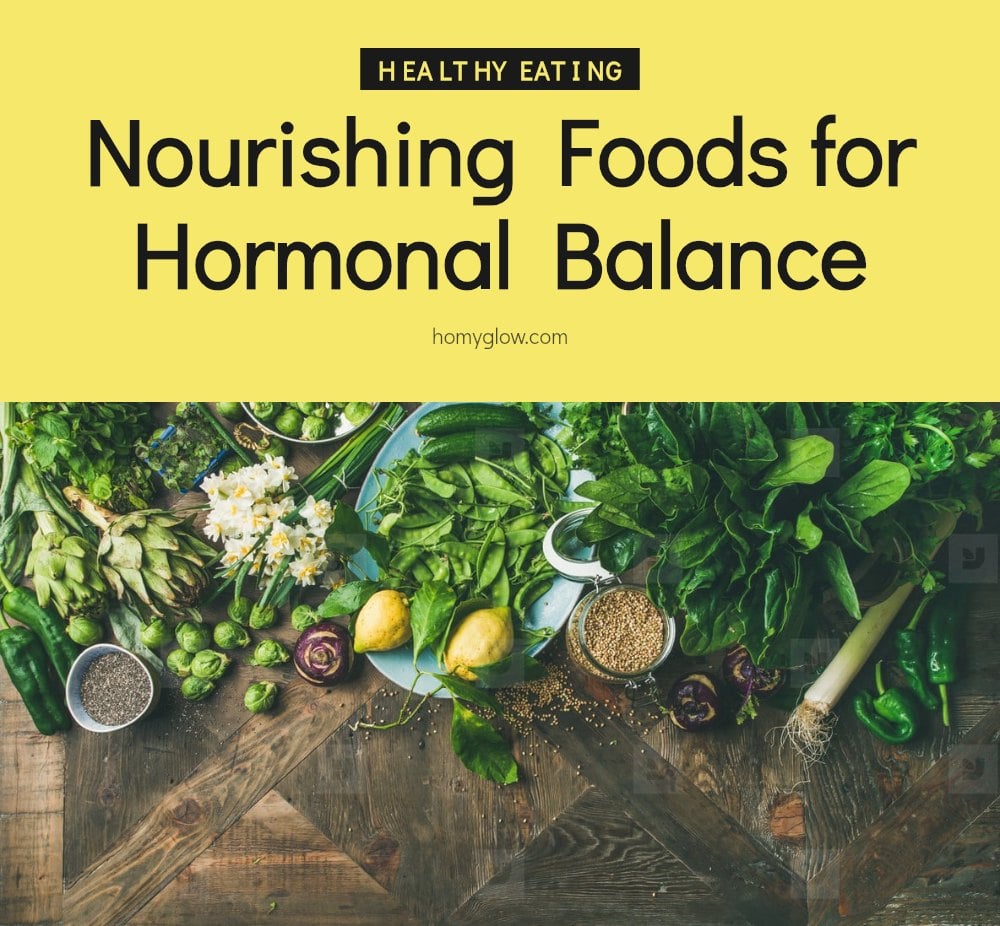
You don’t need a lot of fancy gear to support your hormones. Focus on these basics.
- Whole foods: Fruits, vegetables, and whole grains provide fiber and nutrients your endocrine system needs.
- Lean proteins: Fish, chicken, beans, and lentils supply amino acids that are building blocks for hormones.
- Healthy fats: Avocado, nuts, seeds, and olive oil deliver omega-3s and other fats that are precursors to hormones and support cell health.
- Water: Essential for hydration and helping your body flush out toxins and excess hormones.
- Journal: A simple notebook for tracking symptoms and jotting down stress triggers can help you notice patterns and manage stress.
- Yoga mat: Useful for both gentle exercise and relaxation practices like stretching or meditation.
Common Mistakes When Trying to Balance Hormones
Relying on a single supplement: No pill can fix a complex hormonal imbalance on its own. Supplements may help, but only when paired with consistent sleep, stress management, and a balanced diet. Ignoring chronic stress: Stress is a primary disruptor. If you focus only on diet and ignore daily stress, your cortisol stays high and undermines everything else. Underestimating sleep’s impact: Skimping on sleep disrupts melatonin and growth hormone production. Without 7-9 hours, your body can’t regulate hormones properly. Self-diagnosing symptoms: Assuming every mood swing or fatigue is hormonal without a doctor’s input can delay proper treatment. Over-exercising: Too much intense exercise stresses the body and can raise cortisol, backfiring on your goals. Moderate movement is better.
Best Tips for Long-Term Hormonal Support
Listen to your body: Notice how you feel after meals, workouts, or stressful days. Your energy, mood, and sleep patterns give real clues. Prioritize consistency: Small daily habits matter more than a perfect week. A 20-minute walk and an early bedtime every day beat a two-hour workout once. Eat mindfully: Choose nutrient-dense foods most of the time and cut back on processed items, refined sugars, and unhealthy fats. Include fiber: Fiber helps your body excrete excess hormones and supports gut health. Aim for vegetables, fruits, and whole grains at every meal. Choose organic wisely: Focus on organic produce for the ‘dirty dozen’ items like strawberries and spinach to reduce pesticide exposure. Embrace healthy fats: Omega-3s from fish, flaxseeds, and walnuts are building blocks for hormones. My tip: add a handful of walnuts to your oatmeal.
Expected Timeline and Investment for Lifestyle Changes
Timeline: You may notice small improvements in energy or mood within a few weeks, but lasting hormonal support takes consistent effort for months. Cost: The upfront investment is minimal. You’ll spend more on whole foods, and maybe a yoga mat or journal. Over time, this is an investment in your health that saves on other expenses. Frequency: Daily is the goal. Prioritize good sleep hygiene, stress management, balanced eating, and regular movement every day for best results.
When to See a Doctor About Hormonal Symptoms
Lifestyle changes support hormonal health, but they are not a replacement for medical care. See a doctor if you experience sudden or significant weight changes, severe fatigue, or persistent mood swings. Also seek help for irregular periods, heavy bleeding, or severe PMS that affects your daily life. If you’re trying to conceive and facing difficulties, professional guidance is important. When consistent lifestyle changes don’t ease your symptoms, a healthcare provider can run tests to identify the root cause. Always consult a professional before making major dietary changes or starting new supplements, especially if you have existing health conditions or take medication.
Frequently Asked Questions
How quickly can lifestyle changes impact hormones?
You may notice small improvements in energy or mood within a few weeks, but lasting hormonal support typically takes consistent effort over months. The timeline varies based on your starting point and how consistently you stick with the changes.
Can supplements really help balance hormones?
Supplements can support hormonal health, but they are not a quick fix. They work best when paired with consistent sleep, stress management, and a balanced diet. Always consult a healthcare professional before starting any supplement, especially if you have existing health conditions.
Is it normal to have some hormonal fluctuations?
Yes, it’s completely normal. Hormones naturally fluctuate throughout your menstrual cycle, the day, and your life stages. The goal isn’t to eliminate fluctuations but to support your body’s ability to regulate them, so you feel more stable and energized overall.
What are common signs of hormonal imbalance in women?
Common signs include irregular periods, heavy bleeding, severe PMS, persistent mood swings, sudden weight changes, severe fatigue, and sleep disruptions. If you experience any of these, it’s wise to consult a doctor, as they could indicate an underlying medical condition.
Does exercise always help with hormonal balance?
Moderate, regular exercise generally helps by improving insulin sensitivity and managing stress. However, over-exercising can stress the body and disrupt hormones, especially cortisol and reproductive hormones. Listen to your body and aim for balance, not extremes.
Final Thoughts
Start with one small habit, like a consistent bedtime or a 20-minute walk, and build from there. You may notice improvements in energy or mood within a few weeks, but lasting hormonal support takes months of consistent effort. Listen to your body, and if symptoms persist or worsen, don’t hesitate to see a doctor for guidance.
This article provides general information for educational purposes and is not a substitute for professional medical advice. Hormonal health is complex, and symptoms like sudden weight changes, irregular periods, or severe fatigue may require diagnosis by a doctor or endocrinologist. Always consult a healthcare professional before making significant lifestyle changes or starting new supplements.