If you are new to strength training or want to add something fresh to your home workouts, a kettlebell can be a great choice. That cast iron ball with a handle is more than just a weight, its offset center of mass challenges your stability and works multiple muscles at once. This article walks you through the basics, from picking the right weight to mastering the key moves, with safety tips to help you start off on the right foot.
Key Takeaways
- Start with a lighter kettlebell to master form before increasing weight.
- Use your hips and glutes for swings, not your arms.
- Keep your spine neutral and core engaged in every movement.
- Aim for 2-3 kettlebell workouts per week with rest days.
- Expect visible strength improvements within 4-6 weeks of consistent training.
What is a Kettlebell and Why Use It?
A kettlebell is a cast iron or steel ball with a handle on top, giving it an offset center of mass. That design makes it different from a dumbbell, the weight shifts during movement, so your stabilizing muscles have to work harder. This can improve cardiovascular fitness, strength, power, and flexibility all at once. It’s a versatile tool for full-body workouts, and you can get a lot done in a short time.
Essential Gear for Kettlebell Workouts
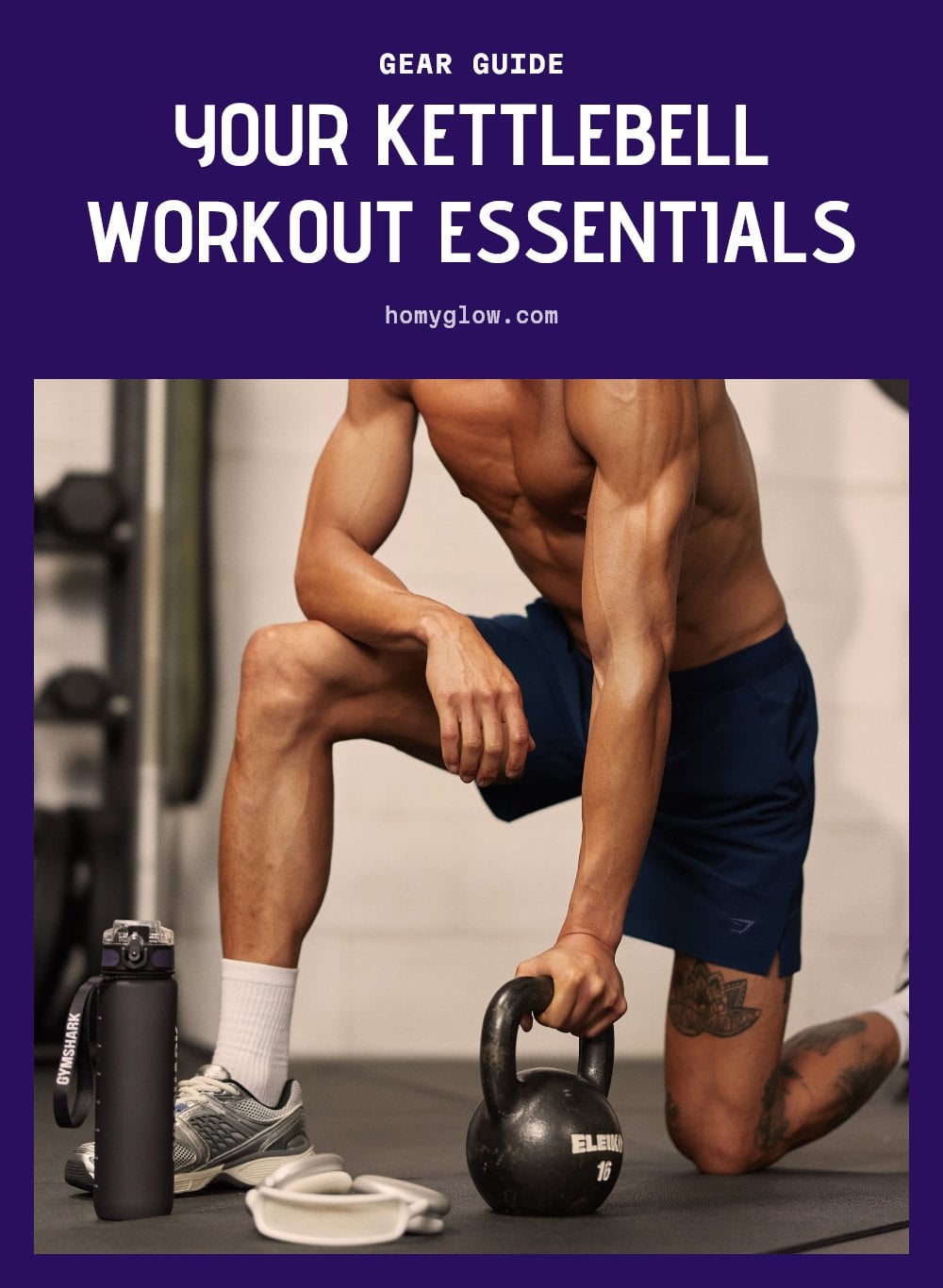
You don’t need much to start kettlebell training, but the right gear makes a difference.
- Kettlebell: For women, a good starting weight is 8kg (18 lbs) or 12kg (26 lbs). For men, 16kg (35 lbs) or 20kg (44 lbs). Start lighter to master form.
- Workout mat: Optional, but helpful for floor exercises and cushioning.
- Comfortable athletic clothing: Choose clothes that allow full range of motion.
- Supportive athletic shoes: Look for good grip and stability to handle dynamic movements.
Mastering Fundamental Kettlebell Movements
- Warm up thoroughly: Spend 5-10 minutes doing light cardio and dynamic stretches to prepare your muscles and joints for movement.
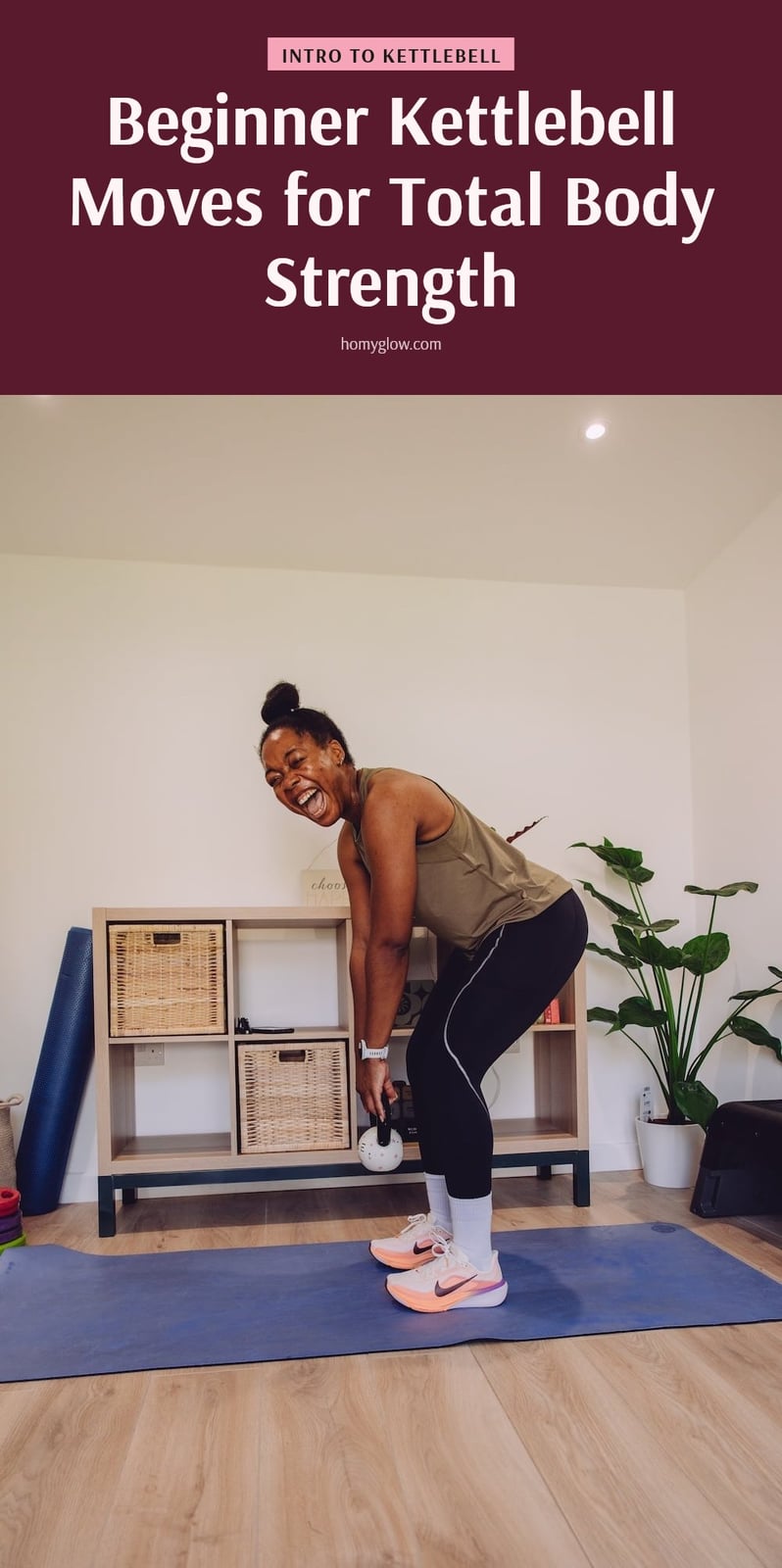
- Focus on the hip hinge: For swings and deadlifts, drive power from your hips and glutes, not your lower back. Keep your chest proud and push your hips back like you’re closing a car door.
- Maintain a neutral spine: Avoid rounding your back during deadlifts and swings. Keep your head in line with your spine and your shoulders down.
- Engage your core: Brace your abs as if you’re about to be punched. This stabilizes your body and protects your back throughout every exercise.
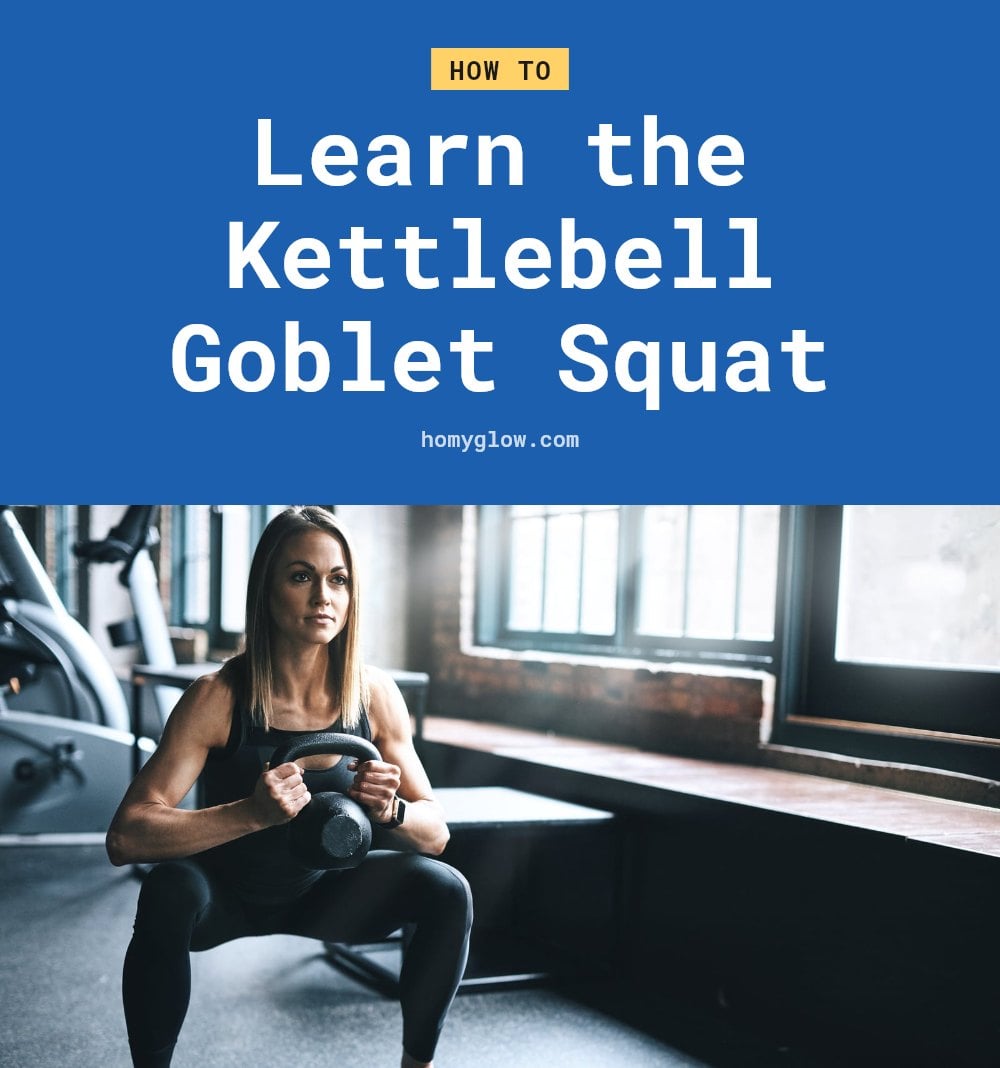
- Practice the goblet squat: Hold the kettlebell at your chest with both hands, elbows pointing down. Squat down keeping your chest up and knees tracking over your toes.
- Learn the rack position: The kettlebell rests on your forearm and bicep, close to your chest. This is a safe holding position for cleans and presses.
- Exhale on exertion: Breathe out as you swing the kettlebell up or press it overhead. Inhale during the lowering or return phase.
- Cool down afterward: Finish with static stretches for your hips, glutes, and shoulders to aid recovery and reduce soreness.
Top Tips for Safe and Effective Kettlebell Training
Kettlebell training is effective, but only if you do it safely. Here are the tips I rely on.
- Start Light: Master proper form with a lighter kettlebell before you go heavier. Form matters more than the number on the bell.
- Seek Guidance: Watch instructional videos or work with a certified trainer at least once, especially for complex moves like the clean or snatch.
- Listen to Your Body: Take rest days when you need them. If you feel sharp pain, stop immediately. Soreness is normal; pain isn’t.
- Prioritize Grip: Hold the kettlebell securely but not with a death grip. A relaxed grip helps with endurance and control.
- Create Space: Make sure you have enough room around you, at least a few feet, so you don’t hit furniture, walls, or people.
Common Kettlebell Mistakes to Avoid
Using Too Heavy a Kettlebell: This is the most common mistake. A weight that is too heavy forces you to compromise your form, which can lead to injury. Always start lighter than you think you need.
Treating Swings as Arm Exercises: The kettlebell swing is a hip-driven movement, not an arm lift. Power comes from your hips and glutes, not your shoulders. If your arms feel tired, you are doing it wrong.
Rounding Your Back: A rounded back during deadlifts or swings puts strain on your spine. Maintain a neutral spine by keeping your chest proud and your shoulders back throughout the movement.
Neglecting Core Engagement: Your core stabilizes your entire body during kettlebell exercises. Engage it from start to finish for better control and to protect your lower back.
Skipping Warm-ups and Cool-downs: Jumping straight into heavy swings without warming up increases your injury risk. A proper warm-up prepares your muscles, and a cool-down aids recovery.
When to Consult a Professional
If you have pre-existing health conditions, consult a healthcare professional before starting any kettlebell program. If you experience sharp or persistent pain during or after a workout, stop and see a doctor or physical therapist. When you are unsure about your form and feel you need personalized guidance, a certified trainer can provide the corrections you need to prevent injury. If you hit a plateau and are not seeing progress, a professional can help you advance your training safely.
Workout Frequency and Expected Progress
Aim for 2-3 kettlebell workouts per week, with rest days in between to allow your muscles to recover. Consistency is more effective than infrequent, intense sessions. With regular training, you can often notice visible strength improvements within 4-6 weeks. As for cost, kettlebells are a one-time investment, with prices varying by weight and brand.
Frequently Asked Questions
What is the best kettlebell weight for a woman to start with?
For most women starting kettlebell training, a 8 kg (18 lbs) or 12 kg (26 lbs) kettlebell is a common choice for general fitness. The right weight depends on your current strength and experience, so start with the lighter option if you are unsure. You can always move up once your form feels solid.
How often should a beginner use kettlebells?
As a beginner, aim for 2-3 kettlebell workouts per week, with at least one rest day between sessions to let your muscles recover. Consistency matters more than doing intense workouts every day. Listen to your body and take an extra rest day if you feel sore or tired.
Can kettlebells build muscle?
Yes, kettlebells can help build muscle, especially when you perform compound movements like swings, squats, and presses that work multiple muscle groups at once. The offset weight also engages stabilizing muscles, which adds to the challenge. For best results, focus on progressive overload by gradually increasing weight or reps over time.
Are kettlebells better than dumbbells for beginners?
Neither is universally better; both have their benefits. Kettlebells are great for dynamic, full-body movements and improving power and cardiovascular fitness, while dumbbells may be easier for isolating specific muscles. For beginners, the best choice depends on your goals and what you enjoy. Many people find kettlebells fun and effective for building strength and endurance.
What’s the difference between a kettlebell swing and a squat?
The kettlebell swing is a hip-hinge movement, meaning the power comes from your hips and glutes, not your legs doing a squat. In a squat, you bend your knees deeply and lower your hips, while in a swing, you push your hips back and then drive them forward to lift the bell. Keeping that distinction is key for proper form and avoiding injury.
Final Thoughts
If you are ready to begin, my tip is to pick a weight that lets you perform each rep with clean form, even if it feels too light at first. That approach builds a strong foundation and helps you avoid common mistakes. With 2-3 sessions per week and a focus on the hip hinge, you can expect to notice strength gains in about a month. Give your body time to adapt, and enjoy the process.
This article is for general information only and is not a substitute for professional medical or fitness advice. Before starting any new exercise program, especially if you have pre-existing health conditions, consult a healthcare provider or a certified trainer. If you experience sharp pain during a workout, stop and seek medical advice.