Feeling unfulfilled or directionless is more common than you might think. Many of us wonder if there’s a bigger picture we’re missing, a purpose we haven’t discovered yet. The truth is, purpose isn’t a hidden treasure you stumble upon; it’s something you build through self-reflection and action. This article walks you through practical steps to uncover what truly matters to you, without the pressure of finding one grand answer.
You’ll learn what purpose really means, how to use simple tools like journaling, and how to avoid common pitfalls along the way. It’s a journey, not a race, and you’re exactly where you need to be to start.

Key Takeaways
- Purpose is a cultivated journey, not a sudden revelation.
- Identify your core values as the foundation for meaning.
- Reflect on past experiences to spot recurring themes.
- Experiment with new activities to uncover hidden passions.
- Seek feedback from trusted friends or mentors.
What ‘Purpose’ Really Means for Your Life
Purpose is a central, self-organizing life aim that drives your goals, shapes your choices, and gives you a sense of meaning. It is not a single, dramatic revelation you wait to receive. Instead, it is a continuous journey of understanding your values, passions, strengths, and what truly matters to you. Your purpose can evolve over time, and it does not need to be a grand, world-changing endeavor. You can find it in everyday actions, small contributions, and the way you connect with others.
Tools for Your Self-Discovery Journey

These tools help you turn vague feelings into clear insights. Keep them handy for regular reflection.
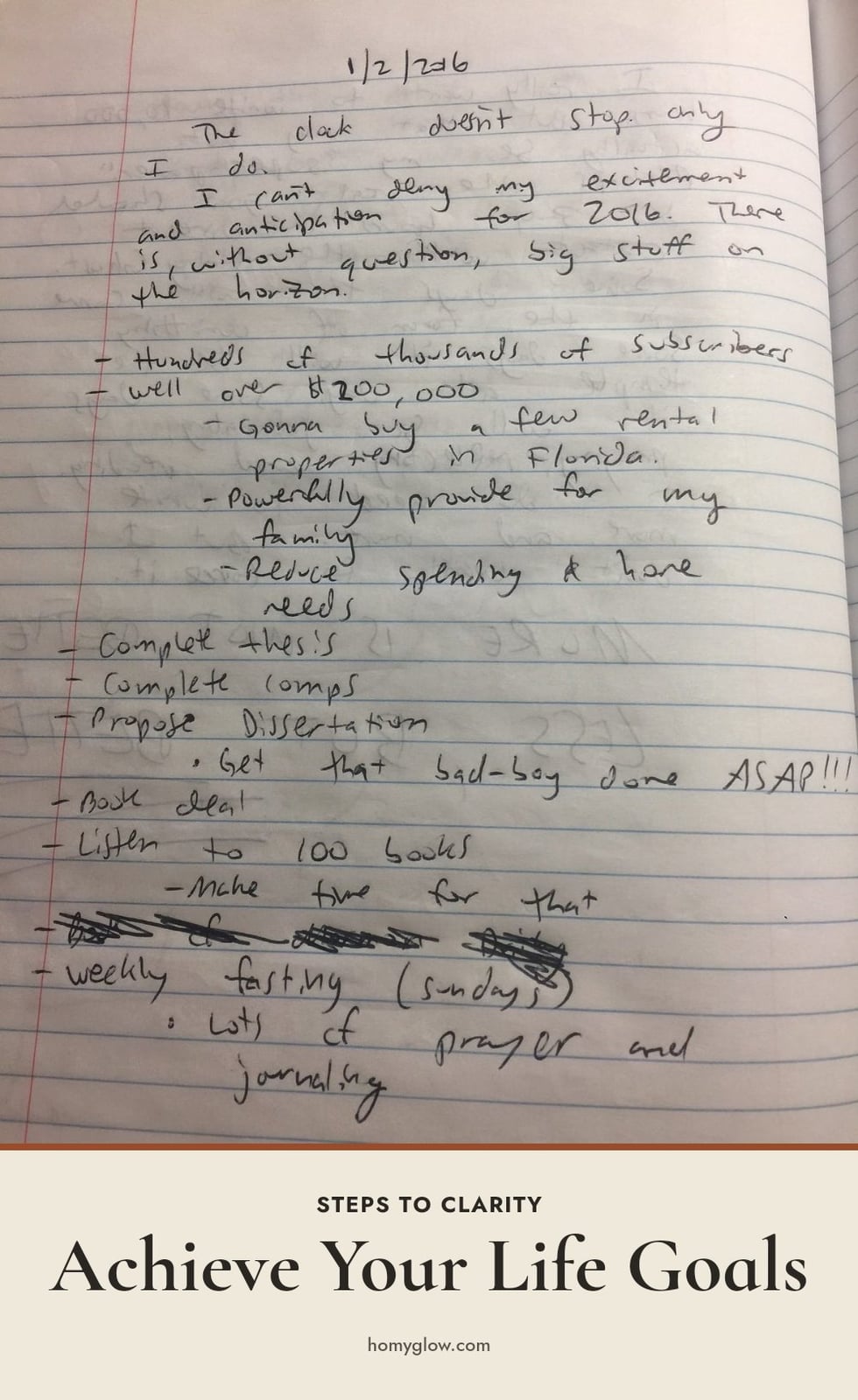
- Journal or notebook: Write down thoughts, recurring themes, and moments that felt meaningful. This creates a personal map of what matters to you.
- Pen: A simple pen works better than typing for many people. The slower pace helps you think more deeply.
- Books on self-discovery or personal development: Reading others’ frameworks can spark new questions or perspectives you haven’t considered.
- Online assessments for values or strengths: Tools like values clarification or strengths finders give you a structured starting point for introspection.
- Meditation apps or guides: Even 5 minutes of quiet focus helps you notice your inner voice and what feels true to you.
Practical Steps to Uncover Your Life’s Purpose
- Identify your core values: Write down the principles that guide your decisions, like honesty, creativity, or community. Your purpose will align with these.
- Reflect on past experiences: Look back at moments when you felt most alive, proud, or fulfilled. Notice recurring themes, interests, or the types of problems you enjoyed solving.
- Recognize your strengths and natural talents: Ask trusted friends what they see as your gifts. These often point to areas where you can contribute meaningfully without draining yourself.
- Explore your passions through flow activities: Pay attention to activities that make you lose track of time and feel completely absorbed. That feeling of flow is a strong signal of what energizes you.
- Consider problems you care about solving: Think about issues in your community, your field, or the world that make you feel a pull to act. A purpose often involves contributing to something larger than yourself.
- Experiment with new activities: Volunteer for a cause, take a short class in something unfamiliar, or learn a new skill. Trying things in real life reveals hidden interests that thinking alone cannot.
Common Mistakes When Seeking Your Purpose
Many people get stuck by believing these myths. Here is what to avoid.
- Believing purpose is ‘found’ fully formed: Expecting a sudden lightning bolt keeps you passive. Your purpose is cultivated through action and reflection over time.
- Confusing purpose with a specific job or financial goal: A career can express your purpose, but purpose also lives in your relationships, hobbies, volunteering, and personal growth.
- Waiting for external validation: You do not need anyone’s permission to pursue what feels meaningful. Your purpose is deeply personal and valid on its own.
- Getting stuck in analysis paralysis: Overthinking every possibility prevents you from learning. Take one small step, even if it feels imperfect, and adjust from there.
- Dismissing small acts of contribution: A kind conversation, a helpful gesture, or showing up for someone can be just as purposeful as a large initiative. Do not underestimate everyday impact.
Best Tips for a Purposeful Life
Journal Regularly: Use a journal to track insights about your values, passions, and experiences. It is like having a conversation with yourself. Write down moments that felt meaningful or energizing, and review them later for patterns.
Seek Diverse Perspectives: Talk to trusted friends, mentors, or even a coach. An outside view can illuminate strengths you had not noticed. Sometimes others see your contributions more clearly than you do.
Embrace Evolution: Your purpose can shift across different life stages. What brought meaning at 20 might change at 40, and that is normal. Allow your sense of purpose to adapt as your priorities grow.
Focus on Well-being: Living with purpose is linked to greater resilience and life satisfaction. Prioritize activities that make you feel alive and connected. Purpose supports well-being, and well-being supports purpose.
When to Seek Professional Guidance
If feelings of hopelessness, persistent sadness, or a lack of meaning are overwhelming you, consider speaking with a mental health professional. These can be signs of depression or other conditions that need professional support. A therapist or counselor can offer tools to navigate these feelings and explore deeper issues. Be cautious of self-help resources that promise quick fixes. Finding purpose is a complex, personal journey, and professional guidance can help you move through it safely.
Frequently Asked Questions
How long does it take to find your purpose?
There’s no set timeline. For some, clarity emerges in a few months of focused reflection; for others, it unfolds over years. Purpose is an ongoing journey that evolves with you. The key is to stay consistent with self-reflection and be patient with the process, allowing insights to surface naturally.
Can my purpose change over time?
Absolutely. Purpose can shift as your circumstances, priorities, and life stages change. What felt meaningful in your twenties may look different in your forties. That’s a sign of growth, not failure. Embrace the evolution and let your purpose adapt to who you are becoming.
Is purpose always tied to a career?
Not at all. Purpose can be found in relationships, hobbies, community involvement, or personal growth. Many people derive deep meaning from parenting, volunteering, or creative pursuits outside of work. Your purpose is about what gives you a sense of contribution and fulfillment, wherever that shows up.
What if I feel overwhelmed trying to find my purpose?
Feeling overwhelmed is normal, especially when there’s pressure to have it all figured out. Try breaking it down: focus on one small step, like journaling about a single past moment that felt meaningful. If feelings of hopelessness or persistent sadness become overwhelming, consider speaking with a mental health professional for support.
Final Thoughts
Your purpose is not a fixed destination but a living, evolving part of you. Start small: pick one value that resonates and look for ways to honor it this week. Expect that insights will surface gradually, sometimes over months or years, and that’s okay. The journey itself is where meaning grows.
Trust your intuition, stay curious, and remember that every small step counts. You don’t need to have it all figured out today. Just begin.
This article is for general informational purposes only and is not a substitute for professional advice. If you are experiencing persistent sadness, hopelessness, or a lack of meaning that feels overwhelming, please consult a qualified mental health professional. They can provide personalized guidance and support.