You know that tight feeling in your chest when nothing seems to go right? Frustration is a normal emotional signal that something is off, but it doesn’t have to take over your day. This article covers practical ways to recognize your triggers, calm your body and mind, and build habits that help you stay in control.

Key Takeaways
- Acknowledge your frustration instead of ignoring it; this is the first step to managing it.
- Use the 4-7-8 breathing technique to activate your body’s calm-down response.
- Break overwhelming tasks into small steps and focus on one mini-task at a time.
- Shift your energy to what you can control and let go of what you cannot.
- If frustration leads to aggression or self-harm thoughts, seek professional mental health support.
How to Stay Calm When Frustration Strikes
Frustration is a natural signal that something isn’t working or your expectations aren’t being met. Instead of fighting it, acknowledge the feeling, take a brief pause, and then actively choose a healthy coping mechanism. Focus on what you can control, adjust your expectations, and practice self-compassion. This approach helps you navigate frustrating moments effectively and keeps you calm when it matters most.
1. Recognize Your Frustration Triggers

Start by identifying what sparks your frustration. External triggers include traffic, difficult tasks, or other people’s actions. Internal triggers are thoughts like self-criticism or unrealistic expectations.
My tip: Keep a journal for a week. Note when you feel frustrated and what happened right before. Patterns will emerge, showing you which situations and thoughts to prepare for.
2. Take a Short Break

When frustration builds, step away for 5-10 minutes. This physical and mental distance prevents emotional escalation and lets you return with a clearer head.
My tip: Even a quick walk to grab water or looking out a window can reset your perspective. You don’t need a long break to gain the benefit.
3. Practice Deep Breathing
Try diaphragmatic breathing: inhale slowly through your nose for a count of four, hold for seven, and exhale completely through your mouth for eight. This activates your parasympathetic nervous system, signaling your body to calm down.
My tip: the 4-7-8 method is simple, discreet, and effective anywhere. It helps reduce physical tension quickly without drawing attention.
4. Adjust Your Expectations
Often, frustration comes from expectations that don’t match reality. Take a moment to ask whether what you’re expecting is actually achievable in this situation. Allow room for imperfections from yourself and others.
My tip: Ask yourself if your expectation is fair and within your control. If it isn’t, adjust it. Lowering the bar isn’t settling. It’s being realistic about what’s possible right now.
5. Break Down Overwhelming Tasks

Large tasks can feel impossible, and that feeling fuels frustration fast. Break the task into smaller steps and focus on completing just one at a time. Each small win builds momentum and reduces the pressure.
My tip: Create a simple checklist for each mini-task. Checking items off gives a real sense of progress and cuts through that overwhelmed feeling.
6. Engage in Physical Activity

Physical movement is one of the quickest ways to release the tension frustration creates. A brisk walk, a short jog, or even a few minutes of stretching can shift your focus and improve your mood.
I find that even 15 minutes of movement can drastically change my emotional state when I’m feeling stuck. Your body releases pent-up energy, and your mind gets a break from the loop of irritation.
7. Communicate Your Feelings Calmly
When frustration involves another person, how you say things matters more than what you say. Use “I” statements to express how you feel without placing blame. Say what’s bothering you and what you need, clearly and calmly.
Tip: Practice what you want to say beforehand. Running through it once or twice helps you stay calm and focused on the issue instead of the emotion.
8. Focus on What You Can Control
Much frustration comes from dwelling on things outside your influence. Shift your energy to aspects you can actually change or influence. Good to know: Make a quick list of ‘things I can control’ and ‘things I can’t control’ to visually separate them and refocus your efforts. This simple exercise stops you from spinning your wheels on what you can’t change.
9. Reframe Your Thoughts
Instead of viewing a frustrating situation as a dead end, try to see it as a challenge or an opportunity for learning. This cognitive reframing can turn negative thought patterns into constructive ones. Pro move: Changing your internal dialogue from ‘This is impossible’ to ‘How can I approach this differently?’ can shift your focus from the obstacle to a solution. It helps you regain a sense of control and often reveals options you hadn’t considered.
10. Seek Social Support

Talk to a trusted friend, family member, or mentor about what you’re experiencing. Sharing your feelings can provide perspective, emotional relief, and sometimes even practical solutions. Quick tip: Choose someone who is a good listener and offers empathy, not just solutions. A supportive conversation can make a frustrating situation feel more manageable.
11. Practice Mindfulness
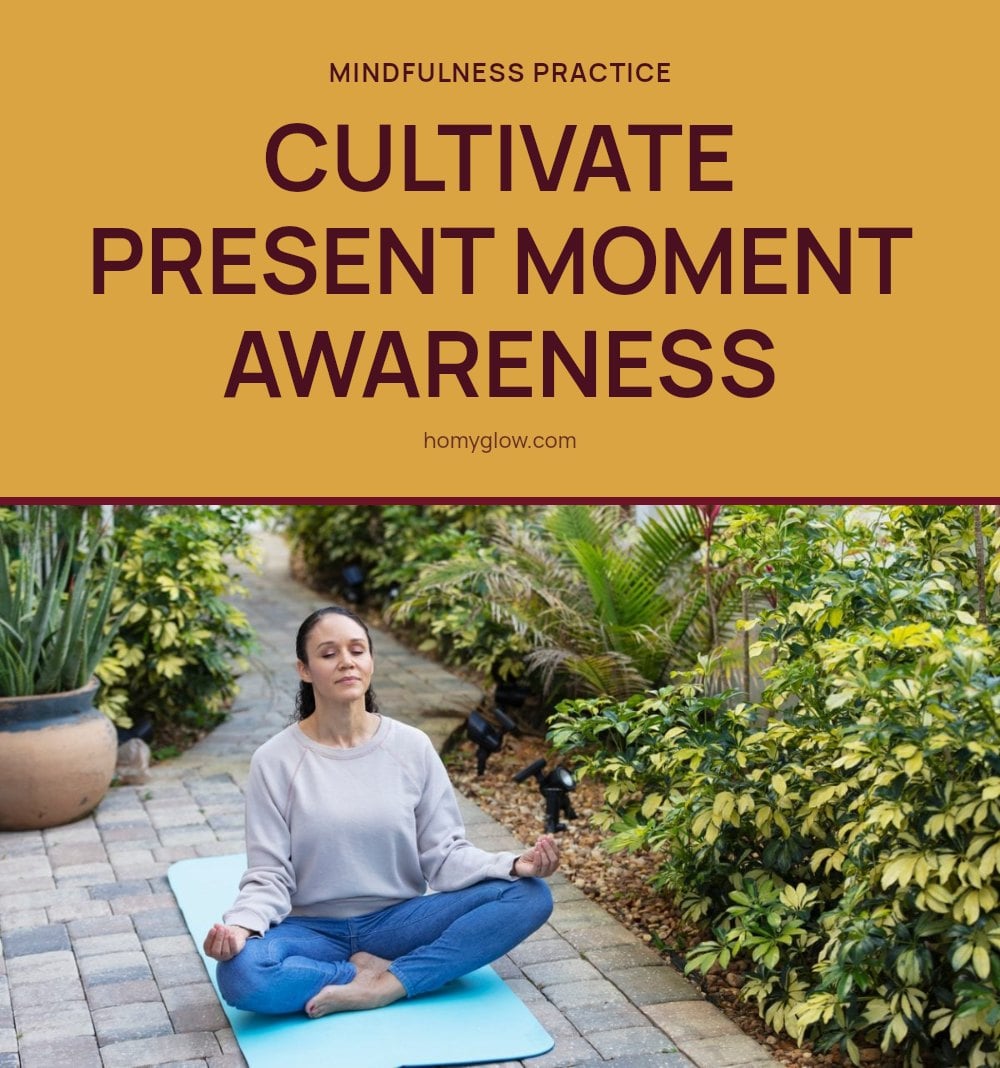
Mindfulness involves being present and aware of your thoughts and feelings without judgment. This practice can create a crucial space between a frustrating trigger and your reaction, allowing for a more thoughtful response. I find even a few minutes of focusing on my breath or senses can anchor me when frustration tries to take over.
When to Seek Professional Help
If frustration consistently leads to aggressive behavior, thoughts of self-harm, or significantly impairs your daily life, it is time to talk to a mental health professional. Persistent stress from unmanaged frustration can also impact your physical health, potentially exacerbating existing conditions or leading to new ones. A therapist can provide personalized strategies and support to help you navigate these intense emotions effectively.
Caution: Avoid using substances like alcohol or drugs to cope with frustration. This can lead to dependency and worsen underlying issues.
Frequently Asked Questions
How can I stop being frustrated all the time?
Identify the patterns that keep triggering you. Keep a quick log for a week, noting what happened and how you reacted. Then address the root causes, such as unrealistic expectations or overcommitting. If chronic frustration persists, consider talking to a therapist to explore deeper factors.
What is the difference between frustration and anger?
Frustration is the feeling that arises when a goal is blocked or expectations aren’t met. Anger is a stronger emotional response that often follows if frustration builds without relief. Think of frustration as the early warning sign, while anger is the escalated reaction that can lead to aggression.
Can frustration be a good thing?
Yes, in small doses. Frustration signals that something needs to change, which can motivate you to solve a problem, improve a process, or adjust your approach. The key is to channel that energy constructively rather than letting it spiral into stress or anger.
How do I deal with frustrating people?
Focus on what you can control: your own reactions and communication. Use “I” statements to express your feelings without blame, and set clear boundaries if needed. If the person is repeatedly frustrating, limit your exposure or seek support from a third party for perspective.
What are common physical signs of frustration?
Increased heart rate, muscle tension (especially in the shoulders, jaw, or fists), and shallow breathing are typical physical signs. You might also notice sweating, a flushed face, or restlessness. Recognizing these early cues can help you take a break before frustration escalates.
Final Thoughts
Managing frustration is a skill you can build over time. Start with one technique that feels doable, like taking a short break or adjusting an expectation. You won’t master it overnight, but consistent practice makes it easier to respond calmly when things go sideways. The goal isn’t to eliminate frustration, but to handle it in a way that keeps your relationships and well-being intact.
This article provides general information for educational purposes only and is not a substitute for professional medical or mental health advice. If you experience persistent frustration that affects your daily life, relationships, or leads to thoughts of self-harm, please consult a qualified healthcare provider or mental health professional.