If your skin often feels tight, itchy, or turns red after using certain products or stepping outside, you’re not alone. Sensitive skin is a common characteristic, not a disease, and it usually means your skin’s barrier is compromised or your nerve endings are more reactive. The good news is that with the right approach, you can calm and protect it. This article covers ten practical tips, from identifying triggers to choosing gentler products, so you can build a routine that works for you.
Key Takeaways
- Identify and avoid your personal triggers, like fragrances, dyes, alcohol, and extreme weather.
- Always patch test new products on a small area for 24-48 hours first.
- Cleanse with lukewarm water and a gentle, non-foaming cream cleanser.
- Moisturize immediately after cleansing with ceramides, hyaluronic acid, or glycerin.
- Apply mineral sunscreen with zinc oxide or titanium dioxide daily, even indoors.
Understanding Your Sensitive Skin
Sensitive skin reacts easily to triggers like cosmetics or environmental factors, leading to symptoms such as redness, itching, stinging, or dryness. It’s a characteristic, not a disease, often linked to a compromised skin barrier or heightened nerve endings. Managing it involves identifying and avoiding triggers, using gentle products, and adopting a consistent, protective routine.
1. Identify Your Triggers
Pay close attention to what causes your skin to react. Common culprits include fragrances, dyes, alcohol, and certain preservatives. Environmental factors like extreme temperatures, wind, and sun exposure can also exacerbate sensitivity.
My tip: Keep a simple skin diary to track new products or environmental changes and how your skin responds. This helps you pinpoint patterns and avoid repeat reactions.
2. Choose Gentle, Hypoallergenic Products
When you’re shopping for skincare, reading labels becomes just as important as the product itself. Look for terms like ‘hypoallergenic,’ ‘fragrance-free,’ ‘dye-free,’ or ‘for sensitive skin’ printed on the front of the bottle. These markers aren’t foolproof, but they’re a good starting point because they indicate the formula was designed with fewer common irritants.
Flip the bottle over and scan the ingredient list for anything you know bothers you. Steer clear of harsh surfactants like sodium lauryl sulfate (SLS) and strong chemical exfoliants such as glycolic acid or salicylic acid in high concentrations. My tip: a short ingredient list is usually the safest bet. The fewer components in a product, the fewer chances for one of them to trigger a reaction.
3. Patch Test New Products

Before applying a new product to your entire face or body, test a small amount on an inconspicuous area, like behind your ear or on your inner forearm, for 24-48 hours. This helps you identify potential irritants without causing a widespread reaction.
My tip: Always wait the full 48 hours, even if you don’t react immediately. Sometimes delayed reactions happen.
4. Cleanse with Care

Start with a gentle, non-foaming cream cleanser and lukewarm water. Hot water strips your skin’s natural oils, which weakens the barrier and invites irritation. Work the cleanser on your skin for about 30 seconds, then rinse with the same lukewarm water.
Pat your face dry with a soft towel instead of rubbing. Rubbing creates friction that can aggravate already sensitive skin. Stick to cleansing once or twice a day, depending on your skin’s needs. Over-washing does more harm than good by compromising that protective barrier.
5. Moisturize Consistently
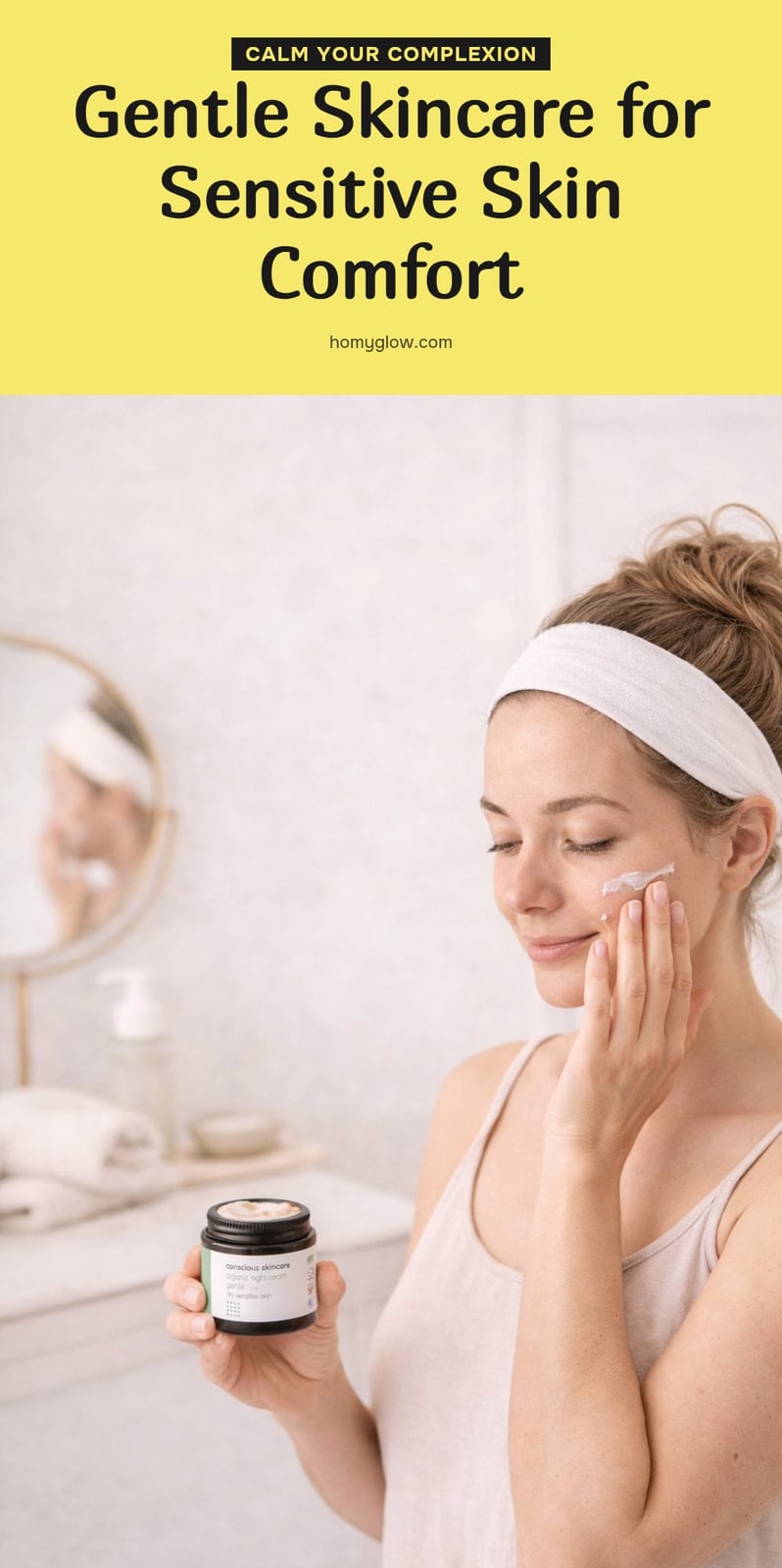
Apply a fragrance-free moisturizer right after cleansing, while your skin is still slightly damp. This locks in hydration and supports your skin’s barrier function. Look for ingredients like ceramides, hyaluronic acid, and glycerin. They help repair and strengthen the barrier.
Tip: A strong skin barrier is your best defense against external irritants. Without it, triggers like wind or pollution can penetrate more easily. Consistent moisturizing, morning and night, makes a real difference over time.
6. Protect with Mineral Sunscreen
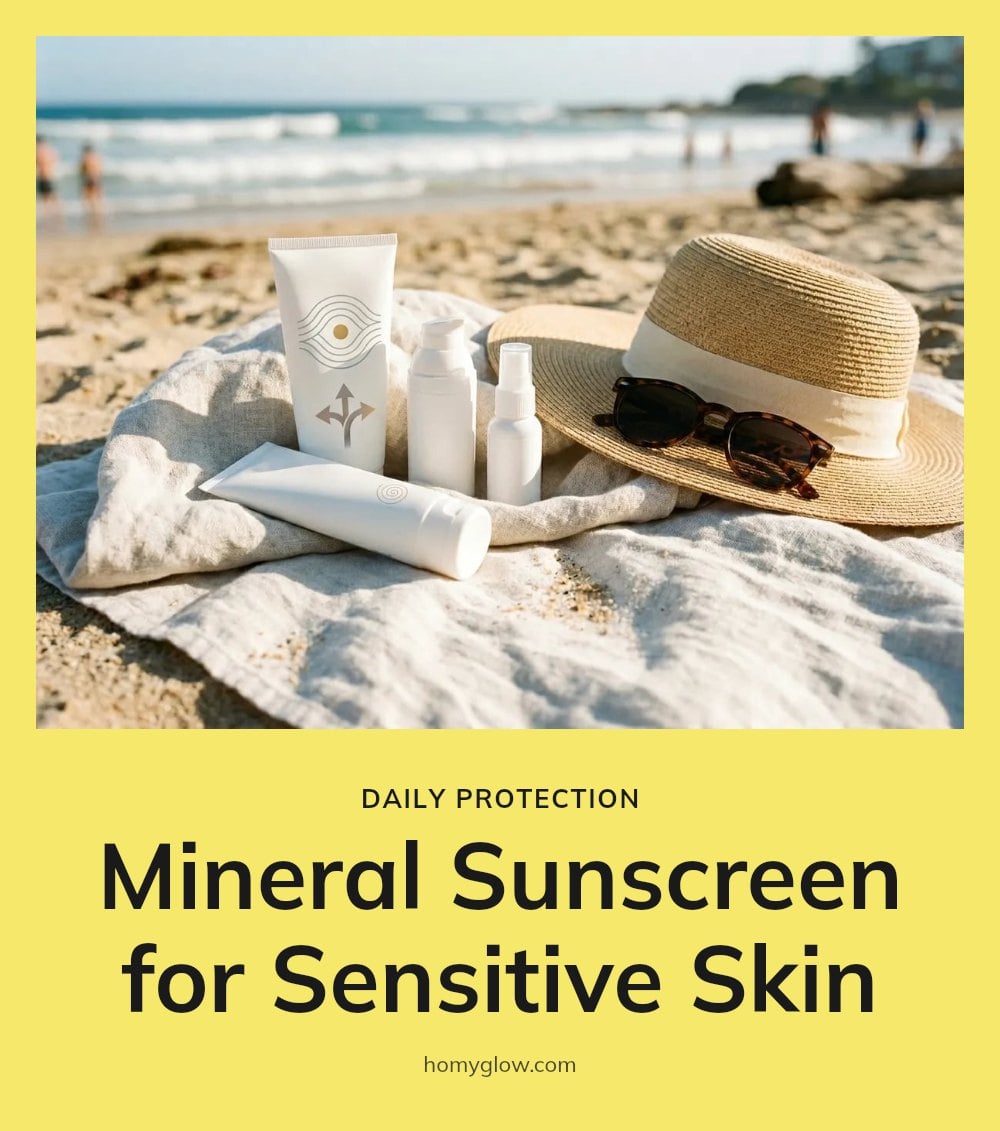
Daily broad-spectrum sunscreen is non-negotiable, even when you’re staying indoors. UV exposure can worsen sensitivity and damage the skin barrier. Physical sunscreens with zinc oxide or titanium dioxide sit on top of the skin and reflect rays, so they’re far less likely to sting or irritate than chemical versions.
Tip: Look for tinted mineral sunscreens if you want a little coverage without irritation. They blend into most skin tones and eliminate the need for a separate base product, keeping your routine simpler.
7. Keep Your Routine Simple
Resist the urge to layer multiple new products or active ingredients at once. Sensitive skin gets overwhelmed easily, and each new addition is a potential trigger. Stick to the basics: a gentle cleanser, a fragrance-free moisturizer, and a mineral sunscreen.
I’ve learned that less truly is more when it comes to keeping my skin happy. A consistent, minimal routine gives your skin barrier time to repair itself without constant interference from new formulas.
8. Mind Your Environment and Lifestyle
Your skin doesn’t just react to what you put on it, your surroundings matter too. Extreme temperatures, harsh winds, and pollution can all trigger flare-ups, so protect your face with a scarf in cold weather and seek shade when the sun is strongest. On the body, switch to a mild, fragrance-free laundry detergent and choose breathable fabrics like cotton to reduce friction and irritation. Stress and diet are often mentioned as potential factors in skin sensitivity, though the exact links are still being studied. Many people find that managing stress and eating a balanced diet helps keep their skin calmer over time.
9. Avoid Over-Exfoliation
Scrubbing your face with a gritty scrub or using a strong chemical exfoliant can damage your skin barrier fast. Once that barrier is compromised, irritants get in more easily and moisture escapes, making sensitivity worse. If you feel you need to exfoliate, choose a mild enzyme mask and use it no more than once a week. My advice: Listen to your skin. If it stings, feels tight, or looks red after exfoliating, you’re overdoing it. Back off and give your barrier time to repair.
10. Don’t Ignore Persistent Symptoms
Persistent redness, itching, stinging, or pain may mean something more is going on. Sensitive skin can sometimes be a symptom of underlying conditions like rosacea, eczema, or contact dermatitis. If your symptoms don’t improve with a gentle routine, or they get worse, don’t try to push through. A dermatologist can identify the root cause and recommend treatments that actually address your skin’s reactivity, rather than just soothing it temporarily.
Common Sensitive Skin Mistakes to Avoid
Assuming ‘natural’ equals safe: Many natural ingredients, like essential oils, citrus extracts, or certain botanicals, are potent irritants for sensitive skin. Always check the ingredient list and patch test before using anything new. Using too many products or actives: Layering multiple new products or strong active ingredients at once overwhelms sensitive skin. Keep your routine simple: cleanser, moisturizer, sunscreen. Skipping sunscreen: UV exposure worsens sensitivity and damages the skin barrier. Daily broad-spectrum protection is non-negotiable, even indoors. Rubbing skin vigorously: Aggressive rubbing when cleansing or drying creates friction that irritates delicate skin. Pat your face dry gently with a soft towel. Ignoring persistent symptoms: Severe or worsening redness, itching, or pain is your skin telling you something is wrong. Don’t try to ‘push through’, see a dermatologist.
Frequently Asked Questions
What ingredients should I avoid if I have sensitive skin?
Common irritants include strong fragrances, dyes, alcohol, and certain preservatives like parabens and formaldehyde-releasing agents. Harsh surfactants in cleansers can also strip your skin. Always check ingredient lists and choose products labeled ‘fragrance-free’ or ‘for sensitive skin.’ If you have specific allergies, a dermatologist can help you identify what to avoid.
Can diet and stress affect my sensitive skin?
Stress and diet are often mentioned as potential factors, but direct causal links are still being researched. Many people find that stress triggers flare-ups, and certain foods may worsen symptoms for some. Keeping a skin diary can help you notice patterns, but if you suspect a food allergy, consult a professional.
How often should I cleanse my sensitive skin?
Most people with sensitive skin do well cleansing twice a day: once in the morning and once at night. Over-washing can strip natural oils and weaken your barrier, so avoid washing more often unless you’ve been sweating heavily. If your skin feels tight or dry, consider cleansing only at night and rinsing with water in the morning.
Is it possible for sensitive skin to improve over time?
Yes, sensitive skin can improve with consistent care. By avoiding triggers, using gentle products, and protecting your barrier, many people see noticeable changes within days to weeks. However, it’s an ongoing process, and you may need to maintain your routine to keep flare-ups at bay. If symptoms persist, a dermatologist can offer guidance.
What’s the difference between sensitive skin and an allergic reaction?
Sensitive skin is a general tendency to react to many triggers, causing stinging, burning, or redness. An allergic reaction is a specific immune response to one allergen, which can cause hives, swelling, or severe itching. They can overlap, so if you suspect an allergy, see a doctor for proper testing.
Final Thoughts
Managing sensitive skin is an ongoing process, but you can see improvements within days to weeks of adopting a consistent, gentle routine. Stick to the basics: a mild cleanser, a fragrance-free moisturizer, and mineral sunscreen. Keep your routine simple, and always patch test before adding anything new. If your symptoms persist or worsen despite your best efforts, don’t hesitate to see a dermatologist. Your skin deserves care that feels calm and protective.
This article is for general information only and is not medical advice. If you have persistent redness, itching, pain, or suspect an allergic reaction, consult a dermatologist or healthcare professional before changing your routine.