That sinking feeling when you see friends at a party you weren’t invited to, or someone’s vacation photos while you’re stuck at work. It’s called FOMO, and it’s more common than you think. This article breaks down what FOMO really is, why social media fuels it, and practical strategies to help you feel more content with your own life.
From mindfulness exercises to setting simple social media boundaries, you’ll find actionable tips to quiet that anxious voice and start living more in the moment.

Key Takeaways
- FOMO is driven by social media’s curated highlights, not full reality.
- Practice mindfulness daily to anchor yourself in the present moment.
- Set specific time limits for social media to reduce comparison triggers.
- Shift focus to your own goals and what you genuinely enjoy.
- If FOMO affects your mood or sleep, consider talking to a therapist.
What is FOMO and Why Does it Happen?
FOMO, or Fear of Missing Out, is that anxious feeling that others are having better experiences than you are. Social media is a major driver, showing idealized highlights of other people’s lives that can make your own feel less exciting. While FOMO isn’t a clinical diagnosis, it can negatively affect your mental well-being, leading to stress and dissatisfaction.
Understanding the Roots of Your Fear of Missing Out
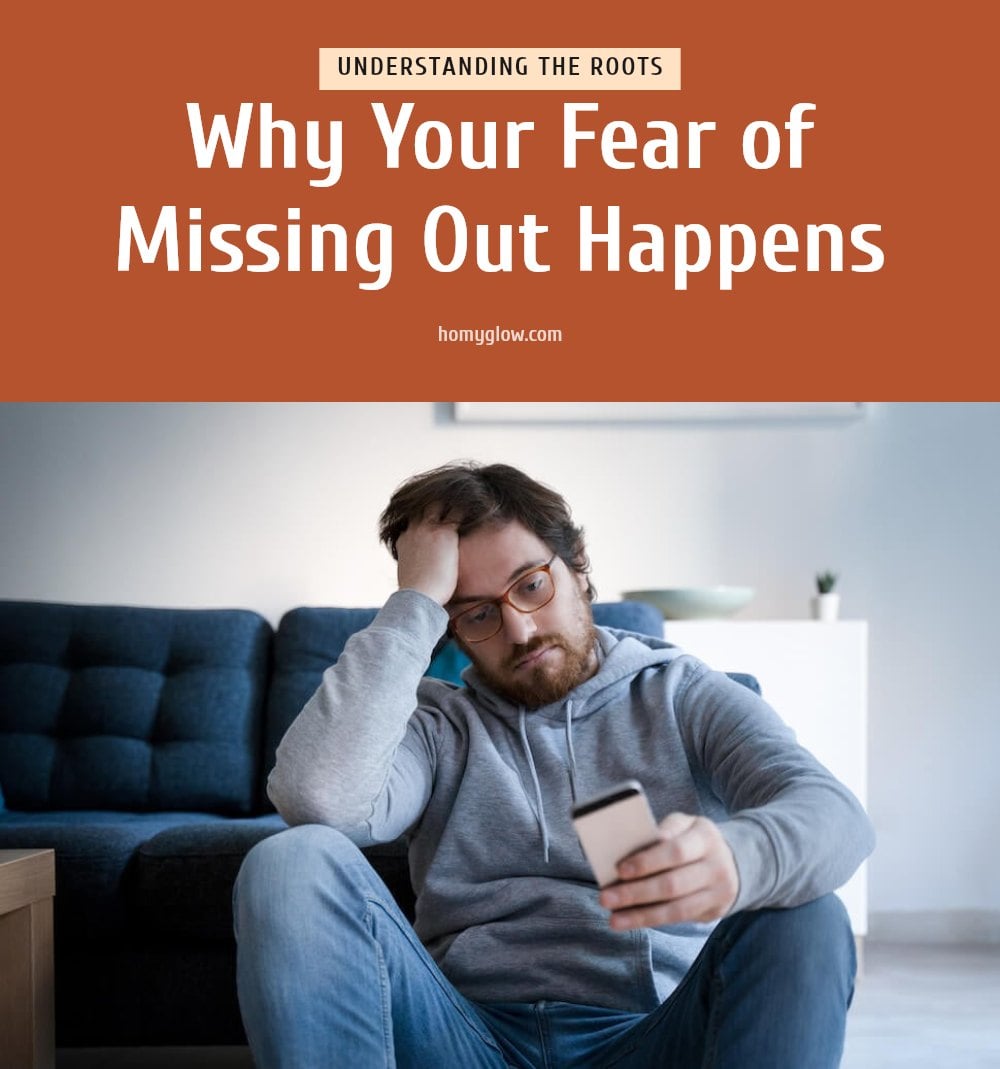
What Is FOMO Exactly?
FOMO stands for ‘Fear of Missing Out,’ a term added to the Oxford English Dictionary in 2013. It’s defined by a strong urge to stay continuously connected with what others are doing, often driven by the fear that you might miss a rewarding experience.
Why Social Media Fuels It
Social media platforms are the primary driver. They present curated, idealized versions of others’ lives, which can make you feel inadequate or left out. Research shows that people with higher levels of FOMO tend to have lower mood and life satisfaction.
Understanding this root cause helps you see that the anxiety often comes from comparing your real, unfiltered life to someone else’s highlight reel.
Effective Strategies to Manage and Reduce FOMO
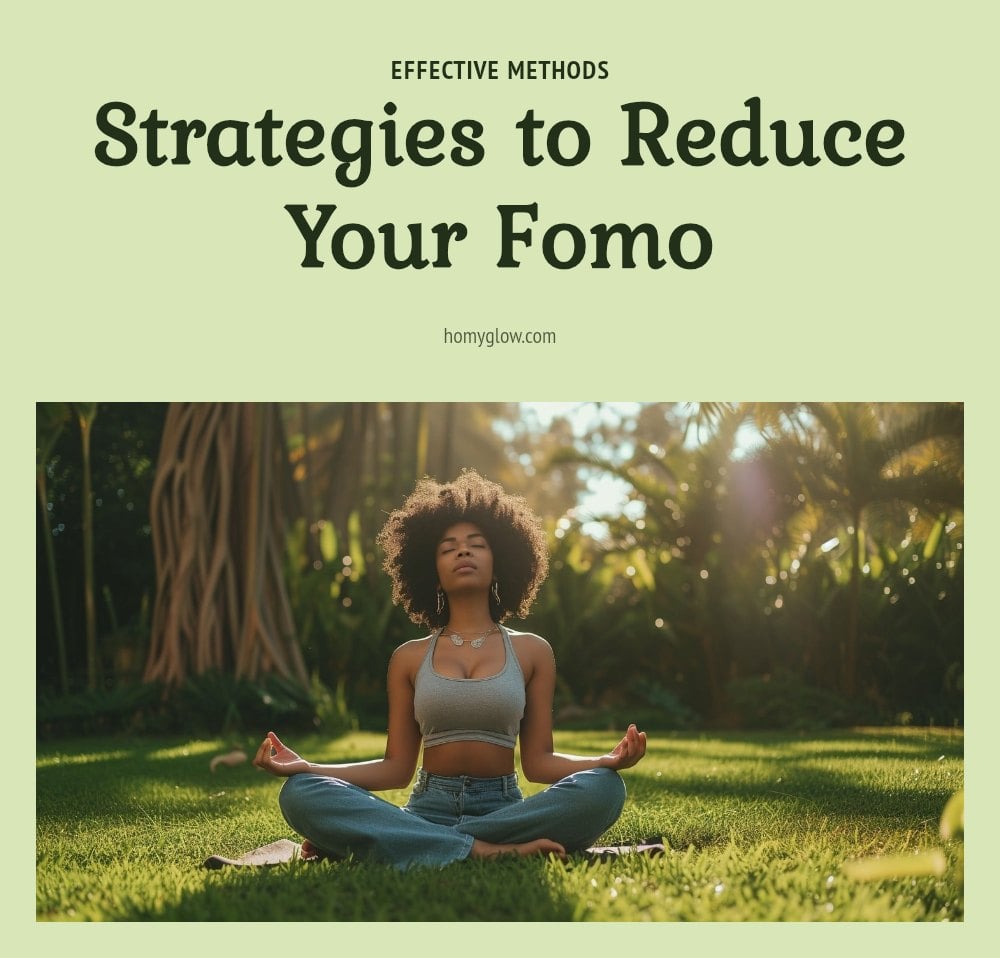
Practice Mindfulness
Mindfulness helps you focus on the present moment, reducing the pull of what you might be missing elsewhere. My tip: Try a five-minute daily check-in where you notice your surroundings and your breath without judgment.
Set Social Media Boundaries
Limiting your social media use is one of the most effective steps. Set specific times to check apps, or use a daily timer. Caution: Avoid scrolling first thing in the morning or right before bed, as that can set a comparative tone for your day.
Do What Actually Brings You Joy
Engage in activities that genuinely interest you and align with your values. When you’re absorbed in something meaningful, the fear of missing out naturally fades. Pro move: Make a short list of hobbies you loved as a kid and try one again this week.
Practice Gratitude
Cultivating gratitude shifts your focus from what you lack to what you already have. Tip: Each evening, write down three things you appreciated about your day, no matter how small.
Remember: It’s a Highlight Reel
Social media shows only the best moments, not the full reality. Remind yourself that everyone has struggles, failures, and ordinary days. This perspective can diminish the power of those perfectly filtered posts.
Common Mistakes That Worsen FOMO and How to Avoid Them
It’s easy to fall into habits that make FOMO worse, but you can spot and correct them.
- Believing everyone else’s life is more exciting: Remember that what you see online is curated. Counter this by listing three things you genuinely enjoy about your own life.
- Constantly checking social media: This intensifies the feeling of missing out. My tip: Keep your phone in another room during meals or work hours to break the cycle.
- Overcommitting to events: Saying yes to everything out of fear leads to burnout. Practice saying no to one invitation this week and see how it feels.
- Ignoring your own needs: Pursuing external validation leaves your real desires unmet. Schedule time for an activity that only you enjoy, without posting about it.
- Assuming a missed event was better: Your current activity has its own value. Focus on what you’re doing right now instead of imagining a better alternative.
Building Resilience Against Future Feelings of Missing Out
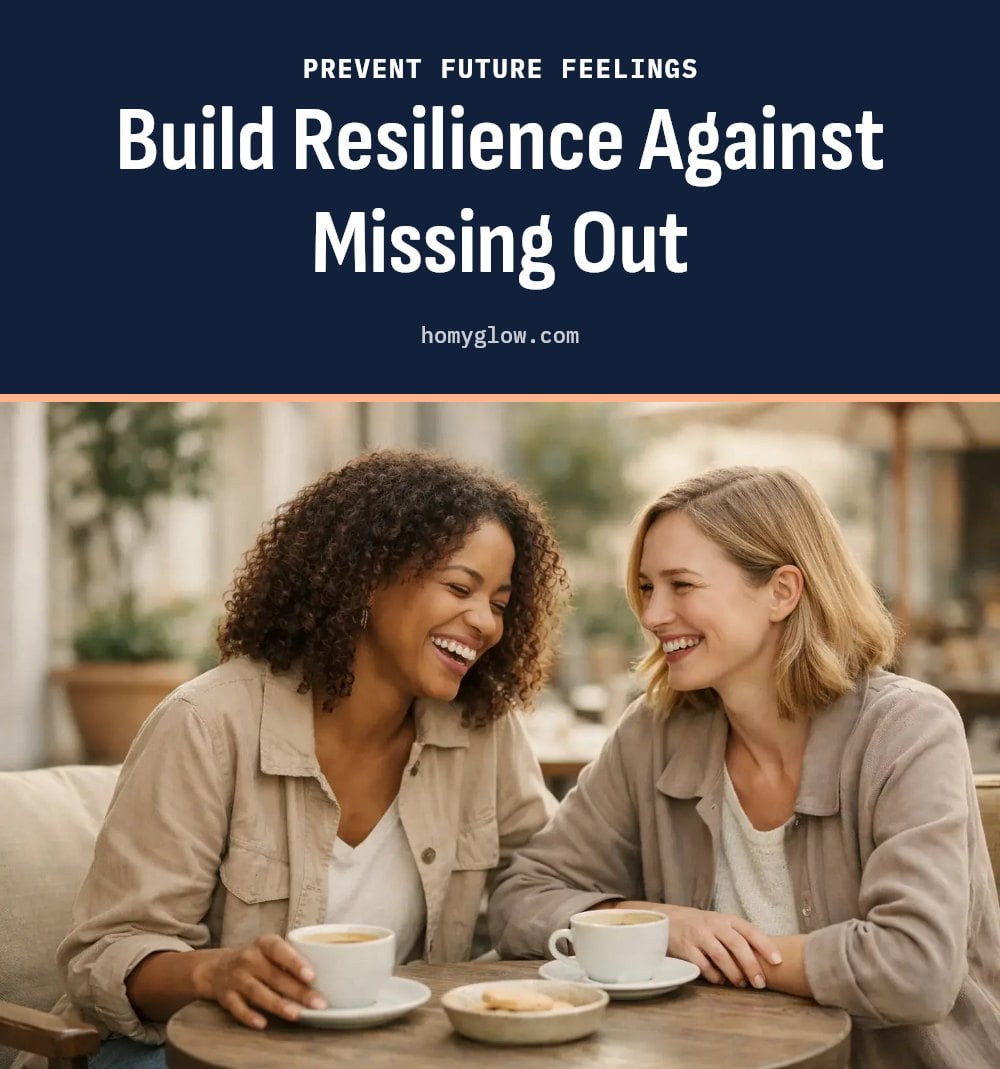
To build lasting resilience against FOMO, start by setting clear boundaries for social media. My tip: pick two 15-minute windows per day to check apps, and stick to them. Replace scrolling time with activities that genuinely interest you, like a hobby or a walk. This shifts your focus from others’ curated highlights to your own goals and progress.
Cultivate gratitude by writing down three things you enjoyed today, even small ones. Prioritize real-life connections: call a friend or meet for coffee instead of liking their post. These proactive steps train your brain to value your own experiences over the ones you see online.
When to Seek Professional Help for Persistent FOMO
If feelings of FOMO persist and start to affect your daily mood, sleep, or relationships, it may be time to talk to a mental health professional. Constant comparison can contribute to anxiety or depression, and a therapist can help you develop personalized coping strategies. Pay attention to how social media use impacts your sleep or overall mental health. If these issues feel overwhelming, professional support is a wise next step.
What to Expect: Timeline and Commitment to Overcoming FOMO
Overcoming FOMO is an ongoing process, not a quick fix. Small changes like a weekend social media detox can bring immediate relief, but sustained effort delivers long-term benefits. You may notice less anxiety and more satisfaction with your own life over several weeks of consistent practice. There is no monetary cost, just your time and commitment to the strategies that work for you.
Frequently Asked Questions
Can FOMO lead to depression?
FOMO itself isn’t a mental health disorder, but constant comparison and the anxiety it creates can contribute to feelings of depression over time. If you notice persistent low mood, loss of interest in activities, or trouble sleeping, it’s wise to speak with a mental health professional.
How can I stop comparing myself to others on social media?
Start by unfollowing accounts that trigger envy and curating your feed to include content that inspires or educates you. When you catch yourself comparing, pause and name three things you’re grateful for in your own life right now. This shifts your focus from what’s missing to what’s present.
Is it bad to feel FOMO sometimes?
Occasional FOMO is normal and doesn’t mean something is wrong. It becomes a problem only when it consistently makes you feel anxious, dissatisfied, or drives you to overcommit. A little FOMO can even motivate you to try new things, just keep it in check.
What is the best way to reduce social media use for FOMO?
My tip: schedule two 15-minute windows per day to check your apps, and stick to them. Turn off push notifications so you’re not constantly pulled back in. Replacing that scrolling time with a hobby or a walk outside helps your brain learn new, healthier habits.
What is FOMO and how does it affect you?
FOMO stands for ‘Fear of Missing Out’, that anxious feeling that others are having better experiences than you. It can lead to stress, envy, loneliness, and lower life satisfaction, especially when fueled by social media. It’s not a clinical diagnosis, but it can affect your mental well-being.
Final Thoughts
Start with one small change: set a 15-minute limit on your favorite social app today. You’ll likely feel a little less anxious within a week as you reclaim that time for yourself. Real progress takes a few weeks of consistent practice, but every step counts. Remember, your own life is worth your full attention.
This article is for informational purposes only and does not constitute medical or mental health advice. If you are experiencing persistent anxiety, depression, or other emotional difficulties, please consult a qualified mental health professional.