Feeling stuck or just ready for more? Starting a personal growth journey doesn’t require a complete life overhaul. It’s about small, intentional daily habits that build a more fulfilling life over time. In this article, I’ll walk you through what personal growth really means, the simple tools you need, and a step-by-step approach to get started today.
Key Takeaways
- Personal growth is a lifelong process, not a destination.
- Start with self-reflection and one or two SMART goals.
- Daily habits like journaling and meditation support growth.
- Embrace a growth mindset and step out of your comfort zone.
- Prioritize self-care and seek professional help if needed.
What is Personal Growth and Why Does it Matter?
Personal growth is the ongoing process of becoming a better version of yourself, and it touches every part of your life: mental, emotional, spiritual, and physical. It’s not a finish line but a continuous journey of self-improvement. You work on your strengths, address your weaknesses, and pick up new skills along the way. Think of it as tending a garden: you water what’s already growing, pull out what’s not serving you, and plant new seeds. Every small step you take, whether it’s learning a new habit or shifting your mindset, adds up over time. That’s why it matters: it leads to a more fulfilling, balanced life.
Essential Tools for Your Personal Growth Journey
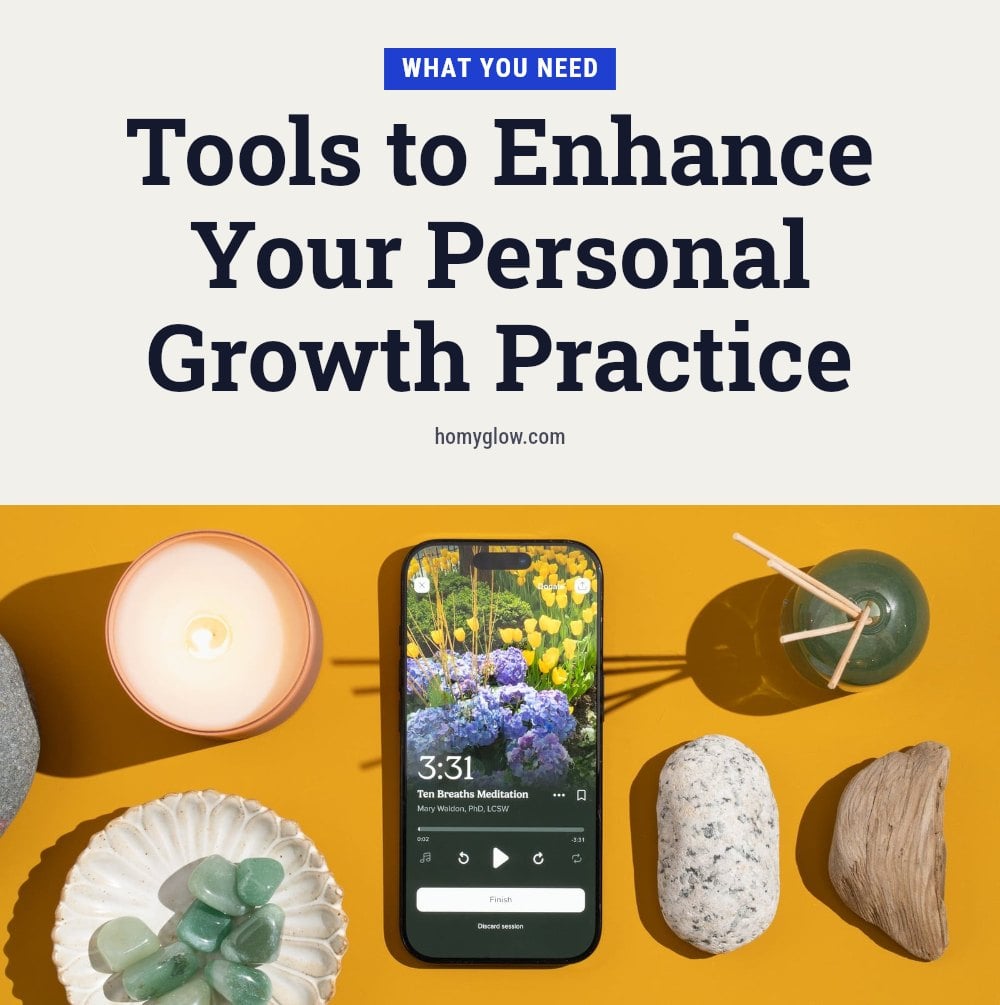
You don’t need a lot of gear to start growing, but a few simple tools can make the journey smoother. Here’s what I keep on hand:
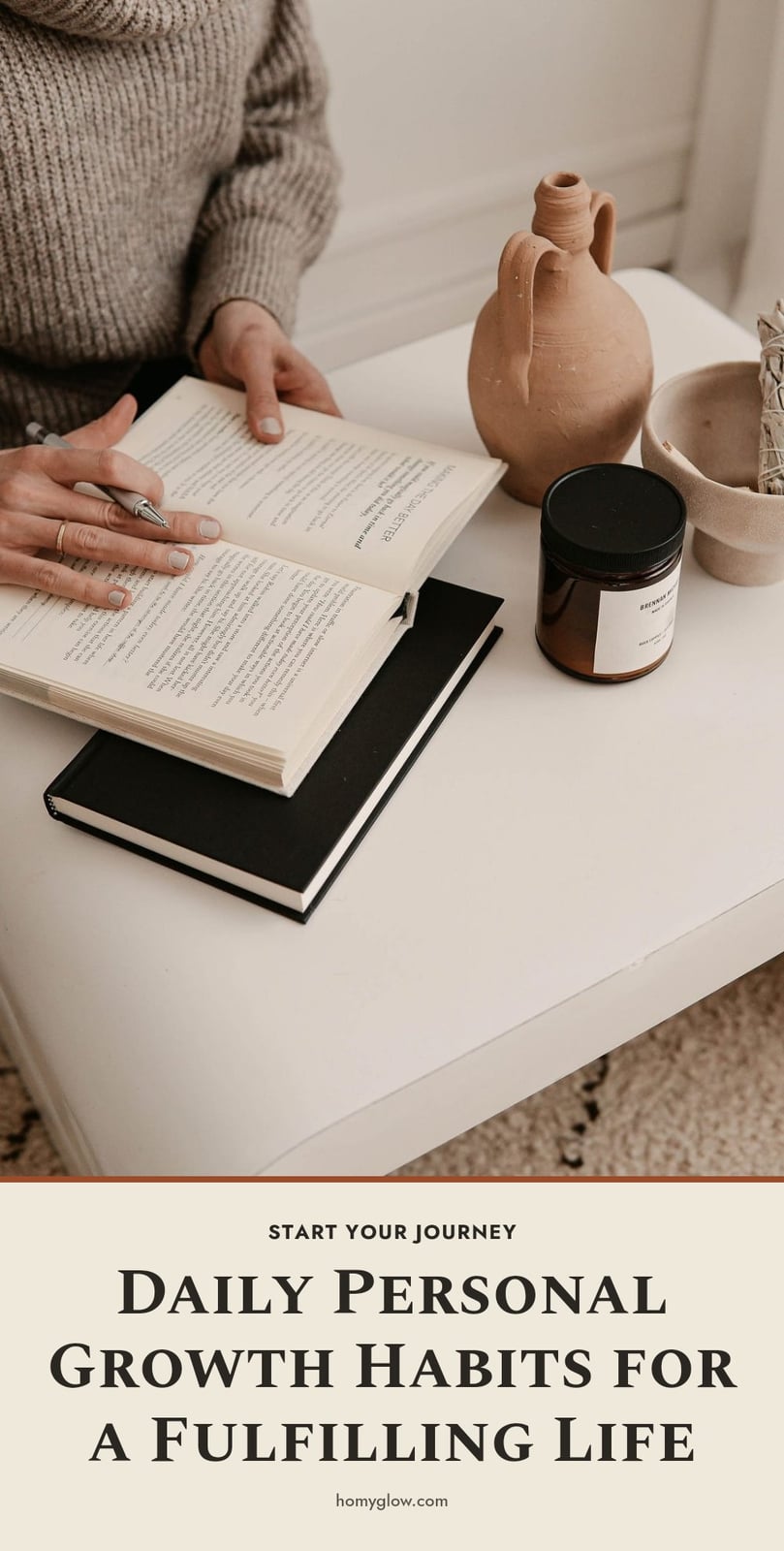
- Journal: Write down your thoughts, feelings, and progress. It’s a powerful way to reflect and see how far you’ve come.
- Books on personal development: They offer new perspectives and practical strategies you can apply right away.
- Meditation app: A few minutes of guided mindfulness each day can improve your emotional regulation and self-awareness.
- Planner or calendar: Use it to set goals, track habits, and carve out time for your growth activities.
My tip: keep your journal and pen by your bed so you remember to reflect at the end of each day.
Your Step-by-Step Guide to Cultivating Personal Growth
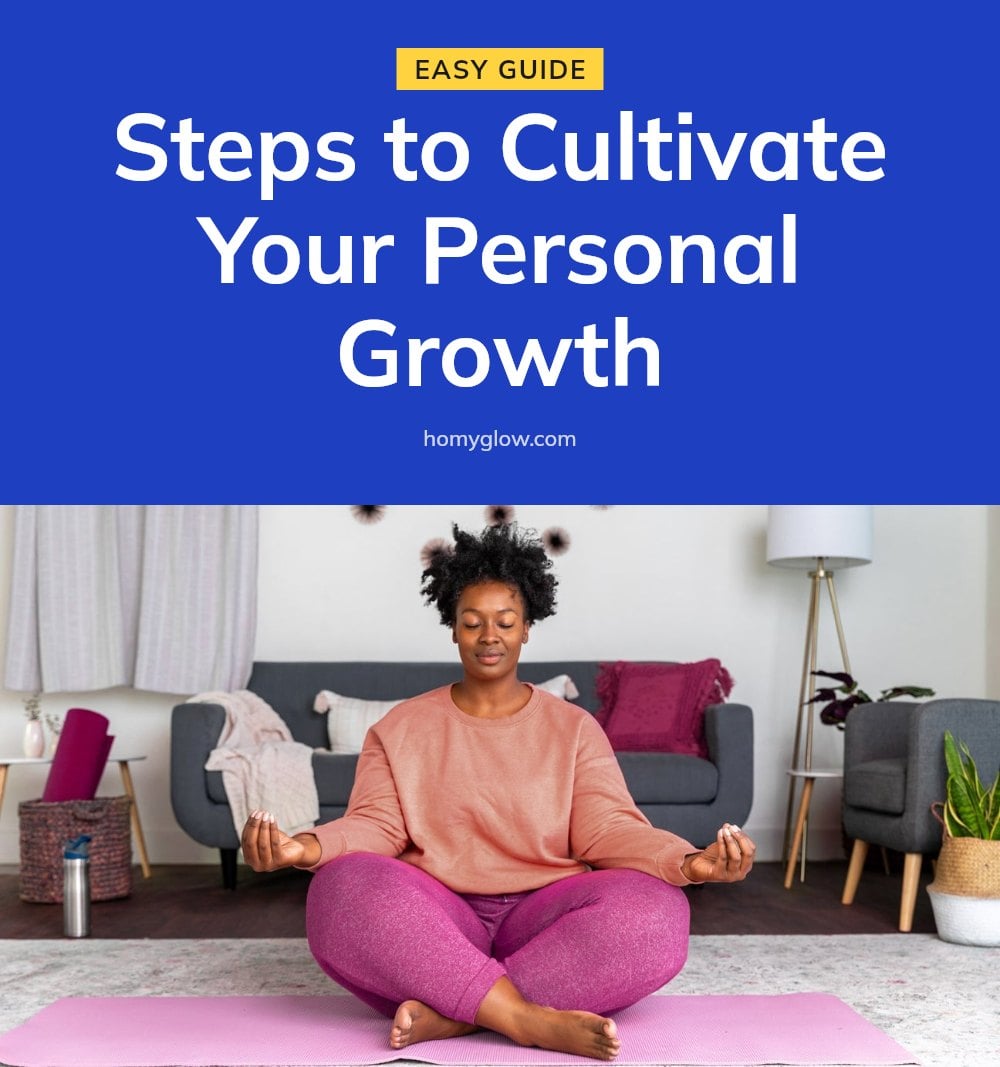
Ready to get started? Here’s a step-by-step approach that works for me.
- Build self-awareness: Take time to reflect on your values, strengths, and areas you’d like to improve. Ask yourself what truly matters to you and where you feel stuck.
- Set SMART goals: Make them Specific, Measurable, Achievable, Relevant, and Time-bound. For example, instead of “exercise more,” aim for “walk 20 minutes every day after lunch for two weeks.”
- Create daily habits: Pick one or two small practices, like journaling for five minutes or meditating for ten. Consistency beats intensity.
- Learn something new: Read a book, take an online course, or try a hobby you’ve been curious about. New experiences stretch your mind.
- Build a support network: Surround yourself with friends, family, or mentors who encourage you and offer honest feedback.
- Practice self-compassion: Acknowledge your progress, no matter how small. Celebrate a completed week of journaling or a tough conversation you handled well.
- Prioritize physical health: Get enough sleep, eat nourishing food, and move your body. Your mental and emotional growth depend on it.
My tip: start with just the first two steps this week. Trying to overhaul everything at once is a recipe for burnout.
Smart Habits and Mindsets to Boost Your Growth
Beyond the steps, certain mindsets and habits can accelerate your growth. Here are the ones I’ve found most powerful.
- Embrace a growth mindset: Believe that your abilities can be developed through dedication and hard work. When you face a challenge, remind yourself it’s an opportunity to learn, not a verdict on your potential.
- Practice gratitude: Each day, write down three things you’re thankful for. This simple act shifts your focus from what’s lacking to what’s already good.
- Step out of your comfort zone: Take small, intentional steps into new experiences, like striking up a conversation with a stranger or trying a new recipe. Growth happens at the edge of discomfort.
- Establish healthy boundaries: Learn to say no to things that drain your energy, and protect time for what matters. Boundaries aren’t selfish; they’re self-care.
- Seek feedback: Ask a trusted friend or mentor for constructive insights on your actions. Their outside perspective can reveal blind spots you’d miss on your own.
Pro move: pair gratitude with your evening journaling to end each day on a positive note.
Common Pitfalls to Avoid on Your Personal Growth Journey
Setting Unrealistic Goals: It is easy to aim for big changes, but that often leads to burnout. Focus on small, consistent steps instead of overwhelming objectives. One new habit at a time is enough.
Ignoring Self-Care: Pushing yourself without rest slows progress. Prioritize sleep, nutrition, and downtime to sustain your growth efforts. Well-being is the foundation for everything else.
Comparing Yourself to Others: Everyone’s path is unique, and progress is rarely linear. Measuring your journey against someone else’s highlights can make you miss your own gains. Look back at where you started instead.
Resisting Change: Growth requires new perspectives and occasional mistakes. Being open to learning from missteps turns them into stepping stones rather than roadblocks.
Neglecting Reflection: Regularly review your experiences to understand what worked and what did not. A few minutes of journaling each week helps you adjust your approach and stay on track.
Understanding the Lifelong Nature of Personal Growth
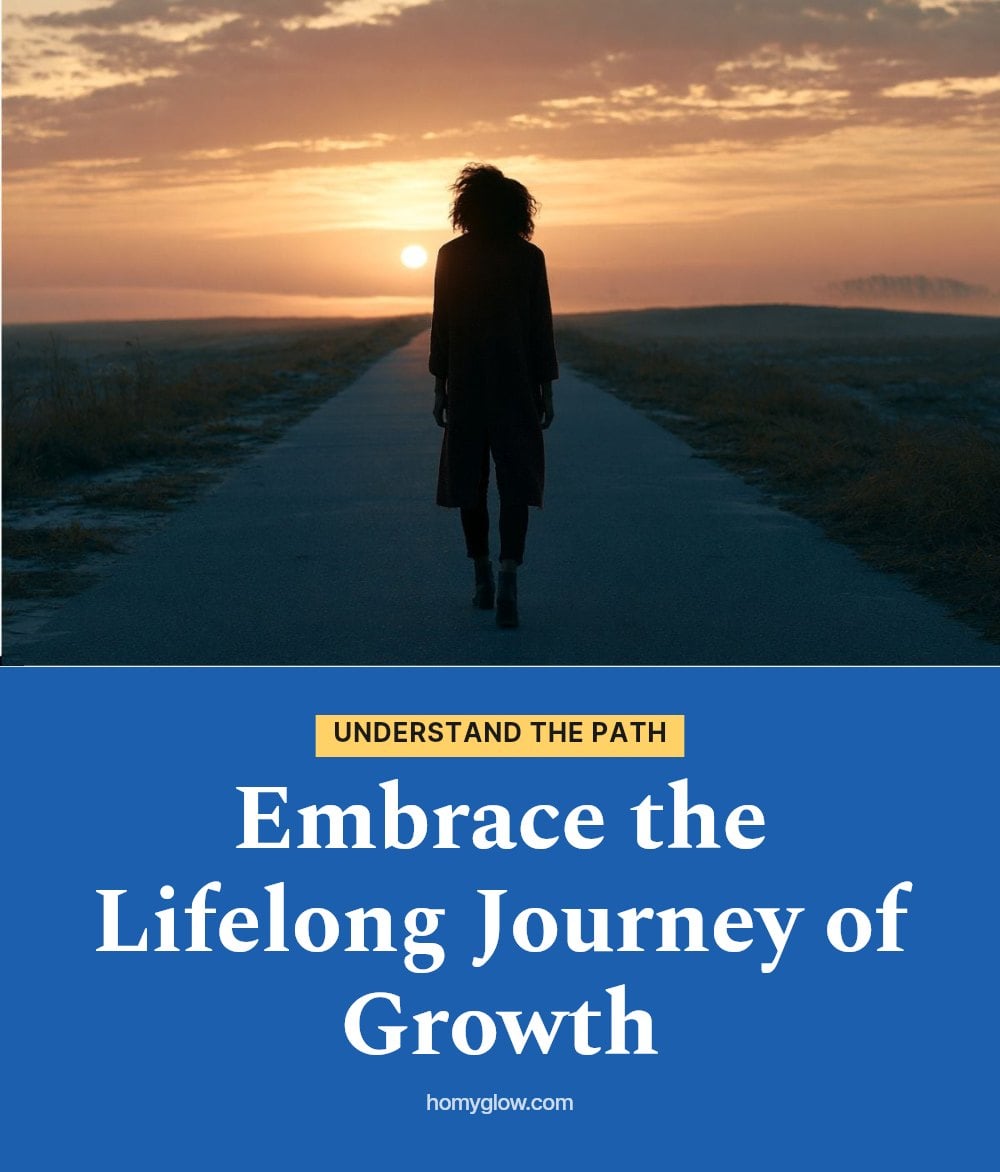
Understanding the Lifelong Nature of Personal Growth
Personal growth is not a destination you reach and then stop. It is a continuous process that unfolds across your whole life. The changes you make today may feel subtle at first, like a slightly calmer morning or a small shift in how you respond to stress. Over months and years, those small shifts add up to significant transformations.
Patience and persistence are the real drivers. Some weeks you will notice clear progress, other weeks it will feel like nothing is happening. Both are part of the process. Trust that each consistent step builds on the last, and keep going even when results are not immediately visible.
When to Seek Professional Support for Your Well-being
If you experience persistent feelings of sadness, anxiety, or hopelessness that do not lift, consult a mental health professional. Seeking help is a sign of strength, not failure. Also reach out if your personal growth efforts feel overwhelming or unmanageable, a therapist can help you find a balanced approach.
Before starting significant physical activity or dietary changes, check with your doctor to ensure those steps are safe for your health. Professional guidance keeps your growth journey sustainable and supports your overall well-being.
Frequently Asked Questions
How long does it take to see results from personal growth?
Results vary, but many people notice subtle shifts in their mindset or daily routines within a few weeks of consistent practice. More significant changes, like improved emotional regulation or new skills, often take months or years. The key is to focus on the process, not just the outcome, and to be patient with yourself.
Can personal growth help with anxiety?
Practices like mindfulness and journaling may help you become more aware of your thoughts and emotions, which can reduce anxiety for some people. However, personal growth is not a substitute for professional treatment. If you experience persistent anxiety, it’s important to consult a mental health professional for proper support.
Is personal growth only about career advancement?
No, personal growth spans all areas of life, including mental, emotional, spiritual, and physical well-being. It’s about becoming a better version of yourself overall, not just in your job. You might focus on relationships, hobbies, health, or inner peace, depending on what matters most to you.
What if I feel overwhelmed by the idea of personal growth?
Feeling overwhelmed is common, especially when you try to change too much at once. Start small: pick one habit or goal and focus on that for a few weeks. If the feeling persists or becomes unmanageable, consider talking to a therapist who can help you break things down and find a sustainable pace.
How do I know if I’m making progress in personal growth?
Progress can be subtle, so track it with journaling or regular self-reflection. You might notice that you handle challenges more calmly, have more self-awareness, or feel more aligned with your values. Celebrate small wins, like sticking to a habit for a week or having a difficult conversation with kindness.
Final Thoughts
My tip: pick one habit from this article and commit to it for the next month. Whether it’s journaling each morning or setting a weekly SMART goal, consistency matters more than intensity. Expect subtle shifts within a few weeks, with more meaningful changes over months and years. Personal growth is a gentle, ongoing process, so be patient with yourself and celebrate every small win along the way.
This article is for general information only and is not a substitute for professional medical or mental health advice. If you experience persistent sadness, anxiety, or other concerns, or if you’re unsure about starting new physical activities or dietary changes, consult a qualified professional.