If you are looking to add a simple, nutrient-rich ingredient to your meals, ground flax seeds are a fantastic choice. They offer plant-based omega-3s, fiber, and lignans, all in a mild, nutty package that disappears into whatever you mix them with. This article covers how to prepare, store, and use flax seeds so you get the most from their health benefits.
You will learn the key steps for grinding and storing, easy ways to add them to your daily routine, and what to watch out for. Whether you are new to flax seeds or want to refine your approach, these tips will help you make flax seeds a seamless part of your diet.

Key Takeaways
- Grind flax seeds before eating to unlock their nutrients.
- Store ground flaxseed meal in an airtight container in the fridge.
- Start with 1 teaspoon and gradually increase to 1-2 tablespoons daily.
- Drink plenty of water to avoid digestive discomfort from the fiber.
- Consult a doctor if you take blood thinners or have digestive conditions.
Why Flax Seeds Are a Powerhouse Addition to Your Diet
Flax seeds are one of the most concentrated plant sources of alpha-linolenic acid (ALA), the omega-3 fatty acid your body needs but can’t make on its own. They also pack both soluble and insoluble fiber for digestion support plus lignans, antioxidant compounds that may benefit heart health. The catch: whole flax seeds can pass through your system completely undigested, so grinding them just before use is essential to unlock those nutrients.
Essential Tools for Preparing Flax Seeds
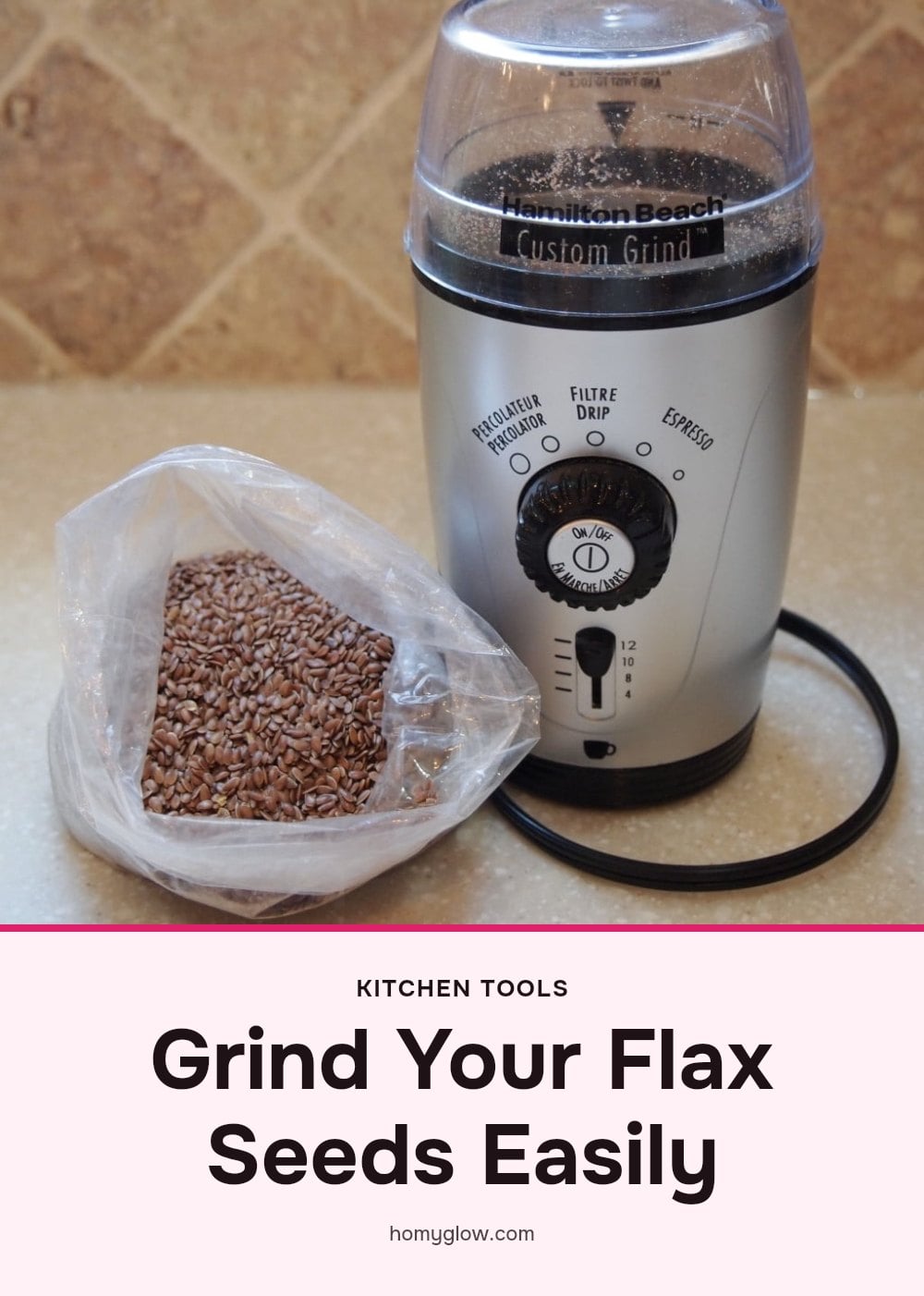
You have two starting points: whole flax seeds or pre-ground flaxseed meal. Whole seeds stay fresh longer, so a coffee grinder or spice grinder is your key tool for turning them into a fine powder right when you need it. For either form, an airtight container is non-negotiable. Ground flaxseed meal goes rancid quickly when exposed to heat, light, or air, so proper storage directly affects both the taste and the nutrient quality.
How to Prepare and Store Flax Seeds for Maximum Benefits

- Grind just before use: Measure the whole seeds you need, then pulse them in your grinder until they become a fine powder. The nutrients in freshly ground flax are far more bioavailable than those in whole seeds.
- Store whole seeds properly: Keep whole flax seeds in a cool, dark pantry or the refrigerator. They stay fresh for months this way because the seed coat protects the oils inside.
- Store ground meal with care: Transfer any leftover ground flaxseed meal into an airtight container and place it in the refrigerator or freezer. The cold temperature slows the oxidation that causes rancidity.
- Start small and increase gradually: Begin with 1 teaspoon of ground flax per day. After a few days, if your digestion feels fine, work up to 1-2 tablespoons daily. This gradual approach gives your gut time to adjust to the extra fiber.
Simple Ways to Add Ground Flax Seeds to Your Meals

Sweet Breakfast Additions
Stir a tablespoon of ground flax into your morning smoothie or yogurt. The mild, nutty taste disappears among the other ingredients, so you won’t notice it’s there. Sprinkle it over oatmeal or cold cereal for an extra texture boost and a fiber upgrade.
Baking and Egg Replacement
Incorporate ground flax into muffins, bread, or pancake batter by replacing up to a quarter of the flour. For vegan baking, mix 1 tablespoon of ground flax with 3 tablespoons of water and let it sit for 5 minutes. That gel replaces one egg in most recipes, binding the ingredients just like the real thing.
Savory Dishes
Add a spoonful to soups, stews, or salad dressings. The flax absorbs some liquid and thickens the dish slightly, which works especially well in broth-based soups. Sprinkle it over salads for a subtle crunch and a nutritional boost without changing the flavor profile.
Common Mistakes When Using Flax Seeds (And How to Avoid Them)
Not grinding flax seeds: Whole seeds can pass through your digestive system without breaking down, so you miss the omega-3s, fiber, and lignans. Always grind them before eating.
Improper storage: Ground flax seeds go rancid quickly at room temperature. Store them in an airtight container in the refrigerator or freezer.
Expecting immediate drastic results: Benefits like improved digestion may appear in days to weeks, but long-term health improvements take consistent use over months.
Confusing flaxseed oil with ground seeds: Flaxseed oil is rich in ALA but lacks the fiber and lignans found in ground seeds. Use ground seeds for the full nutritional package.
Top Tips for Incorporating Flax Seeds Seamlessly
Drink plenty of water: Flax seeds are high in fiber, so increase your water intake to prevent constipation or bloating.
Start with 1 teaspoon: Gradually increase to 1-2 tablespoons daily over a week or two to let your digestive system adjust.
Buy whole seeds and grind as needed: Whole seeds stay fresh for months in a cool, dark place. Grind only what you’ll use within a few days.
Don’t use flaxseed oil for high-heat cooking: Its omega-3s are sensitive to heat and can degrade. Use oil in dressings or drizzle over finished dishes.
When to Consult a Healthcare Professional About Flax Seeds
Consult a healthcare professional before adding flax seeds to your diet if:
- You take blood-thinning medications, as the omega-3s may affect clotting.
- You have digestive conditions like inflammatory bowel disease or diverticulitis, where high fiber may worsen symptoms.
- You are pregnant or breastfeeding, to ensure safe intake levels.
- You experience unusual digestive discomfort after consumption, such as bloating or pain.
What to Expect: Timeline and Cost of Flax Seeds
Digestive benefits: You may notice improved bowel regularity within a few days to weeks of regular use.
Long-term effects: Consistent consumption over months supports heart health and provides steady antioxidant intake.
Cost and availability: Flax seeds are widely available in grocery stores and generally affordable. A bag of whole seeds lasts a significant time when stored properly.
Frequently Asked Questions
What is the best type of flax seed to buy?
Both brown and golden flax seeds have similar nutritional profiles, so the best type is the one you can find fresh. Whole seeds stay fresh longer than ground, so buying whole and grinding them yourself is often a good choice. Look for seeds that are dry and free of debris, and store them properly to maintain quality.
Can I eat too many flax seeds?
Yes, eating excessive amounts of flax seeds can cause digestive issues like constipation or bloating, especially if you do not drink enough water. Stick to the recommended 1-2 tablespoons of ground flax seeds daily. If you have a digestive condition or take blood thinners, talk to your doctor before adding flax seeds to your diet.
Do flax seeds help with weight loss?
Flax seeds are high in fiber, which can help you feel fuller for longer, potentially supporting weight management. However, they are not a magic solution. Adding them to a balanced diet and healthy lifestyle may help, but expect gradual changes. Always pair them with adequate water and overall healthy habits.
How long do flax seeds stay fresh?
Whole flax seeds stored in a cool, dark place or the refrigerator can last for several months. Ground flaxseed meal, however, goes rancid quickly at room temperature, so keep it in an airtight container in the fridge or freezer. For best quality, grind whole seeds just before use.
Final Thoughts
To get the most from flax seeds, grind them fresh and store them properly. Start with a small amount, like 1 teaspoon, and work up to 1-2 tablespoons daily over a week or two. Expect digestive improvements within a few days to weeks, but remember that long-term health benefits come from consistent use over months.
Keep your ground flax in the fridge or freezer, and always drink enough water. If you have any health concerns or take medications, check with your healthcare provider first. With these simple steps, flax seeds can be an easy, nutritious addition to your everyday meals.
This article is for general informational purposes only and is not a substitute for professional medical advice. Always consult your doctor or a qualified healthcare provider before making significant dietary changes, especially if you have a medical condition, are pregnant or breastfeeding, or take medications. If you experience any adverse effects, seek professional guidance promptly.