That uncomfortable, tight feeling in your belly can make you want to hide in loose clothing. It’s usually just excess gas or fluid, not weight gain, and simple daily habits can bring real relief. This article covers the common causes of a bloated belly and the at-home methods that actually help, from eating mindfully to knowing when it’s time to see a doctor.

Key Takeaways
- Eat smaller, more frequent meals and chew each bite 20-30 times to reduce air swallowing.
- Stay hydrated with water between meals, not during, to support digestion and prevent constipation.
- Incorporate gentle movement like walking or yoga to stimulate bowel activity and release trapped gas.
- Limit carbonated drinks, gum, and high-FODMAP foods if you notice they trigger bloating.
- If bloating lasts more than a few days or comes with pain, see a doctor to rule out underlying issues.
What Causes a Bloated Belly and How to Find Relief
A bloated belly is that uncomfortable feeling of fullness and tightness in your abdomen, often caused by excess gas or fluid retention, not actual weight gain. The good news is that simple lifestyle changes like eating mindfully, staying hydrated, and moving your body can bring quick relief. But if your bloating persists for more than a few days or comes with severe pain, it’s time to check in with a doctor.
Why Your Belly Might Be Bloated
Common Culprits Behind Bloating
Bloating often starts with excess gas production in your digestive tract. Swallowing air while eating too fast, chewing gum, or sipping carbonated drinks can also add to the problem. Certain foods, especially those high in fermentable carbs (FODMAPs), may trigger bloating if you’re sensitive to them.
Constipation is another frequent cause, as trapped stool leads to gas buildup and that swollen feeling. Hormonal shifts during your menstrual cycle can cause water retention, making your belly feel fuller. Eating large meals can overwhelm your digestive system, and stress or anxiety can slow gut motility, leaving you bloated.
- Gas production: Fermentation of undigested food in the colon creates gas.
- Swallowed air: Fast eating, gum, and fizzy drinks add air to your gut.
- High-FODMAP foods: Onions, garlic, beans, and some fruits can be triggers.
- Constipation: Hard, infrequent stools block gas from passing.
- Hormones: Estrogen and progesterone changes affect fluid balance.
- Large meals: Overloading the stomach delays emptying.
- Stress: Anxiety alters gut contractions and digestion.
Effective At-Home Methods to Relieve Bloating

What Actually Helps When You’re Bloated
When bloating hits, you want relief fast. Here are methods I’ve found genuinely useful, and they’re all easy to do at home.
Slow down at meals: Eating slowly and chewing each bite thoroughly reduces the air you swallow. Put your fork down between bites and focus on your food. This gives your stomach time to signal fullness, so you’re less likely to overeat.
Stay hydrated: Drinking water throughout the day, especially between meals, keeps things moving and prevents constipation. My tip: keep a water bottle on your desk and sip regularly, not just when you’re thirsty. Avoid gulping large amounts during meals, as that can dilute digestive enzymes.
Move your body: A brisk 10-minute walk after a meal stimulates digestion and helps push gas out. Even gentle stretching or yoga poses like child’s pose can ease discomfort. Regular activity, not just after eating, supports healthy bowel movements.
Know your trigger foods: Keep a food diary for a week to spot patterns. Common triggers include beans, broccoli, onions, and artificial sweeteners. You don’t have to cut them all, just reduce the ones that bother you. Carbonated drinks and chewing gum can also add air to your system.
Manage stress: Deep breathing or a short meditation session can calm your gut. When you’re stressed, your digestion slows, so a few minutes of relaxation can make a real difference. Try this before meals if you tend to eat quickly when anxious.
Try probiotics: Fermented foods like yogurt, kefir, or sauerkraut may help balance gut bacteria. Some people notice less bloating with regular probiotic intake, but results vary. If you consider a supplement, check with your doctor first.
Massage your belly: Lie down and gently press in circles around your navel, moving clockwise. This can help move trapped gas along. Caution: stop if it hurts or feels tender, and avoid pressure right after a big meal.
Sip herbal tea: Peppermint or ginger tea are traditional remedies for soothing the digestive tract. Steep a cup after a heavy meal and sip slowly. Ginger can also help if you feel nauseous, while peppermint may relax the gut muscles.
Preventing a Bloated Belly: Daily Habits for Long-Term Comfort
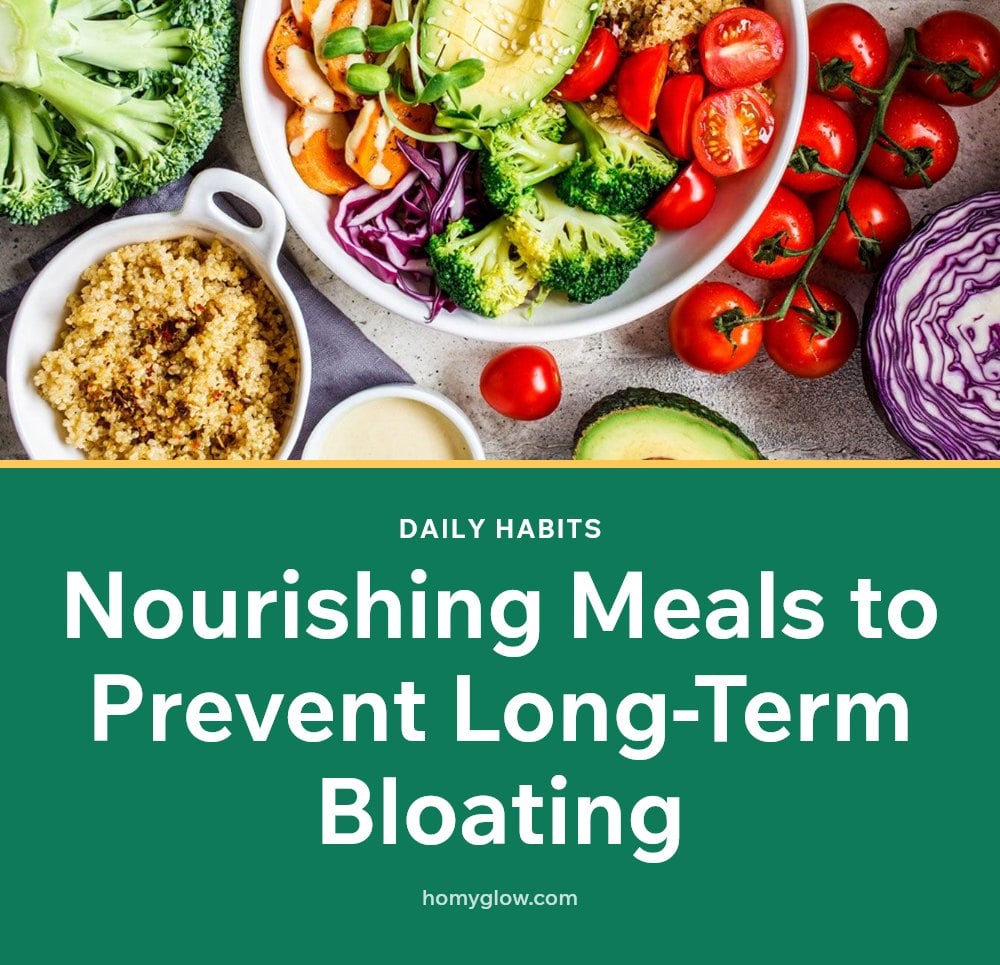
Daily Habits to Keep Bloating Away
Prevention is about consistent habits, not quick fixes. Here’s what I stick to most days:
- Eat smaller meals: Four to five mini-meals instead of three big ones keep your digestive system from getting overwhelmed.
- Chew thoroughly: Aim for 20-30 chews per bite to start breaking down food before it hits your stomach.
- Drink between meals: Sip water 30 minutes before or after eating, not during, to avoid diluting digestive enzymes.
- Move daily: Even a 20-minute walk most days keeps your gut active.
- Skip fizzy drinks and gum: Both introduce extra air into your digestive tract.
- Limit artificial sweeteners: Sugar alcohols like sorbitol and xylitol can cause gas in some people.
- Address constipation fast: If you go less than three times a week, increase fiber and water gradually.
Common Bloating Mistakes to Avoid
When you’re bloated, it’s tempting to blame every food in your fridge. But assuming all bloating is a food intolerance can send you down the wrong path. Eating habits, stress levels, and even how fast you chew all play a role.
Cutting out too many food groups: If you remove dairy, gluten, and legumes all at once, you risk missing key nutrients. Your gut may also react poorly to sudden dietary shifts. Try eliminating one suspected trigger at a time for a week before deciding.
Relying solely on OTC remedies: Gas relief pills or anti-bloat supplements can mask symptoms, but they don’t address why bloating happens in the first place. Focus on your eating pace, hydration, and stress management first.
Drinking large amounts of water during meals: Sipping water with food can dilute digestive enzymes, making it harder for your stomach to break down what you eat. Drink water between meals instead to stay hydrated without slowing digestion.
Ignoring chronic bloating: If you feel bloated most days and it lasts for more than a few days, don’t assume it’s normal. Persistent bloating can signal an underlying condition like IBS or a food sensitivity. A doctor can help identify the real cause.
Tools and Aids for Bloating Relief

I keep a few simple items on hand that genuinely help when bloating strikes. A water bottle is non-negotiable for staying hydrated, which keeps things moving and prevents constipation. Herbal teas like peppermint, ginger, or chamomile are my go-to for soothing digestion without adding gas.
Probiotic-rich foods: Yogurt, kefir, or sauerkraut can help balance gut bacteria over time. I add a serving most days. Heating pad or warm compress: Placing one on my abdomen for 10-15 minutes eases discomfort and relaxes muscles. Loose-fitting clothing: Tight waistbands compress your abdomen and can worsen the feeling, so I swap for soft, stretchy bottoms when needed.
When to Consult a Doctor About Your Bloated Belly
Severe or persistent bloating: If your bloating lasts more than a few days, keeps coming back, or gets worse over time, it’s time to check in with a doctor. Occasional bloating after a big meal is normal, but ongoing discomfort isn’t something to brush off.
Watch for red-flag symptoms: See a healthcare provider if bloating comes with severe abdominal pain, unintentional weight loss, blood in your stool, persistent diarrhea or constipation, or a fever. These can be signs of conditions like irritable bowel syndrome, celiac disease, Crohn’s disease, or even certain cancers. Self-diagnosis can delay proper treatment.
Before taking supplements: Always consult a doctor before starting new supplements, including probiotics or herbal remedies, especially if you are pregnant or on other medications. A professional can help you figure out the root cause and guide safe next steps.
Frequently Asked Questions
How quickly can I get rid of a bloated belly?
You can often feel relief within hours to a day by making simple changes like sipping herbal tea, taking a short walk, or doing gentle abdominal massage. But for long-term prevention, you’ll need to stick with habits like eating smaller meals and staying hydrated consistently.
What foods should I avoid if I have a bloated belly?
Common triggers include high-FODMAP foods like onions, beans, and wheat, as well as carbonated drinks and artificial sweeteners. But triggers are individual, so pay attention to what bothers your own system rather than cutting out everything at once.
Can stress really cause a bloated belly?
Yes, stress and anxiety can slow down gut motility and disrupt digestion, leading to gas buildup and bloating. Relaxation techniques like deep breathing or meditation can help calm your digestive system and reduce that uncomfortable fullness.
Is it normal to have a bloated belly every day?
Occasional bloating after a large meal or during your period is normal, but daily bloating could signal an underlying issue like IBS, a food intolerance, or constipation. If it’s persistent, it’s a good idea to talk to a doctor.
Do probiotics actually help with bloating?
Probiotics may help balance gut bacteria and reduce bloating for some people, but results vary. Fermented foods like yogurt or kefir are a natural source, and you can try them for a few weeks to see if they make a difference for you.
Final Thoughts
My tip: Keep a water bottle and a box of peppermint tea on hand for those days when your belly feels off. With consistent habits like eating slowly and moving regularly, you can expect relief within hours to a day for most episodes. Remember, occasional bloating is normal, but persistent discomfort is worth checking with a professional.
This article is for general informational purposes only and is not a substitute for professional medical advice. If you have persistent or severe bloating, or if it’s accompanied by pain, fever, or other concerning symptoms, please consult a doctor or a registered dietitian. Always speak with a healthcare provider before starting any new supplement or dietary change.