Feeling wired, anxious, or dealing with stubborn digestive issues? Your vagus nerve, the longest nerve in your body, might be the key to finding calm. It runs from your brainstem to your abdomen and controls your ‘rest and digest’ response. In this article, I’ll share simple, beginner-friendly practices to help you reset your vagus nerve and support your overall well-being.
Key Takeaways
- Practice slow, deep belly breathing daily, making your exhale longer than your inhale.
- Splash cold water on your face in the morning to stimulate the vagus nerve.
- Incorporate humming, singing, or gargling into your routine to activate throat muscles.
- Engage in moderate aerobic exercise and mindfulness to boost vagal tone over time.
- Be consistent for weeks to months to see sustained improvements in stress resilience.
What is the Vagus Nerve and Why Reset It?
The vagus nerve is the longest cranial nerve in your body, running from your brainstem down through your neck and chest to your abdomen. It’s a key player in your parasympathetic nervous system, which handles ‘rest and digest’ functions like slowing your heart rate and supporting digestion. When you reset or stimulate this nerve, you can help regulate your heart rate, digestion, and mood. Many people find that regular vagus nerve activation promotes relaxation and may reduce inflammation throughout the body.
Understanding Vagal Tone and Its Impact on Your Health
Vagal tone refers to how active your vagus nerve is. A higher vagal tone means your body is better at relaxing and recovering from stress. When your vagal tone is low, your body may stay stuck in ‘fight or flight’ mode, which can lead to increased stress, anxiety, and even digestive issues.
Stimulating the vagus nerve helps switch your body into its ‘rest and digest’ state. This can reduce inflammation and improve your resilience to stress over time. The good news is that you can influence your vagal tone with simple daily practices.
Simple Practices to Activate Your Vagus Nerve
You don’t need any special equipment to activate your vagus nerve. Here are some of the most effective methods I’ve found.
Deep Belly Breathing
Slow, deep diaphragmatic breathing is one of the most powerful ways to stimulate the vagus nerve. Place one hand on your belly and breathe in through your nose for a count of four, then exhale slowly through your mouth for a count of six or eight. The longer exhale is key.
My tip: I do this for just two minutes before bed, and it helps me wind down.
Cold Exposure
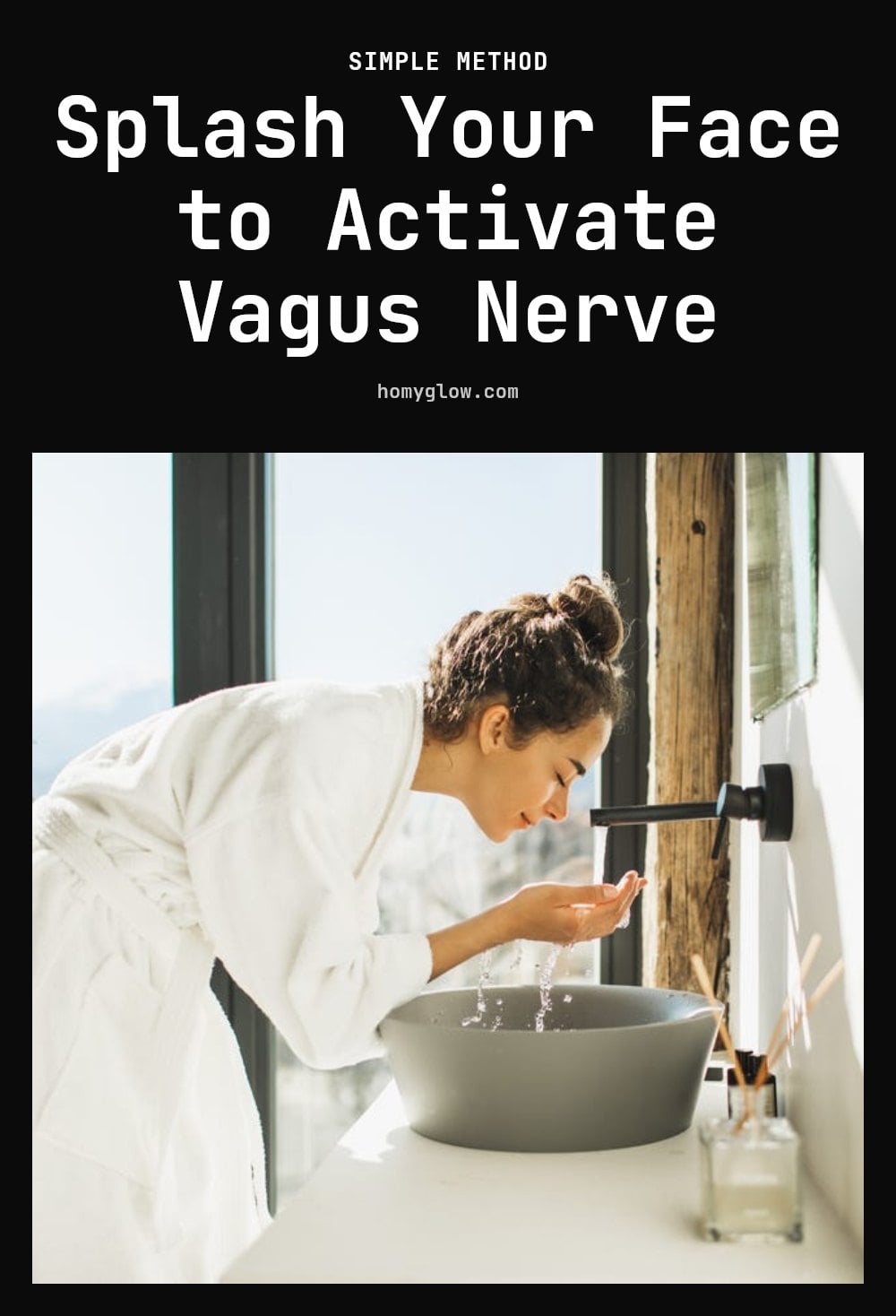
Splashing cold water on your face or taking a cold shower can activate the vagus nerve. The cold sensation triggers a relaxation response.
Caution: If you have a heart condition, check with your doctor before trying cold exposure. Start with a quick splash, not a full cold shower.
Humming, Chanting, or Gargling
These activities work your vocal cords and throat muscles, which are connected to the vagus nerve. Try humming a tune for a minute or gargling vigorously with water until your eyes water.
Regular Exercise
Moderate aerobic activity, like brisk walking or cycling, can improve vagal tone over time. Aim for at least 30 minutes most days.
Mindfulness and Meditation
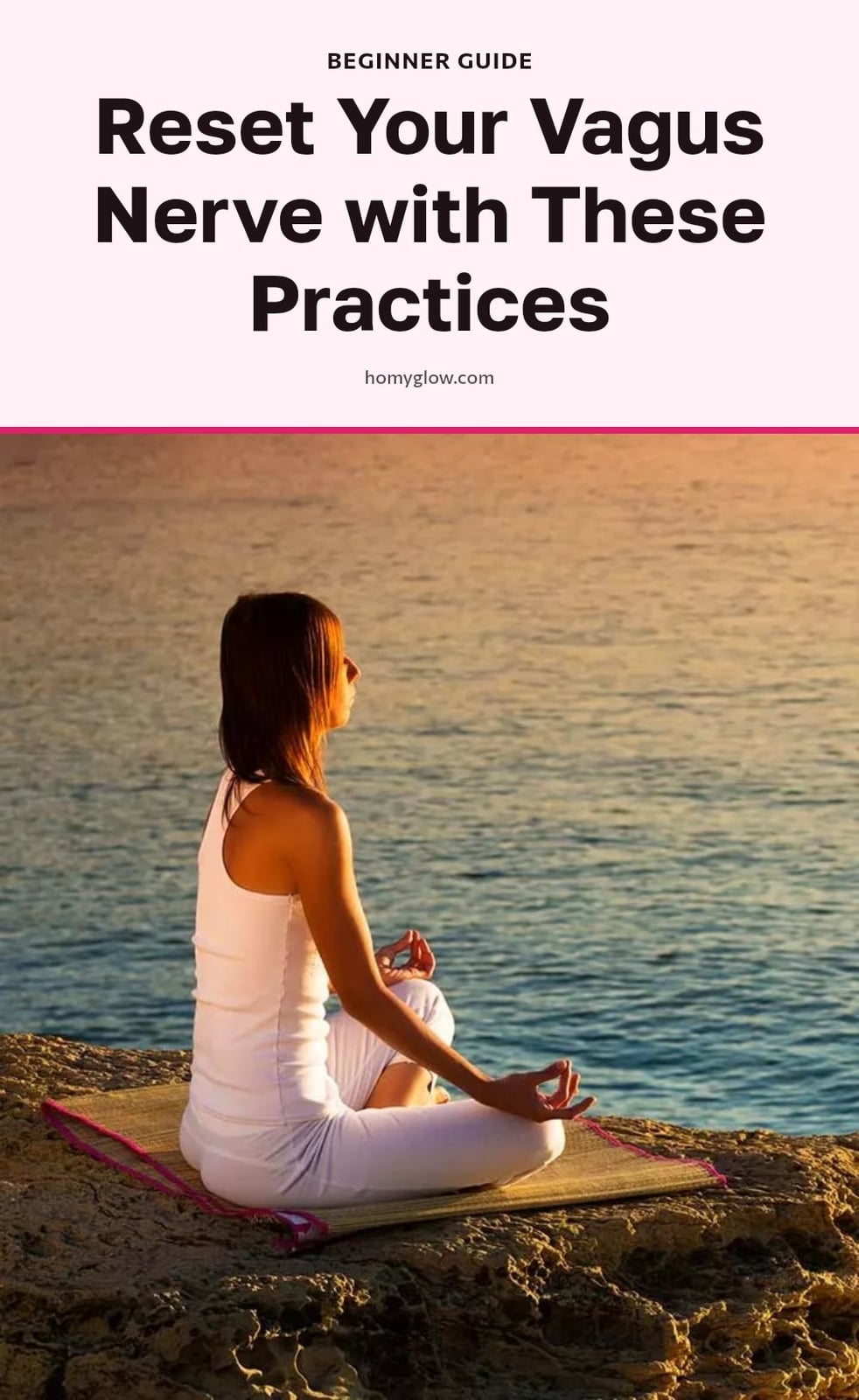
Practicing mindfulness or meditation enhances vagal activity. Even five minutes of focused breathing or body scan can help.
Laughter and Social Connection
Laughing with friends or having a genuine conversation positively impacts vagal tone. Make time for people who make you laugh.
Your Daily Vagus Nerve Reset Routine
Consistency matters more than intensity. Here’s a simple daily routine to reset your vagus nerve.
- Start with belly breathing: When you wake up, sit up and take five slow, deep breaths into your belly. Exhale longer than you inhale to calm your nervous system.
- Add a cold splash: After washing your face, splash cold water on it a few times. This quick invigoration stimulates the vagus nerve.
- Hum during daily tasks: While brushing your teeth or commuting, hum a tune or sing softly. This engages your vocal cords and throat muscles.
- Move your body: Take a brisk walk or do light stretching during your lunch break. Regular movement supports vagal tone.
- Practice mindfulness and connect: Spend a few minutes in quiet meditation, then call a friend or share a laugh with a coworker. Social connection boosts vagal activity.
These practices are complementary and not a replacement for medical treatment. If you have chronic health issues, talk to your doctor before making significant changes.
Common Mistakes When Stimulating Your Vagus Nerve
I’ve seen a lot of people jump into vagus nerve work with the wrong expectations. Here’s what to avoid so you actually get results.
- Treating it as a cure-all: These practices are supportive tools, not replacements for medical treatment. They can help you feel calmer, but they won’t fix an underlying condition on their own.
- Expecting instant relief: If you’re dealing with chronic stress or anxiety, one breathing session won’t undo years of patterns. Consistency over time is what builds lasting change.
- Skipping the routine: Regularity matters more than intensity. Five minutes daily beats a 30-minute session you do once a month.
- Forcing extreme cold: Cold exposure works, but only if you listen to your body. Start with a quick splash of cold water on your face, not a full icy shower.
- Ignoring medical issues: If you have persistent health concerns, see a professional. Don’t let vagus nerve work distract you from real medical care.
Top Tips for Boosting Vagal Tone

These extra tips have made the biggest difference in my own routine. They’re simple, but they pack a punch.
- Focus on the exhale: When you do belly breathing, make your exhale longer than your inhale. That slow, deep exhale is where the vagus nerve activation really happens.
- Gargle until your eyes water: It sounds odd, but gargling vigorously with water stimulates the throat muscles connected to the vagus nerve. Try it for 30 seconds a few times a week, or as suggested in section 3, until your eyes water.
- Prioritize social connection: Laughter with a friend or a genuine conversation is a natural vagus nerve booster. Schedule time with people who make you laugh.
- Try gentle massage: Some people find that light massage around the neck and feet helps. Use slow, circular motions and see if it relaxes you.
- Protect your sleep: Quality sleep and stress management support your vagal tone more than any single exercise. Keep a consistent bedtime and wind-down routine.
My tip: Combine the gargling with your morning routine. It’s an easy way to remember it, and the strange sensation is actually a good sign the nerve is being engaged.
When to Consult a Healthcare Professional
Most of these practices are safe for healthy people, but a few situations call for a doctor’s input first.
- Heart conditions: Check with your doctor before trying cold exposure, including cold showers or face splashes.
- Respiratory conditions: If you have asthma or another breathing issue, talk to your doctor before starting new breathing exercises.
- Listen to your body: Stop any practice that causes pain, dizziness, or discomfort. These tools should feel calming, not stressful.
- Not a substitute: Vagus nerve practices are complementary. They don’t replace professional medical advice, diagnosis, or treatment.
- Chronic issues: If you have ongoing health problems, consult your doctor before making significant changes to your wellness routine.
Timeline for Results and Cost Considerations
You might feel a sense of calm right after a breathing session or a cold splash. That immediate relief is real, but it’s temporary.
For sustained improvements in vagal tone and overall well-being, plan on weeks to months of consistent practice. Think of it like physical fitness: one workout feels good, but regular training changes your body.
The good news? Most of these practices cost nothing. You only need your breath, some cold water, and a few minutes of your day. The real investment is your time and commitment to making them a habit.
Frequently Asked Questions
What is the vagus nerve and why is it important?
The vagus nerve is the longest cranial nerve, running from your brainstem down through your neck and chest to your abdomen. It’s a major part of your parasympathetic nervous system, which controls ‘rest and digest’ functions like heart rate and digestion. A well-functioning vagus nerve helps your body relax and recover from stress, supporting overall health.
How quickly can I expect to feel results from vagus nerve stimulation?
You may feel a sense of calm or relaxation right after a deep breathing session or a cold splash, but that relief is temporary. For sustained improvements in vagal tone and stress resilience, plan on practicing consistently for weeks to months. Think of it like exercise: a single workout feels good, but real changes take time.
Can vagus nerve exercises help with anxiety?
Many people find that practices like deep breathing, humming, and mindfulness help them feel calmer and more grounded, which can ease anxiety symptoms. These exercises activate the parasympathetic nervous system, promoting relaxation. However, they are not a cure or a substitute for professional care. If anxiety is persistent or severe, talk to a mental health provider.
Are there any risks to stimulating the vagus nerve at home?
For most healthy people, these practices are safe, but there are a few cautions. If you have a heart condition, check with your doctor before trying cold exposure. If you have asthma or another respiratory condition, consult a professional before starting new breathing exercises. Always stop any practice that causes pain or discomfort.
Final Thoughts
Start with one or two practices that feel doable, like a few minutes of belly breathing each morning or a cold splash before your shower. Remember, these are supportive tools, not quick fixes. You might feel a temporary calm right away, but lasting changes in your vagal tone and stress response come from regular practice over weeks to months. Be patient with yourself and listen to your body. If you have any health concerns, especially heart or respiratory conditions, check with your doctor first.
This article is for general informational purposes only and is not a substitute for professional medical advice. Always consult with a qualified healthcare provider before starting any new wellness practice, especially if you have a medical condition or are experiencing persistent symptoms. Do not disregard professional medical guidance or delay seeking treatment based on what you read here.