When life throws you a curveball, it’s easy to feel like you’re barely keeping your head above water. The good news is that resilience isn’t something you’re born with; it’s a skill you can build, one habit at a time. This article walks you through 11 practical habits that can help you navigate tough times with more ease and confidence.
From strengthening your social connections to finding purpose, these strategies are designed to fit into your everyday life. You’ll also learn common pitfalls to avoid and get answers to frequently asked questions about building resilience.
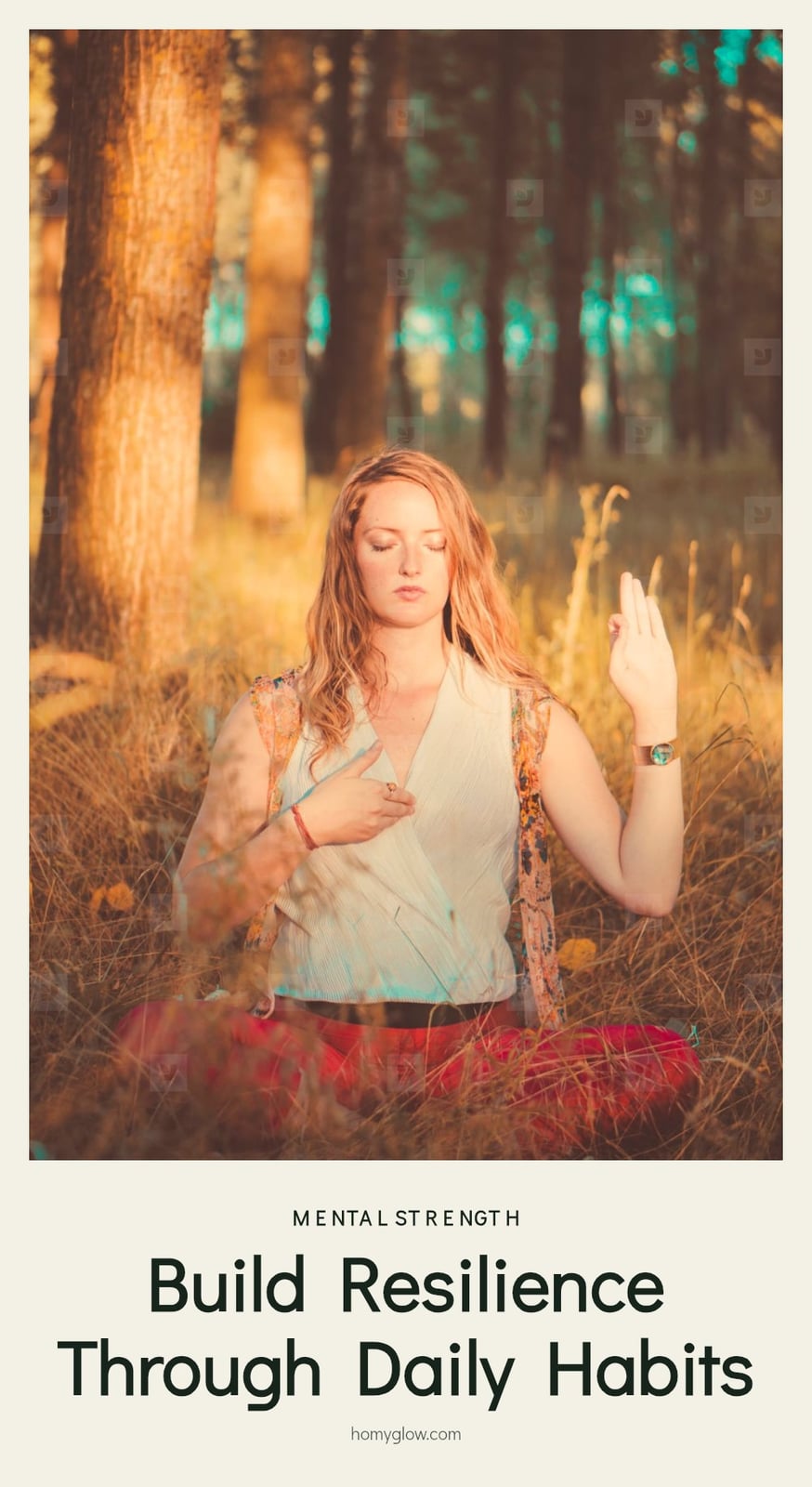
Key Takeaways
- Resilience is a skill you can learn and strengthen over time, not a fixed trait.
- Strong social connections and regular physical activity are key resilience boosters.
- Practice self-compassion and mindfulness daily to improve emotional regulation.
- Break big challenges into small, achievable goals to build momentum.
- Accept change as a natural part of life to increase adaptability.
What is Resilience and Why Does it Matter?
Resilience is your ability to adapt and recover from life’s curveballs, whether it’s stress, adversity, or even trauma. It’s not about avoiding difficulties, but rather developing the mental and emotional strength to navigate them effectively and bounce back stronger. Think of it as your inner superpower that helps you cope, learn from experiences, and maintain your well-being, no matter what comes your way.
1. Cultivate Strong Social Connections

Reach out to friends, family, or community groups. Strong social networks are a major buffer against stress and loneliness. You don’t need a huge circle; a few reliable people who listen without judgment can make a real difference.
- Schedule regular check-ins: Set a weekly call or coffee date with someone who uplifts you.
- Join a group: Book club, hiking meetup, or volunteer team can expand your support system.
My tip: Even a quick 10-minute call can shift your mood and remind you that you’re not alone.
2. Practice Self-Compassion Daily
Treat yourself with the same kindness and understanding you would offer a good friend, especially when you’re struggling. Avoid dwelling on negative self-talk or past mistakes; that only deepens the stress. Instead, acknowledge your feelings without judgment and remind yourself that everyone has hard days.
- Use positive affirmations: Say “I’m doing the best I can” or “This is hard, and that’s okay.”
- Write it down: Journaling your emotions helps you process them without spiraling.
My tip: When you catch yourself being self-critical, pause and ask: “Would I say this to a friend?” Then rephrase it kindly.
3. Engage in Regular Physical Activity

Movement is a powerful stress reliever and mood booster. It doesn’t have to be intense; even a brisk walk counts. Regular physical activity lowers stress hormones and releases endorphins, which can improve your outlook and energy.
Find an activity you enjoy to make it sustainable. Dancing, swimming, yoga, or gardening all work.
- Start small: A 10-minute walk after lunch is better than none.
- Buddy up: Exercising with a friend makes it more fun and keeps you accountable.
Tip: Aim for at least 30 minutes most days of the week, but don’t stress if you miss a day. Consistency matters more than perfection.
4. Prioritize Quality Sleep and Nutrition
Your physical health is the foundation for mental strength. Aim for 7-9 hours of sleep and nourish your body with balanced meals. When you’re well-rested and fueled properly, your brain handles stress more effectively.
Good to know: Create a consistent bedtime routine and limit screen time before bed to improve sleep quality. Try winding down with a book or gentle stretches instead of scrolling.
5. Practice Mindfulness or Meditation

Mindfulness helps you stay present and improves emotional regulation. Even 5-10 minutes a day can make a big difference. By training your brain to observe thoughts without reacting, you reduce the intensity of stress responses.
Pro move: Use guided meditation apps or simply focus on your breath. It’s about observing, not judging. Start with a few minutes each morning.
6. Set Small, Achievable Goals
When facing big challenges, breaking them down into smaller, manageable steps can prevent overwhelm and build momentum. Each small success boosts your self-efficacy and confidence, making the next step feel achievable.
Quick tip: Celebrate every win, no matter how tiny. Finished one email? Acknowledge it. Took a short walk? That counts. These small victories reinforce your ability to keep going.
7. Seek Opportunities for Growth
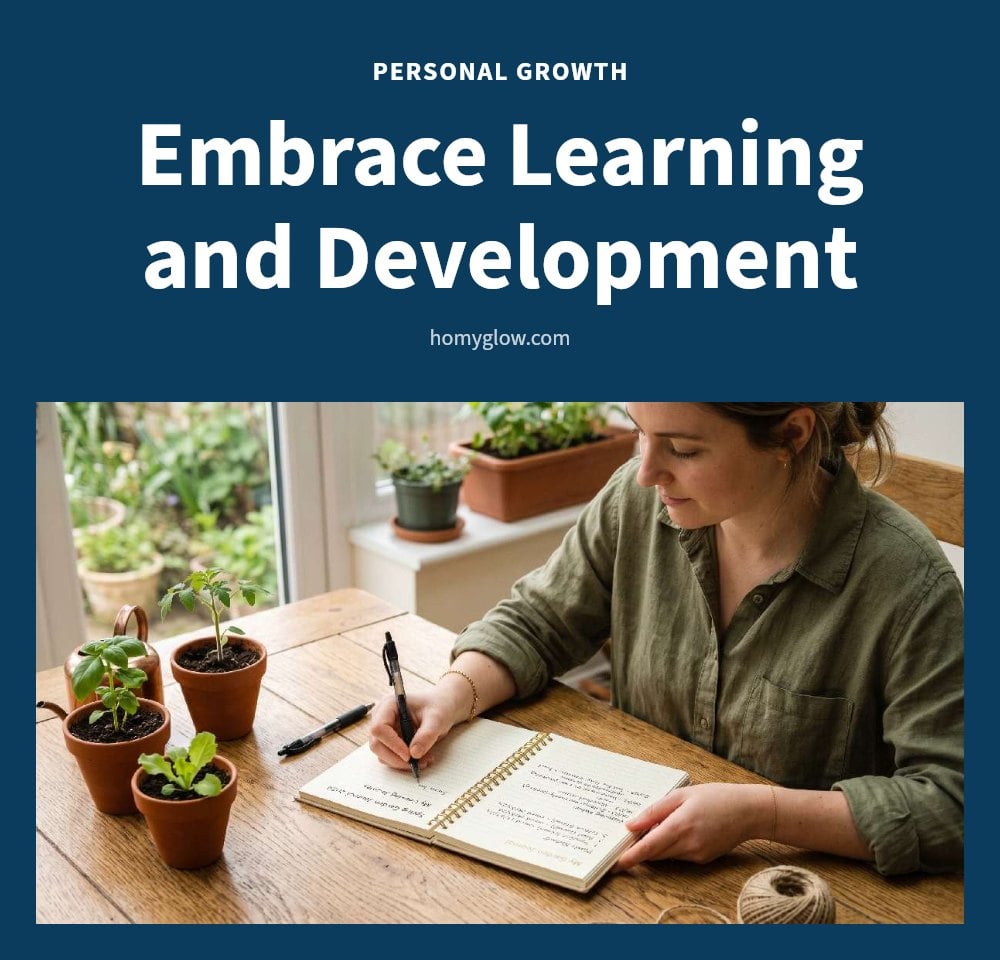
View challenges not just as obstacles, but as chances to learn and develop new skills or perspectives. This positive outlook helps you see adversity as a catalyst for personal evolution rather than a setback.
Tip: Ask yourself, ‘What can I learn from this?’ Even a difficult situation often teaches patience, resourcefulness, or self-awareness. Write down one insight after a tough experience.
8. Help Others When You Can
Helping others shifts your focus away from your own struggles and builds a sense of purpose. Even small gestures, like listening to a friend or offering to help a neighbor, can foster connection and remind you of your own strengths. Good to know: Start with one small, kind act each week, such as sending an encouraging text or volunteering for an hour. You’ll likely feel more empowered and less alone.
9. Develop Problem-Solving Skills
Feeling equipped to tackle problems head-on gives you a greater sense of control during difficult times. Start by clearly defining the issue, then brainstorm several possible solutions without judging them yet. Pro move: Weigh the pros and cons of each option, then pick one course of action and try it. Avoid getting stuck in analysis paralysis; taking any step forward builds momentum and confidence.
10. Accept That Change is Part of Life
Resistance to change often causes more suffering than the change itself. Learning to accept that life is constantly shifting increases your adaptability and reduces anxiety. Quick tip: When you feel stuck, remind yourself that feelings and situations are temporary. Repeat the simple mantra, “This too shall pass.” It helps you stay grounded and open to what comes next.
11. Find Purpose or Meaning

Having a sense of purpose provides a strong anchor during tough times, giving you a reason to keep going. Your purpose can come from work, relationships, or personal values. Tip: Take a few minutes to reflect on what truly matters to you, then align your daily actions with those values. Even small steps toward your purpose can bring clarity and resilience.
Common Mistakes When Building Resilience
Believing resilient people don’t experience pain or sadness: This is a myth. Resilient individuals feel emotions deeply but learn to process and move through them. You can acknowledge the hurt without letting it define you.
Thinking resilience is an innate trait: It is a dynamic process, not something you either have or don’t. You can absolutely develop it with practice, just like any other skill.
Trying to handle everything alone: Isolating yourself depletes your strength. Reach out for support from friends, family, or professionals. Connection is a key part of bouncing back.
Expecting immediate results: Building resilience is a gradual journey, not a quick fix. Be patient and consistent with your efforts. Small steps add up over weeks and months.
Ignoring physical health: Your mental and emotional strength are deeply connected to your physical well-being. Do not neglect sleep, nutrition, and exercise. They form the foundation for everything else.
Frequently Asked Questions
How long does it take to build resilience?
Building resilience is an ongoing process, not a quick fix. With consistent effort and practice, many people notice improvements in their coping skills over a period of weeks to months. The key is to keep showing up for yourself, even in small ways, and to be patient with your progress.
Can resilience prevent all stress?
No, resilience doesn’t make stress disappear. It helps you manage and recover from stress more effectively. You’ll still face challenges and feel difficult emotions, but resilience gives you the tools to navigate them without being overwhelmed. It’s about bouncing back, not avoiding the fall.
What if I feel like I’m not making progress?
It’s common to feel stuck at times. Remember that resilience is a gradual process, and setbacks are part of the journey. Try revisiting your goals and celebrating small wins. If you’re feeling persistently overwhelmed or hopeless, consider reaching out to a mental health professional for extra support.
Is resilience just about being positive all the time?
Not at all. Resilience involves acknowledging and processing difficult emotions, not ignoring them. A positive outlook helps you see challenges as opportunities, but it’s balanced with realism and self-compassion. You can feel sad or frustrated and still be resilient.
How do I know if I’m resilient?
Resilience isn’t a pass or fail trait; it’s a spectrum. You might notice you’re able to cope with stress better than before, or that you recover from setbacks more quickly. If you’re actively using coping strategies and seeking support when needed, you’re building resilience, even if it doesn’t always feel like it.
Final Thoughts
Building resilience is a gradual process, so be patient with yourself. Start by picking just one or two habits from this list and weaving them into your routine. For example, you might schedule a weekly call with a friend or commit to a 10-minute mindfulness practice each morning.
Over weeks and months, you’ll likely notice that you’re coping with stress more effectively and bouncing back from setbacks with more ease. Remember, resilience isn’t about never falling; it’s about getting up each time, stronger than before.
This article is for general informational purposes only and is not a substitute for professional medical or mental health advice. If you are experiencing overwhelming stress, anxiety, depression, or thoughts of self-harm, please seek help from a qualified healthcare provider or mental health professional.