You’re waking up tired, your clothes fit differently, and your mood feels like it’s on a roller coaster. If this sounds familiar, your cortisol levels might be part of the story. This article walks you through the most common signs of high cortisol in women and the lifestyle shifts that can help bring your body back into balance.

Key Takeaways
- Unexplained weight gain around the abdomen and face is a common sign of high cortisol.
- Chronic stress disrupts your natural cortisol rhythm, affecting sleep and energy.
- Persistent symptoms like rapid weight gain or easy bruising warrant a visit to your doctor.
- Prioritizing 7-9 hours of quality sleep each night supports healthy cortisol regulation.
- A balanced diet low in processed sugars can help keep your cortisol levels in check.
What is Cortisol and Why Does It Matter?
Cortisol is a vital hormone produced by your adrenal glands, which sit on top of your kidneys. It is often called the ‘stress hormone’ because its levels rise in response to stress, but it does far more than that. Cortisol also helps regulate your metabolism, reduce inflammation, and control blood sugar. While it is essential for survival, chronically elevated cortisol can lead to a range of health issues, so understanding its impact on your well-being matters.
1. Unexplained Weight Gain

One of the most common signs of high cortisol is unexplained weight gain, especially around your abdomen and face. This can show up as a ‘moon face’ or extra fat around your neck and shoulders. Cortisol influences how your body stores fat, often directing it to these areas even when your diet and exercise habits have not changed much.
- Check your waist: If your clothes feel tighter around your middle without a clear reason, cortisol may be a factor.
- Notice your face: A rounder or puffier appearance can be a clue worth mentioning to your doctor.
2. Persistent Fatigue and Low Energy
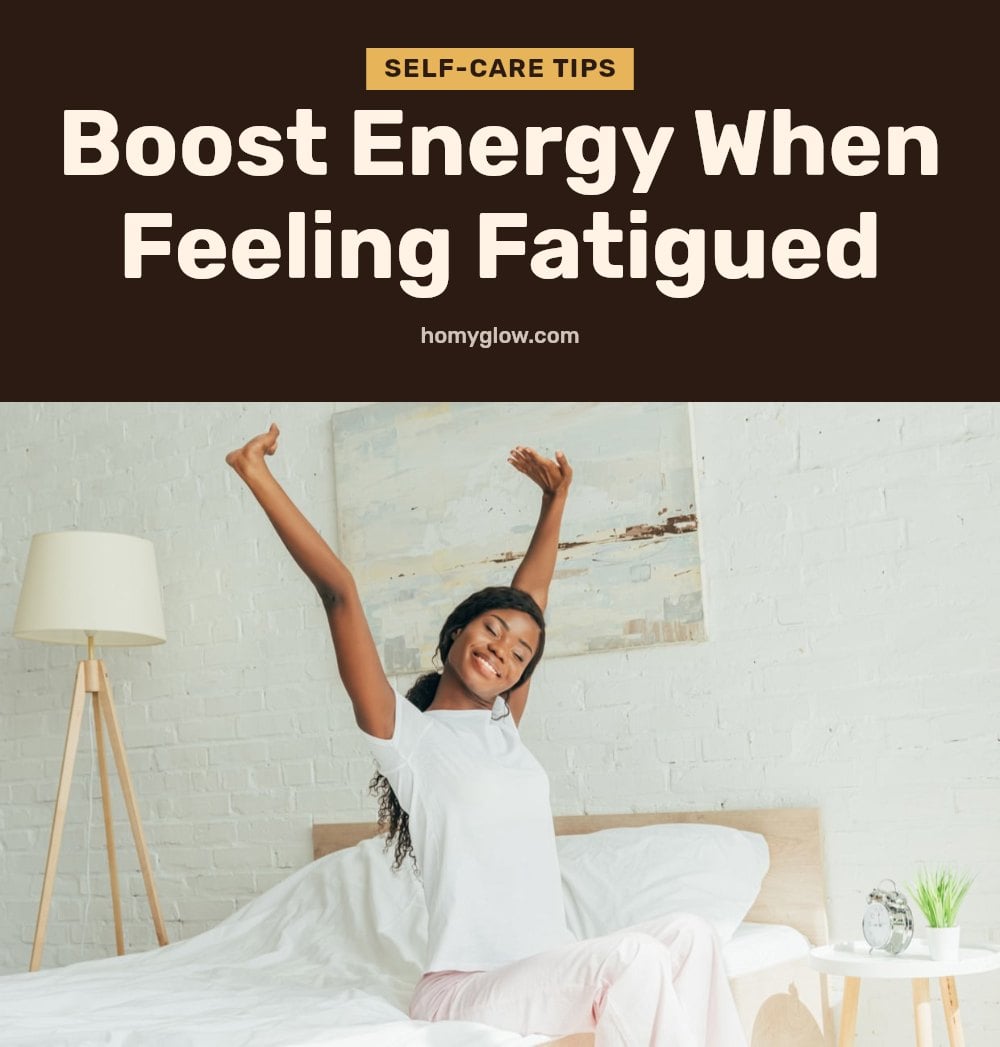
Despite getting enough sleep, you might feel constantly tired or ‘wired and tired’. Cortisol gives you an energy boost during acute stress, but chronically high levels can disrupt your sleep cycle and exhaust your body. This can leave you feeling run down even after a full night’s rest, which affects your daily activities and motivation.
- Track your energy: Note when fatigue hits hardest, as this can help you spot patterns.
- Protect your evenings: Wind down with a calming routine, like reading or gentle stretching, to support your natural cortisol rhythm.
3. Mood Swings and Irritability
High cortisol can significantly impact your mood, leading to increased anxiety, irritability, and even feelings of depression. I have noticed myself feeling more on edge when I am under a lot of stress. It can make it harder to regulate emotions and react calmly to everyday situations, creating a rollercoaster of feelings.
- Name the feeling: Simply labeling your emotion can reduce its intensity and help you respond rather than react.
- Build in a pause: Take a few slow breaths before answering when you feel triggered, giving your body a moment to settle.
4. Difficulty Sleeping

Cortisol levels naturally peak in the morning to wake you up and drop at night to let you sleep. Chronic stress can throw off this rhythm, making it hard to fall asleep or stay asleep. This poor sleep then further elevates cortisol, creating a vicious cycle that’s tough to break.
My tip: Prioritize 7-9 hours of quality sleep per night. Stick to a consistent bedtime, even on weekends, and wind down without screens for at least 30 minutes before bed.
5. Increased Blood Pressure
Cortisol plays a direct role in blood pressure regulation, and chronically elevated levels can contribute to hypertension. This link is often overlooked when thinking about stress’s impact on health. Regular monitoring of your blood pressure can offer clues, especially if you’re experiencing other symptoms of high cortisol.
If you have a home monitor, check it at the same time each day. A consistent upward trend may be a sign to discuss with your doctor.
6. High Blood Sugar

Cortisol helps your body access glucose for energy during stressful moments, but consistently high levels keep your blood sugar elevated. Over time, this can increase your risk for insulin resistance and type 2 diabetes. A balanced diet rich in whole foods and low in processed sugars may support healthy cortisol regulation and blood sugar management.
Good to know: Pairing carbs with protein or healthy fat at meals can help steady blood sugar levels throughout the day.
7. Muscle Weakness and Thin Skin
High cortisol can break down proteins in your muscles and skin, leading to muscle weakness, especially in your arms and legs, and skin that appears thin and bruises easily. This is a less common but significant sign that your body might be under chronic stress. If you notice changes in how easily you bruise or a loss of muscle tone without a change in activity, it’s worth mentioning to your doctor.
8. Difficulty Concentrating
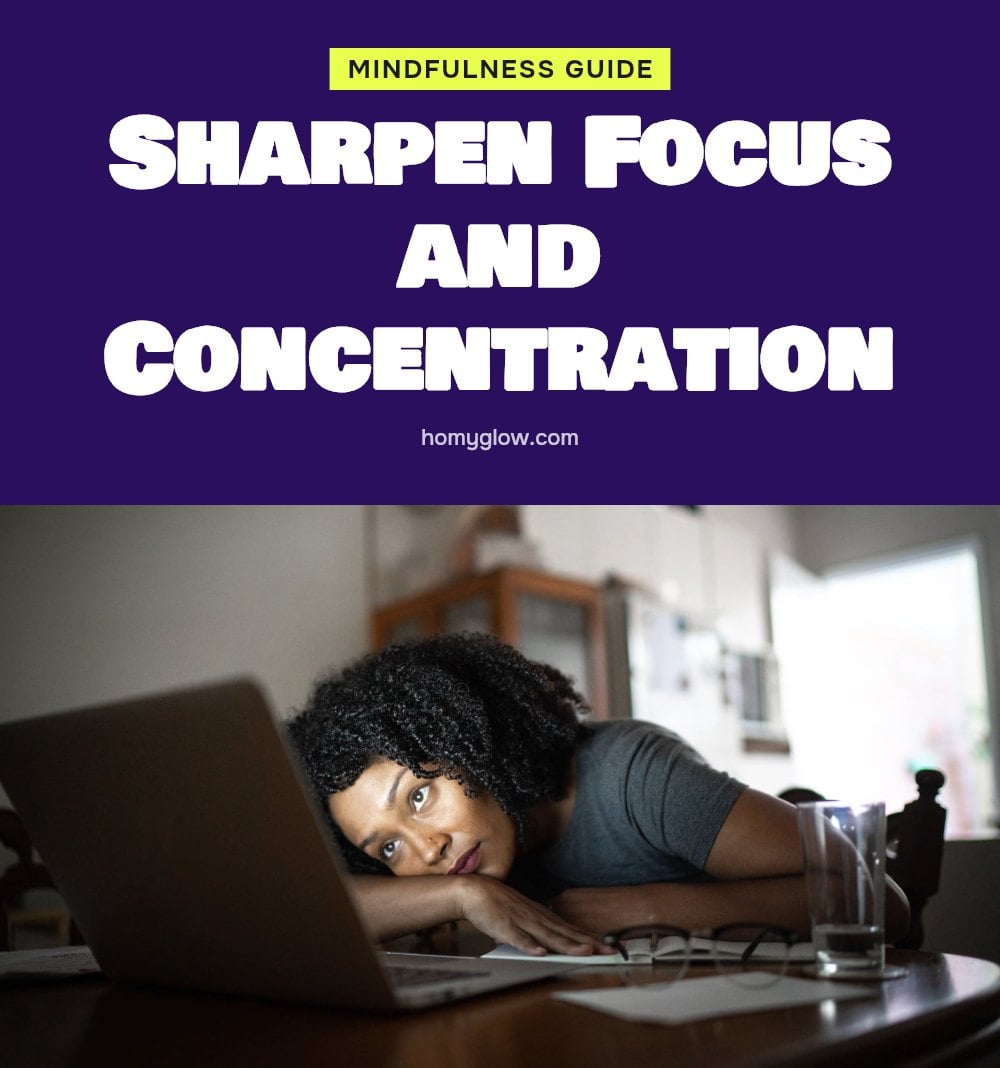
Brain fog, memory issues, and difficulty focusing are common complaints when cortisol stays high. It can feel like your brain just is not working as sharply as it used to, which makes work and everyday tasks feel overwhelming.
My tip: break tasks into small chunks and take short walks between them. Movement helps clear mental fog, and giving your brain a rest between demands can make focusing feel more manageable.
9. Digestive Issues
The gut-brain connection is real, and stress hormones like cortisol can disrupt your digestive system. You might notice indigestion, bloating, or changes in bowel habits when stress is high.
Deep breathing or a short meditation before meals can help calm your gut. I usually take five slow breaths before eating, and it helps my digestion feel more settled.
10. Increased Illness Frequency
Cortisol has an anti-inflammatory effect, but chronically high levels can suppress your immune system. That makes you more susceptible to colds, flu, and other infections.
If you find yourself getting sick more often than usual, it could be a sign your body is under too much stress. Prioritizing sleep and moderate exercise may help support your immune function.
11. Changes in Menstrual Cycle
For women, high cortisol can interfere with reproductive hormones, potentially leading to irregular periods, heavier bleeding, or even missed cycles. It is your body’s way of signaling stress.
Any significant changes in your cycle warrant a conversation with your doctor, especially if they persist for more than a couple of months. Tracking your cycle can help you notice patterns and give your doctor useful information.
When to Talk to Your Doctor
If several of these symptoms persist, especially rapid weight gain, severe fatigue, easy bruising, or significant mood changes, it is crucial to see a doctor. These signs can sometimes point to underlying medical conditions like Cushing’s syndrome, which requires professional diagnosis and treatment.
Never self-diagnose or try to treat suspected high cortisol with supplements on your own. A healthcare provider can run proper tests and give you personalized advice based on your specific situation.
Frequently Asked Questions
Can stress alone cause high cortisol?
Yes, chronic stress is a common cause of persistently elevated cortisol levels. Your body’s stress response is designed for short-term threats, but ongoing daily stressors can keep cortisol high. That said, if symptoms are severe or sudden, other medical conditions may be involved.
How quickly can lifestyle changes impact cortisol levels?
Many people notice improvements in stress levels and overall well-being within a few weeks of consistent lifestyle changes like better sleep, regular moderate exercise, and stress-reduction practices. Cortisol regulation can follow, but individual timelines vary.
Are there specific foods that lower cortisol?
A balanced diet rich in whole foods, fruits, vegetables, lean proteins, and whole grains may support healthy cortisol regulation. No single food lowers cortisol on its own, but reducing processed sugars and staying hydrated can help your body manage stress better.
What is the difference between acute and chronic cortisol elevation?
Acute cortisol elevation is a normal, short-lived response to immediate stress that helps you react quickly. Chronic cortisol elevation occurs when stress is ongoing, keeping levels high for weeks or months, which can lead to health issues like weight gain, fatigue, and immune suppression.
Do cortisol supplements work?
There is limited scientific evidence supporting supplements that claim to lower cortisol. Some adaptogenic herbs may help the body adapt to stress, but more research is needed. Always consult your healthcare provider before taking any supplement, especially if you are pregnant, breastfeeding, or on other medications.
Can high cortisol affect fertility?
Yes, high cortisol can interfere with reproductive hormones in women, potentially leading to irregular periods, heavier bleeding, or missed cycles. This disruption can affect ovulation and fertility. If you are trying to conceive and notice cycle changes, talk to your doctor for personalized guidance.
Final Thoughts
If you’re noticing several of these signs, start with one small change: add a 10-minute walk or a simple breathing exercise to your day. Lifestyle adjustments can begin to show benefits within weeks, but consistency matters more than perfection. Listen to your body, and if symptoms persist, don’t hesitate to bring them up with a healthcare professional.
This article is for informational purposes only and does not constitute medical advice. If you are experiencing persistent symptoms such as rapid weight gain, severe fatigue, or significant mood changes, please consult a healthcare professional for a proper evaluation and diagnosis.