If you’ve been battling dry, dehydrated skin and nothing seems to lock in moisture long enough, slugging might be the overnight fix you need. This technique involves sealing your entire nighttime routine with a thin layer of petroleum jelly to prevent water loss and repair your skin barrier. In this guide, I’ll walk you through exactly how to do it, what products to use, and common mistakes to avoid so you wake up with soft, hydrated skin.
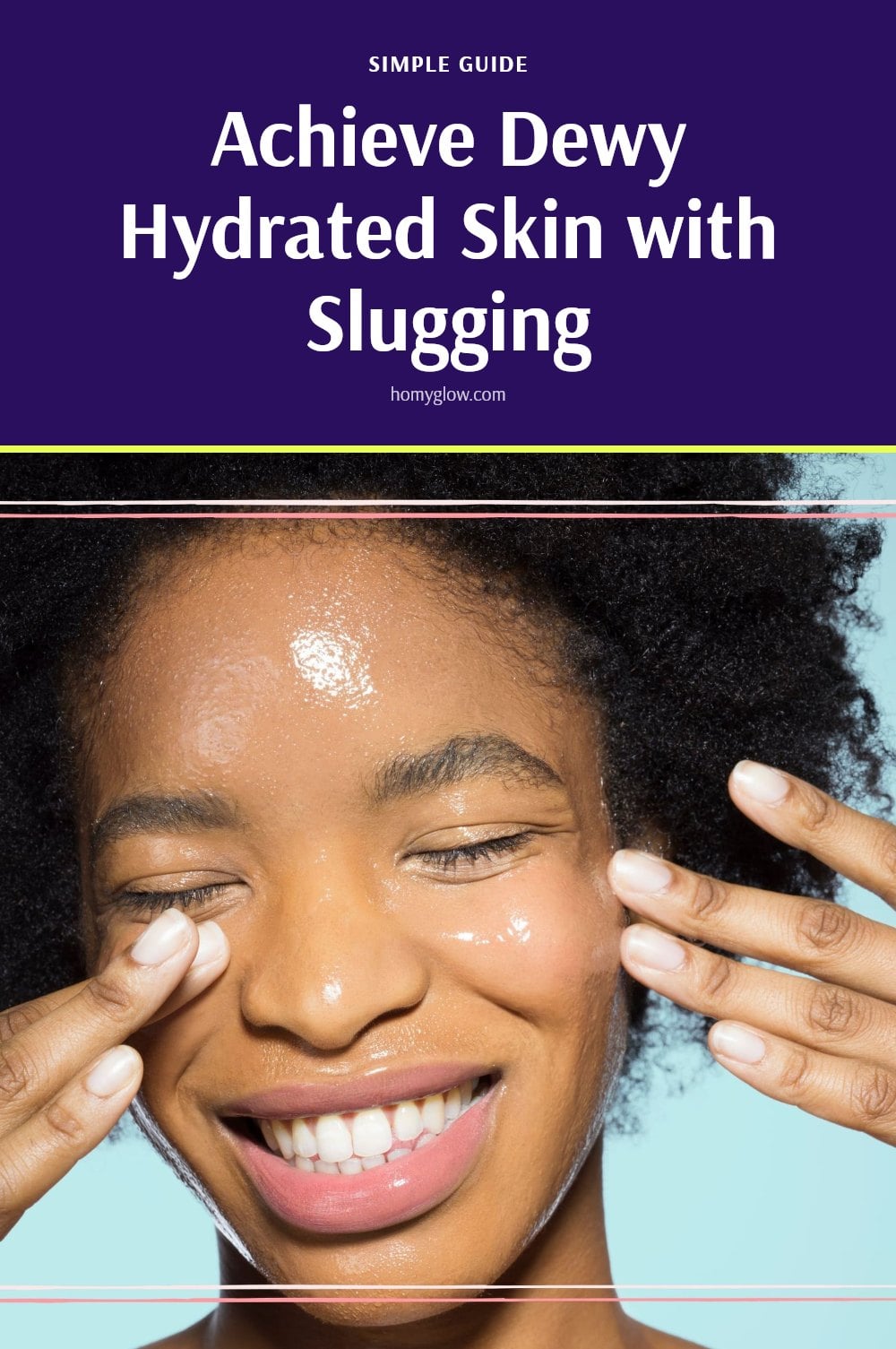
Key Takeaways
- Slugging means applying an occlusive like petroleum jelly as the final step in your nighttime routine to prevent water loss.
- Always apply slugging over a bland, hydrating moisturizer, never over active ingredients like retinoids or acids.
- Use a pea-sized amount or less for your entire face; a thin layer is all you need for effectiveness.
- Start with 2-3 nights a week, especially if you have normal or combination skin, and increase gradually.
- If you notice breakouts or irritation, stop slugging immediately and consult a dermatologist.
What is Slugging and How Does It Work?
Slugging is a nighttime skincare technique where you apply a thin layer of an occlusive, usually petroleum jelly, as the very last step of your routine. This heavy, protective layer sits on top of your skin and creates a physical barrier that prevents water from evaporating, a process known as transepidermal water loss. By locking in the moisture from your serums and moisturizers, slugging helps deeply hydrate your skin and repair its natural barrier. The result is softer, plumper, and more resilient skin by morning.
Your Slugging Essentials: What You’ll Need

To get the most out of slugging, you need a few simple products that work together to hydrate and seal. Gather these essentials:
- Gentle cleanser: Prep your skin by removing dirt, oil, and makeup without stripping it.
- Hydrating serum: Boost moisture levels with ingredients like hyaluronic acid.
- Bland moisturizer: Layer a simple, fragrance-free moisturizer to provide base hydration.
- Occlusive balm: Finish with a petrolatum-based product like Vaseline, CeraVe Healing Ointment, or Aquaphor to seal everything in.
Your Step-by-Step Guide to Slugging for Hydrated Skin
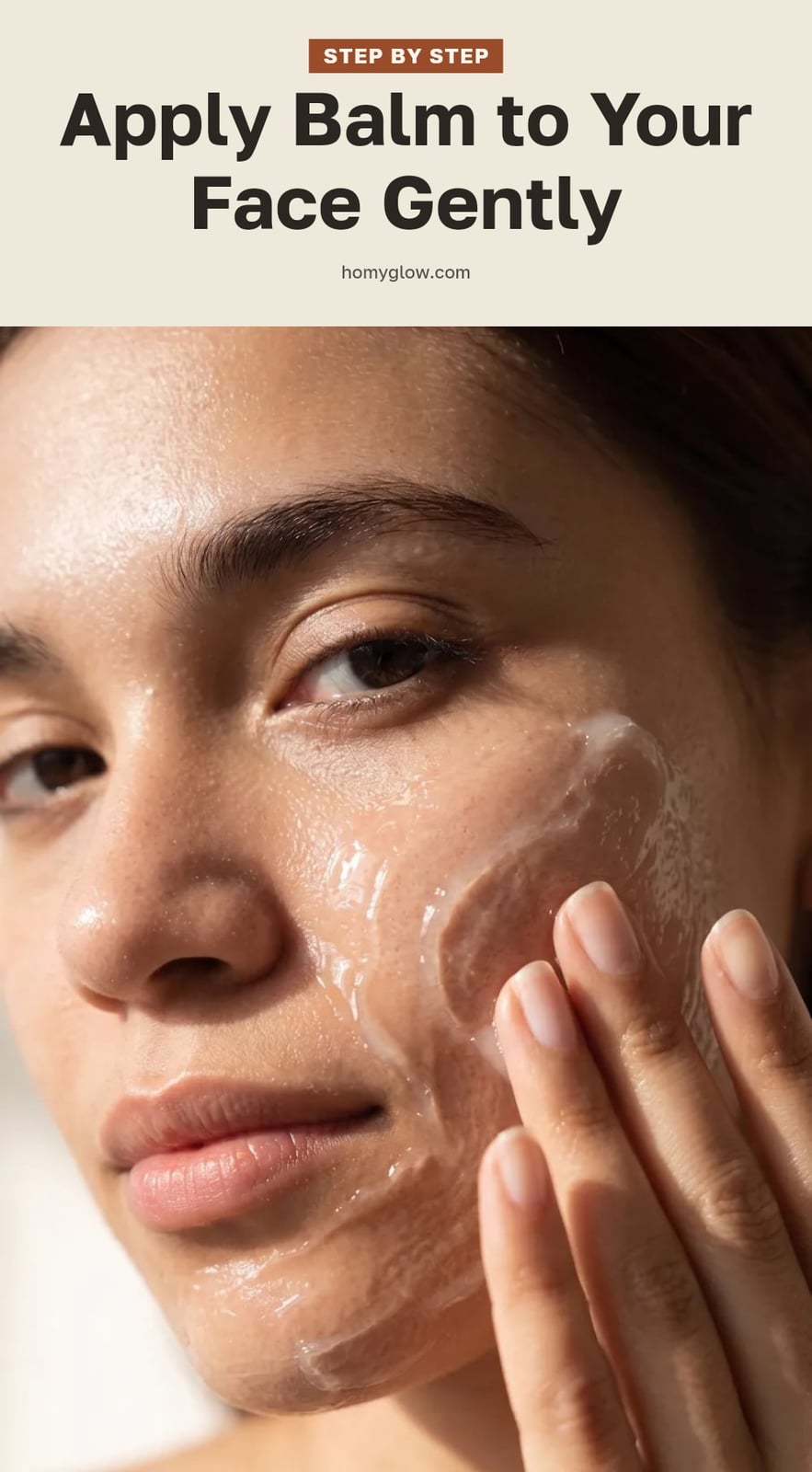
Follow this four-step method to slug effectively and wake up with deeply hydrated skin.
- Cleanse your face: Start with a gentle cleanser to remove all impurities. This step is non-negotiable, as slugging over a dirty face can trap bacteria and cause breakouts.
- Apply a bland moisturizer: While your skin is still slightly damp, apply a hydrating moisturizer. This provides the water content that the occlusive layer will lock in. The video emphasizes that slugging is most effective over a moisturizer to repair the barrier.
- Apply the occlusive: As the final step, take a pea-sized amount of a petrolatum-based ointment like Vaseline, CeraVe Healing Ointment, or Aquaphor and spread it evenly over your face. A thin film is enough; you don’t need a thick layer. Avoid the eye area to prevent blurry vision.
- Sleep with it on: Go to bed with the ointment on. It works overnight to restore your skin barrier and prevent moisture loss.
Caution: Never slug over active ingredients like retinoids, AHAs, BHAs, or vitamin C. The occlusive can increase their penetration by up to a thousandfold, leading to severe irritation, burns, or even scars.
Prefer to watch? Doctorly walks through the whole method in this 9-minute video. The how-to part starts at 1:03.
Choosing Your Occlusive: Vaseline, CeraVe, or Aquaphor?
Not all occlusives are created equal. Here’s how the three most popular options compare:
| Product | Petrolatum Content | Allergy Risk | Hydration Level |
|---|---|---|---|
| Vaseline | 100% | Lowest | Basic |
| CeraVe Healing Ointment | 46.5% | Moderate | Higher (adds ceramides, hyaluronic acid) |
| Aquaphor | 41% | Highest (contains lanolin) | Most (includes glycerin, panthenol) |
Vaseline is the safest bet if you have sensitive skin or allergies, as it’s pure petroleum jelly. CeraVe Healing Ointment offers a good middle ground, boosting hydration with skin-identical ingredients. Aquaphor is the most moisturizing but carries a higher allergy risk due to lanolin, which is uncommon but possible. Choose based on your skin’s tolerance and needs.
Common Slugging Mistakes to Avoid
Mistake: Slugging over active ingredients like retinoids, AHAs, or BHAs. This can increase their penetration up to a thousandfold, leading to severe irritation, burns, or scars. Always apply your occlusive over a bland moisturizer, never over actives.
Mistake: Applying a thick, heavy layer. A pea-sized amount or less, spread into a thin film, is all you need. More product doesn’t mean more hydration, just more mess on your pillowcase.
Mistake: Skipping your pre-slugging cleanse. Trapping dirt, oil, or makeup under the occlusive layer can lead to clogged pores and breakouts. Cleanse thoroughly first.
Mistake: Slugging if you have very oily or acne-prone skin. The occlusive barrier can trap sebum and worsen breakouts. If you want to try it, start with a small patch test.
Mistake: Expecting instant, drastic results. Slugging works gradually to repair your barrier. You’ll notice softer, more hydrated skin after a few uses, not overnight miracles.
Best Tips for Successful Slugging

Tip: Start slow. If you are new to slugging, try it 2-3 times a week. Your skin needs time to adjust to the intense hydration. You can increase frequency as your barrier strengthens.
Tip: Apply to slightly damp skin. After your moisturizer, don’t wait for it to dry completely. The occlusive will trap that extra moisture against your skin for deeper hydration.
Tip: Try reverse slugging for sensitive areas. Before applying irritating products like exfoliators or retinoids to your whole face, dab a petrolatum-based ointment on your eyelids and lips. This protects those thin-skinned areas from over-penetration.
Tip: Cleanse thoroughly the morning after. Use your regular gentle cleanser to remove the occlusive layer completely. Follow with your usual AM routine. This prevents residue from clogging pores during the day.
How Often to Slug and What to Expect
Slugging is an overnight treatment. You apply the occlusive before bed and wash it off in the morning. How often depends on your skin type: dry skin can handle 5-7 nights a week, while normal or combination skin should start with 2-3 nights a week and increase gradually.
Results come gradually. Most people notice softer, more hydrated skin within the first few uses, but consistency is key for lasting barrier repair. The cost is low since you only need a gentle cleanser, a basic moisturizer, and a petrolatum-based balm from any drugstore.
When to Consult a Dermatologist About Slugging
Stop slugging immediately if you notice increased breakouts, redness, or irritation. This means the technique is not right for your skin, or you may be using it too often.
If you have very sensitive skin, patch test any new occlusive on your inner arm for a few days before trying it on your face. Consult a dermatologist if you have persistent skin concerns like chronic dryness, eczema, or acne that doesn’t improve with adjustments to your routine.
Frequently Asked Questions
Can I slug every night?
It depends on your skin type. If you have dry or dehydrated skin, you can slug 5-7 nights a week. For normal or combination skin, start with 2-3 nights a week and see how your skin reacts. Oily or acne-prone skin should avoid nightly slugging, as it may lead to clogged pores.
How much petroleum jelly should I use for slugging?
A pea-sized amount or less is sufficient for your entire face. You only need a thin, even film to create an effective barrier. Applying more than that can feel greasy, make a mess on your pillowcase, and won’t give you extra hydration benefits.
Does slugging cause acne?
Slugging can cause breakouts in people with oily or acne-prone skin because the occlusive layer can trap sebum and bacteria. If you have this skin type, it’s best to avoid slugging or only try it on dry patches. If you notice new breakouts, stop using it.
How do I remove the occlusive in the morning?
In the morning, wash your face with your usual gentle cleanser to remove the occlusive layer. You may need to double-cleanse if you feel a residue, but a single cleanse is usually enough. Follow up with your regular daytime routine.
Can I slug on other parts of my body?
Yes, you can apply the occlusive to other dry areas like your hands, feet, or elbows. The same principle applies: apply your regular moisturizer first, then seal it with a thin layer of petroleum jelly or a petrolatum-based ointment before bed.
Final Thoughts
My tip: start slow with slugging 2-3 times a week and let your skin tell you if it wants more. You can expect to see a noticeable improvement in skin hydration and softness within a few uses, but consistency is key for lasting barrier repair. Give it a try tonight and see how your skin feels in the morning.
This article is for informational purposes only and does not constitute medical or dermatological advice. Results may vary based on individual skin type and condition. If you experience persistent irritation, breakouts, or other skin concerns, consult a board-certified dermatologist.