You know that heavy, drained feeling after spending time with certain people? That’s often your gut telling you something important. Recognizing toxic people isn’t about labeling everyone who annoys you; it’s about spotting consistent patterns that harm your well-being. This article walks you through the key signs, why they matter, and practical steps to protect your emotional health.
Key Takeaways
- Look for consistent patterns over weeks or months, not isolated incidents.
- Trust how you feel after interactions; chronic exhaustion or anxiety is a red flag.
- Set clear, calm boundaries and enforce them consistently.
- Don’t try to fix a toxic person; focus on your own well-being.
- Seek professional support if the relationship affects your mental health.
What Are Toxic People and How Do You Spot Them?
Toxic people are individuals who show a consistent pattern of behavior that harms your emotional or psychological well-being. This isn’t about someone having a bad day. Signs include manipulation, constant criticism, a lack of empathy, and a tendency to create drama. For example, they may frequently blame others or twist situations to make you question yourself. Spotting these patterns early is key to protecting your mental health and deciding how much access they get to your life.
Why Recognizing Toxic Patterns Matters for Your Health
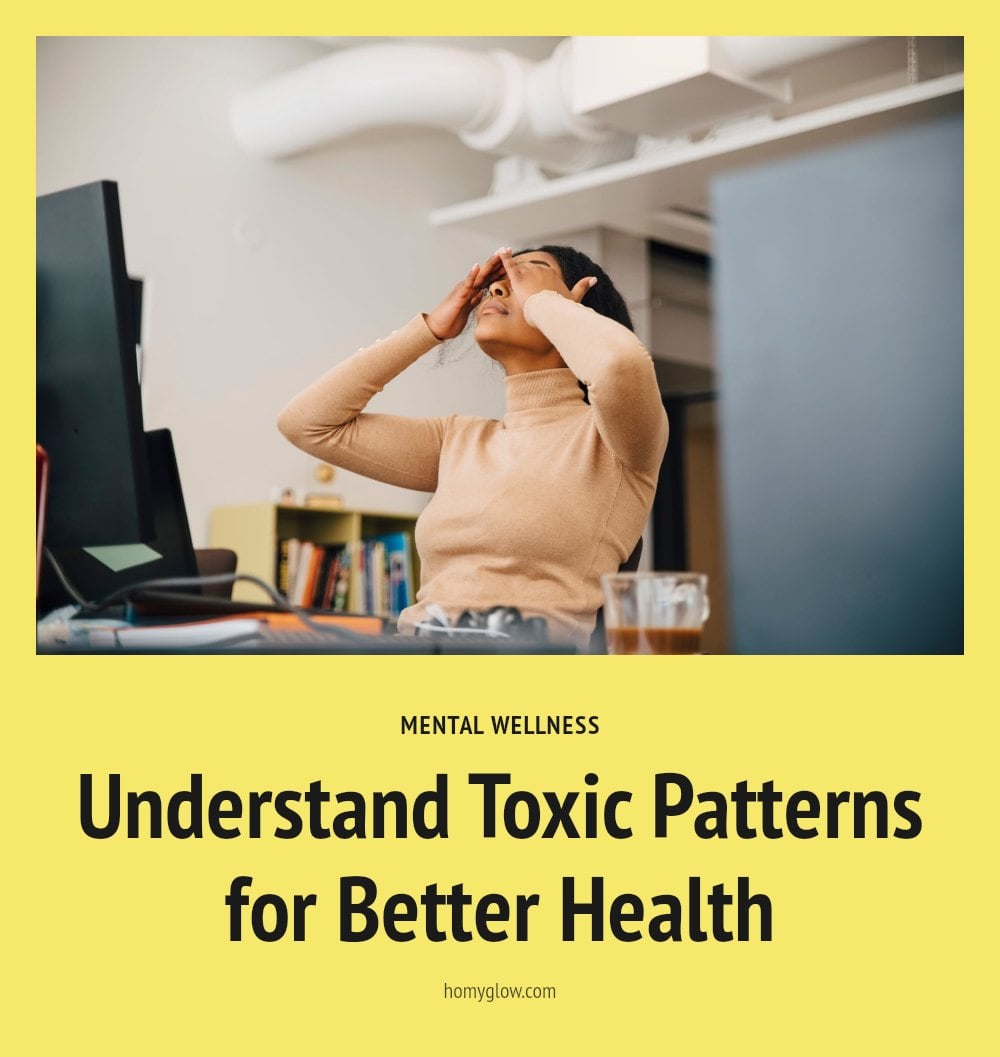
Recognizing toxic patterns matters because your emotional health depends on the quality of your relationships. Prolonged exposure to toxic behavior can contribute to anxiety, depression, and lowered self-esteem over time. When you identify these signs early, you can take action before the damage becomes deeply rooted.
Difficult vs. Toxic
Not every difficult person is toxic. A friend going through a rough patch may be short-tempered for a week, but that’s not a pattern. Toxicity is about consistent, harmful behavior that repeats across situations. A toxic person drains your energy regularly, leaves you feeling anxious after most interactions, and rarely takes responsibility. Understanding this difference helps you avoid overreacting to normal conflict while still protecting yourself from real harm.
Key Steps to Identify Toxic Behaviors in Relationships
- Observe your feelings after interactions: Pay attention to how you feel right after spending time with them. If you consistently feel drained, anxious, or worse about yourself, that is a red flag. Your emotional response is a useful data point.
- Trust your instincts: If something feels off about a person’s character, don’t dismiss it. Your gut often picks up on subtle cues your conscious mind misses. Give that feeling weight, especially if it persists.
- Look for patterns over time: One argument or rude comment does not make someone toxic. Watch for behavior that repeats over weeks or months. Consistency is the key difference between a mistake and a toxic trait.
- Notice if you feel worse about yourself: Toxic people often use criticism or comparisons that chip away at your self-worth. Ask yourself: do I feel more insecure or less capable after being around them?
- Check if they are always the victim: In every story, do they blame others and never take responsibility? A person who never owns their part in conflicts may be using a victim mentality to avoid accountability.
- Reflect on boundary respect: Set a small boundary and see how they react. Do they ignore it, argue against it, or make you feel guilty? Respect for your limits is a strong test of their character.
Common Traits and Tactics of Toxic Individuals
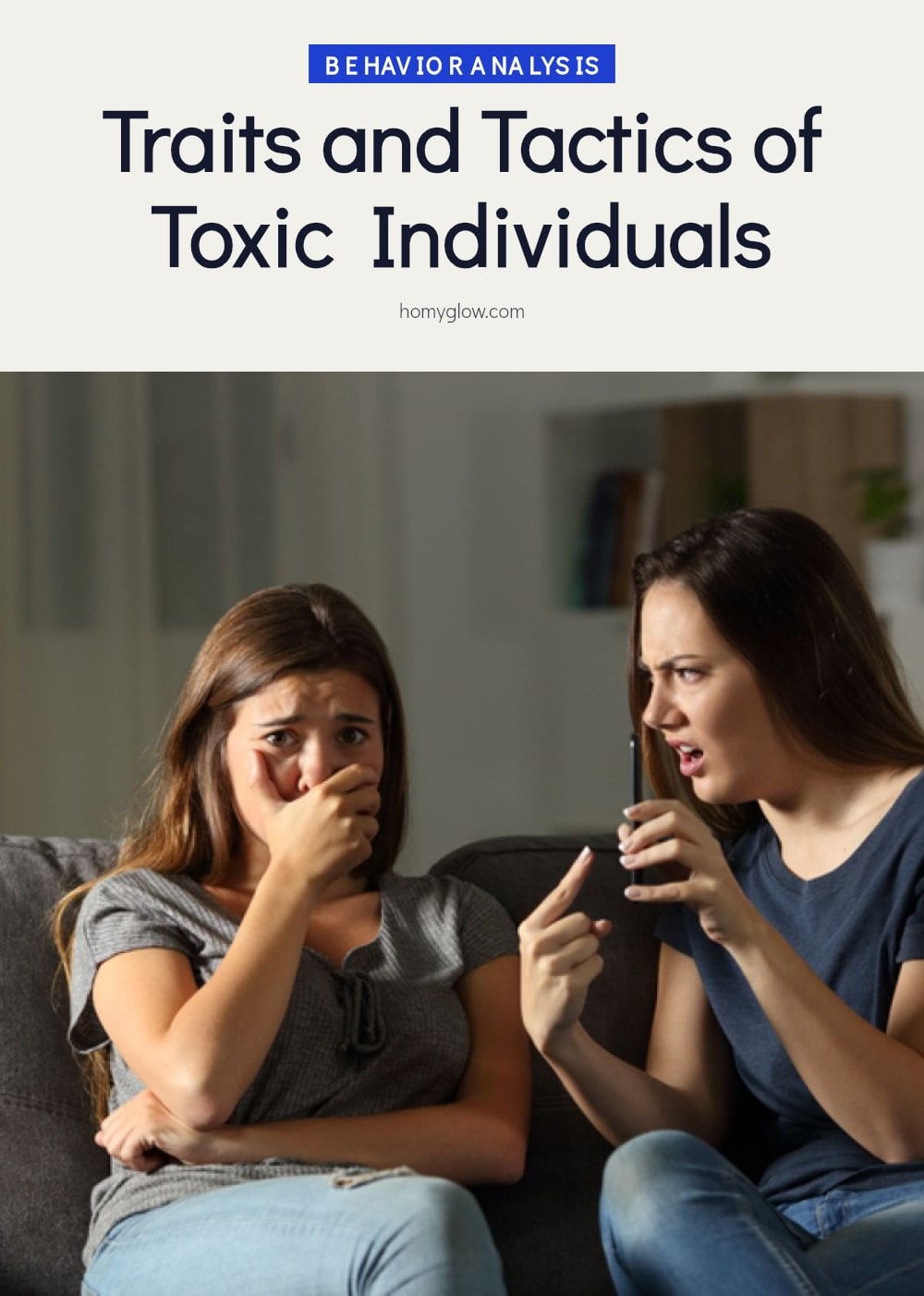
Toxic individuals tend to rely on a set of recognizable tactics and traits. Knowing these helps you name what you are dealing with.
Manipulation and Gaslighting
Manipulation includes guilt-tripping, silent treatment, or twisting your words to get what they want. Gaslighting is a specific form where they make you question your own memory or sanity. A gaslighter might say, “That never happened,” even when you remember it clearly. Over time, this erodes your trust in yourself.
Constant Criticism and Victim Mentality
They may point out your flaws frequently, often under the guise of “just being honest.” At the same time, they position themselves as the victim in every situation. Nothing is ever their fault, and they deflect blame onto others or external circumstances.
Lack of Empathy and Drama Creation
They show little genuine concern for your feelings or struggles. Instead, they thrive on conflict and drama, using it to keep attention on themselves. If life is calm, they may stir up an issue to regain that focus.
Isolation Attempts
A red flag is when they try to cut you off from friends or family. They may criticize your support system or make you feel guilty for spending time with others. This reduces your outside perspective and makes you more dependent on them.
Mistakes to Avoid When Dealing with Toxic People
Confusing temporary bad moods with consistent toxicity: One bad day doesn’t make someone toxic. Look for patterns over weeks or months, not isolated incidents. Excusing repeated harm as “just stress” keeps you stuck.
Believing you can change them: You are not responsible for their behavior or their healing. No amount of love, patience, or effort on your part will fix a consistent pattern of manipulation or criticism.
Ignoring your own feelings: Your discomfort, anxiety, or exhaustion after interactions are valid indicators. Don’t talk yourself out of what your gut is telling you.
Failing to set clear boundaries: Without boundaries, you remain vulnerable to repeated harm. Decide what you will and won’t accept, then communicate it firmly.
Attributing their behavior to external factors: Stress, childhood issues, or a tough week do not excuse a consistent pattern of harmful actions. Recognize toxicity for what it is, not what you wish it were.
Practical Tips for Protecting Yourself from Toxic Influences

Set Clear Boundaries: Decide ahead of time what behaviors you will not tolerate. State your limit once, calmly, and stick to it. For example: “I can’t continue this conversation if you raise your voice.”
Limit Interaction: Reduce time and emotional investment. Keep conversations brief, avoid personal topics, and use a neutral tone. Physical distance helps too.
Strengthen Your Support System: Don’t let them isolate you. Stay connected with trusted friends and family who remind you of your worth and offer perspective.
Practice Self-Care: Prioritize activities that recharge your emotional and mental energy. A 10-minute walk, journaling, or a hobby can restore your balance after draining interactions.
Trust Your Gut: If something feels off, it probably is. Your instincts pick up on subtle cues your conscious mind misses. Honor that signal.
When to Seek Professional Support
If you feel physically threatened or in danger, seek immediate help from authorities. Do not wait.
If prolonged exposure to toxic relationships contributes to anxiety, depression, or other mental health concerns, consider speaking with a therapist or counselor. They can help you develop coping strategies and professional boundaries, especially when the toxic person is a family member or co-worker.
Be aware that confronting a toxic person directly can sometimes escalate the situation. If that happens, prioritize your safety and well-being, and seek professional guidance before taking further steps.
Frequently Asked Questions
Can a toxic person change their behavior?
Change is possible, but it requires the toxic person to recognize their patterns and actively work on them, often with professional help. You are not responsible for their transformation. In the meantime, protect your own well-being by setting firm boundaries and limiting your emotional investment.
How do I deal with a toxic family member?
Dealing with a toxic family member can be especially challenging. Focus on what you can control: your reactions and boundaries. Keep interactions brief, avoid hot-button topics, and have an exit plan for difficult conversations. If the relationship is deeply affecting your mental health, consider speaking with a therapist for personalized strategies.
What is gaslighting and why is it toxic?
Gaslighting is a form of psychological manipulation where someone makes you question your own memory, perception, or sanity. It’s toxic because it erodes your trust in yourself, making you more dependent on the other person’s version of reality. Recognizing this tactic is the first step to reclaiming your confidence.
Is it always best to cut off a toxic person completely?
Not necessarily. Cutting off contact is one option, but it’s not always feasible, especially with family or coworkers. Sometimes limiting interaction, setting boundaries, and developing coping strategies are more practical. The right approach depends on your situation and safety. If you feel threatened, seek professional guidance.
How do I rebuild my self-esteem after a toxic relationship?
Rebuilding self-esteem takes time and intentional effort. Start by reconnecting with activities and people that make you feel valued. Practice self-compassion and challenge negative self-talk. A therapist can help you process the experience and develop healthier thought patterns. Be patient with yourself; healing is gradual.
Final Thoughts
Spotting toxic patterns is your first line of defense. Start by trusting your instincts and observing behavior over time, not just on bad days. If you notice a consistent drain on your energy or self-worth, set a clear boundary and limit your exposure. Realistically, change won’t happen overnight, but each small step you take builds your resilience. You deserve relationships that leave you feeling lighter, not heavier.
This article is for general informational purposes only and is not a substitute for professional advice. If you are experiencing persistent emotional distress or feel unsafe, please reach out to a qualified therapist, counselor, or emergency services.