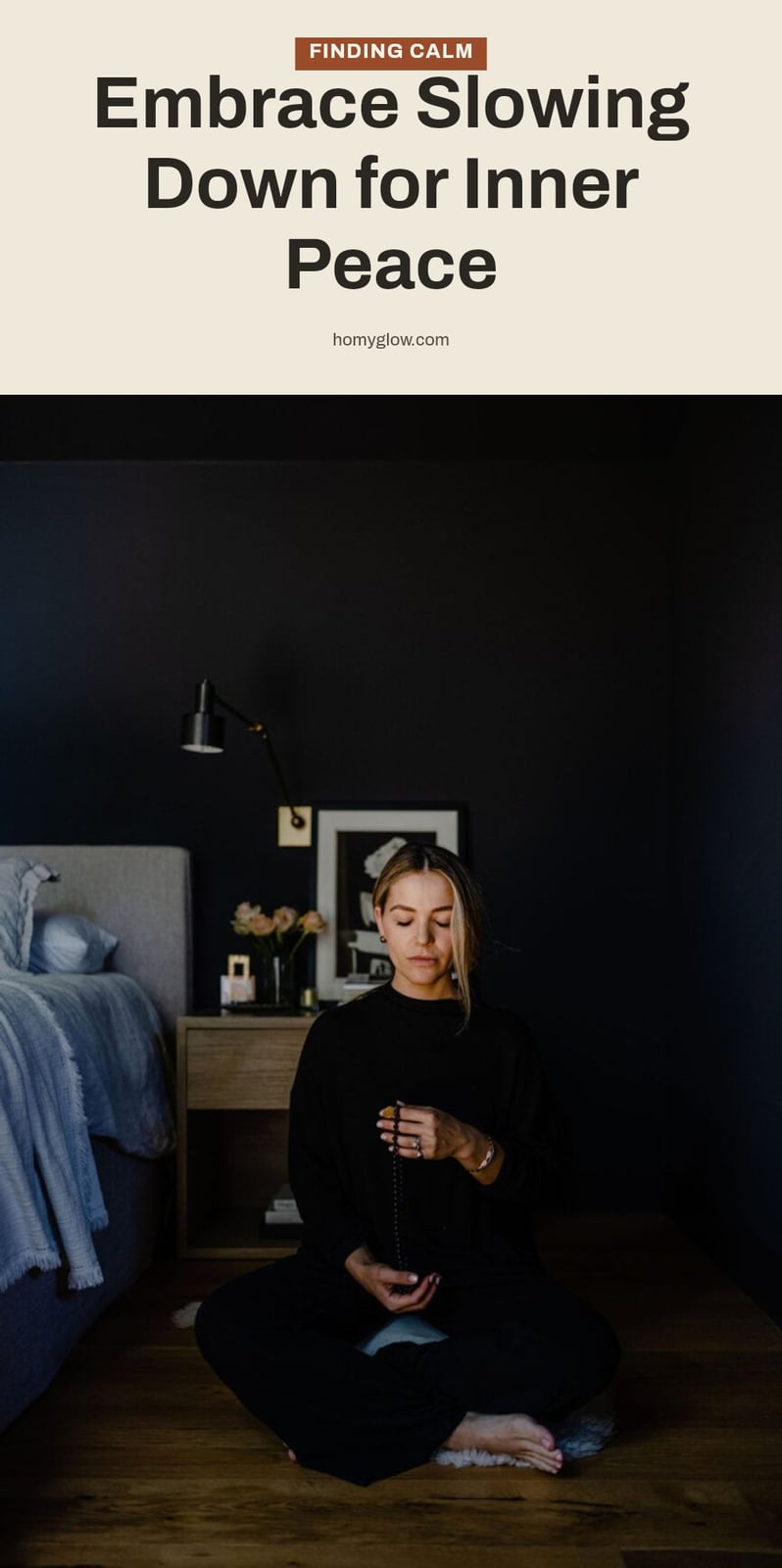
Do you ever feel like life is moving so fast you can’t catch your breath? Slowing down isn’t about doing less, it’s about being more present in what you already do, so you can actually enjoy it. In this article, I’m sharing 11 practical tips to help you reduce stress, improve focus, and find more calm in your daily routine.
Key Takeaways
- Practice mindful breathing for a few minutes daily to reset your focus and reduce stress.
- Schedule regular ‘unplugged’ time away from screens to reclaim your attention.
- Engage in one task at a time instead of multitasking to improve focus and reduce overwhelm.
- Spend time in nature daily, even just five minutes, to lower stress and lift your mood.
- Prioritize 7-9 hours of quality sleep each night to feel less rushed and more rested.
What Does ‘Slowing Down’ Really Mean?
Slowing down is about intentionality and presence, not just doing less. It means making conscious choices to prioritize quality over quantity in your daily activities, so you can actually savor what you do. The goal is to reduce stress, improve focus, and foster well-being through mindful engagement with each moment.
1. Practice Mindful Breathing Daily

Dedicate a few minutes each day to focused, deep breathing exercises. This simple practice can immediately reduce stress and bring you into the present moment.
My tip: Set a timer for 2-5 minutes and just focus on your breath. It’s a game-changer for resetting your nervous system. Try this:
- Inhale slowly through your nose, feeling your belly rise.
- Exhale fully through your mouth, letting your shoulders drop.
- Repeat for the full timer duration, noticing how your mind settles.
2. Set Boundaries with Technology
Implement regular ‘unplugged’ times each day or week, away from screens. Digital detoxes help you reclaim your attention and reduce mental clutter, which speeds up your internal pace.
Consider creating ‘no-phone zones’ in your home, like the bedroom or dining table. You can also schedule a 30-minute phone-free walk after lunch or leave your phone in another room during meals.
Start with one unplugged block daily, even 15 minutes, and gradually extend it.
3. Embrace Single-Tasking
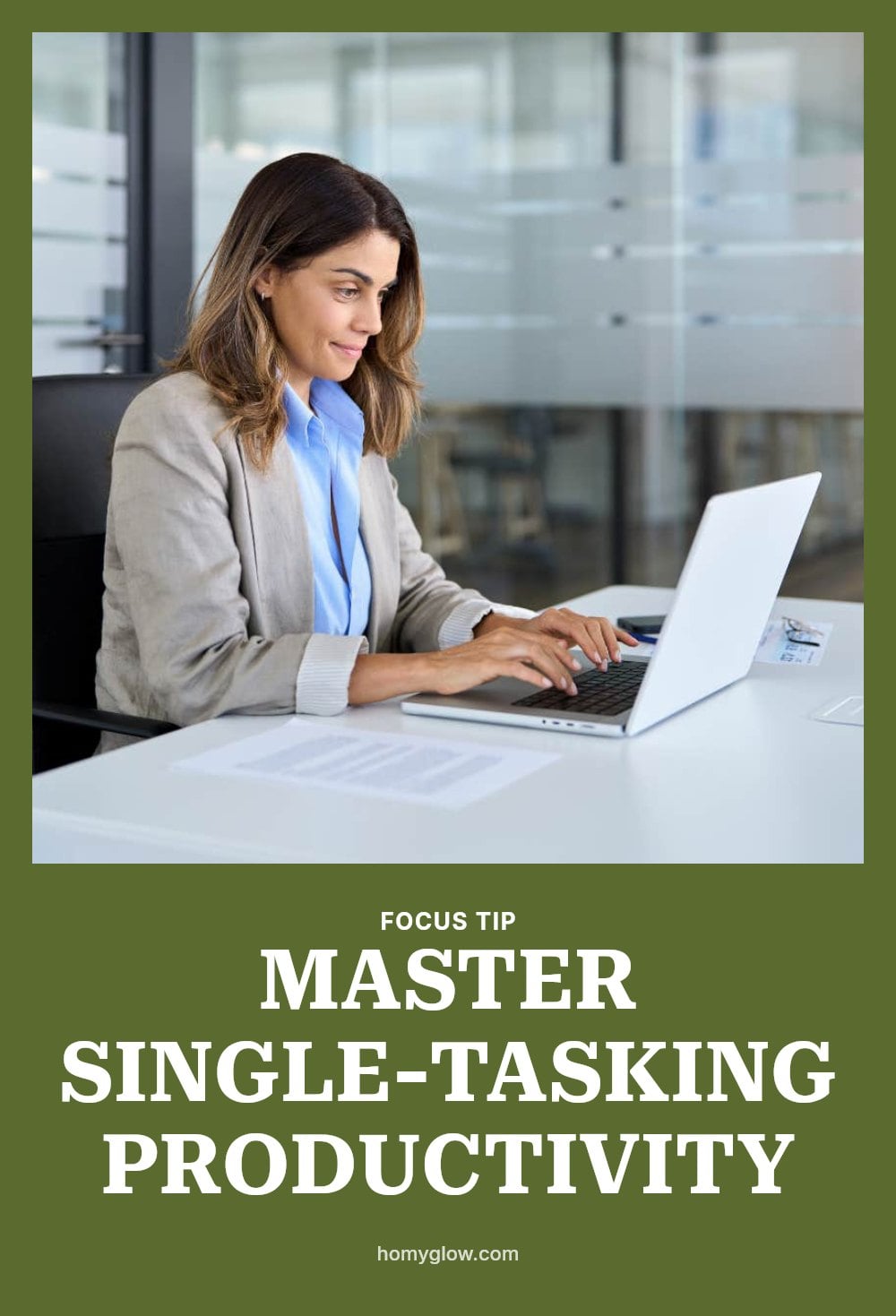
Instead of multitasking, focus on one task at a time, giving it your full attention. This improves focus, reduces feelings of overwhelm, and often leads to better results because your brain isn’t constantly switching.
My tip: When you’re working on something, close unnecessary tabs and put your phone away. You’ll be amazed at your concentration.
Try a single-tasking session: pick one task, set a timer for 20 minutes, and work only on that until the timer rings.
4. Connect with Nature Daily

Spending time outdoors, even briefly, can lower stress and lift your mood. You don’t need a long hike, a five-minute pause on your balcony or a short walk around the block counts. The key is to notice your surroundings: the color of the leaves, the feel of the breeze, the shape of the clouds.
- Start small: Step outside for two minutes each morning before checking your phone.
- Bring nature in: Place a small potted plant on your desk or windowsill.
- Make it routine: Pair your coffee break with a quick lap around the yard or street.
5. Savor Mindful Meals

Mindful eating turns a rushed meal into a moment of calm. The slow food movement encourages you to prepare and enjoy food with intention, focusing on textures, flavors, and aromas rather than eating on autopilot.
- Set the scene: Sit at a table, remove distractions like your phone or TV, and take three slow breaths before your first bite.
- Engage your senses: Notice the color of the vegetables, the warmth of the soup, the crunch of the bread.
- Chew deliberately: Put your fork down between bites to slow your pace and actually taste what you’re eating.
6. Prioritize Quality Sleep
Quality sleep, 7 to 9 hours a night, is essential for managing stress and feeling less rushed. When you’re well-rested, your mind processes information more calmly and you’re less reactive to daily pressures.
My tip: Create a consistent bedtime routine that signals your body it’s time to wind down. Dim the lights 30 minutes before bed, avoid screens, and do something quiet like reading or gentle stretching. The same cue every night trains your nervous system to shift into rest mode.
7. Journal for Reflection

Journaling helps you pause and untangle the thoughts that speed through your mind. By writing down your feelings and experiences regularly, you gain clarity on what’s actually happening inside and what matters most to you.
- Keep it simple: Write for just five minutes. No need for long entries or perfect sentences.
- Use prompts: Try “What felt good today?” or “What am I rushing through?” to guide your reflection.
- Do it at the same time: Morning or evening, a consistent slot makes journaling a natural part of your slow-down practice.
8. Declutter Your Space
Decluttering your physical environment can help declutter your mind. A messy space creates visual noise that speeds up your mental pace, while a tidy one promotes calm. Start with one small area, like a drawer or a shelf, to avoid feeling overwhelmed. I’ve found that clearing even a single surface gives me a sense of control and peace.
9. Set Realistic Expectations
Be realistic about what you can accomplish in a day to prevent burnout. Most of us overestimate how much we can do and then feel inadequate when we fall short. Instead, prioritize tasks that align with your values and truly matter. It’s not about doing less, but doing what truly counts without overcommitting. Write down your top three priorities each morning and focus on those first.
10. Practice Intentional Pauses
Integrate short, intentional pauses throughout your day, even just for a minute or two. Set a timer every hour to stop, stretch your shoulders, take three deep breaths, or simply look out the window. These micro-breaks prevent overwhelm by resetting your focus and keeping you grounded in the present moment. You’ll return to your tasks with clearer thinking.
11. Realign with Your Values
Regularly reflect on your core values and check whether your daily activities align with them. When your actions match what truly matters to you, you feel more fulfilled and less rushed. Take five minutes each week to write down your top three values and ask yourself if your schedule reflects them. This alignment brings a deeper sense of purpose and peace to your life.
Common Mistakes When Trying to Slow Down
Slowing down doesn’t mean becoming idle. You can stay productive while bringing more intention to each task, which often improves the quality of your work. The goal is presence, not emptiness.
Resist the urge to overhaul your life overnight. A perfectly slow lifestyle doesn’t exist, and trying to build one in a week leads to frustration. Start with one small change, like a five-minute breathing break, and add from there.
Slowing down also doesn’t require solitude. Keep your social connections, but make them more meaningful by putting your phone away during conversations and truly listening. Isolation isn’t the answer.
Without boundaries, especially around work and screens, the fast pace returns quickly. Set specific times when you’re unavailable, and protect them. And don’t underestimate how much constant notifications and endless scrolling speed up your mental pace. Acknowledge that impact, then take action by silencing alerts and scheduling unplugged periods.
If persistent overwhelm continues despite these efforts, consider speaking with a healthcare professional, as it may relate to an underlying condition.
Frequently Asked Questions
What is the difference between slow living and minimalism?
Slow living is about intentionally reducing your pace and being more present in daily activities, while minimalism focuses on owning fewer possessions. They can overlap, but slow living is more about how you spend your time and energy, not just what you own.
How can I slow down when I have a busy job?
Even with a demanding job, you can slow down by setting boundaries with technology, taking short intentional pauses throughout the day, and single-tasking instead of multitasking. Start with small, consistent changes rather than trying to overhaul your entire schedule at once.
Is it okay to use technology when practicing slow living?
Yes, technology is fine as long as you use it intentionally. The key is to set boundaries, such as scheduling ‘unplugged’ time or creating no-phone zones, so that technology doesn’t dictate your pace or attention.
What if my family or friends don’t understand my desire to slow down?
It’s common for others to misunderstand slowing down as laziness. Gently explain that you’re trying to be more present and reduce stress, not withdraw from them. You can also invite them to join you in small practices, like a shared mindful meal or a walk in nature.
How long does it take to feel the benefits of slowing down?
You may feel immediate benefits from small changes, like a calmer mood after a few deep breaths. However, more profound and lasting shifts in well-being typically require consistent practice over weeks and months.
Can slowing down improve my physical health?
Many people find that slowing down reduces stress, which can positively affect physical health by lowering cortisol levels and improving sleep. However, if you have persistent stress or health concerns, it’s best to consult a healthcare professional.
Final Thoughts
Start with just one or two changes that feel manageable, like a few minutes of mindful breathing or an unplugged hour before bed. You may notice a sense of calm immediately, but consistent practice over several weeks will lead to deeper, lasting shifts in your well-being. Remember, the goal isn’t perfection, it’s presence.
This article is for informational purposes only and does not constitute medical or professional advice. If you experience persistent feelings of overwhelm, stress, or other health concerns, please consult a qualified healthcare provider or mental health professional.