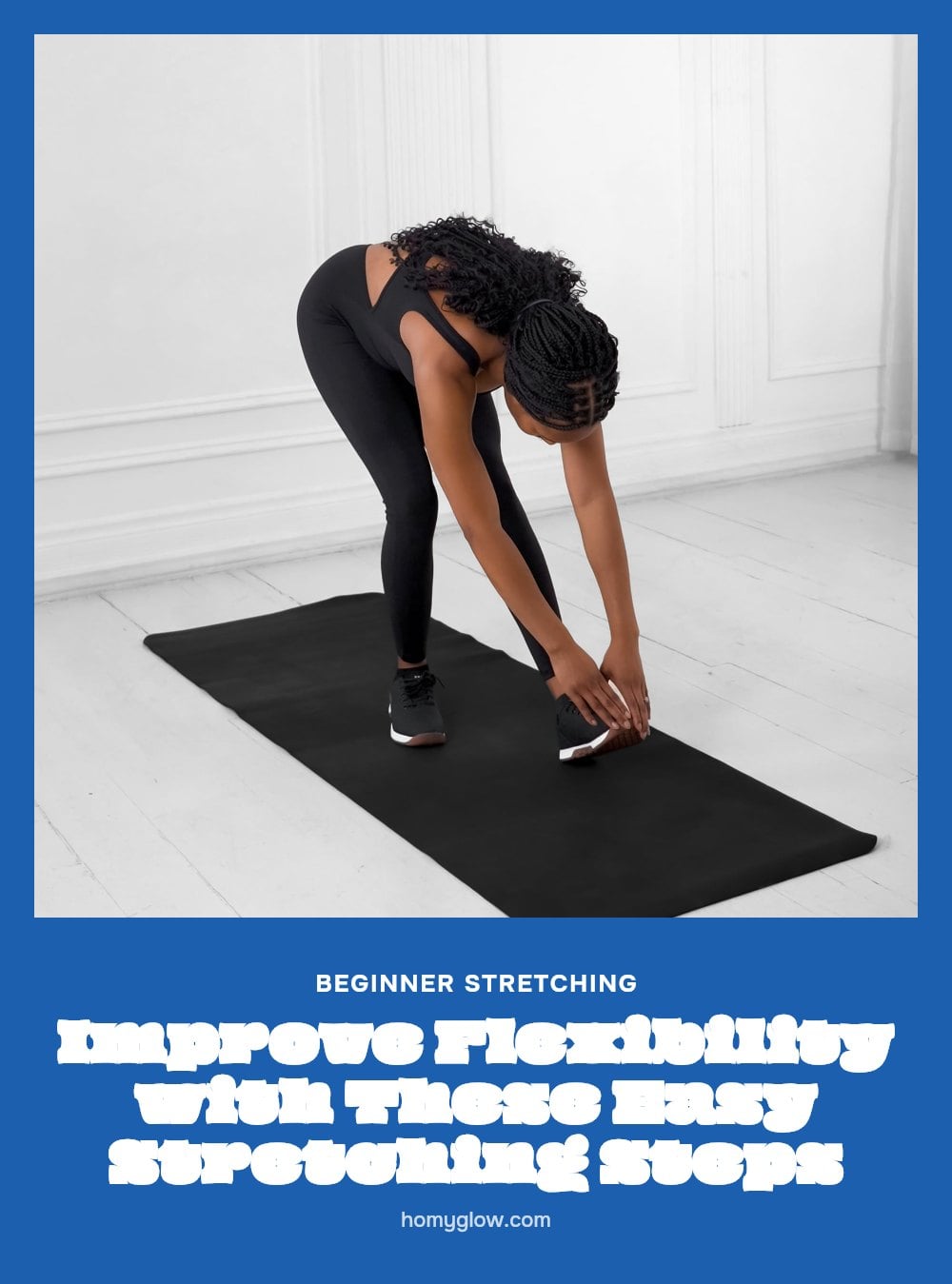
Stretching is one of the simplest ways to improve your flexibility and ease that stiff feeling after a long day. Whether you’re a beginner or looking to refine your routine, the key is knowing which type of stretch to use and how to do it safely. This article walks you through the basics, step by step, so you can start stretching with confidence.
Key Takeaways
- Warm up with 5-10 minutes of light cardio before static stretching.
- Hold static stretches for 15-30 seconds at mild tension, breathing deeply.
- Use dynamic stretches before exercise and static after, for best results.
- Stretch 3-5 times per week for noticeable flexibility gains in weeks.
- Stop immediately if you feel sharp pain; consult a professional if it persists.
Unlock Your Flexibility: The Power of Stretching
Stretching is one of the most effective ways to increase your body27s range of motion and reduce that stiff feeling after a long day. It works because you are teaching your muscles and soft tissues to lengthen, using techniques like static stretching (holding a pose) or dynamic stretching (controlled movement). Each type has a specific job, so knowing the difference matters. My tip: consistency and proper form matter more than how far you can push. Stretch regularly, keep your posture correct, and you will see real flexibility gains while lowering your risk of injury.
Essential Tools for Your Stretching Routine
You do not need much to start a stretching routine, and most items you probably already have at home.
- Yoga mat: Provides cushioning for your knees, hips, and back during floor stretches, plus grip to keep you from slipping.
- Comfortable clothing: Choose clothes that let you move freely without pinching or restricting your arms and legs.
- Strap or towel: A simple belt, scarf, or bath towel can help you reach deeper into stretches for your hamstrings or shoulders without straining.
Understanding Different Types of Stretching
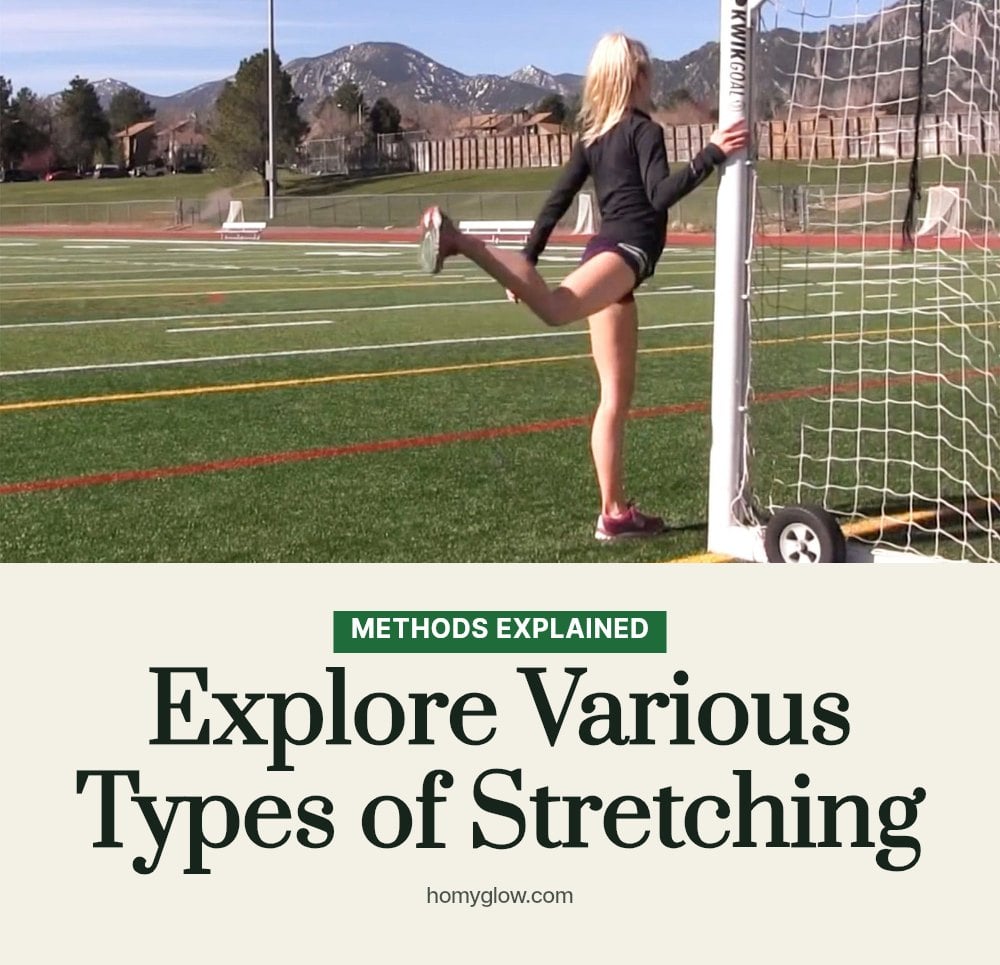
Not all stretching works the same way. Knowing the four main types helps you pick the right one for your goal and avoid injury.
Static stretching
This is the classic 22hold and breathe22 method. You take a muscle to the point of mild tension and hold it for 15 to 30 seconds. Best done after a workout or as a standalone flexibility session, not right before intense activity, since it may temporarily reduce power output.
Dynamic stretching
Think controlled leg swings, arm circles, or walking lunges. You move a joint through its full range of motion repeatedly but without bouncing. Use this before exercise to wake up your muscles and prepare them for movement.
PNF stretching
Proprioceptive Neuromuscular Facilitation is a more advanced method. You contract a muscle for a few seconds, relax it, then stretch it deeper. It often requires a partner or a strap. Caution: This technique is intense, so learn it with guidance first.
Ballistic stretching
This involves bouncing motions to push a limb past its normal range. It can trigger the stretch reflex, causing the muscle to tighten instead of relax, and raises injury risk. It is generally not recommended, especially for beginners.
Your Step-by-Step Guide to Effective Stretching
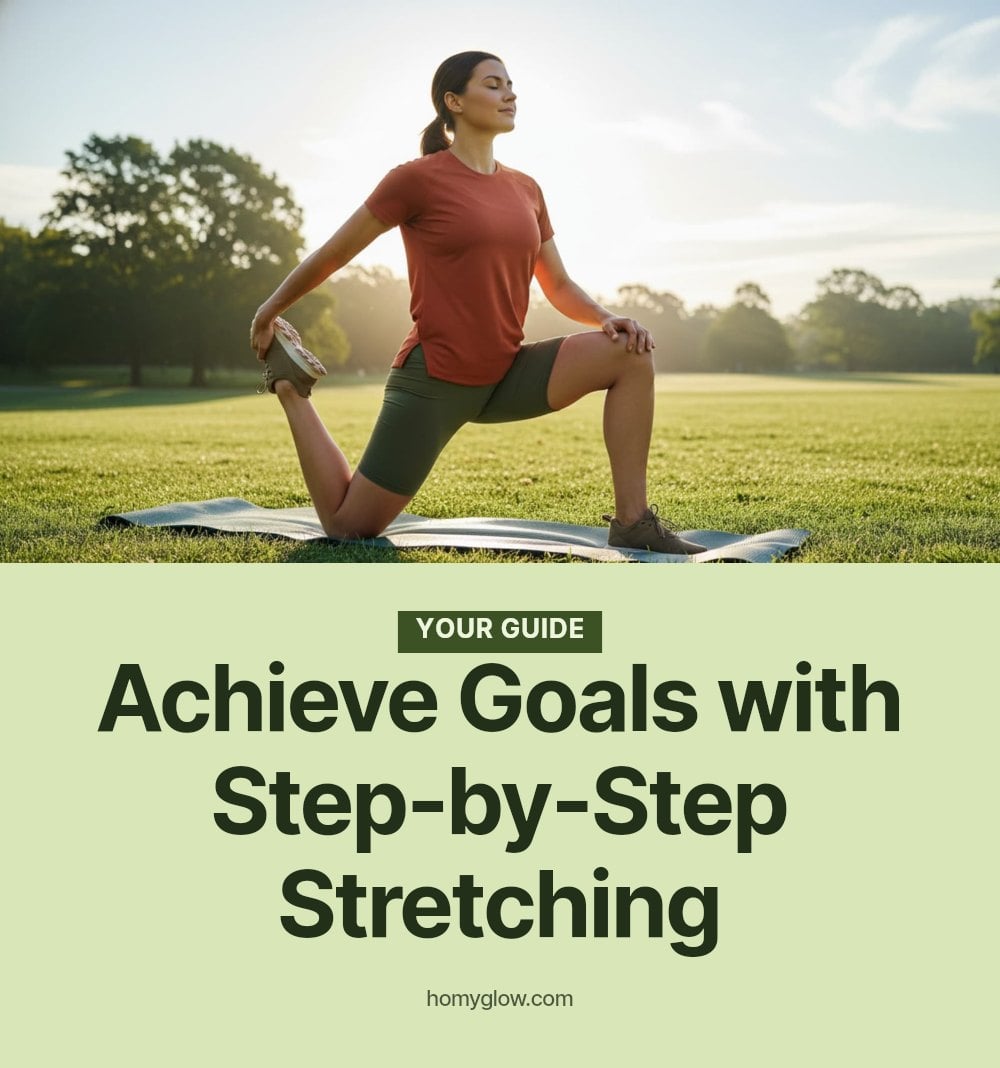
Follow this sequence to stretch safely and effectively. Each step builds on the last.
- Warm up your muscles: Do 5 to 10 minutes of light cardio like brisk walking, jogging in place, or jumping jacks. Warm muscles are more pliable and less prone to injury.
- Perform dynamic stretches first: Use leg swings, torso twists, or arm circles to take your joints through their full motion. This prepares your body for the static work to come.
- Hold static stretches for 15 to 30 seconds: Move into each stretch until you feel mild tension, not pain. Hold steadily, never bouncing, and repeat 2 to 4 times per muscle group.
- Breathe deeply and consistently: Inhale through your nose, exhale slowly through your mouth. Deep breathing helps your muscles relax and lets you ease deeper into the stretch.
- Focus on major muscle groups: Hit your hamstrings, quadriceps, hips, lower back, chest, and shoulders. Pay extra attention to areas that feel particularly tight.
- Maintain good posture: Keep your spine neutral and avoid rounding or arching excessively. Good alignment ensures you target the intended muscle, not compensate with other joints.
Common Stretching Mistakes to Avoid
I have made every mistake on this list, and each one taught me something. Here is what to avoid so you do not learn the hard way.
- Stretching cold muscles: This increases injury risk. Always warm up with 5-10 minutes of light cardio first.
- Bouncing during stretches: Bouncing triggers the stretch reflex, which contracts the muscle you are trying to lengthen. Hold each stretch steadily instead.
- Stretching to the point of pain: You should feel mild tension, not sharp pain. Stop immediately if discomfort is severe.
- Holding stretches for too short a duration: Muscles need 15-30 seconds at the point of mild tension to actually lengthen. Shorter holds do little.
- Neglecting consistency: Stretching once a week will not build flexibility. Aim for 3-5 times per week for real, lasting gains.
Top Tips for Maximizing Your Flexibility
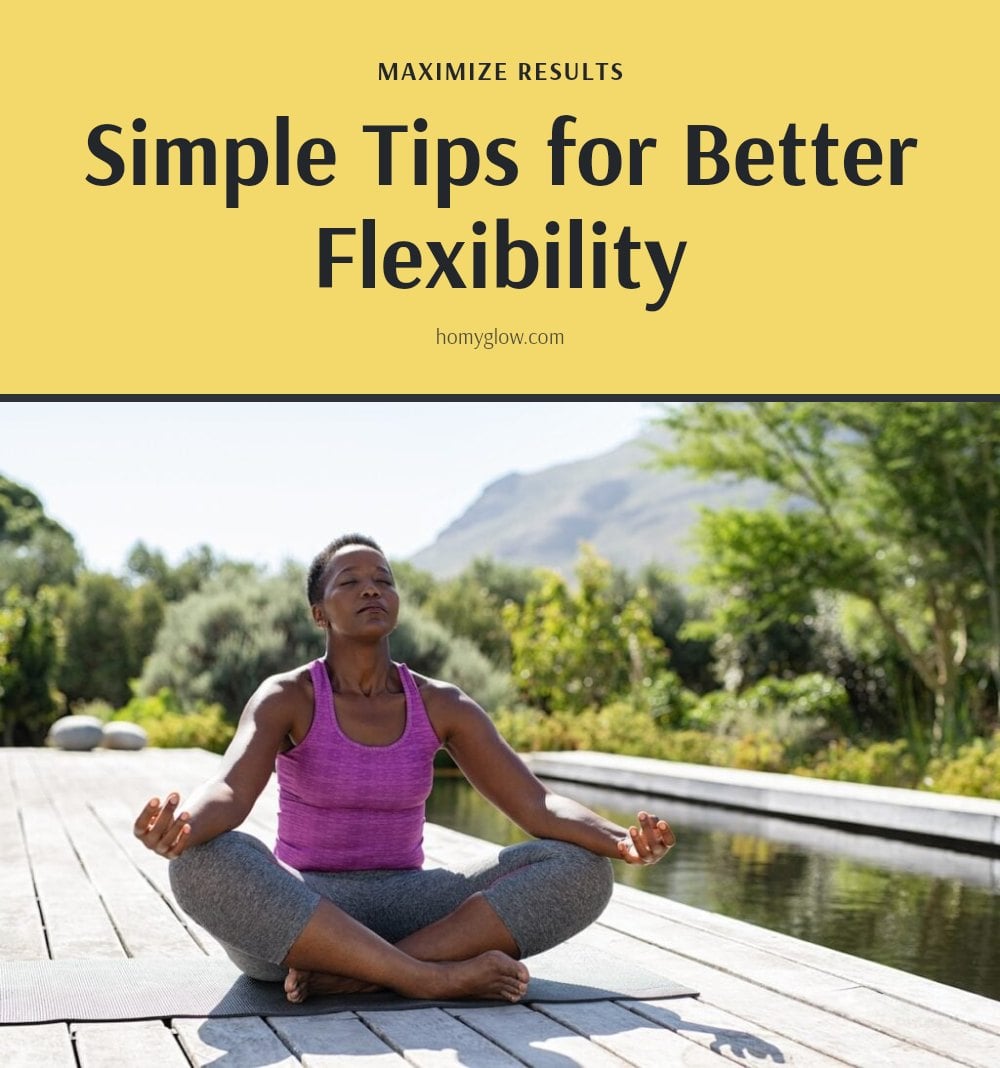
These are the small shifts that made the biggest difference in my own routine. Try adding one at a time.
- Make it a habit: Consistency matters more than intensity. Five minutes daily beats 30 minutes once a week.
- Listen to your body: Every body is different. Focus on your own progress, not what someone else can do.
- Breathe deeply: Deep breathing relaxes your muscles and lets you sink a little deeper into each stretch. Inhale to prepare, exhale to extend.
- Consider other practices: Yoga and Pilates build flexibility and body awareness naturally. They are great complements to a stretching routine.
- Stay hydrated: Well-hydrated muscles are more pliable and less prone to injury. Drink water throughout the day.
How Long Until You See Flexibility Results?
Results do not happen overnight, but they come faster than you might expect with consistency.
- Noticeable improvements: With stretching 3-5 times per week, you can often see increased range of motion within a few weeks to a couple of months.
- Long-term benefits: Sustained flexibility requires that same regular routine over months and years. The gains accumulate.
- Minimal cost: You need comfortable clothing and maybe a yoga mat or strap. That is it. No expensive equipment required.
When to Consult a Professional About Your Flexibility
Stretching is safe for most people, but there are clear times to pause and get guidance.
- Pre-existing conditions: Consult a doctor or physical therapist before starting a new routine if you have injuries, chronic pain, or medical conditions.
- Sharp pain: Stop immediately if you feel sharp, stabbing, or sudden pain. That signals potential injury, not a good stretch.
- Hypermobility: If your joints move beyond a normal range, be cautious. Overstretching can cause instability. Professional guidance helps.
- Persistent tightness: If regular, gentle stretching does not improve a stubborn area, get a professional evaluation. Something else may be going on.
Frequently Asked Questions
How often should I stretch to improve flexibility?
For best results, aim to stretch 3-5 times per week. Consistency is more important than intensity, so even a short daily routine can help. If you’re new, start with 2-3 sessions a week and gradually increase frequency as your body adapts.
Is it better to stretch before or after a workout?
Dynamic stretching is ideal before a workout to prepare muscles for movement, while static stretching is best after exercise or on rest days when muscles are warm. Avoid holding static stretches for too long right before intense activity, as it may temporarily reduce power.
Can stretching help with muscle soreness?
Stretching may help alleviate muscle soreness after exercise, though research on its effectiveness for delayed onset muscle soreness (DOMS) is mixed. Many people find gentle stretching soothing, but it won’t prevent soreness entirely. Listen to your body and avoid overstretching sore muscles.
What is the difference between static and dynamic stretching?
Static stretching involves holding a stretch for 15-30 seconds at mild tension, ideal for cooling down. Dynamic stretching uses controlled, repetitive movements to take a joint through its full range of motion, best for warming up. Both are valuable, but serve different purposes.
How long does it take to see results from stretching?
With consistent stretching 3-5 times per week, you can often notice increased flexibility within a few weeks to a couple of months. Long-term benefits accumulate over time, so keep going even if you don’t see immediate changes.
Final Thoughts
To see real progress, commit to stretching consistently, even if it’s just five minutes a day. Focus on major muscle groups and areas that feel tight, and always warm up first. Expect noticeable improvements in a few weeks to a couple of months with regular practice. Remember, flexibility is a journey, not a race, so be patient and kind to your body.
This article is for general informational purposes only and is not a substitute for professional medical advice. Always consult a doctor or physical therapist before starting a new stretching routine, especially if you have pre-existing injuries, chronic pain, or medical conditions. If you experience sharp pain during stretching, stop immediately and seek professional guidance.