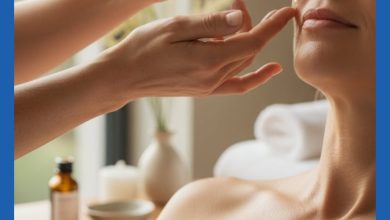
If you’ve been looking in the mirror and wishing your hair looked fuller, you’re not alone. The good news is that while you can’t change your genetics, you can absolutely improve the health and appearance of the hair you have. This article covers the best at-home practices, from scalp massage to smart styling habits, to help you achieve thicker-looking hair.
Think of it as a holistic approach: gentle care, a nourishing scalp, and the right products all work together. Let’s dive into the simple steps you can start today.
Key Takeaways
- Genetics determine your hair thickness, but healthy habits can make strands look fuller.
- Massage your scalp with diluted rosemary or peppermint oil to stimulate circulation.
- Wash with a sulfate-free shampoo every 2-3 days to avoid stripping natural oils.
- Always apply a heat protectant before using hot styling tools.
- See a doctor for sudden or significant hair loss, especially with other symptoms.
The Secret to Thicker Hair: A Holistic Approach
Thicker hair isn’t about changing how many strands you have. It’s about making every strand healthier and stronger so your hair looks and feels fuller. A holistic approach works best: gentle care that protects your hair, a healthy scalp that supports growth, and proper nutrition that feeds follicles from the inside. Genetics set your baseline, but consistent at-home habits can noticeably boost volume and density over time.
Why Your Hair Might Be Thinning
Why Your Hair Might Be Thinning
Your hair’s thickness is largely set by genetics, which determines the diameter of each strand and how many follicles you have on your scalp. But thinning can also come from internal shifts: hormonal changes after pregnancy or during menopause, nutritional gaps (especially in protein, iron, and B vitamins), chronic stress, certain medications, or underlying health conditions. External damage plays a role too, frequent heat styling and harsh products can break the hair shaft, making hair look thinner than it is.
Caution: If you notice sudden or significant hair loss, consult a doctor to rule out medical causes. Don’t assume it’s just styling damage.
Your At-Home Toolkit for Thicker Hair

Stock your bathroom with these essentials to support thicker-looking hair:
- Gentle, sulfate-free shampoo and conditioner they preserve natural scalp oils and prevent dryness.
- Scalp massage brush stimulates circulation to hair follicles.
- Nourishing hair mask for weekly deep conditioning and strength.
- Carrier oil (coconut or jojoba), needed to dilute essential oils safely.
- Essential oils (rosemary or peppermint), may help stimulate follicles when diluted.
- Wide-tooth comb reduces breakage when detangling wet hair.
- Heat protectant spray minimizes damage from styling tools.
Daily Rituals for Fuller-Looking Hair
- Cleanse gently: Wash with a sulfate-free shampoo only as often as needed, typically every 2-3 days for most hair types. Over-washing strips natural oils and leads to dryness.
- Condition mid-lengths to ends: Focus conditioner on the older parts of your hair, not the scalp. This hydrates without weighing roots down.
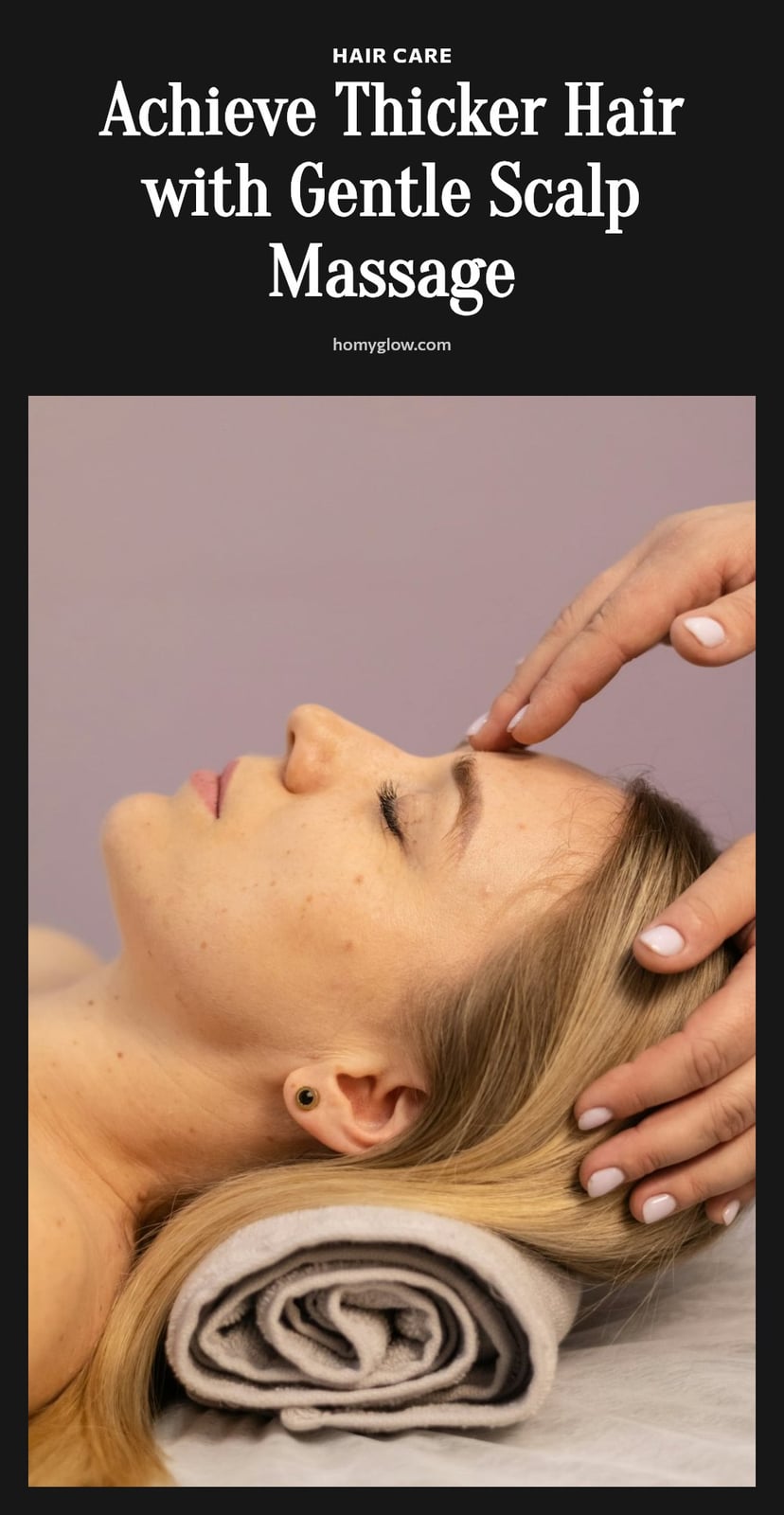
- Massage your scalp: Use your fingertips or a scalp brush for 2-3 minutes after shampooing. This boosts blood flow to follicles, which may support growth. For a deeper treatment, see the weekly essential oil massage in the next section.
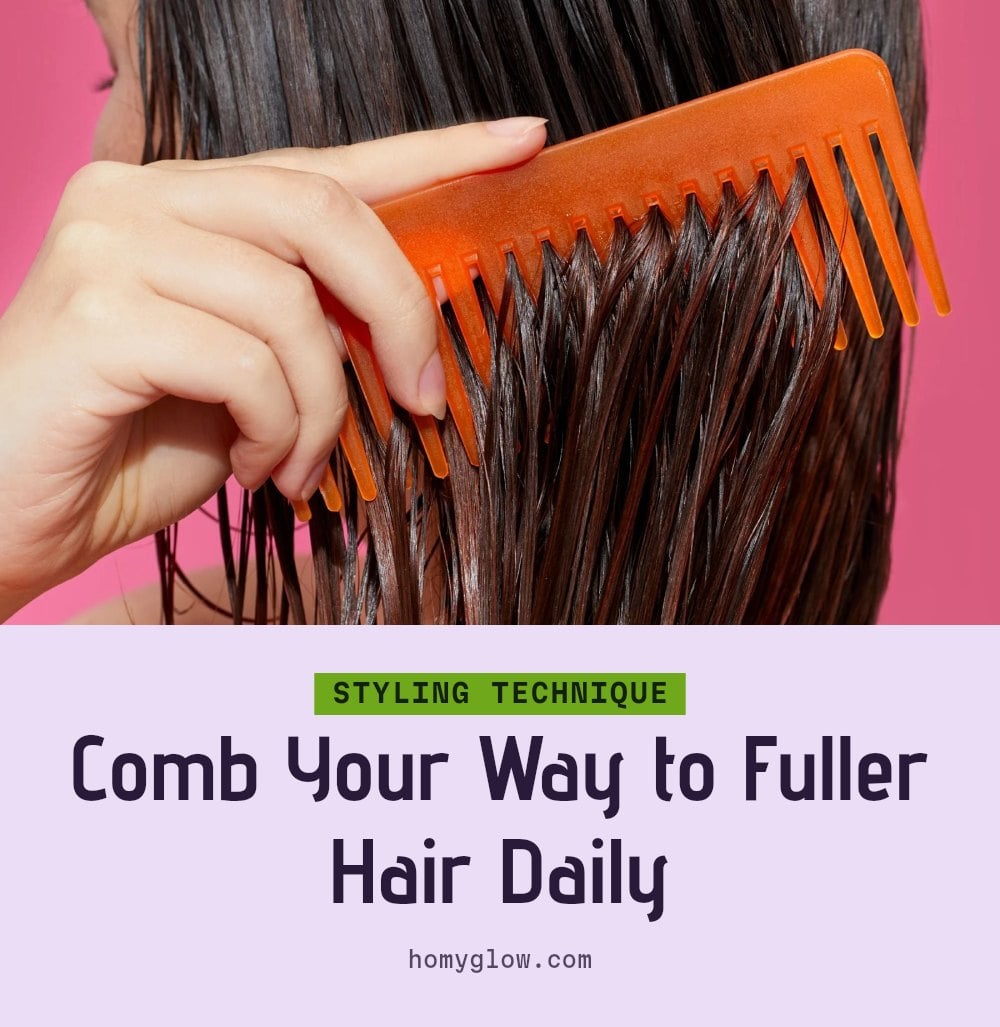
- Detangle wet hair carefully: Start with a wide-tooth comb at the ends and work upward. Wet hair is more fragile and breaks easily if you brush from the top.
- Air-dry or use low heat: Let hair dry naturally when possible. If you use a blow-dryer, keep it on low heat and always apply a heat protectant first.
Natural Remedies and Treatments to Try

Start with a scalp massage using essential oils. Mix 3-5 drops of rosemary or peppermint oil with a tablespoon of a carrier oil like coconut or jojoba. Massage the mixture into your scalp for 2-3 minutes, then leave it on for at least 30 minutes before washing. Caution: Always dilute essential oils, and do a patch test on your inner arm a day before applying to your scalp to check for any reaction.
Protein-rich masks can strengthen hair strands and reduce breakage. Whisk one egg with two tablespoons of plain yogurt and apply it to damp hair, focusing on the mid-lengths to ends. Leave it on for 20 minutes, then rinse with cool water to avoid cooking the egg. Use this mask once a week if your hair feels weak or brittle.
An apple cider vinegar rinse helps balance scalp pH and removes product buildup that can weigh hair down. Mix one part apple cider vinegar with three parts water, pour it over your hair after shampooing, and leave it on for 1-2 minutes before rinsing thoroughly. The smell fades as your hair dries.
Green tea rinse may support hair health thanks to its antioxidants. Brew two green tea bags in two cups of hot water, let it cool completely, then pour it over clean hair. Leave it on for 10 minutes and rinse with cool water. Use this once a week as a gentle, refreshing treatment.
Rotate these remedies so you don’t overload your hair. Consistency matters more than frequency, and results typically take several weeks to appear as new hair grows.
Common Mistakes That Thin Your Hair
Expecting quick results is a common trap. Hair grows about half an inch per month, so visible changes take weeks or months of consistent care.
Over-styling with heat is another culprit. Always apply a heat protectant spray before using any hot tool, and keep the temperature as low as your style allows. Ignoring sudden or significant hair loss is a bigger issue, if you notice more shedding than usual, see a doctor to rule out underlying health problems.
Heavy products like thick creams and waxes can weigh hair down, making it look flatter instead of fuller. Stick to lightweight formulas. Aggressive brushing, especially on wet hair, causes breakage. Start detangling from the ends with a wide-tooth comb and work upward gently. Skipping trims allows split ends to travel up the shaft, creating more damage. A trim every 8-12 weeks keeps ends healthy and hair looking denser.
Lifestyle Changes for Healthier, Thicker Hair

A balanced diet directly impacts your hair. Prioritize protein from sources like eggs, lean meat, or beans, and make sure you get enough vitamins B, C, D, and E along with iron and zinc. These nutrients support the hair growth cycle.
Manage your stress levels, since stress can trigger temporary hair loss. Even short daily practices like deep breathing or a 10-minute walk can help. Protect your hair from the sun by wearing a hat or using a UV protectant spray, and avoid tight hairstyles that pull on the roots and cause breakage.
Tip: Rinse your hair with cool water after conditioning. The cool temperature helps seal the cuticle, which adds shine and makes strands look smoother and fuller.
When to Consult a Professional
See a doctor if you notice sudden or significant hair loss, especially if it comes with other symptoms like fatigue or unexplained weight changes. These can point to an underlying condition that needs medical evaluation. Also consult a professional if your at-home routine shows no improvement after several months of consistent use. A dermatologist can rule out hormonal imbalances or other health issues and recommend treatments you can’t get over the counter.
Frequently Asked Questions
How long does it take to see results from hair thickening treatments?
Most at-home treatments and lifestyle changes take several weeks to a few months to show visible results, since hair grows about half an inch per month. Consistency is key, so stick with your routine for at least 8-12 weeks before judging its effectiveness.
Can stress really cause hair thinning?
Yes, stress can contribute to a type of temporary hair loss called telogen effluvium, which usually appears a few months after a stressful event. Managing stress through relaxation techniques like meditation or exercise may help reduce shedding and support overall hair health.
Are there any foods that make hair thicker?
A balanced diet rich in protein, vitamins B, C, D, E, and minerals like iron and zinc supports healthy hair growth. Foods like eggs, lean meat, beans, leafy greens, and nuts provide these nutrients. While no single food will instantly thicken hair, a nutrient-dense diet helps strengthen strands over time.
Should I wash my hair less often to make it thicker?
Washing less frequently can help. Over-washing strips natural oils, leading to dryness and breakage, which makes hair look thinner. For most hair types, washing every 2-3 days with a gentle, sulfate-free shampoo is a good balance. Adjust based on your scalp’s oiliness and activity level.
Does trimming hair make it grow thicker?
Trimming doesn’t change the diameter of your hair strands, but it removes split ends that can travel up the shaft and cause further damage. Regular trims keep hair healthier and prevent breakage, so your hair looks fuller and more vibrant, even if the actual growth rate is unchanged.
Final Thoughts
My tip: focus on consistency rather than perfection. Pick one or two changes, like adding a weekly hair mask or switching to a gentler shampoo, and stick with them for at least a couple of months. Hair grows about half an inch per month, so give your routine time to work before expecting a dramatic shift.
Remember, the goal is to make your existing hair stronger and healthier, which naturally makes it look thicker. If you notice sudden or severe shedding, don’t wait it out, see a professional to rule out underlying issues.
This article is for general information only and is not a substitute for professional medical or dermatological advice. If you have persistent hair loss, sudden shedding, or other concerning symptoms, consult a doctor or dermatologist to rule out underlying conditions. Always patch test new topical treatments and discontinue use if irritation occurs.