If you’re looking to shed some pounds, the treadmill can be a powerful tool in your corner. It lets you control your cardio exactly, and when you pair consistent workouts with a smart diet, you create the calorie deficit needed for weight loss. This article breaks down easy, effective treadmill workouts and a weekly plan to help you get started and see real results.
Key Takeaways
- Weight loss on a treadmill requires a calorie deficit from consistent exercise and a balanced diet.
- High-intensity interval training (HIIT) can burn more calories in less time than steady-state cardio.
- Walking on an incline boosts calorie burn more than walking on a flat surface at the same speed.
- Combine treadmill workouts with strength training to build muscle and further enhance your metabolism.
- Always warm up for 5-10 minutes and cool down for 5-10 minutes to prepare your body and aid recovery.
Can a Treadmill Help You Lose Weight?
Yes, a treadmill can help you lose weight. It allows you to perform controlled cardiovascular exercise, which burns calories. The real key is combining consistent treadmill workouts with a balanced diet to create a calorie deficit. To maximize results, vary your speed and incline, incorporate interval training, and maintain a challenging yet sustainable pace. This approach keeps your body adapting and improves your fitness over time.
1. Warm-Up Walk
Start every treadmill workout with a gentle warm-up to prepare your muscles and cardiovascular system. Walk at a comfortable pace of 2.0 to 2.5 mph with no incline for 5 minutes. Focus on light movement and getting your body ready for the work ahead.
- Time: 5 minutes
- Form cue: Swing your arms naturally and keep your shoulders relaxed
- Make it easier or harder: Stay at 2.0 mph to keep it very light, or increase to 2.5 mph for a slightly faster warm-up
2. Brisk Walk with Incline

Increase your speed to a brisk walking pace of 3.0 to 3.5 mph and add a moderate incline of 2 to 4 percent. This elevates your heart rate and engages more leg muscles, boosting calorie burn. Maintain good posture and a steady rhythm for 10 minutes.
- Time: 10 minutes
- Form cue: Keep your chest lifted and gaze forward, avoid leaning on the handrails
- Make it easier or harder: Reduce speed to 3.0 mph or lower the incline to 1 percent for a lighter effort; increase speed to 3.5 mph or raise the incline to 5 percent for more challenge
3. Moderate Jog
Transition into a light jog at 4.0 to 5.0 mph with a flat or very low incline of 0 to 1 percent. This helps improve cardiovascular endurance and burns more calories than walking alone. Focus on a smooth, controlled stride for 10 minutes.
- Time: 10 minutes
- Form cue: Land softly on your midfoot and keep your arms bent at 90 degrees
- Make it easier or harder: Jog at 4.0 mph to keep it gentle, or increase to 5.0 mph for a faster pace; add a 1 percent incline for extra difficulty
4. Incline Power Walk
Drop back to a brisk walking pace of 3.0 to 3.5 mph and raise the incline to 6 to 8 percent. This simulates walking uphill, which intensely works your glutes and hamstrings and boosts calorie burn compared to flat walking.
- Time: 8 minutes total.
- Form cue: Keep your core engaged and avoid leaning on the handrails, as that reduces the effort.
- Make it easier or harder: Lower the incline to 4 percent for a gentler climb, or raise it to 10 percent if you want more of a challenge.
5. Interval Sprints
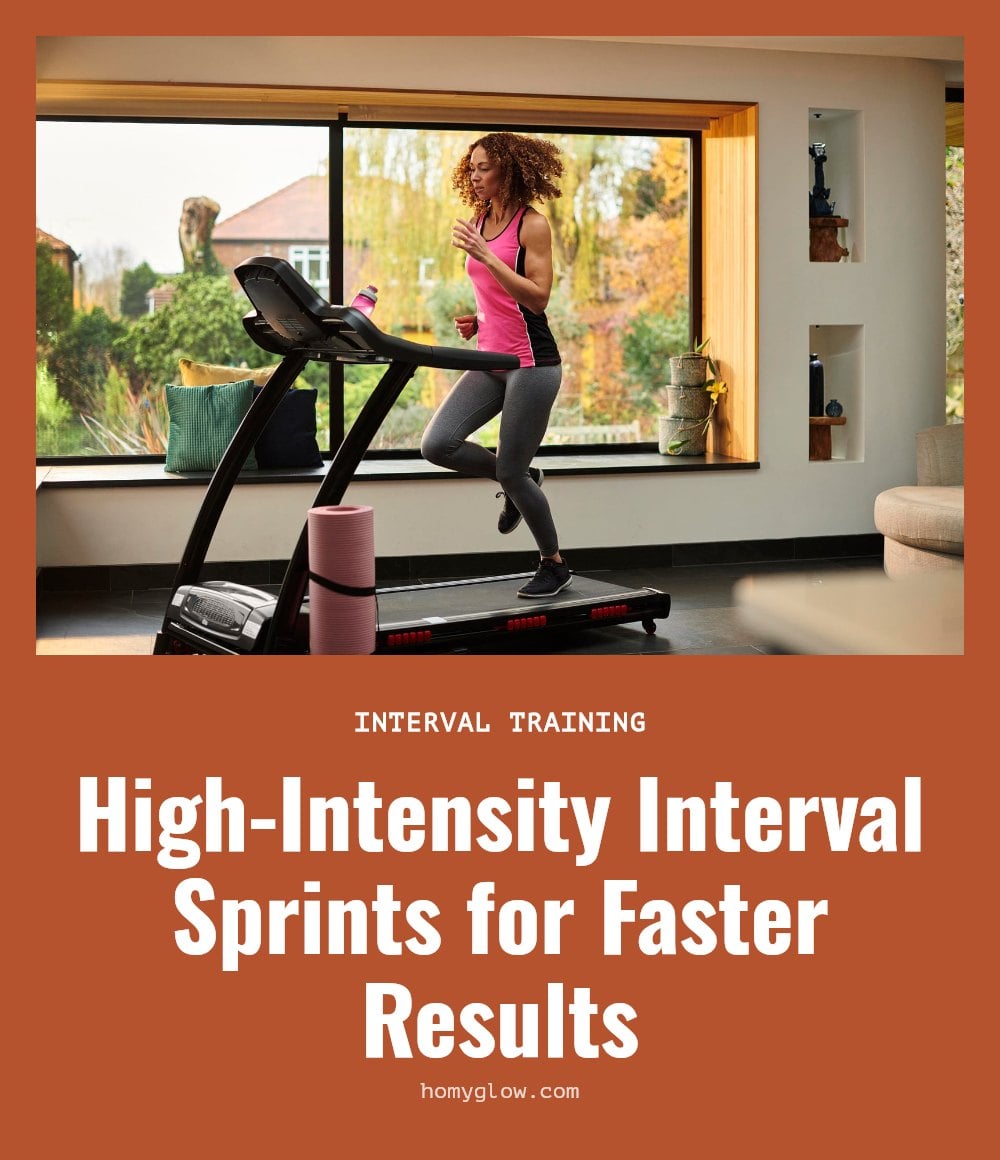
Alternate short bursts of high-intensity running with recovery walks. Sprint at 6.0 to 8.0 mph (or higher if you’re fit) for 30 seconds, then walk at 2.5 to 3.0 mph for 90 seconds. This HIIT approach can be more effective for fat loss than steady-state cardio in less time.
- Sets and reps: Repeat the sprint-walk cycle 4 times.
- Form cue: Keep your upper body relaxed and pump your arms naturally during sprints.
- Make it easier or harder: Reduce the sprint pace to 5.0 mph, or extend the sprint to 45 seconds for a tougher session.
6. Steady-State Cardio
Maintain a comfortable but challenging pace of 3.5 to 4.5 mph with a 1 to 2 percent incline. You should be able to talk but not sing, which signals you’re in a moderate-intensity zone. This builds endurance and contributes to overall calorie burn.
- Time: 15 minutes of sustained effort.
- Form cue: Focus on consistent effort and steady breathing, keeping your stride smooth.
- Make it easier or harder: Slow to 3.0 mph, or add a 3 percent incline and increase speed to 5.0 mph for a harder push.
7. Incline Climb
Set the incline to a challenging 10 to 12 percent and walk at a moderate pace of 2.5 to 3.0 mph. This steep climb builds leg strength and burns calories without the high impact of running, making it a great low-impact option.
- Time: 7 minutes total.
- Form cue: Imagine you’re climbing a steep hill, pushing through your glutes and hamstrings with each step.
- Make it easier or harder: Drop the incline to 8 percent, or slow your pace to 2.0 mph if needed. For a challenge, increase to 12 percent and speed up to 3.5 mph.
8. Cool-Down Walk
Gradually decrease your speed to a very slow walk of 1.5 to 2.0 mph with no incline. This helps bring your heart rate down and allows your muscles to begin recovery.
- Time: 5 minutes
- Form cue: Focus on deep breaths and relaxing your body
- Make it easier or harder: Slow down further if needed, or add a 1% incline for a slightly more active cool-down
Essential Gear for Your Treadmill Workouts
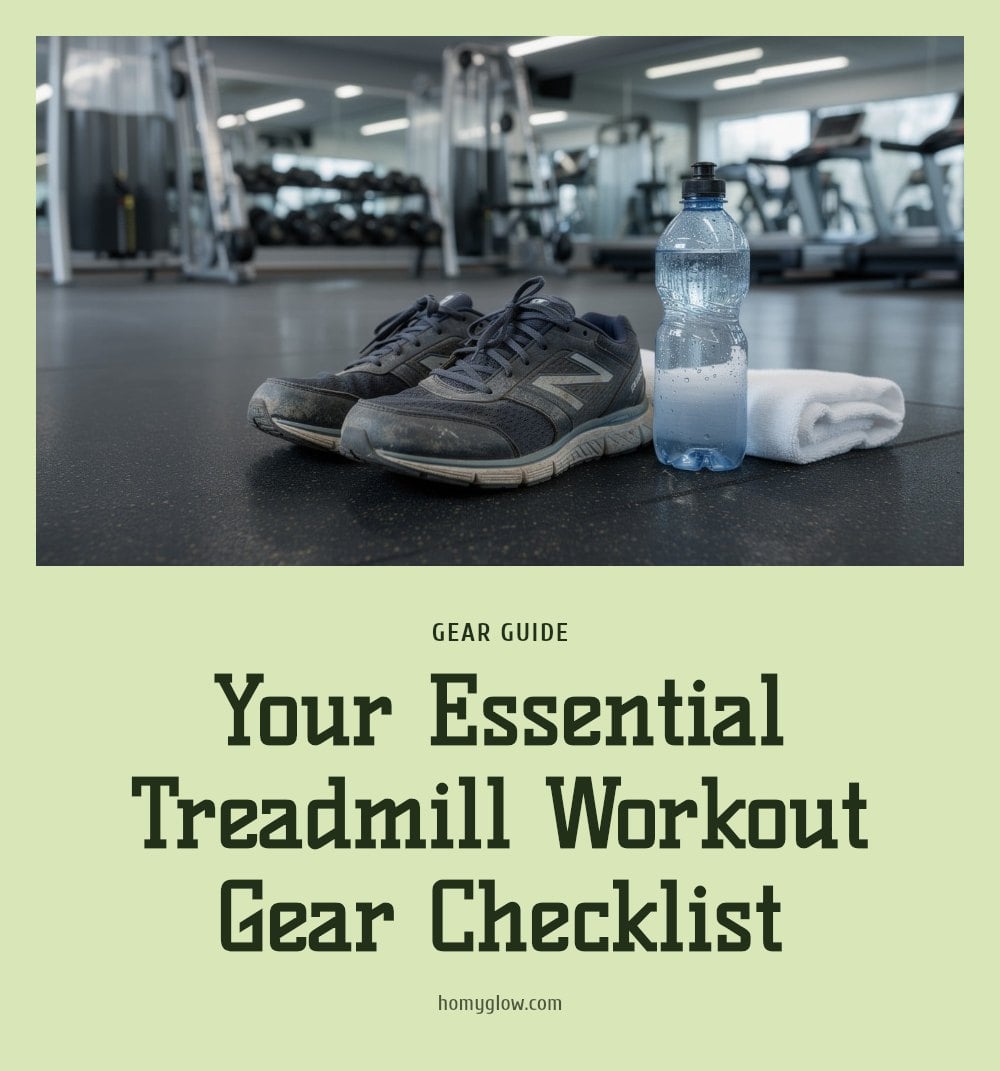
Having the right gear makes your treadmill workouts safer and more comfortable. Here is what you need.
- Treadmill: The central piece of equipment. Make sure it is stable and that you know where the safety clip is located.
- Athletic shoes: Crucial for cushioning and support to prevent injury. Replace them every 300 to 500 miles.
- Comfortable workout clothing: Choose fabrics that wick away sweat and allow a full range of motion.
- Water bottle: Essential for staying hydrated before, during, and after your workout.
- Heart rate monitor (optional): Helps you stay within your target heart rate zones for optimal calorie burn.
Weekly Treadmill Workout Plan for Weight Loss
This weekly plan combines different intensities and durations to keep your body challenged and help you build consistency. Adjust speeds and inclines to your personal fitness level, and always prioritize safety and proper form. Listen to your body and take extra rest days if needed.
| Day | Workout Focus | Duration |
|---|---|---|
| Monday | Brisk Walk with Incline | 30 min |
| Tuesday | Interval Sprints | 20 min |
| Wednesday | Rest or light walk | 20 min |
| Thursday | Steady-State Cardio | 35 min |
| Friday | Incline Climb | 25 min |
| Saturday | Full workout circuit | 40 min |
| Sunday | Rest |
Frequently Asked Questions
How long should I walk on a treadmill to lose weight?
For weight loss, aim for at least 30 minutes of moderate-intensity walking or jogging most days of the week. You can work up to 60 minutes as your endurance improves. Consistency matters more than a single long session, so find a duration you can stick with regularly.
Can I lose belly fat by using a treadmill?
You cannot target fat loss from one specific area, including the belly. Treadmill workouts help you burn overall body fat by creating a calorie deficit. As you lose fat from your entire body, you will eventually see a reduction in belly fat, especially when you combine cardio with a healthy diet.
What is the best treadmill speed for weight loss?
The best speed depends on your fitness level. A brisk walk at 3.0 to 3.5 mph or a light jog at 4.0 to 5.0 mph is effective for many people. The key is to work at a moderate intensity where you can talk but not sing, which typically falls at 50-70% of your maximum heart rate.
How often should I use the treadmill for weight loss?
Most people see good results with treadmill workouts three to five times per week. This frequency allows for consistent calorie burn while giving your body rest days to recover and prevent injury. Always listen to your body and take an extra rest day if you feel overly fatigued or sore.
Final Thoughts
For real weight loss, aim for 30 to 60 minutes on the treadmill, three to five times per week. Start with the steady-state and incline walks, then gradually add interval sprints as your fitness improves. With consistency and a balanced diet, you can expect to see changes in a few weeks to months. Stay patient, listen to your body, and keep moving forward.
This information is for general informational purposes only and does not constitute medical or professional advice. Before starting any new exercise program, consult your doctor, especially if you have underlying health conditions. Stop immediately if you experience chest pain, dizziness, or severe shortness of breath.