You’ve been there, standing at a crossroads with a decision that feels too big for logic alone. That quiet nudge, that gut feeling, is your intuition, and learning to trust it can transform how you navigate choices big and small. This article breaks down what intuition is, how to recognize its subtle signals, and how to blend it with logic for more confident, grounded decisions.

Key Takeaways
- Intuition feels calm and clear, while fear or anxiety is emotionally charged and chaotic.
- Use a journal to record gut feelings and their outcomes to spot patterns over time.
- Practice mindfulness or quiet reflection to create space for intuitive signals to emerge.
- Test your intuition on small, low-stakes decisions before applying it to major choices.
- Always pair intuition with logical reasoning and factual information for important decisions.
What is Intuition and Why Does It Matter?
Intuition is that gut feeling you get without knowing why. It’s your brain quickly processing past experiences and patterns below your conscious awareness. Trusting your gut helps you make more confident decisions because it blends inner knowing with logical thinking, giving you a fuller picture before you choose.
How Your Intuition Works (And Why You Should Listen)
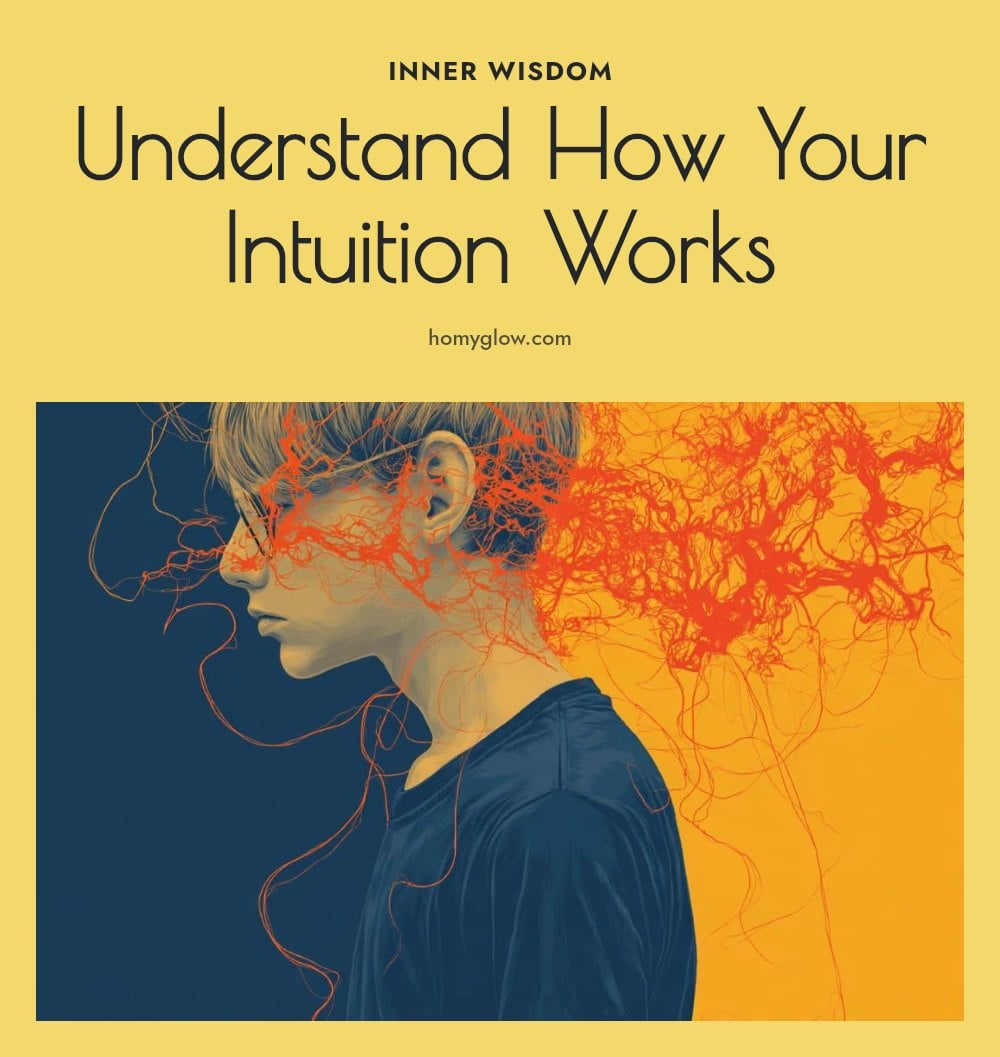
How Your Intuition Works (And Why You Should Listen)
Your intuition works by scanning your memory and experiences at lightning speed, then sending signals to your body. You might notice a knot in your stomach, a feeling of lightness, or a sense of unease. These physical sensations are your intuitive cues.
Intuition rarely gives you a detailed explanation. Instead, it offers a simple yes or no feeling, pointing you in a direction rather than laying out every step. This is not magic. It is your brain’s hard-won wisdom speaking up.
- Physical sensations: A knot, a flutter, or a sense of calm are common signals.
- Direction, not detail: Expect a nudge, not a full plan.
- Past-based processing: It draws on what you’ve already learned, even if you don’t remember it.
Tools to Connect with Your Inner Wisdom
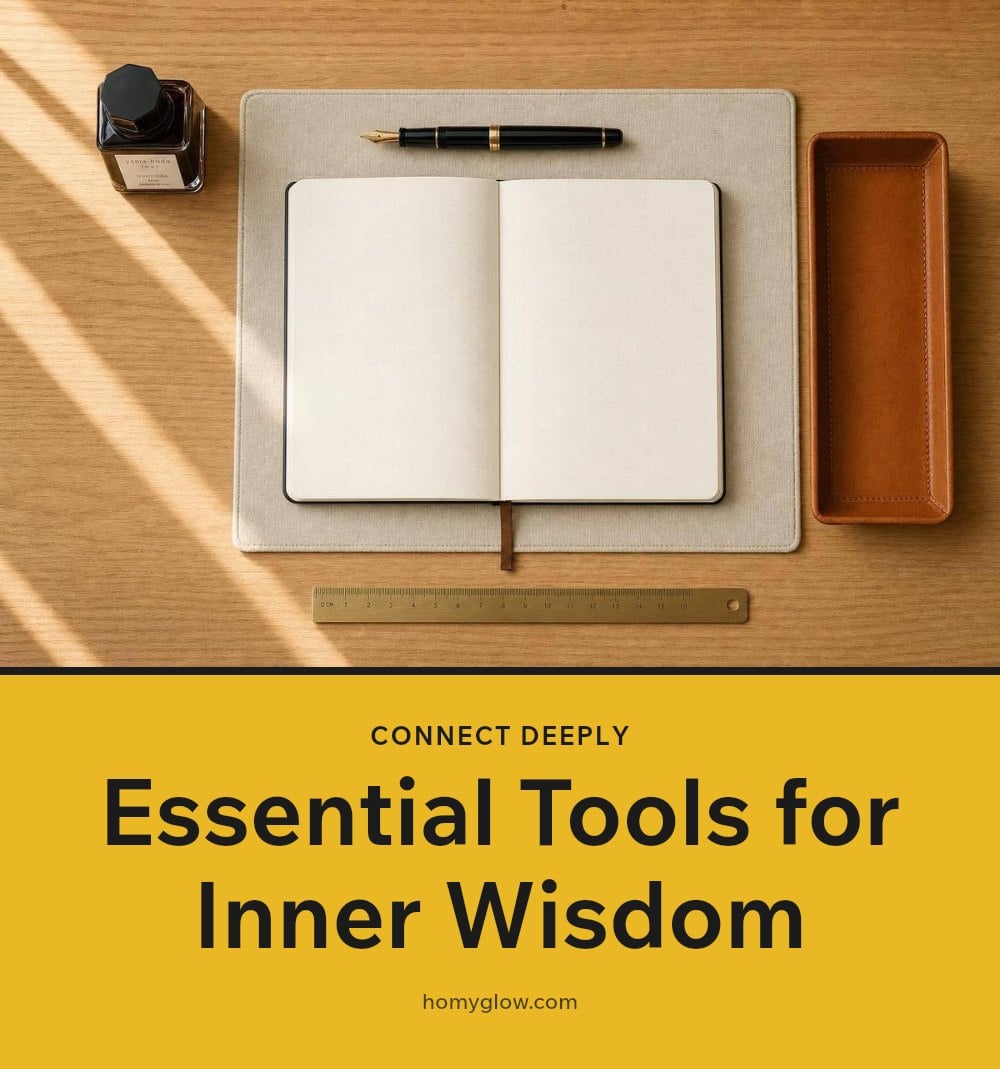
Tools to Connect with Your Inner Wisdom
You don’t need fancy gear to tune into your intuition. A simple journal and pen are your most powerful tools. Use them to jot down gut feelings and later note what happened. This builds a record your brain can learn from.
You also need a quiet space for reflection. It can be a corner of your bedroom, a park bench, or even your car for five minutes. The goal is to give yourself a break from noise and distractions so your inner voice has room to speak.
Step-by-Step: Cultivating Your Intuition

Step-by-Step: Cultivating Your Intuition
I’ve found that building trust in your intuition is like training a muscle. It takes consistent, small actions. Here is my routine for getting better at listening to my gut.
- Scan your body: When you face a decision, pause and notice your physical sensations. A tight chest or a relaxed jaw can tell you more than your thoughts can.
- Quiet your mind: Spend five minutes each day in mindfulness or meditation. Even closing your eyes and focusing on your breath helps you hear subtle signals over mental chatter.
- Journal your gut feelings: Write down the decision, what your gut said, and what you chose. Later, note the outcome. Over weeks, patterns emerge that show you when your intuition was spot-on.
- Reflect before big choices: Before an important decision, step away from the noise for ten minutes. Sit quietly and ask yourself, what does my gut feel about this? Let the answer come without forcing it.
- Start small: Test your intuition on low-stakes choices. Which route to take to work? What to eat for lunch? Notice the feeling and see how often it guides you right. This builds confidence for bigger decisions.
Common Mistakes When Listening to Your Gut
One of the biggest traps is mistaking fear or anxiety for intuition. Intuition feels calm and clear, while fear or anxiety comes with heightened emotional arousal like a racing heart or sweaty palms. Another common mistake is ignoring intuitive signals just because they lack a logical explanation. Give those subtle feelings a chance before brushing them off.
Overthinking decisions can also silence your inner wisdom. Excessive analysis drowns out the gentle nudge of intuition. And while your gut is powerful, believing it is always right is a mistake. Integrate intuition with logic, especially for significant decisions. Finally, don’t expect intuition to be a loud, clear voice. It’s often a subtle feeling, a quiet whisper rather than a shout.
Best Tips for Trusting Your Intuition

Here are my go-to tips for trusting your gut without falling into common traps. Don’t dismiss your gut feelings immediately, even if they seem illogical. Give them a moment to breathe. Distinguish between intuition and anxiety: intuition is calm and clear, while anxiety feels fear-driven and chaotic, often manifesting as a racing mind or tense body.
Don’t rely solely on intuition for critical decisions. Always consider the facts, especially for major life choices. Don’t overanalyze every intuitive signal; some are more significant than others. Learn to recognize which ones deserve your attention. Remember, intuition often offers direction, not all the answers. Use it as a guide, not a map.
How Long Does It Take to Develop Intuition?
Developing trust in your intuition is not a quick fix. It’s an ongoing practice that builds over time with consistent effort. Think of it as gradual self-awareness, not a switch you flip. The more you pay attention and practice, the clearer the signals become. Be patient with yourself.
Integrating Intuition with Logic for Confident Choices
Combining Gut and Logic for Better Decisions
Intuition is not infallible, so it should be used alongside logical reasoning and factual information. The goal is to integrate your inner knowing with external data for a holistic view. This balanced approach leads to more confident and well-rounded choices. You get the best of both worlds: the speed of intuition and the accuracy of logic.
Frequently Asked Questions
How do I know if it’s intuition or just wishful thinking?
Intuition tends to feel calm and clear, like a quiet knowing, while wishful thinking is often driven by desire or hope and can come with a sense of urgency or emotional charge. If the feeling is steady and neutral rather than excited or anxious, it’s more likely intuition.
Can intuition be wrong?
Yes, intuition is not infallible. It can be influenced by biases, past experiences that don’t apply to the current situation, or even fear. That’s why it’s important to use intuition alongside logical reasoning and factual information, especially for significant decisions.
How long does it take to develop intuition?
Developing intuition is not a quick fix. It’s an ongoing practice that builds over time with consistent effort. Think of it as gradual self-awareness, not a switch you flip. The more you pay attention and practice, the clearer the signals become.
Is intuition a spiritual thing?
For some people, intuition has a spiritual or metaphysical dimension, but it is also widely understood as a cognitive process. Your brain quickly processes patterns and past experiences below conscious awareness, then sends signals to your body. You can explore it from either perspective or both.
What if my intuition tells me something illogical?
Don’t dismiss it immediately. Give the feeling a moment to breathe and see if it persists. Then, gather factual information and logical reasoning to compare. Sometimes intuition picks up on patterns your conscious mind hasn’t yet processed, so it’s worth considering before making a final call.
Final Thoughts
Start by paying attention to your body’s physical sensations when you face a choice. A knot in your stomach or a feeling of lightness can be a clue. Remember that trusting your intuition is a practice, not a one-time fix, and it builds gradually with consistent effort. The goal is not to replace logic but to integrate your inner knowing with the facts, so you can move forward with confidence and clarity.