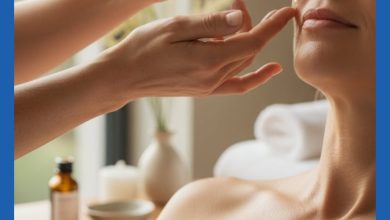
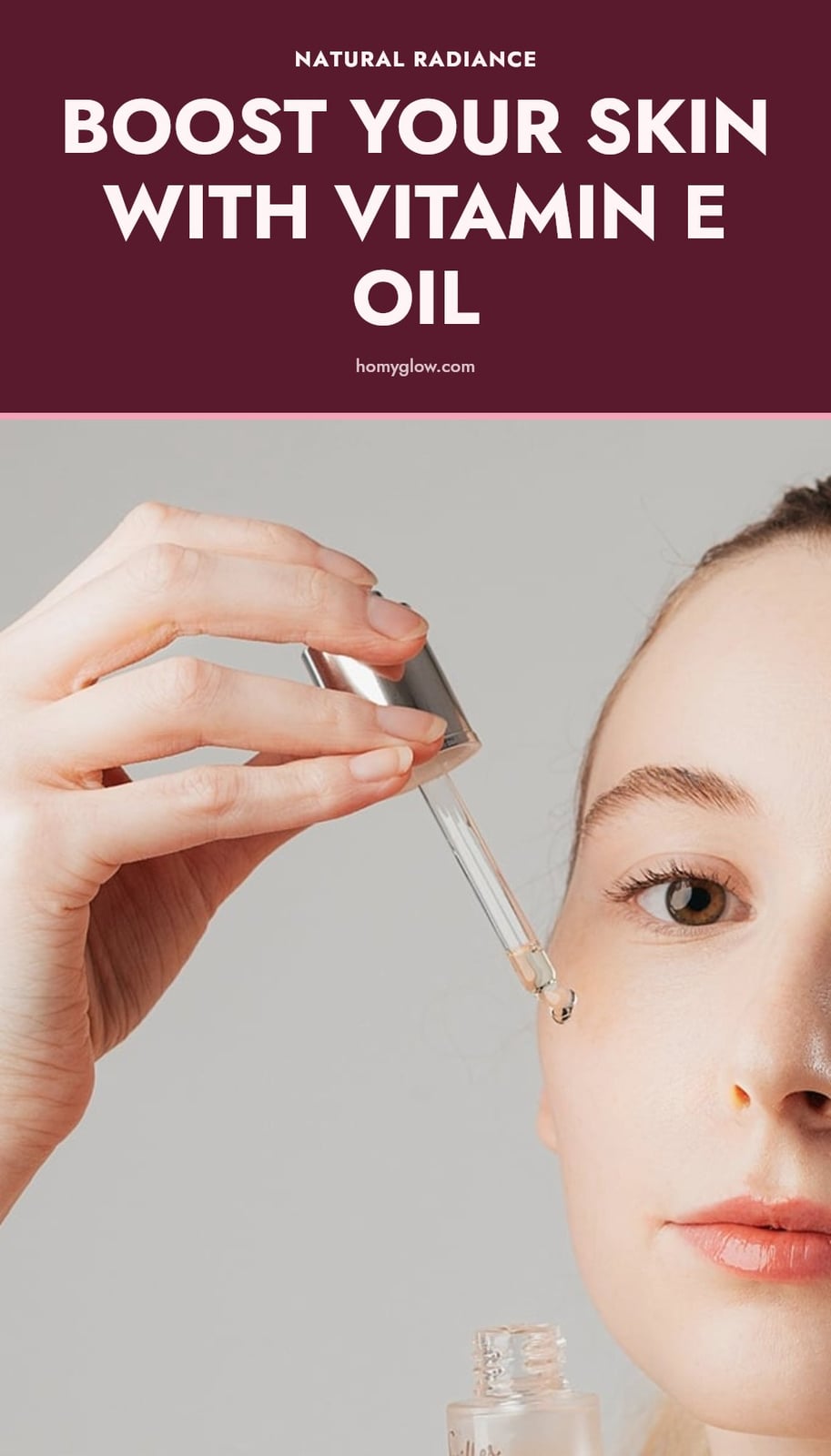
Whether you’re looking to hydrate dry skin, condition brittle nails, or add shine to your hair, vitamin E oil is a popular natural choice. As a fat-soluble antioxidant, it helps protect your cells and supports your skin’s moisture barrier. This article walks you through how to use vitamin E oil safely and effectively for your beauty routine, including dilution tips and what to avoid.
Key Takeaways
- Always dilute pure vitamin E oil with a carrier oil before applying to large areas of skin.
- Perform a patch test 24 hours before full use to check for irritation or allergic reaction.
- Combine vitamin E with vitamin C for enhanced antioxidant benefits.
- Apply vitamin E oil to damp skin after showering to lock in moisture.
- Store vitamin E oil in a cool, dark place to prevent oxidation and extend its shelf life.
Using Vitamin E Oil for Skin, Hair, and Nails
Vitamin E oil works as a potent antioxidant that can moisturize skin, strengthen nails, and support hair health. Because pure vitamin E oil is thick and concentrated, you need to dilute it with a carrier oil for sensitive skin and always do a patch test first. Consistency matters here: results for hydration may show in days, but improvements in scar appearance or nail strength can take weeks or months.
Essential Supplies for Using Vitamin E Oil
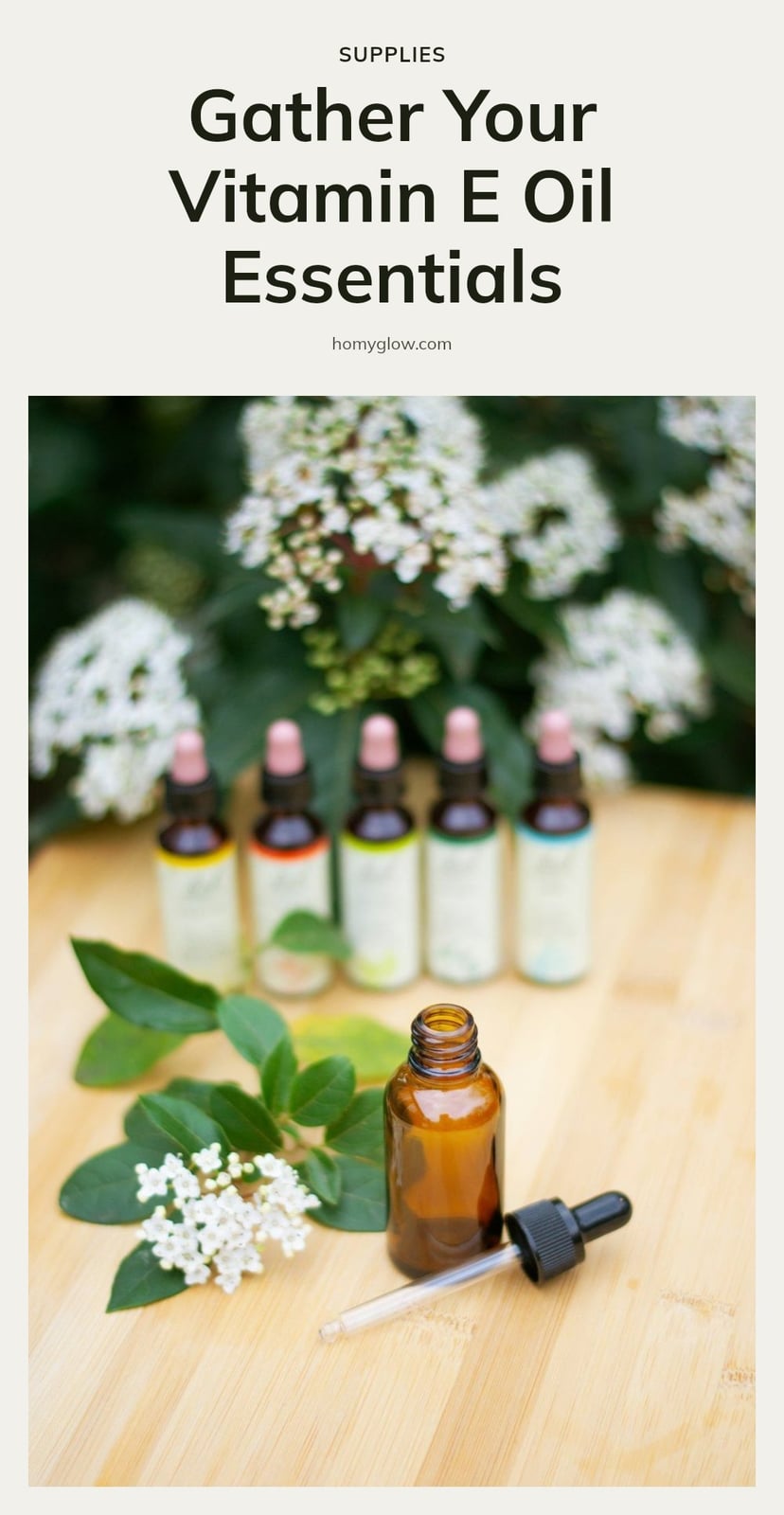
To use vitamin E oil safely and effectively, gather these items:
- Pure vitamin E oil: Look for alpha-tocopherol, the most active form.
- Carrier oil: Jojoba, almond, coconut, or argan oil for dilution.
- Alternative products: Creams or serums with vitamin E if you prefer a ready-to-use option.
- Clean applicators: Cotton swabs or your clean fingertips.
Step-by-Step: Applying Vitamin E Oil to Skin

- Patch test: Apply a tiny amount of diluted oil to a small area of skin (like your inner arm) and wait 24 hours to check for any reaction.
- Dilute the oil: Mix pure vitamin E oil with a carrier oil at a 1:10 ratio (one part vitamin E to ten parts carrier) if you have sensitive skin.
- Cleanse your skin: Wash your face or body thoroughly so the oil can absorb without dirt blocking it.
- Apply to damp skin: After washing, pat your skin slightly dry but keep it damp. Massage a small amount of the diluted oil into your skin until absorbed.
- Use regularly: Apply once or twice daily for skin and cuticles. For best results, include it in your evening routine.
Targeted Uses for Hair and Nails
For Hair
Massage diluted vitamin E oil into your scalp to support scalp health and improve hair luster. Its primary benefits are moisturizing and antioxidant, not hair growth. Tip: Mix a few drops of vitamin E oil with a carrier oil like jojoba or almond, then apply to your scalp 30 minutes before shampooing for a nourishing treatment.
For Nails
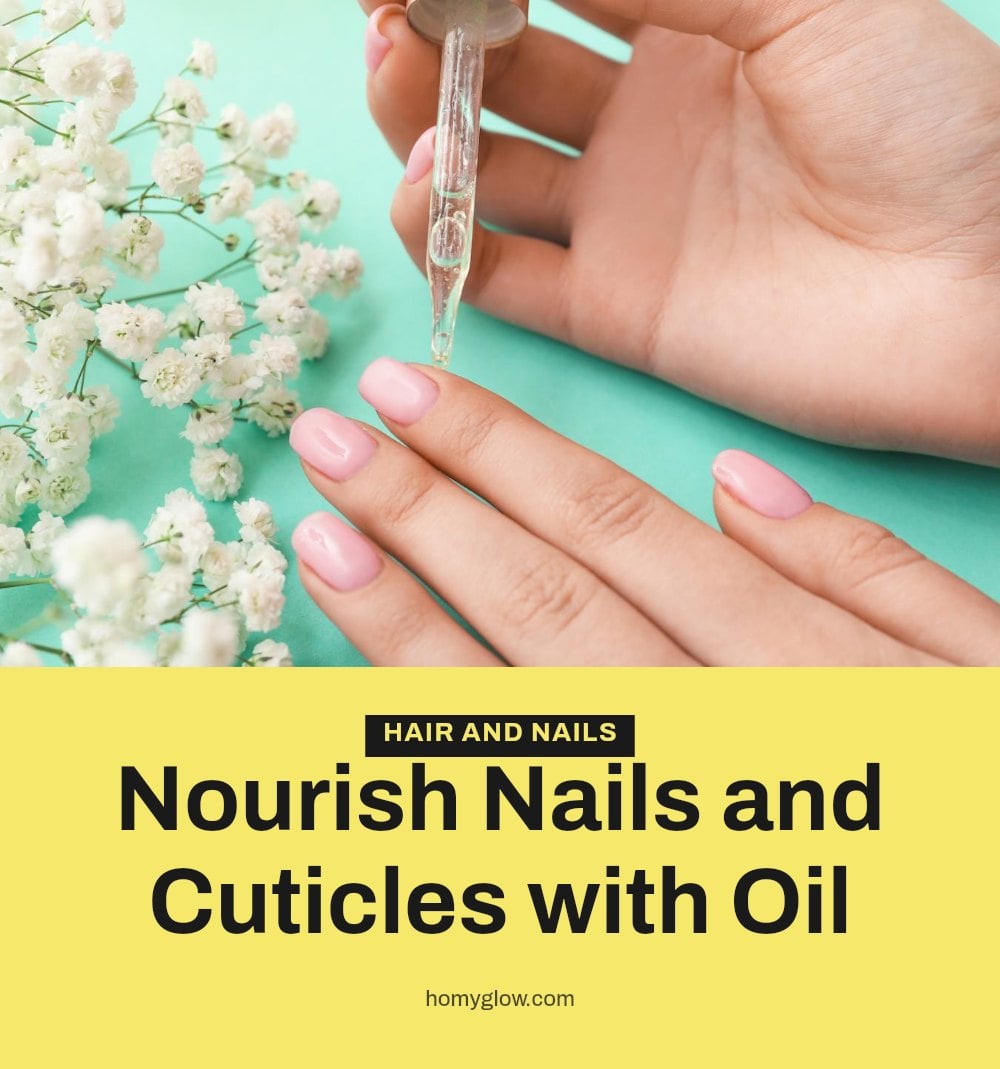
Apply a tiny drop of diluted vitamin E oil to each cuticle and massage it in. This helps moisturize dry cuticles and can strengthen brittle nails with regular use. Good to know: Pairing vitamin E with vitamin C in your hair or nail products enhances antioxidant benefits, as the two vitamins complement each other well.
Common Mistakes When Using Vitamin E Oil
One of the biggest mistakes is applying undiluted pure vitamin E oil to large areas, especially if your skin is sensitive or prone to acne. The thick, occlusive texture can trap oil and debris, which may lead to breakouts. Always dilute it with a carrier oil first.
- Expecting instant results: Scar reduction and hair benefits are subtle and gradual. Give it weeks or months before judging.
- Using too much: A few drops go a long way. Excess oil leaves a greasy film and may clog pores.
- Skipping the patch test: Allergic reactions can happen even with natural forms, so test on a small area 24 hours ahead.
- Assuming all forms are equal: Synthetic versions may be less potent than natural alpha-tocopherol, so check the label.
Expert Tips for Maximizing Vitamin E Benefits
To get more from your vitamin E routine, try these simple adjustments.
- Combine with vitamin C: These two antioxidants enhance each other’s effects, so look for serums or creams that pair them.
- Apply to damp skin: Smooth the oil over slightly wet skin after showering to lock in extra moisture.
- Store it properly: Keep the bottle in a cool, dark cabinet to slow oxidation and maintain potency.
- Be patient: Consistency over several weeks or months is what brings noticeable improvements, not a single application.
When to Consult a Professional About Skin Concerns
Stop using vitamin E oil right away if you notice persistent redness, itching, a rash, or any other sign of an allergic reaction. These symptoms mean your skin is not tolerating it, and continuing can make things worse.
- See a dermatologist first if you have severe acne, eczema, or psoriasis. New ingredients can interact with these conditions.
- Get professional advice for scars or hair loss. Vitamin E oil may help with moisture, but it is not a standalone treatment for these issues.
Frequently Asked Questions
Can vitamin E oil help with stretch marks?
Some people use vitamin E oil to help reduce the appearance of stretch marks, but scientific evidence for this is limited and mixed. It may help moisturize the skin, which can improve texture, but it is not a guaranteed treatment. For significant stretch mark concerns, a dermatologist can offer more targeted options.
Is synthetic vitamin E as effective as natural vitamin E?
Natural vitamin E, typically labeled as d-alpha-tocopherol, is generally considered more biologically active and potent than synthetic forms like dl-alpha-tocopherol. If you’re looking for the strongest antioxidant effects, natural forms are usually preferred. Check the ingredient label for the specific form used in your product.
How often should I apply vitamin E oil?
For skin and cuticles, applying diluted vitamin E oil once or twice daily is usually sufficient. For hair, massaging it into your scalp once a week or adding a few drops to your conditioner a few times a week can help. Start with less frequent use and increase if your skin tolerates it well.
Can I add vitamin E oil to my shampoo?
Yes, you can add a few drops of vitamin E oil to your shampoo or conditioner to help moisturize your scalp and add shine to your hair. Just mix it in your palm before applying, not in the bottle, to avoid altering the product’s consistency or causing it to go rancid faster.
Does vitamin E oil expire?
Yes, vitamin E oil can oxidize and lose its potency over time. Most products have a shelf life of about one to two years if stored properly in a cool, dark place. If the oil changes color, thickens, or develops an off smell, it’s likely expired and should be replaced.
Final Thoughts
For the best results, start with a patch test and always dilute pure vitamin E oil with a carrier oil like jojoba or almond oil. You may notice improved skin hydration and cuticle conditioning within a few days to weeks of consistent use, though changes in scars or nail strength can take several weeks to months. Keep your routine simple, listen to your skin, and stop if irritation occurs.
This article is for informational purposes only and does not constitute medical or professional advice. Results from using vitamin E oil can vary, and it may not be suitable for all skin or hair types. If you have a persistent skin concern, allergic reaction, or medical condition, consult a dermatologist or healthcare provider.